
Table of Contents >> Show >> Hide
- Why Apple Pie Still Rules the Dessert Table
- Recipe 1: Classic Double-Crust Apple Pie
- Recipe 2: Dutch Apple Pie with Crumb Topping
- Recipe 3: Caramel Apple Pie
- Recipe 4: Apple Hand Pies
- Recipe 5: Apple Cheddar Pie
- The Best Apples for Apple Pie Recipes
- Apple Pie Tips That Actually Make a Difference
- Common Apple Pie Mistakes
- How to Serve Apple Pie
- of Real-Life Apple Pie Experience
- Conclusion
- SEO Tags
There are desserts, and then there is apple pie: the flaky, cinnamon-scented overachiever that somehow manages to be rustic, nostalgic, holiday-worthy, and weeknight-friendly all at once. It is the dessert equivalent of showing up in a cozy sweater and still being the best-dressed person in the room.
If you have ever wondered why one apple pie tastes like a dreamy bakery classic while another turns into a soggy fruit swamp, the answer is usually in the details. The best apple pie recipes are not just about tossing apples into crust and hoping for the best. They rely on the right apples, a balanced filling, a crust that stays flaky instead of sad, and enough patience to let the pie cool before attacking it with a knife like a dessert pirate.
This guide rounds up several of the best apple pie recipes and styles into one practical, easy-to-read article. You will get a classic double-crust pie, a Dutch-style crumb version, a caramel-forward twist, mini hand pies, and a cheddar-crust variation for people who like their desserts with a little personality. Along the way, you will also learn how to choose the best apples for baking, avoid common pie mistakes, and turn your kitchen into the kind of place that smells like autumn and questionable self-control.
Why Apple Pie Still Rules the Dessert Table
Apple pie has range. It can be old-fashioned and buttery, elegant and tall, extra gooey, lightly spiced, deeply caramelized, or topped with a crumbly blanket of brown sugar goodness. It is also forgiving enough for home bakers. Even when the lattice looks a little wonky or the filling bubbles like it is plotting revenge, apple pie usually still tastes terrific.
The secret behind most successful apple pie recipes is balance. You want apples that hold their shape but still turn tender. You want sweetness, but not “this pie just filed my taxes” sweet. You want spice, but not enough cinnamon to erase the apple flavor. And most of all, you want contrast: flaky crust against soft fruit, tartness against sugar, and a warm slice against cold vanilla ice cream. That contrast is the entire magic trick.
Recipe 1: Classic Double-Crust Apple Pie
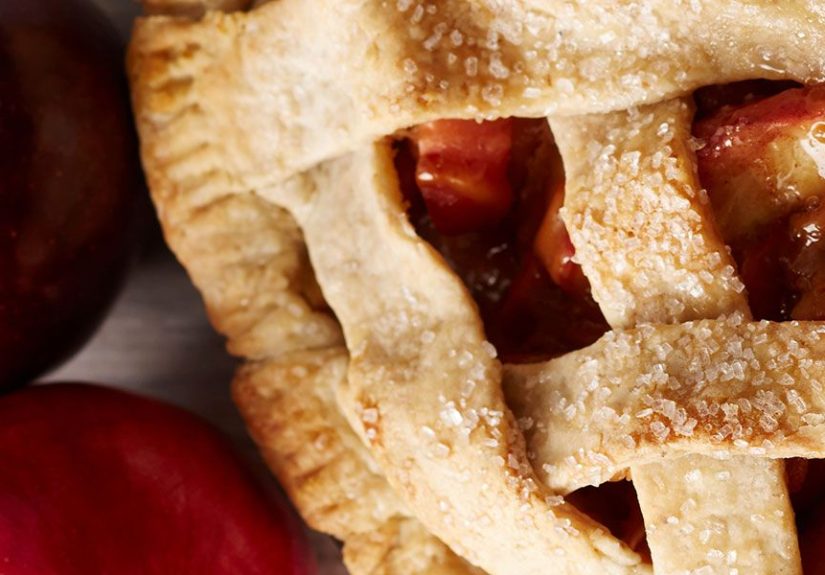
This is the standard-bearer, the family-table hero, the pie that says, “Yes, I brought dessert, and no, you may not pretend store-bought is the same thing.” A classic apple pie should have a golden top crust, bubbling filling, and slices that actually hold together.
Ingredients
- 2 homemade or store-bought pie crusts for a 9-inch pie
- 6 to 8 firm apples, peeled, cored, and sliced
- 3/4 cup granulated sugar
- 1/4 cup brown sugar
- 2 tablespoons lemon juice
- 1 teaspoon cinnamon
- 1/4 teaspoon nutmeg
- 1/4 teaspoon allspice or a pinch of cloves
- 1/4 teaspoon salt
- 3 to 4 tablespoons flour or cornstarch
- 1 tablespoon butter, cut into small pieces
- 1 egg plus 1 tablespoon water for egg wash
- Optional coarse sugar for the top
How to Make It
Line a pie dish with the bottom crust and chill it while you make the filling. In a large bowl, toss the sliced apples with sugars, lemon juice, cinnamon, nutmeg, salt, and flour or cornstarch. Let the mixture sit for 15 to 30 minutes so the apples begin releasing some juice. This step deepens flavor and helps you avoid a watery filling.
Spoon the apples into the crust, leaving most excess liquid behind if the bowl looks overly juicy. Dot the filling with butter. Top with the second crust, then seal and crimp the edges. Cut vents in the top or make a lattice if you are feeling decorative and emotionally stable. Brush with egg wash, sprinkle with sugar, and bake at a high temperature for the first part of baking to set the crust, then lower the heat so the apples can finish softening without burning the top.
The pie is done when the crust is golden and the filling is visibly bubbling through the vents. That bubbling matters. If it is not bubbling, the thickener may not be fully activated yet, which means your first slice could slide into chaos. Cool the pie for at least two hours before slicing.
Best Apples for This Recipe
Use a mix of tart and sweet, firm apples for the best flavor. Granny Smith adds brightness and structure, while Honeycrisp, Braeburn, Pink Lady, or Golden Delicious bring sweetness and complexity. Think of it as casting your pie wisely: one apple for structure, one for personality, and maybe one for drama.
Recipe 2: Dutch Apple Pie with Crumb Topping
If traditional double-crust apple pie is the classic novel, Dutch apple pie is the movie adaptation with a bigger budget. Instead of a top crust, you get a buttery crumb topping that bakes into golden clusters. It is less fussy than lattice and extremely generous in the flavor department.
Ingredients
- 1 bottom pie crust
- 6 apples, peeled and sliced
- 2/3 cup sugar
- 1 tablespoon lemon juice
- 1 teaspoon cinnamon
- 1/4 teaspoon nutmeg
- 2 to 3 tablespoons flour
- For the topping: 3/4 cup flour, 1/2 cup brown sugar, 1/4 cup granulated sugar, 1/2 teaspoon cinnamon, pinch of salt, 6 tablespoons cold butter
How to Make It
Toss the apples with sugar, lemon juice, spices, and flour, then mound them into the crust. For the crumb topping, combine flour, sugars, cinnamon, and salt, then work in cold butter until the mixture forms clumps. Scatter it generously over the apples. Do not be shy. Dutch apple pie is not a time for restraint.
Bake until the topping is deep golden and the filling bubbles at the edges. If the topping starts browning too quickly, loosely tent the pie with foil. The finished pie has a wonderful contrast between the sandy, buttery topping and the soft spiced apples underneath.
This style is especially good for bakers who want maximum payoff with less top-crust anxiety. You still get pie. You still get flaky crust on the bottom. You just skip the part where you try to weave dough strips while pretending not to panic.
Recipe 3: Caramel Apple Pie
For people who hear “apple pie” and immediately think, “Nice, but what if it had more swagger?” caramel apple pie is the answer. This version leans into brown sugar, extra butter, and a richer flavor profile while keeping the fruit center stage.
Ingredients
- Classic double-crust pie dough
- 6 to 8 apples, sliced
- 1/2 cup granulated sugar
- 1/2 cup brown sugar
- 2 tablespoons lemon juice
- 1 teaspoon cinnamon
- Pinch nutmeg
- 3 tablespoons flour or tapioca starch
- 2 tablespoons caramel sauce or soft caramel pieces
- 1 tablespoon butter
How to Make It
Prepare the filling as you would for a classic pie, then add caramel to the apple mixture or drizzle it over the filling before topping with the upper crust. Keep the caramel moderate so it complements the apples instead of flattening their flavor into one big sugar note.
The result is richer, darker, and a little more indulgent than a standard apple pie. Serve it warm with vanilla ice cream and you have officially entered “people are texting you for this recipe next week” territory.
Recipe 4: Apple Hand Pies
Hand pies are the portable, charming cousins of full-size pie. They are ideal for parties, lunchbox treats, road trips, or anyone who wants pie without committing to a plate and a fork. Also, there is something delightful about holding your dessert in one hand while making terrible decisions with the other.
Ingredients
- Pie dough, rolled and cut into small rounds or rectangles
- 3 apples, peeled and diced
- 1/4 cup sugar
- 1 tablespoon butter
- 1/2 teaspoon cinnamon
- Pinch nutmeg
- 1 teaspoon lemon juice
- 1 teaspoon cornstarch
- Egg wash
How to Make It
Cook the diced apples briefly with sugar, butter, spices, lemon juice, and cornstarch until just tender and slightly thickened. Let the filling cool completely before using it. Add a spoonful to each piece of dough, seal the edges well, cut vents, and bake until golden.
These are easier to portion, freeze well, and make an excellent option when you want the flavor of apple pie in a faster, more casual format. They also eliminate the classic pie-cutting drama where the first slice comes out looking like a landslide.
Recipe 5: Apple Cheddar Pie
Yes, cheddar. Stay with me. A lightly savory cheddar crust paired with sweet-tart apple filling creates a beautiful contrast that is far more elegant than it sounds. It tastes like a pie with opinions.
Why It Works
Sharp cheddar in the crust adds saltiness, richness, and depth without making the pie taste like a sandwich. The cheese simply amplifies the buttery dough and gives the sweet filling a stronger supporting cast. If you like salted caramel, sweet-and-savory cookies, or fries dipped in milkshakes, you already understand the logic here.
Use the classic filling recipe above, but add shredded sharp cheddar to the dough. Keep the cheese cold, just like the butter, so the crust stays flaky instead of turning heavy.
The Best Apples for Apple Pie Recipes
Not every apple belongs in a pie. Some are excellent for snacking but collapse into mush under heat. The best apple pie recipes usually rely on apples that keep their shape and bring a balance of sweetness and tartness.
Top Choices
- Granny Smith: Tart, firm, reliable, and widely available
- Honeycrisp: Juicy and sweet with good texture
- Braeburn: Sweet-tart and sturdy
- Pink Lady: Bright, crisp, and flavorful
- Golden Delicious: Sweet and mellow, especially good in a mix
The smartest move is to combine apples rather than rely on just one. A single variety can taste flat, but a blend creates a fuller flavor and more interesting texture. It is the pie equivalent of building a playlist instead of listening to one song on repeat.
Apple Pie Tips That Actually Make a Difference
Keep the Dough Cold
Cold butter or shortening is what gives pie crust its flaky layers. Once the fat gets too warm, your crust can turn dense and tough. Chill the dough before rolling, and chill the assembled pie if your kitchen is warm.
Do Not Skip Lemon Juice
A little lemon juice brightens the filling and helps balance the sweetness. It also keeps the apples from tasting dull. Without acid, apple pie can veer from cozy to strangely sleepy.
Use the Right Thickener
Flour gives a classic, slightly opaque filling. Cornstarch makes a clearer, silkier filling. Tapioca starch is excellent for controlling excess juice. Any of them can work; the trick is not using too much or too little.
Let the Filling Bubble
The filling needs to reach a bubbling point in the oven so the thickener activates properly. If you pull the pie too early, it may look done but slice like soup.
Cool Before Slicing
This is the hardest rule and also the one most worth following. Give the pie at least two hours to cool, and longer if you want the neatest slices. Fresh-from-the-oven pie smells amazing, but that does not mean it is emotionally ready to be cut.
Common Apple Pie Mistakes
- Using only soft apples: Great for applesauce, not ideal for pie structure
- Overloading the sugar: This can drown out the apple flavor
- Underseasoning: Cinnamon helps, but so do salt and lemon
- Not venting the top crust: Steam needs somewhere to go
- Ignoring crust browning: Foil is your friend if the edges darken too fast
- Cutting too soon: Gravity always wins
How to Serve Apple Pie
Vanilla ice cream is the classic for a reason. Cold creaminess against warm pie is one of life’s better arguments for optimism. Whipped cream is lighter and lets the spices shine. Sharp cheddar on the side is traditional in some places and absolutely worth trying at least once. If you want to go full dessert gremlin, drizzle caramel sauce over the top and call it a special occasion.
of Real-Life Apple Pie Experience
Apple pie is not just a dessert; it is an event. It is the sort of recipe that creates a little theater in the kitchen before it ever reaches the table. The sound of peeling apples, the flour on the counter, the moment someone walks in and says, “What smells so good in here?” That is part of the recipe too, even if no one writes it on the ingredient list.
One of the most memorable things about making apple pie is how differently people approach it. Some bakers treat pie dough like sacred ritual. They whisper about cold butter, handle the dough as if it is a rare artifact, and roll it out with the concentration of a surgeon. Others take a more chaotic but lovable approach: flour everywhere, one apple mysteriously missing because someone started snacking, and a crust edge that looks as though it survived a storm. Oddly enough, both kinds of bakers can still end up with a beautiful pie.
There is also a very specific kind of optimism that happens when you pile apples into a pie shell. You look at that mountain of slices and think, “Surely this is too much.” Then the apples bake down, settle into themselves, and suddenly the pie looks exactly right. Apple pie rewards confidence. It says, “Trust the process,” even while bubbling at the edges like a tiny fruit volcano.
The first time you make a truly good apple pie, you also learn that patience has flavor. It is tempting to cut into the pie right away, because the crust is golden and the filling is audibly sizzling, and frankly your kitchen smells like a candle company hit the jackpot. But if you wait, really wait, the filling firms up, the spices settle, and the slices come out clean and proud instead of collapsing into a cinnamon-scented avalanche. That cooling time feels long, but it often separates a good pie from a great one.
Apple pie also carries memory in a way many desserts do not. Brownies are delicious. Cake is wonderful. But apple pie tends to remind people of someone: a grandmother who used too much cinnamon in the best possible way, an aunt who made Dutch apple pie every Thanksgiving, a dad who insisted cheddar belonged on the side, or a neighbor who baked two pies at once because one never lasted the night. Even people who are not regular bakers often have one vivid apple pie story stored somewhere in their brains next to holiday music and awkward family photos.
And then there is the serving moment. A whole pie on the counter has presence. It makes a table feel complete. When you cut that first slice and see the steam rise, everyone suddenly becomes more interested in dessert than in maintaining polite conversation. People who claimed they were too full start negotiating for “just a tiny piece,” which is usually code for “a generous wedge plus ice cream.” Apple pie has that effect. It lowers defenses.
In the end, apple pie recipes endure because they are more than instructions. They are small rituals of comfort. They fill the house with warmth, make ordinary dinners feel festive, and remind us that a simple combination of apples, sugar, spice, and crust can still beat fancier desserts wearing better marketing. That is a pretty impressive résumé for a pie.
Conclusion
The best apple pie recipes all work from the same core idea: start with good apples, build flavor with sugar, spice, and lemon, protect the crust, and bake until the filling bubbles with confidence. From a classic double-crust pie to a Dutch crumb topping, caramel variation, hand pie, or cheddar-crust twist, there is more than one way to reach apple pie glory. The good news is that every path smells fantastic.
If you want one takeaway, let it be this: choose firm apples, mix sweet and tart varieties, and do not rush the cooling stage. That combination alone will move your pie from “pretty good” to “who made this and why are they so talented?” And really, that is the kind of energy every dessert deserves.







 Close
Close