
Table of Contents >> Show >> Hide
- What You’ll Learn
- Quick Definitions (the 10-Second Answer)
- How Almond Flour and Almond Meal Are Made
- Texture, Color, and Flavor: What Changes (and Why)
- Nutrition: Are They Meaningfully Different?
- How They Behave in Baking (and Why Recipes Care)
- Best Uses for Almond Meal vs. Almond Flour
- Can You Substitute Almond Meal for Almond Flour (or Vice Versa)?
- Shopping Tips: What to Look for on the Bag
- How to Make Almond Meal or Almond Flour at Home (Without Making Almond Butter)
- Storage: Keeping Almond Flour and Almond Meal Fresh
- FAQ: Quick Answers to Common Questions
- Final Takeaway
- Kitchen Experiences: What You’ll Notice in Real Life (Extra )
If you’ve ever stood in the baking aisle holding two nearly identical bags of ground almonds and wondered,
“Are these twins… or strangers wearing the same outfit?” welcome. Almond meal and almond flour are
close cousins, and many recipes casually toss the names around like they’re interchangeable. But once
you start baking (or breading chicken, or building a gluten-free pie crust), those “minor” differences
can show up in texture, color, structure, and even how fancy your final bake looks on Instagram.
In this guide, we’ll break down exactly what almond meal and almond flour are, how they’re made, how they behave
in recipes, when you can swap one for the other, and the easiest ways to avoid the classic “why is my cake speckled?”
surprise. Spoiler: it’s usually the skins.
Quick Definitions (the 10-Second Answer)
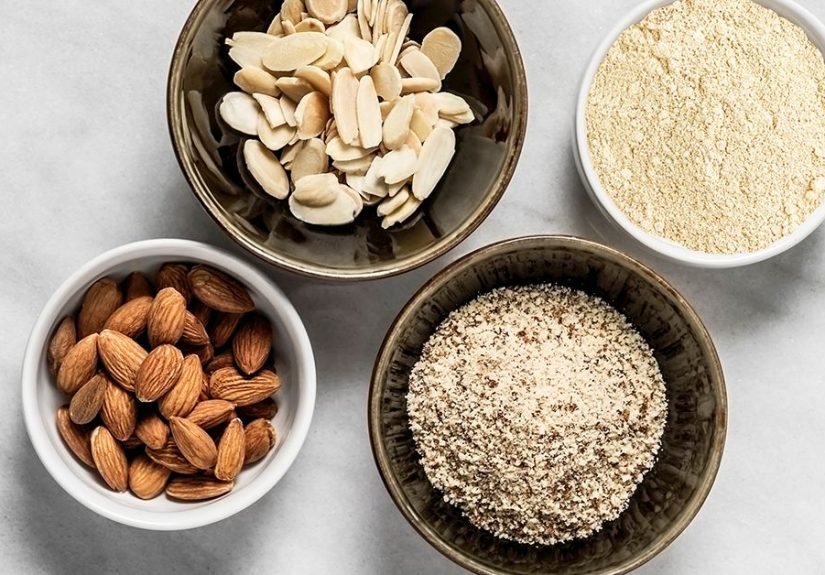
Almond flour is typically made from blanched almonds (skins removed) and is
usually ground finer. It’s pale, soft, and tends to create a more delicate crumb in baked goods.
Almond meal is generally made from unblanched almonds (skins on), so it’s often
coarser, more rustic-looking, and speckled brown. It can add a heartier texture and a slightly
more pronounced nutty flavor.
The biggest practical differences come down to: skins (on vs. off) and grind (coarse vs. fine).
How Almond Flour and Almond Meal Are Made
Almond Flour: Blanched, Ground, Often Sifted
Blanched almonds are almonds with their skins removed. Commercial almond flour is commonly made by blanching
(briefly heating to loosen skins), removing the skins, then grinding and often sifting into a fine powder.
That “extra refined” process is a big reason almond flour looks lighter and behaves more consistently in delicate baking.
Almond Meal: Whole Almonds, Skins Included
Almond meal is usually made by grinding whole almonds with the skins still on. That skin brings color and tiny flecks,
and it can make the grind slightly more textured. Some brands grind fairly fine; others lean intentionally coarse.
So while “meal” often implies “chunkier,” the label isn’t always a guarantee of particle size.
A Helpful Reality Check: Labels Aren’t Always Strict
Here’s the mildly annoying truth: some companies use “almond flour” as a catch-all term even when the almonds are not blanched.
That’s why the smartest move is to look for words like blanched, unblanched, skin-on,
super-fine, or even check the color through the bag if you can.
Texture, Color, and Flavor: What Changes (and Why)
Color
Almond flour is typically pale cream to light beige. Almond meal is usually tan with brown specks (those are the skins).
If your goal is a “wedding-cake-white” crumb, almond meal will fight you. If you’re going for rustic, cozy,
“I bake with sweaters on” vibes, almond meal is right at home.
Texture
Almond flour is generally finer and can blend more seamlessly into batters and doughs. Almond meal tends to be a bit
grittier and can contribute a slightly more textured bite. That bite can be delightful in muffins, quick breads,
streusels, and crustsless delightful in ultra-smooth, fussy bakes.
Flavor
Both taste like almonds (shocking, I know). But skins can add a slightly more robust, “nutty” impression.
In most recipes, the flavor difference is subtle; the bigger difference is mouthfeel and appearance.
Nutrition: Are They Meaningfully Different?
Nutritionally, almond meal and almond flour are very similar because they’re both… almonds. You’ll typically see:
healthy unsaturated fats, plant protein, and fiber. The differences are usually modest and come mostly from the skins.
Why Almond Meal Can Have Slightly More Fiber (and Micronutrients)
Because almond meal includes the skins, it often contains a bit more fiber and may retain slightly more of certain
naturally occurring compounds found in the skin. That doesn’t make almond flour “less healthy”just a little more refined.
The Bigger Nutrition Story: Portion Size and Goals
Almond-based flours are calorie-dense (nuts pack energy). They’re popular in gluten-free, paleo, and lower-carb baking because
they’re not grain-based. But your best “which should I buy?” decision is usually about the recipe’s texture and structure,
not a microscopic nutrition showdown.
How They Behave in Baking (and Why Recipes Care)
1) No Gluten = Different Structure
Wheat flour has gluten-forming proteins that help trap air and build stretchy structure. Almond meal and almond flour do not.
So almond-based baking often relies more heavily on eggs, starches,
or binders (like psyllium husk or xanthan gum) to prevent crumbling and help with lift.
2) Higher Fat Content = Moist, Tender, Sometimes “Heavy”
Ground almonds bring fat, which can create a moist, tender crumb. That’s great for muffins, snack cakes, brownies,
and tender cookies. But it can also mean baked goods brown faster and can feel dense if the recipe isn’t designed for it.
3) Particle Size Changes Crumb and “Smoothness”
Finer almond flour tends to produce a smoother crumb and more uniform appearanceuseful for delicate cakes, macarons,
and refined pastries. Almond meal’s coarser particles can add pleasant texture but may reduce “fine” lift and smoothness
in very delicate bakes.
4) Skins Affect Color and Sometimes Perception
Skins don’t just add speckles; they also slightly darken baked goods. That matters when you want a pale sponge or pristine
macaron shells. In banana bread? Nobody cares. In a French patisserie moment? Suddenly everyone cares.
Best Uses for Almond Meal vs. Almond Flour
When Almond Flour Shines
- Macarons (smooth shells, consistent texture)
- Delicate cakes and tea cakes where appearance matters
- Soft cookies where you want a finer crumb
- Gluten-free baking blends that expect a fine grind
- Light breading where you don’t want visible specks
When Almond Meal Is the Better Pick
- Rustic muffins, quick breads, and hearty snack loaves
- Crumb toppings and streusel where texture is a feature
- Crackers and crusts where a bit of grit is welcome
- Breading for chicken, fish, tofu, or veggies (adds crunch and color)
- Energy bites and no-bake mixes where “fine pastry perfection” is not the assignment
A Quick Visual Cheat Sheet
| Feature | Almond Flour | Almond Meal |
|---|---|---|
| Skins | Usually removed (blanched) | Usually included (unblanched) |
| Color | Pale, uniform | Tan with brown flecks |
| Texture | Typically finer | Often coarser |
| Best for | Delicate baking | Rustic texture, crusts, breading |
| Swap potential | Sometimes (depends on recipe) | Sometimes (watch texture + color) |
Can You Substitute Almond Meal for Almond Flour (or Vice Versa)?
Often: yes. Always: no. (Cooking loves nuance. Sorry.)
Usually Safe to Swap
- Quick breads and muffins
- Brownies and bar cookies
- Pancakes and waffles
- Crusts (pie crusts, tart shells, cheesecake crusts)
- Breading for savory dishes
Be Careful (or Don’t Swap) In
- Macarons (they’re picky on a spiritual level)
- Ultra-light sponge cakes
- Recipes that specify super-fine blanched almond flour
- Anything where a smooth, pale crumb is the whole aesthetic
How to Swap Without Regret
If you’re substituting almond meal for almond flour in a delicate bake, try these tricks:
- Pulse and sift almond meal to make it finer (don’t overdo it or you’ll get almond butter).
- Expect a darker result because of the skins.
- Watch moisture: a coarser grind can feel slightly “thirstier” in some batters.
If you’re substituting almond flour for almond meal, the recipe may turn out a bit more uniform and slightly less textured,
which is usually a happy problem to have.
Shopping Tips: What to Look for on the Bag
1) “Blanched” vs. “Unblanched”
This is the clearest label clue. “Blanched” usually means skins are off (more like almond flour). “Unblanched” usually means
skins are on (more like almond meal). If your recipe cares about color and finesse, prioritize blanched.
2) “Super-Fine” or “Finely Ground”
Particle size is a huge performance factor. For macarons or delicate cakes, super-fine matters. For crusts and breading, coarse can be great.
3) Look Through the Window (If There Is One)
If it looks pale and uniform, you’re likely holding blanched almond flour. If it looks speckled and tan, you’re probably holding almond meal
(or an unblanched almond flour).
4) Watch for “Almond Powder”
Some brands use “almond powder” to describe very fine, blanched ground almonds. If you’re following a recipe written by a pastry-leaning author,
“powder” often hints at the finer stuff.
How to Make Almond Meal or Almond Flour at Home (Without Making Almond Butter)
Homemade versions can work beautifullyespecially for breading, crusts, and quick bakes. The main challenge is fat: almonds are oily,
and the line between “fine flour” and “congratulations, you made nut butter” is thin and slippery.
DIY Almond Meal (Skin-On)
- Start with raw almonds (skins on).
- Pulse in a food processor in short bursts.
- Stop when it looks like a coarse sand or cornmeal texture.
DIY Almond Flour (Blanched)
- Use blanched almonds (skins removed) or blanch and peel your own.
- Pulse briefly, then sift for a finer result.
- Re-pulse only the larger bitscarefully.
Pro Tips to Avoid Almond Butter
- Work in small batches so the almonds don’t heat up.
- Pulse, don’t run the machine continuously.
- Freeze almonds for 20–30 minutes first to help reduce smearing.
Storage: Keeping Almond Flour and Almond Meal Fresh
Because they’re made from nuts, both almond flour and almond meal contain fats that can go rancid over time,
especially in warm or humid conditions. If you bake frequently and finish a bag quickly, a cool pantry might be fine.
If you bake occasionally, storing in the fridge or freezer can help preserve flavor longer.
- Pantry: Best if you’ll use it soon; keep sealed and away from heat.
- Fridge: Helps slow rancidity; bring to room temp if clumping bothers you.
- Freezer: Great for long-term storage; use airtight packaging to avoid moisture and freezer odors.
FAQ: Quick Answers to Common Questions
Is almond flour the same as ground almonds?
Sometimes. “Ground almonds” can refer to either blanched or skin-on almonds. If the recipe is delicate (macarons, airy cakes),
aim for blanched, fine almond flour unless it explicitly says otherwise.
Can I replace all-purpose flour with almond flour 1:1?
Usually not. Almond flour behaves very differently (no gluten, more fat). Many recipes are designed specifically for almond flour
or use it as a partial substitute. For best results, follow a recipe developed for almond flour or a tested blend.
Why did my almond flour cake turn out dense?
Common culprits: not enough leavening, not enough structure (eggs/binders), overmixing a batter that relies on whipped eggs,
or using a coarser grind than the recipe expects. Also, almond-based batters can be heavier by naturethink “moist and tender” more than “fluffy and tall.”
Which is better for keto or gluten-free baking?
Both can work. Almond flour is often preferred for smoother texture, while almond meal is great for rustic bakes and breading.
Your “best” choice depends on the recipe and the texture you want.
Final Takeaway
Almond meal and almond flour come from the same place (almonds), but they’re not identical. Almond flour is typically blanched and finer,
which makes it better for delicate, smooth-textured baking. Almond meal is usually skin-on and often coarser, which makes it fantastic
for rustic bakes, crusts, and crunchy coatings.
When in doubt, match what the recipe asks forespecially for finicky pastries. But for muffins, pancakes, crusts, and everyday cookies,
you can often swap with minimal drama (and maybe a few extra speckles).
Kitchen Experiences: What You’ll Notice in Real Life (Extra )
Let’s talk about what actually happens when almond meal and almond flour leave the label claims behind and meet the heat of your oven.
In real kitchens, the differences usually show up in three places: the first bite, the crumb, and
the look. And yes, sometimes in the “why is this falling apart?” moment too.
The Cookie Test: Chewy vs. Rustic
In a basic almond-flour cookie (think soft, chewy centers), using finely ground blanched almond flour tends to produce a smoother dough
that spreads more evenly. The cookie looks uniform, like it got a little spa treatment. Swap in almond meal, and you’ll often see a slightly
more textured surfacetiny speckles and a heartier bite. Some bakers love that because it feels more “homemade” (in the best way),
and the cookie can taste a touch nuttier. But if the recipe is already borderline crumbly, almond meal’s coarser grind can push it over
the edge unless there’s enough egg or binder to hold it together.
Pancakes and Waffles: The “Thirst” Factor
With pancakes, almond flour often blends into the batter like a polite guest: it doesn’t demand attention, and it makes the texture tender.
Almond meal can behave like the friend who shows up hungry and raids your fridgecoarser particles can absorb liquid differently, so batters
sometimes feel thicker after resting. The fix is usually simple: let the batter sit for a few minutes, then loosen with a splash of milk
if it tightens up. The payoff is a slightly more substantial pancake with a pleasant, toasty grain.
Crusts: Almond Meal’s Crunchy Flex
For pie crusts, tart shells, and cheesecake bases, almond meal can be an MVP. Those tiny skin-on flecks and slightly bigger particles add
texture that reads as “nutty crust” rather than “soft cake.” If you’re making a press-in crust, almond meal can feel sturdier and more
intentionalespecially when paired with butter and a pinch of salt. Almond flour, on the other hand, gives a finer, more cohesive crumb
that can feel more delicate. If your goal is crisp edges and a little crunch, almond meal often delivers that “toasty” vibe more naturally.
Breading: Where Almond Meal Quietly Wins
If you’ve ever breaded chicken cutlets or roasted cauliflower with almond meal, you’ve probably noticed it browns beautifully and adds
a satisfying crunch. Almond flour can work too, but it’s finer, so it can look more like a thin dusting than a crunchy coating unless you
mix it with something textured (like grated Parmesan or crushed pork rindsketo folks, I see you). Almond meal’s coarser grind gives you
that audible “crisp” moment when you bite in. If your goal is crunch, almond meal is often the easier win.
Delicate Bakes: The Macaron Reality Check
Macarons are where almond flour earns its reputation. Many bakers learn the hard way that “close enough” is not a macaron-approved strategy.
Super-fine blanched almond flour helps produce smoother shells and a more consistent batter. Almond meal may still taste good, but the shells
can come out bumpier, darker, or less uniform. If you want macarons that look like they belong in a pastry case, use the fine blanched flour,
sift it, and accept that macarons are basically a delicious exam you didn’t study for.
What Most People Conclude After a Few Batches
The common pattern is this: bakers keep almond flour on hand for refined baking and recipes that care about uniformity,
and keep almond meal for crusts, breading, and anything where rustic texture is a feature, not a flaw. Once you start
treating them as two useful tools instead of two confusing twins, baking gets easierand your “why is it speckled?” moments drop dramatically.





 Close
Close