
Table of Contents >> Show >> Hide
- Why Hidden Sugar Is So Easy to Miss
- 7 Foods With More Sugar Than You Think
- How to Spot Added Sugar on Food Labels
- Common Names for Added Sugar
- Simple Swaps to Reduce Sugar Without Ruining Food
- Does Natural Sugar Count?
- Who Should Pay Extra Attention to Hidden Sugar?
- Real-Life Experience: Learning Where Sugar Was Hiding
- Conclusion
Note: This article is written in standard American English for web publishing and is based on current U.S. nutrition guidance, food-label standards, and reputable health information.
Sugar is a little like glitter: once it gets into your life, it shows up everywhere. You expect it in cupcakes, soda, candy, and that suspiciously perfect donut sitting in the office break room like it pays rent. But the real surprise is how often sugar hides in foods that look responsible, wholesome, and practically ready to teach a yoga class.
The phrase foods with more sugar than you think does not mean every item on this list is “bad.” Food is not a cartoon villain wearing a cape made of corn syrup. The problem is that many everyday products contain added sugars that are easy to overlook, especially when the packaging uses comforting words like “natural,” “made with fruit,” “low-fat,” “whole grain,” or “protein-packed.” Those words may be true, but they do not automatically mean low sugar.
In the United States, the Nutrition Facts label separates total sugars from added sugars, which is a huge help. Total sugars include naturally occurring sugars, such as lactose in milk or fructose in fruit. Added sugars are put into foods during processing or preparation, including sugar, syrups, honey, and concentrated fruit juices. For a 2,000-calorie daily diet, the Daily Value for added sugars is 50 grams. The American Heart Association recommends an even tighter daily limit: about 25 grams for most women and 36 grams for most men.
That means a “healthy” breakfast, a “light” lunch, and a “just a little sauce” dinner can quietly stack up. Let’s pull back the curtain on seven common foods that often contain more sugar than people expectand how to make smarter choices without turning your pantry into a nutrition courtroom.
Why Hidden Sugar Is So Easy to Miss
Hidden sugar works because it does not always taste like dessert. It can balance acidity in tomato sauce, make low-fat yogurt taste creamy, help granola clusters stick together, soften bread, and give bottled dressings that sweet-salty restaurant flavor. Food companies know sugar is not just sweet; it is useful.
The tricky part is that added sugar can appear under many names, including cane sugar, brown rice syrup, dextrose, maltose, corn syrup, evaporated cane juice, fruit juice concentrate, agave, molasses, and honey. Yes, honey counts as added sugar when it is added to a packaged food. It may sound like it came wearing a flower crown, but your body still treats it as sugar.
7 Foods With More Sugar Than You Think
1. Flavored Yogurt
Yogurt has a health halo so shiny it could guide ships through fog. It offers protein, calcium, probiotics in some varieties, and a creamy texture that feels like a responsible snack. But flavored yogurt can also contain a surprising amount of added sugar, especially fruit-on-the-bottom, dessert-inspired, whipped, or kid-focused varieties.
A single container of flavored yogurt may contain enough sugar to make it closer to a soft dessert than a plain dairy snack. Some of that sugar is natural lactose from milk, but the rest may come from cane sugar, syrups, fruit preparations, or sweetened toppings. The label tells the real story: look at “Added Sugars,” not just “Total Sugars.”
The smarter move is not necessarily to abandon yogurt. Choose plain Greek yogurt or plain regular yogurt, then add your own fruit, cinnamon, nuts, or a small drizzle of honey if you want sweetness. This gives you control instead of letting a strawberry swirl make decisions on your behalf.
2. Granola and Granola Bars
Granola sounds like something eaten by people who hike at sunrise and own reusable everything. It can be made with oats, nuts, seeds, and dried fruit, which are all perfectly respectable ingredients. But many granolas and granola bars use added sugars to create crunch, clusters, chewiness, and that “just one more handful” effect.
Sugar in granola can come from brown sugar, cane syrup, honey, maple syrup, rice syrup, chocolate chips, sweetened dried fruit, or yogurt-style coatings. The result is that a small serving can carry more added sugar than expected. And yes, the serving size matters. Many people eat granola by the bowl, while the label may count a serving as a modest sprinkle.
For a better choice, compare brands and look for options with more fiber and protein than sugar. Use granola as a topping instead of the main event. A few tablespoons over plain yogurt or oatmeal can add crunch without turning breakfast into a cookie wearing hiking boots.
3. Breakfast Cereal
Cereal is one of the great shape-shifters of the grocery aisle. It can be marketed as a kid’s treat, a heart-healthy breakfast, a whole-grain powerhouse, or a nostalgic comfort food that tastes like Saturday morning cartoons. The problem is that even cereals with grown-up packaging can contain a notable amount of added sugar.
Words like “multigrain,” “fortified,” “made with real fruit,” or “excellent source of vitamins” do not guarantee low sugar. A cereal can contain whole grains and still be sweetened heavily. Dried fruit pieces may also add concentrated sweetness, and frosted flakes of any kind usually did not get frosted by accident.
When shopping, check the added sugars per serving and remember that many people pour more than one serving into the bowl. Look for cereals with whole grains listed first, at least a few grams of fiber, and a lower added sugar number. If a lower-sugar cereal tastes too plain, add sliced banana, berries, or nuts. Your breakfast should not require a sugar crash by second period, first meeting, or whenever life begins asking questions.
4. Bottled Salad Dressing
Salad dressing is one of the sneakiest sugar delivery systems because it enters the meal under the banner of vegetables. You may be sitting there, proud of your leafy greens, while a sweet dressing is quietly doing jazz hands in the background.
Many bottled dressings, especially French, raspberry vinaigrette, honey mustard, poppy seed, sweet onion, balsamic glaze-style dressings, and some “light” versions, contain added sugar. Low-fat dressings can be especially tricky because when fat is reduced, sugar is sometimes used to improve flavor and texture.
The serving size is usually two tablespoons, but many people pour freely. That can quickly double or triple the added sugar, along with sodium and calories. For a lower-sugar option, choose dressings with little or no added sugar, or make a simple version at home using olive oil, vinegar or lemon juice, mustard, garlic, pepper, and herbs. Homemade dressing takes about a minute and makes you feel like the kind of person who has their life together, even if your laundry says otherwise.
5. Pasta Sauce
Tomatoes naturally have some sugar, but jarred pasta sauce can include added sugar to soften acidity and create a smoother flavor. That does not mean every pasta sauce is loaded with sugar, but it does mean the label deserves a glance before you build spaghetti mountain.
Sweetness can hide in marinara, tomato basil, roasted garlic, vodka sauce, pizza sauce, and even sauces that taste more savory than sweet. Some brands keep added sugar low, while others use several grams per serving. And pasta sauce servings can be optimistic. A half-cup may be listed as one serving, but many plates receive a far more generous red blanket.
To cut back, choose sauces labeled “no added sugar” or compare added sugar grams between brands. You can also make a quick sauce with canned crushed tomatoes, garlic, olive oil, basil, oregano, and a pinch of salt. If the sauce tastes too sharp, simmer it longer or add grated carrot for natural sweetness. Your pasta does not need to moonlight as dessert.
6. Ketchup and Barbecue Sauce
Condiments are tiny, confident, and often sugar-heavy. Ketchup tastes tangy, but it commonly contains added sugar or corn syrup. Barbecue sauce can be even sweeter, especially styles designed to be sticky, glossy, and caramelized. In other words, deliciousbut not exactly sugar-free.
The issue is portion creep. A tablespoon of ketchup may not seem like much, but fries, burgers, meatloaf, eggs, or sandwiches can invite multiple squeezes. Barbecue sauce can add up even faster when used as a marinade, glaze, dipping sauce, and “just one more brush” at the grill.
Look for lower-sugar ketchup, no-sugar-added ketchup, or barbecue sauces with less added sugar per serving. Mustard, salsa, hot sauce, vinegar-based sauces, and fresh herbs can also add flavor with less sugar. You do not have to break up with condiments. Just stop letting them move in rent-free.
7. Smoothies and Bottled Fruit Drinks
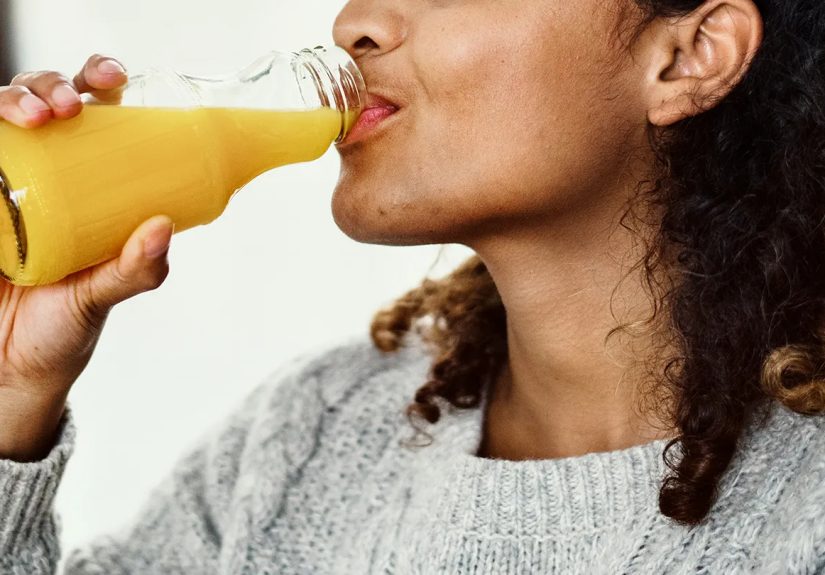
Smoothies can be nutritious, especially when made with whole fruit, vegetables, protein, and no added sweeteners. But bottled smoothies, juice blends, and fruit drinks can contain a lot of sugar, sometimes from fruit juice concentrates, sweetened yogurt, sorbet, flavored syrups, or large amounts of fruit without the fiber balance you would get from chewing whole produce.
Even 100% fruit juice contains natural sugar and lacks much of the fiber found in whole fruit. Fruit drinks, fruit cocktails, and “juice beverages” may contain added sugars as well. The packaging may show cheerful oranges and berries, but the label is where the truth clocks in.
For a smarter smoothie, build it at home with whole fruit, leafy greens, plain yogurt or milk, protein if needed, and no added sugar. Keep portions reasonable. A smoothie should be a snack or meal component, not a 32-ounce fruit parade with a straw.
How to Spot Added Sugar on Food Labels
The best way to identify hidden sugar is to read the Nutrition Facts label. Start with the serving size, because every number on the label depends on it. Then check “Total Sugars” and “Includes Added Sugars.” The added sugar line is the key for packaged foods.
A product with 5% Daily Value or less of added sugar per serving is generally considered low. A product with 20% Daily Value or more is high. That does not mean you can never eat it, but it helps you understand whether the food is an everyday choice or an occasional treat wearing a respectable outfit.
Common Names for Added Sugar
Added sugar does not always introduce itself politely. Here are common ingredient-list names to watch for:
- Cane sugar
- Brown sugar
- Corn syrup
- High-fructose corn syrup
- Dextrose
- Maltose
- Sucrose
- Honey
- Agave nectar
- Molasses
- Maple syrup
- Fruit juice concentrate
- Brown rice syrup
When several of these appear in one ingredient list, the product may contain more sugar than it seems at first glance. Manufacturers may use multiple sweeteners for flavor, texture, or recipe balance. Your job is not to memorize every sugar alias like you are studying for a detective exam, but recognizing the usual suspects helps.
Simple Swaps to Reduce Sugar Without Ruining Food
Cutting back on added sugar does not require a dramatic pantry purge. Start with realistic swaps. Choose plain yogurt and add fruit. Pick lower-sugar cereal and boost flavor with cinnamon. Use granola as a topping. Select pasta sauce with no added sugar. Measure salad dressing once or twice so your eyes learn what two tablespoons actually looks like. Try mustard, salsa, or vinegar-based sauces instead of sweet condiments.
Small changes work because sugar intake is cumulative. You may not notice one tablespoon of sweet dressing, one flavored yogurt, or one granola bar. But by evening, those choices can add up like tiny financial charges on a subscription you forgot to cancel.
Does Natural Sugar Count?
Natural sugar in whole fruit, plain dairy, and vegetables comes packaged with nutrients such as fiber, vitamins, minerals, water, and sometimes protein. That makes it different from added sugar in candy, sweet drinks, and many processed foods. Whole fruit, for example, usually takes longer to eat and is more filling than juice.
Still, portion size matters. Dried fruit, juice, and large smoothies can concentrate natural sugars. The goal is not to fear fruit; it is to understand form. An apple is not the same experience as a giant apple juice. One requires chewing. The other disappears before your brain has finished opening the “snack received” email.
Who Should Pay Extra Attention to Hidden Sugar?
Most people benefit from being aware of added sugar, but it is especially important for those managing blood sugar, dental health, weight goals, heart health, or overall diet quality. Parents may also want to check children’s snacks, yogurts, drinks, cereals, and bars, since sweetened foods can become everyday habits quickly.
This does not mean every meal must be perfect. A practical pattern matters more than one snack. Reading labels, comparing brands, and choosing unsweetened versions more often can make a major difference over time.
Real-Life Experience: Learning Where Sugar Was Hiding
The funny thing about hidden sugar is that most people do not discover it during a dramatic health makeover. They discover it on an ordinary Tuesday, standing in the grocery aisle, squinting at a label like it just insulted their ancestors. That moment usually starts with one innocent product. Maybe it is a yogurt that looks wholesome. Maybe it is a granola bar with mountains on the wrapper. Maybe it is a bottle of barbecue sauce that has been living in the fridge longer than some houseplants.
One common experience is realizing that breakfast can become the sweetest meal of the day without ever involving pancakes or syrup. A bowl of cereal, flavored yogurt, bottled coffee, and a “healthy” bar can create a sugar stack before the morning has even found its shoes. None of those foods seems outrageous alone. Together, they can push added sugar much higher than expected.
Another relatable moment happens with salads. People often build a beautiful bowl of greens, grilled chicken, avocado, tomatoes, and cucumbers, then finish it with a dressing that contains added sugar near the top of the ingredient list. The salad is still nutritious, but the dressing changes the math. The same thing happens with stir-fry sauces, marinades, and bottled glazes. The food tastes savory, so sugar is not the first suspect. Sugar, however, is sneaky enough to wear a soy sauce disguise.
Families also notice hidden sugar when shopping for kids. Products marketed for children often lean sweet because kids like sweet flavors and because sweetness can make foods seem more exciting. Yogurt tubes, fruit snacks, breakfast bars, flavored milk, and cereals may look convenient, but labels can vary widely. Once parents start comparing, they often find lower-sugar versions that still work for lunchboxes and after-school snacks.
The most helpful strategy is not perfection. It is pattern recognition. After reading a few labels, you begin to know which categories deserve attention. Yogurt? Check. Granola? Check. Sauce? Definitely check. Drinks? Always check. Once that habit forms, grocery shopping gets easier. You do not need to panic over every gram; you simply become harder to fool.
Another useful experience is retraining taste buds slowly. When someone switches from sweetened yogurt to plain yogurt overnight, the first spoonful may taste like disappointment wearing a lab coat. But adding berries, cinnamon, vanilla extract, or chopped nuts makes the transition easier. After a few weeks, heavily sweetened versions may taste almost too sweet. Taste buds are adaptable little employees; they complain at first, then update the system.
The same gradual approach works for drinks. A person who loves sweet tea or bottled smoothies may start by mixing half sweetened and half unsweetened tea, or by making smaller smoothies with whole fruit and protein. Over time, the lower-sugar option becomes normal. That is the secret: do not make your diet feel like punishment. Make it feel like better editing.
Restaurants and takeout add another layer. Sauces, dressings, glazes, and drinks are often where extra sugar sneaks in. Asking for dressing on the side, choosing unsweetened beverages, or using less sauce can reduce added sugar without changing the entire meal. It is a small move, but small moves repeated often become a lifestyle.
Perhaps the biggest lesson is that awareness beats guilt. Finding sugar in unexpected foods does not mean you have been “doing everything wrong.” It means food marketing is clever, taste is powerful, and labels are worth reading. Once you understand where added sugars hide, you can choose when sweetness is worth it. Dessert after dinner? Maybe yes. A sugar-loaded sauce you barely notice? Maybe not.
Conclusion
Hidden sugar is not limited to candy and soda. It often shows up in flavored yogurt, granola, cereal, salad dressing, pasta sauce, condiments, smoothies, and fruit drinks. These foods can still fit into a balanced diet, but the key is knowing what you are eating instead of letting the front of the package do all the talking.
To reduce added sugar, read the Nutrition Facts label, compare brands, watch serving sizes, and choose plain or unsweetened versions more often. Keep sweetness where you truly enjoy it. Life is too short for accidental sugar, especially when the barbecue sauce is the one throwing the party.





 Close
Close