
Table of Contents >> Show >> Hide
- What Is the Revive Electric Kitchen Composter?
- How the Revive Electric Kitchen Composter Actually Works
- Features That Make the Revive Appealing
- What Can You Put in the Revive?
- How Well Does It Perform?
- Where the Revive Falls Short
- Is the Revive Worth Buying?
- Best Ways to Use the Output
- Final Verdict
- Real-World Experiences With the Revive Electric Kitchen Composter
If your kitchen trash can has ever smelled like a science fair project that went emotionally off the rails, the Revive Electric Kitchen Composter will sound very appealing. It promises to take the soggy parade of banana peels, coffee grounds, eggshells, and dinner leftovers and turn them into a dry, far less offensive material you can use around plants or add to a larger compost setup. That is a pretty bold sales pitch for a countertop appliance, especially one living in the same room as your morning coffee and your fragile patience.
So, is the Revive Electric Kitchen Composter actually useful, or is it just another shiny gadget trying to romance eco-conscious shoppers with the word “sustainable”? The honest answer sits somewhere between “surprisingly practical” and “please do not expect wizard-level compost magic.” This machine does a lot of things well. It reduces food waste volume, helps control odors, and makes indoor composting easier for people without a backyard pile. But it also comes with limits, and those limits matter if you care about real compost, plant health, and value for money.
This guide takes a clear, realistic look at the Revive Electric Kitchen Composter, how it works, where it shines, where it stumbles, and who will get the most use from it. Consider this the no-nonsense, no-marketing-confetti version of the story.
What Is the Revive Electric Kitchen Composter?
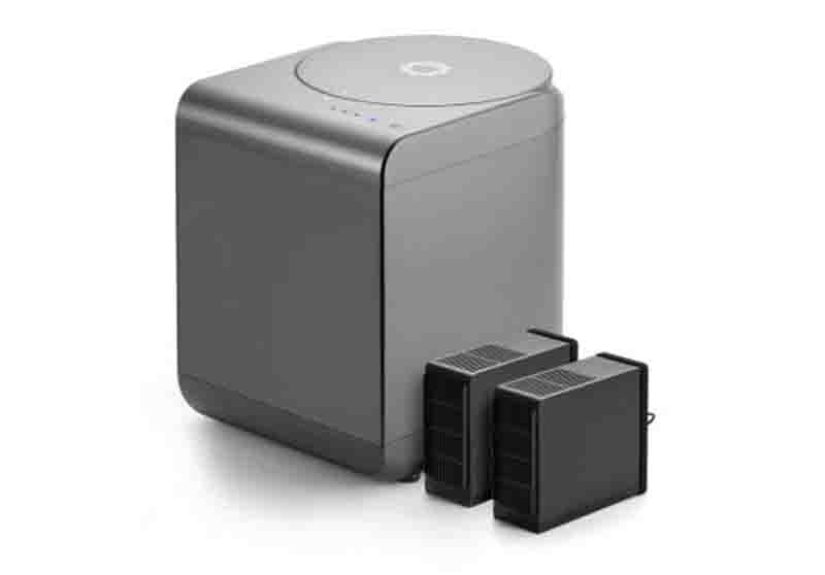
The Revive Electric Kitchen Composter is a compact electric kitchen composter from Airthereal. It is designed to sit on a countertop or tuck into a cabinet, and it handles everyday kitchen scraps in a relatively simple way: heat them, dry them, grind them, and reduce them into a much smaller volume. In practical terms, that means yesterday’s vegetable trimmings stop acting like future trash and start behaving more like manageable plant food.
The machine is aimed at people who want an indoor composting solution without building a backyard pile, managing worms, or becoming the neighborhood’s unofficial leaf-hoarding expert. Its appeal is obvious for apartment dwellers, small households, busy families, and anyone who wants less stink and less mess around food waste.
On paper, the Revive looks friendly enough: a 2.5-liter capacity, one-button operation, odor-reducing filter system, a dishwasher-safe inner bucket, and a fast cycle that can finish in a few hours. That combination puts it in the growing category of countertop composters and food recyclers designed for convenience first. In other words, it is less “homesteader with pitchfork” and more “weekday dinner cleanup with a power cord.”
How the Revive Electric Kitchen Composter Actually Works
The Revive does not compost in the classic backyard sense. That distinction matters. Traditional composting depends on microbes, oxygen, moisture, carbon-rich browns, and time. Sometimes lots of time. The Revive speeds things up by using heat and grinding blades to remove moisture and shrink scraps into a dry, crumbly output.
That means the machine is best understood as a food recycler or grinder-and-dryer, not a magic box that creates fully matured compost identical to what you would scoop from a healthy outdoor pile. The end product can still be useful. It can be top-dressed around plants, blended into soil carefully, or added to an outdoor compost pile where microbes can finish the job. But it is not the same as rich, biologically active compost that has fully broken down over time.
This is one of the biggest misunderstandings in the electric kitchen composter market. The Revive is good at reducing waste and making scraps more manageable. It is not a shortcut that erases the laws of decomposition just because the lid locks and the machine hums confidently.
Features That Make the Revive Appealing
1. A genuinely manageable size
The Revive Electric Kitchen Composter is built for normal kitchens, not fantasy kitchens with endless counter space and no toaster. Its 2.5-liter capacity is modest, which is both a strength and a limitation. For one or two people, or for a household that cooks regularly but not dramatically, it feels reasonable. For a large family that generates a mountain of prep scraps every night, it may feel more like a snack-sized solution to a buffet-sized problem.
Still, the compact footprint makes the machine approachable. Many buyers do not need industrial power. They need something that can handle the day’s coffee grounds, onion skins, vegetable peels, fruit scraps, and a few leftovers without demanding its own ZIP code.
2. Easy daily operation
The simple control setup is one of the Revive’s strongest selling points. You add scraps, close the lid, press the button, and let the machine do its thing. There is very little learning curve. That matters because the best composting appliance is not the one with the fanciest app. It is the one you will actually use on a Wednesday night when you are tired, the sink is full, and the cutting board still smells faintly of garlic.
For beginners, this ease of use can make food waste reduction feel less like a lifestyle overhaul and more like a realistic household habit.
3. Odor control that makes indoor composting believable
Indoor composting falls apart quickly if the kitchen starts smelling like a forgotten lunchbox. The Revive addresses that with carbon-filter odor control and by drying scraps instead of letting them sit wet for days. That is a meaningful advantage over a basic countertop scrap bin, which can work well but often needs frequent emptying to stay civilized.
In real homes, odor control is not a bonus feature. It is the whole game. If a kitchen compost machine cannot control smells, it becomes décor with trust issues. Revive’s filter system is one reason the appliance has earned attention from buyers looking for a low-drama food waste solution.
4. Cleanup is refreshingly normal
A dishwasher-safe bucket is the kind of feature that sounds boring until you live without it. Food waste appliances get grimy. Bits stick. Oils coat surfaces. Moisture turns yesterday’s noble sustainability effort into today’s cleaning chore. The Revive’s removable inner bucket makes cleanup less annoying than it could be, and that alone improves its day-to-day value.
You still have to clean it regularly, especially if you run wet scraps or let residue build up. But it is not a maintenance nightmare, which is more than some kitchen gadgets can say for themselves.
What Can You Put in the Revive?
For most households, the Revive can handle the basics very well. Think soft fruit and vegetable peels, coffee grounds, tea bags, eggshells, withered greens, and many common prep scraps. It can also process some harder-to-love items in smaller amounts, including starches and certain meat scraps, as long as you are not asking it to digest your entire roast dinner in one heroic batch.
The best strategy is variety. Mix wetter scraps with drier ones. Combine sugary foods with fibrous peels or vegetables. Drain obvious liquid before loading the bucket. These small habits improve the result and reduce the chance of clumping.
Where users get into trouble is treating the machine like a tiny garbage disposal with delusions of grandeur. Large beef or pork bones, big fruit pits, pools of oil, sticky candy-like waste, and overly wet or overly sugary loads are poor choices. Hard shells and very tough items can also be rough on the nonstick bucket and the machine’s grinding system.
In short, the Revive likes kitchen scraps, not kitchen chaos.
How Well Does It Perform?
For the right user, performance is where the Revive Electric Kitchen Composter makes its case. Its strongest win is volume reduction. Food waste that would otherwise sit in a trash can getting smellier by the hour becomes a dry, lightweight material that is easier to store, transport, or use in the garden. That is not glamorous, but it is deeply practical.
Cycle time is another selling point. The brand promotes a quick cycle around four hours, and real-world use suggests that runtime can vary depending on how full the bucket is and how wet the contents are. That is normal for machines in this category. A load of airy vegetable peels behaves differently than a dense, wet mix of leftovers and fruit scraps. The point is not that the machine works with stopwatch precision. The point is that it processes scraps much faster than a traditional compost pile.
Noise matters too. Many buyers worry that a countertop composter will sound like a jet engine preparing for takeoff beside the fruit bowl. Fortunately, the Revive tends to land in the “noticeable but not outrageous” category. It is usually better suited to everyday indoor use than the average person expects. That makes it more realistic for open-plan kitchens, apartments, and homes where people would like sustainability without an audio soundtrack of doom.
Where the Revive Falls Short
The biggest limitation is conceptual. If you buy the Revive Electric Kitchen Composter expecting finished, microbe-rich compost that is immediately equivalent to mature backyard compost, you are likely to feel misled. The machine creates a useful output, but it is not the same thing as traditional compost. That is not a flaw unique to Revive; it is a broader issue across many electric composting appliances.
The second limitation is capacity. A 2.5-liter bucket is fine for smaller households and light-to-moderate waste. It is less ideal for serious cooks, large families, or anyone who meal-preps like they are feeding a summer camp. If your kitchen produces piles of scraps daily, you may need multiple runs or a larger alternative.
The third issue is that the output still requires thought. You need a plan for it. Maybe you sprinkle small amounts around garden beds. Maybe you add it to an outdoor pile. Maybe you blend it into soil carefully. But if you do not garden and do not have access to a compost system, the machine can solve the trash problem while leaving you with a new “what exactly do I do with this now?” problem.
That is not a deal breaker. It is just reality in a nice-looking shell.
Is the Revive Worth Buying?
For many shoppers, yes. The Revive Electric Kitchen Composter earns its value by being simpler and more affordable than some premium indoor composting competitors while still delivering the thing most people care about: less smelly trash and less food waste heading straight to the garbage. If you want an electric kitchen composter that is relatively easy to use, easy to clean, and compact enough for everyday life, the Revive makes a lot of sense.
It is especially attractive for people who:
live in apartments or condos, hate food-waste odor, cook often enough to generate scraps, want a countertop composter without subscription-style costs, and prefer a straightforward machine over a tech-heavy ecosystem.
It is less ideal for people who:
want genuine finished compost from the appliance alone, generate very high volumes of scraps, need smart notifications, or are unwilling to manage the output thoughtfully after each cycle.
So yes, it can be worth it. But it is worth it for the right reasons. Buy it as a food waste reduction tool and an indoor composting helper. Do not buy it as a magical garden dirt printer.
Best Ways to Use the Output
The smartest approach is to treat the Revive’s finished material like a helpful intermediate product. A light top-dressing around outdoor plants can work well. Adding it to a larger backyard compost pile is even better, because that is where the real microbial finishing work can happen. If you already compost outdoors, the Revive becomes a convenient pre-processing step that cuts odor, moisture, and bulk before scraps ever reach the pile.
You can also mix small amounts into soil, but moderation matters. Dumping a full batch into one potted plant is not “feeding the plant.” That is more like assigning it a stressful chemistry project. Small amounts, blended thoughtfully, are the better move.
If you want a more traditional compost result, pair the machine’s output with proper composting basics: greens balanced with browns, airflow, and moderate moisture. Compost is still a biological process. The Revive simply helps you get to the starting line faster and with less smell.
Final Verdict
The Revive Electric Kitchen Composter is a useful, realistic countertop composter for people who want to reduce food waste without building their daily routine around compost management. It is compact, simple, and effective at drying and grinding scraps into a far less offensive form. It helps keep smells down, cuts waste volume dramatically, and makes indoor composting more accessible to normal households.
Its biggest weakness is also the category’s biggest weakness: language. Machines like this are often discussed as if they create finished compost in a neat little miracle cycle. The Revive does not quite do that. What it does do is still valuable. It gives busy people a cleaner, faster, more manageable way to keep food scraps out of the trash and move them one step closer to useful garden material.
If your goal is cleaner waste handling, easier kitchen composting, and less guilt every time you peel a potato, the Revive is a smart buy. If your goal is true compost with zero follow-up, you may want to adjust your expectations before your banana peels do it for you.
Real-World Experiences With the Revive Electric Kitchen Composter
In real kitchens, the experience of using the Revive Electric Kitchen Composter is usually less dramatic than the marketing and more satisfying than the skepticism. The first thing many people notice is not the output. It is the absence of the usual mess. Instead of a damp bowl of scraps sitting by the sink, attracting fruit flies like it is hosting a tiny all-you-can-eat buffet, the waste goes into a contained bucket. That alone changes how the kitchen feels. Prep scraps become part of a system instead of part of the scenery.
A typical routine might start with coffee grounds in the morning, vegetable peels at lunch, and onion skins, eggshells, and herb stems by dinner. By bedtime, the bucket has a respectable mix of the day’s organic odds and ends. Press the button, let the machine run overnight or through the evening, and the next day the material is dry, lighter, and far less offensive than what went in. That is where the Revive feels most useful. It does not just reduce waste. It reduces the “ugh” factor around waste.
There is, however, a learning curve. Many users quickly discover that the machine prefers balance. Throw in a load that is too wet, too sugary, or too starchy, and the result can be clumpier than expected. Mix those scraps with drier, fibrous material, and things usually go better. Over time, people develop their own rhythm: drain wet leftovers, break large scraps into smaller pieces, avoid the hard troublemakers, and do not overfill the bucket just because optimism is having a strong day. Like most good kitchen habits, success comes from repetition more than brilliance.
Another common experience is that the Revive changes what “taking out the trash” means. Households that use it regularly often find the garbage smells less, the bag lasts longer, and the kitchen feels cleaner between trash days. That is a bigger quality-of-life improvement than it sounds. Food waste is one of the most unpleasant parts of ordinary home cooking, and anything that makes it less gross has real value. People who garden also tend to appreciate having a dry, easy-to-handle material they can sprinkle lightly into beds or add to an outdoor compost pile later.
Perhaps the most honest real-world takeaway is this: the Revive Electric Kitchen Composter works best for people who want progress, not perfection. It does not replace the biology of traditional composting, and it does not eliminate the need to think about what happens to the output. But it does make food waste easier to live with. For apartment residents, small-space cooks, and busy households trying to waste less without becoming full-time compost philosophers, that can feel like a genuine upgrade. And in the glamorous world of kitchen cleanup, a machine that makes scraps less smelly, less bulky, and less annoying is not a gimmick. It is a quiet little victory.







 Close
Close