
Table of Contents >> Show >> Hide
- Why diet gets trickier when you have both CKD and diabetes
- The “Two-Label Rule” for shopping (it’s not sexy, but it works)
- 5 foods to avoid (or seriously limit) with kidney disease and diabetes
- 1) Sugar-sweetened beverages (soda, sweet tea, lemonade, “juice drinks”)
- 2) Processed meats (bacon, sausage, deli meats, hot dogs)
- 3) Instant meals and salty packaged foods (ramen, frozen dinners, chips)
- 4) Foods with phosphate additives (including dark colas and many ultra-processed “cheesy” foods)
- 5) High-potassium foods in mega-portions (and potassium-based salt substitutes)
- “Okay… what can I eat then?” A kidney- and diabetes-friendlier approach
- Label-reading cheat sheet for CKD + diabetes
- Practical examples: small changes that make a big difference
- FAQ: quick answers people actually search for
- Conclusion
- Real-life experiences and lessons people share (to make it easier to live with)
Managing diabetes and kidney disease at the same time can feel like trying to drive a car while also rebuilding the engine.
Your blood sugar wants steady fuel, your kidneys want fewer “extra” minerals and less salt, and your taste buds want… literally anything fried.
The good news: you don’t need a joyless “air-and-ice-cubes” diet. You just need a smarter filterbecause your kidneys are already working overtime.
This guide breaks down five food categories that commonly cause trouble for people with chronic kidney disease (CKD) and diabetesespecially diabetic kidney disease.
You’ll also get practical swaps, label-reading tricks, and real-life strategies to make the plan stick (without turning your kitchen into a chemistry lab).
Why diet gets trickier when you have both CKD and diabetes
Diabetes can damage the tiny blood vessels in your kidneys over time, reducing how well they filter waste and balance minerals.
When kidney function declines, your body may struggle to handle sodium (salt), potassium, and phosphorus.
At the same time, diabetes care still depends on keeping carbohydrates consistent and avoiding blood sugar spikes.
Translation: a “heart-healthy” food might be too high in potassium for your labs, and a “diabetic-friendly” snack bar might be loaded with phosphorus additives.
That’s why the best diet for CKD and diabetes is personalizedbased on your kidney stage, medications, and lab results.
If you’re on dialysis or have abnormal potassium/phosphorus levels, your needs can be very different than someone in early-stage CKD.
Quick safety note: This article is educational and not a substitute for medical advice. Work with your nephrologist and a renal dietitian,
especially if you’ve had high potassium, swelling/edema, heart rhythm issues, or rapid changes in kidney function.
The “Two-Label Rule” for shopping (it’s not sexy, but it works)
When you’re dealing with kidney disease and diabetes, you need to read:
(1) the Nutrition Facts panel and (2) the ingredient list.
The Nutrition Facts panel tells you about sodium, added sugars, carbs, and sometimes potassium.
The ingredient list is where you catch sneaky phosphorus additivesoften hiding in plain sight.
- Watch sodium: Many people with CKD are advised to limit sodium, often around 1,500–2,300 mg/day depending on their situation.
- Watch added sugars: Sugary foods and drinks can spike glucose and worsen overall metabolic stress.
-
Watch “PHOS” ingredients: Words like phosphoric acid, disodium phosphate, pyrophosphate,
or anything with “phos” can add highly absorbable phosphorus.
5 foods to avoid (or seriously limit) with kidney disease and diabetes
1) Sugar-sweetened beverages (soda, sweet tea, lemonade, “juice drinks”)
If there’s one category that’s a near-universal “nope,” it’s sugary drinks. They deliver a big glucose hit with almost no nutrition,
and they don’t make you feel fullso it’s easy to drink hundreds of calories and still want dinner.
For kidney health, sugary beverages can also encourage weight gain, worsen blood pressure, and crowd out healthier hydration.
And some sodasespecially darker colasmay contain phosphorus additives (more on that in #4).
Common culprits: regular soda, sweetened iced tea, fruit punch, “juice cocktails,” energy drinks, sweet coffee drinks.
Kidney- and glucose-friendlier swaps:
- Water with lemon/lime or cucumber
- Unsweetened iced tea (add a splash of lemon instead of sugar)
- Sparkling water (check labelsavoid those with added sugars)
- Coffee with cinnamon or vanilla extract instead of flavored syrups
Real talk: If you’re used to sweet drinks, your taste buds will protest for a week or two. Then they calm down.
Taste buds are dramatic like that.
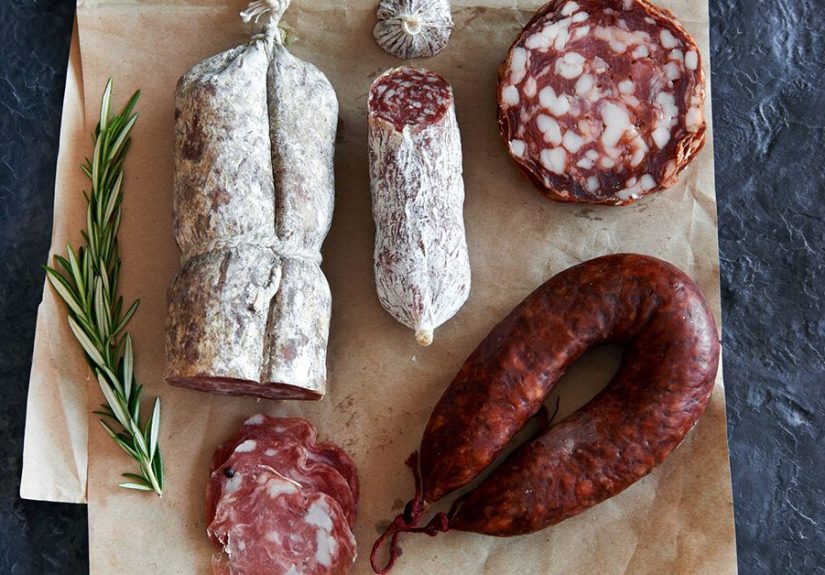
2) Processed meats (bacon, sausage, deli meats, hot dogs)
Processed meats are like a “triple threat” for CKD + diabetes: they’re often high in sodium,
may contain phosphate additives, and can be high in saturated fat.
Sodium can drive fluid retention and blood pressuretwo things kidneys generally do not appreciate.
Also, processed meats are easy to overeat because they’re convenient: a sandwich here, a breakfast burrito there,
a “quick snack” that turns into half a pack of deli turkey. It adds up.
Common culprits: pepperoni, salami, bacon, ham, lunchmeat, jerky, canned meats.
Smarter swaps:
- Fresh, unprocessed proteins in appropriate portions (chicken, fish, eggsbased on your diet plan)
- Lower-sodium tuna or salmon (watch sodium and portion size)
- Plant proteins in measured portions if your plan allows (tofu, beansdepends on potassium/phosphorus labs)
- Homemade sliced chicken breast for sandwiches instead of deli meat
Label tip: If “phosphate” shows up in the ingredients, it’s a sign to put it back on the shelf and walk away like you didn’t see it.
3) Instant meals and salty packaged foods (ramen, frozen dinners, chips)
Convenience foods can be a lifesaver on busy days, but many are loaded with sodium and refined carbstwo things that can make blood pressure and glucose harder to manage.
Some packaged foods also contain phosphorus additives, which are more absorbable than the phosphorus naturally found in foods.
“But I only eat ramen occasionally.” Sure. And “occasionally” sometimes means “every weekday when life is chaotic.”
No judgmentjust math.
Common culprits: instant noodles, boxed rice mixes, frozen entrées, canned soups, chips, crackers, flavored popcorn.
Smarter swaps that still feel convenient:
- DIY “fast food” bowl: microwavable cauliflower rice + sautéed veggies + a measured portion of protein
- Low-sodium soup (check labels carefully) plus a side salad
- Air-popped popcorn with herbs (not a salt blizzard)
- Crunch craving fix: sliced cucumber, bell pepper strips, or a small portion of unsalted nuts (if allowed)
Portion trick: If you’re going to eat a salty snack, pour a portion into a bowl. Don’t eat straight from the bag unless you enjoy surprise math.
4) Foods with phosphate additives (including dark colas and many ultra-processed “cheesy” foods)
Phosphorus matters because kidneys help keep it in balance. When kidney function drops, phosphorus can build up in the blood.
Elevated phosphorus is associated with bone and cardiovascular problems in CKD, so many renal plans focus on limiting itespecially
the kind added to processed foods, which the body absorbs more readily.
The tricky part: phosphorus isn’t always listed clearly on the Nutrition Facts label.
It often shows up in the ingredient list as additives.
Common culprits:
- Dark colas (often contain phosphoric acid)
- Processed cheeses and “cheese products”
- Packaged baked goods, pancake mixes, and some frozen foods (leavening agents can include phosphates)
- Enhanced meats (some “seasoned” or “pre-marinated” meats include phosphate additives)
How to spot it fast: scan ingredients for “PHOS” (phosphoric, phosphate, polyphosphate, pyrophosphate).
Smarter swaps:
- Seltzer or infused water instead of cola
- Real foods over “product foods” (think: simple ingredients you recognize)
- Homemade sauces and seasoning blends (you control salt and additives)
5) High-potassium foods in mega-portions (and potassium-based salt substitutes)
Potassium is essential for heart and muscle function, but in CKD it can rise too high if the kidneys can’t clear it well.
High potassium (hyperkalemia) can be dangerous, affecting heart rhythm. That said, not everyone with CKD needs to restrict potassiumespecially in earlier stages.
This is where lab results and your clinician’s advice matter most.
When potassium does need limiting, the “gotcha” foods are often things we call healthybecause they are healthy for many people.
For you, it may be about portion size, frequency, and preparation.
Common culprits (when potassium is high): bananas, oranges/orange juice, potatoes, tomatoes/tomato sauce, avocados, dried fruits, spinach, coconut water.
Extra sneaky culprit: salt substitutes made with potassium chloride. These can raise potassium quickly.
Smarter swaps (depending on your plan):
- Lower-potassium fruits/veggies (often berries, grapes, apples, cabbage, cauliflowerask your dietitian for a tailored list)
- Use herbs, garlic, lemon, vinegar, pepper, and salt-free seasoning blends instead of potassium salt substitutes
- If your plan allows potatoes, ask about “leaching” methods (soaking/double-cooking) that can reduce potassiumhelpful but not a free pass
“Okay… what can I eat then?” A kidney- and diabetes-friendlier approach
Instead of building meals around “don’ts,” build around a few “do’s”:
steady carbs, controlled sodium, and minimal additives.
Many people do well with a plate that looks like:
- Non-starchy veggies (choose based on potassium needs)
- A measured portion of protein (type and amount depend on CKD stage and whether you’re on dialysis)
- A smart carb portion (again, individualizedsome whole grains may be limited in later CKD due to mineral content)
- Healthy fats in moderate amounts (olive oil, small portions of nuts/seeds if allowed)
Label-reading cheat sheet for CKD + diabetes
- Sodium: aim for lower-sodium options; compare brandsdifferences can be huge.
- Added sugars: limit; watch for multiple sugar sources (syrups, honey, fructose, dextrose).
- Ingredients: avoid frequent “PHOS” additives; choose foods with simple ingredient lists.
- Serving size: the label is only truthful if you eat the serving size (yes, this is the part everyone hates).
Practical examples: small changes that make a big difference
Example #1: Swapping lunch meat sandwiches for a homemade chicken salad wrap (with herbs and lemon) can cut sodium dramatically.
Example #2: Switching from two regular sodas per day to sparkling water can remove a major source of added sugar and reduce phosphorus exposure from cola additives.
Example #3: Replacing instant noodles with a quick stir-fry using frozen vegetables (no sauce packet) and a measured portion of protein can lower sodium and keep carbs more predictable.
FAQ: quick answers people actually search for
Do I have to cut out fruit if I have diabetes and kidney disease?
Usually nobut you may need to pick fruits that fit your blood sugar plan and your potassium needs.
Whole fruit is generally better than fruit juice for glucose control. If potassium is high, your dietitian can help you choose lower-potassium fruits and portions.
Is “diabetic-friendly” food automatically kidney-friendly?
Not always. Some sugar-free or low-carb products are highly processed and may contain phosphate additives or a lot of sodium.
Always check the ingredient list and sodium content.
What’s the single best thing to do first?
If you want the biggest early win: cut sugar-sweetened beverages and reduce processed/packaged foods.
Those two changes often lower sugar spikes and sodium exposure quicklywithout requiring you to memorize every mineral in the universe.
Conclusion
With kidney disease and diabetes, the goal isn’t perfectionit’s lowering the daily “stress load” on your kidneys while keeping blood sugar steadier.
Start by limiting sugar-sweetened beverages, processed meats, salty convenience foods, phosphate-additive heavy products, and (if needed based on labs) high-potassium mega-portions and potassium salt substitutes.
Most importantly: get individualized guidance. A renal dietitian can help you build meals you’ll actually eat, while your care team uses labs to fine-tune potassium, phosphorus, and protein needs.
That’s where the real progress happensone grocery trip at a time.
Real-life experiences and lessons people share (to make it easier to live with)
When people first hear “kidney disease diet” plus “diabetes diet,” the emotional reaction is often: “So… I’m allowed to chew air and think about salad?”
In reality, most people find the transition hardest not because the food is impossible, but because habits are stubborn.
Here are a few common experiences patients and caregivers talk aboutand how they work around them.
The “my food tastes boring now” phase (Week 1–2)
Cutting back on sodium and processed foods can make meals taste flat at first. Many people realize their taste buds were trained by salt and flavor boosters.
A common strategy is to replace salt with brightness:
lemon juice, vinegar, garlic, pepper, smoked paprika, fresh herbs, and salt-free seasoning blends.
People often report that after a couple of weeks, foods start tasting better againand restaurant meals may even start tasting “too salty.”
That’s your taste buds recalibrating, not your personality changing (although you may become the person who complains about salty frieswelcome to the club).
Cravings hit hardest when you’re tired or rushed
Many people notice their “worst food choices” happen at predictable moments: late afternoon, after work, or when they’re stressed.
Instead of relying on willpower, a practical approach is to keep kidney- and glucose-friendlier convenience foods available:
pre-washed lettuce, chopped veggies, a simple protein option, and a fast carb option that fits their plan.
The goal is to make the better choice the easier choice.
“I switched to sugar-free drinks… and then my stomach got mad”
Some people do great with sugar-free beverages, while others feel bloated or uncomfortable depending on the sweetener and the amount.
A workaround many people like: reduce sweetness gradually and rotate optionsunsweetened tea, sparkling water, and plain water with citrus.
The “best” drink is the one you’ll consistently choose without spiking blood sugar or loading you with additives.
Lab results feel like a pop quiz you didn’t study for
People often say the hardest part is that the rules can change based on lab values.
Potassium may be fine for months, then suddenly it’s elevatedand foods you thought were “always healthy” become limited.
Many find it helpful to keep a simple running note after appointments:
Which labs are high? (potassium? phosphorus? A1C? blood pressure?)
Then they focus on the related food category for the next few weeks rather than trying to overhaul everything at once.
Social events are the hidden boss level
Parties, holidays, and restaurant meals are where sodium, sugar, and portion sizes can explode.
A common strategy is the “one decision” approach:
decide ahead of time what you’ll dolike ordering grilled protein with a simple side, skipping sugary drinks, or sharing a salty appetizer.
People also mention that talking to friends and family early helps:
“I’m not being picky. My kidneys just filed a complaint.”
Humor can make boundaries easier.
Small wins stack faster than you expect
People who succeed long-term often describe the same pattern: they focus on two or three changes that matter mostlike swapping drinks, reducing processed foods,
and controlling sodiumand let the rest evolve. Over time, these choices can make blood sugar steadier, blood pressure easier to manage, and labs more predictable.
The diet becomes less of a “restriction list” and more of a routine.
If you take only one thing from these experiences, let it be this: you don’t need to be perfect. You need to be consistent.
And if you slip? You’re humannot a failed science experiment. Reset at the next meal and keep going.







 Close
Close