
Table of Contents >> Show >> Hide
- What Makes an Open Kitchen Actually Work
- 36 Open Kitchen Ideas You Can Steal for Your Own Home
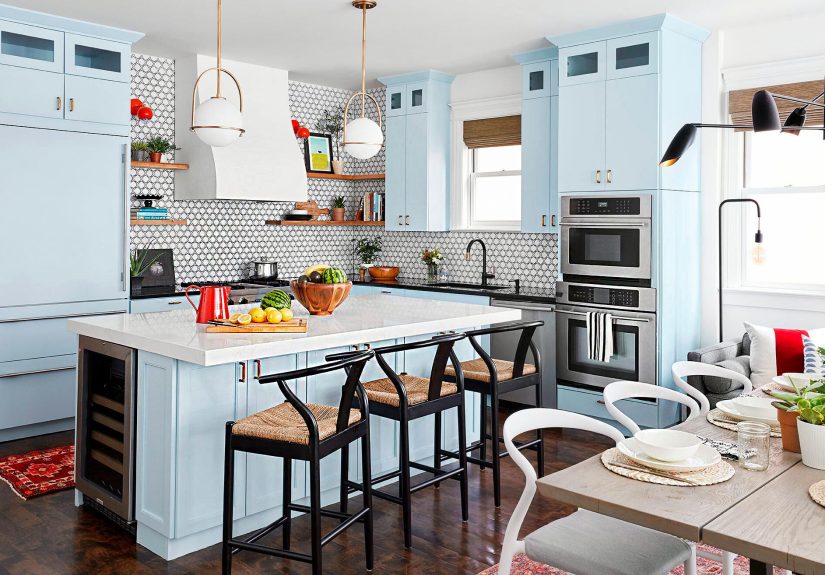
- 1. Use an island as the “social bridge”
- 2. Try a peninsula when an island won’t fit
- 3. Keep the work path out of the main walkway
- 4. Create a dedicated serving lane
- 5. Add a “landing strip” near the entry
- 6. Make seating flexible with backless stools
- 7. Use two islands for big entertaining kitchens
- 8. Build a “snack zone” away from the stove
- 9. Choose wide, deep drawers instead of extra uppers
- 10. Hide small appliances in an appliance garage
- 11. Go for a statement range hood
- 12. Prioritize venting to the outdoors
- 13. Layer lighting like you mean it
- 14. Put pendants on dimmers
- 15. Repeat materials to connect zones
- 16. Use a consistent floor (or a very deliberate contrast)
- 17. Add a rug runner (yes, even in the kitchen)
- 18. Use open shelving sparinglyand strategically
- 19. Install under-cabinet lighting for instant polish
- 20. Add a beverage fridge on the outer edge
- 21. Build a mini bar zone (even if it’s tiny)
- 22. Add extra outlets where people gather
- 23. Use a single-bowl sink if you entertain a lot
- 24. Consider a second prep sink for bigger kitchens
- 25. Choose easy-clean surfaces for real life
- 26. Extend the backsplash to the ceiling in key spots
- 27. Use a contrasting island color to define the kitchen
- 28. Add reeded glass or glass-front uppers for lighter walls
- 29. Create a pantry wall for “hidden” storage
- 30. Make the dining table part of the kitchen plan
- 31. Use furniture-style details to soften the kitchen
- 32. Add acoustic help if the space echoes
- 33. Use a ceiling treatment to zone the kitchen
- 34. Keep sightlines clean with a low-profile vent or downdraft (when appropriate)
- 35. Design a “guest perch” that isn’t in your way
- 36. Add one bold focal point so the open space feels intentional
- Quick Reality Check: Common Open-Kitchen Mistakes to Avoid
- 500+ Words of Real-World Open Kitchen Experiences
- Final Takeaway
An open kitchen is basically a stage. You cook, you chat, you snack, you “taste test,” you pretend you’re not
stressed about timing the pasta with the chicken with the guests who showed up early (because of course they did).
Done well, an open-concept kitchen makes everyday meals smoother and parties feel effortless. Done poorly, it’s a
grease-scented amphitheater where everyone watches you search for the can opener like it’s a live sport.
The goal is simple: keep the kitchen functional for real life (school mornings, weeknight chaos, meal prep),
while making it welcoming for people (bar stools, easy circulation, a spot to park a drink that isn’t your cutting board).
The ideas below balance layout, storage, lighting, materials, and “host mode” detailswithout turning your home
into a showroom you’re afraid to live in.
What Makes an Open Kitchen Actually Work
Think in zones, not just “open”
Open kitchens feel easy when they have clear zones: prep, cooking, cleanup, serving, and hanging out. Your layout
should let you move between zones without weaving through a crowd. If your main walkway cuts straight through your
cooking area, every dinner becomes a dodgeball game.
Plan for traffic and “spectator seating”
People love gathering near food. That’s not a design flawthat’s humanity. Give guests a place to perch that’s close
enough to feel included, but far enough to keep elbows away from knives and hot pans.
Don’t ignore sound and smell
In an open layout, the kitchen shares everything: light, noise, and the aroma of your legendary salmon… plus last night’s
garlic. Strong ventilation and layered lighting matter more in open kitchens because the kitchen is no longer “contained.”
36 Open Kitchen Ideas You Can Steal for Your Own Home
1. Use an island as the “social bridge”
An island gives you prep space and a face-forward position so you can cook while talking. Add seating on the living-room side,
and you’ve built the kitchen’s favorite gathering spot.
2. Try a peninsula when an island won’t fit
A peninsula delivers the benefits of an islandextra counter space, seating, separationwhile taking up less circulation room.
It’s a smart move in narrower or L-shaped spaces.
3. Keep the work path out of the main walkway
Position sink, stove, and fridge so you can cook without crossing the room’s primary “people highway.” If the route to the sofa
runs through your prep zone, plan on frequent traffic jams.
4. Create a dedicated serving lane
Carve out a counter run or island edge for plating, appetizers, or a buffet line. It keeps guests from clustering where you’re
actively cooking.
5. Add a “landing strip” near the entry
In open layouts, the kitchen often becomes the drop zone. A shallow cabinet run, a drawer for keys, or a counter corner for bags
prevents clutter from taking over your prep space.
6. Make seating flexible with backless stools
Backless stools tuck in neatly, keep sightlines open, and slide out fast when someone needs “just one more chair.”
7. Use two islands for big entertaining kitchens
If space allows, one island can be prep/cleanup and the other can be seating/serving. It separates “work” from “hang,” which is
basically the dream.
8. Build a “snack zone” away from the stove
Put the microwave, kid cups, or snack drawers on the outer edge of the kitchen so people can grab things without entering your
cooking lane.
9. Choose wide, deep drawers instead of extra uppers
Open kitchens look calmer with fewer upper cabinets. Deep drawers handle pots, pans, and pantry items while keeping the visual
“wall” lighter.
10. Hide small appliances in an appliance garage
Coffee makers and toasters are practical, but they can make open kitchens look messy fast. An appliance garage keeps counters
clean while still being easy to use.
11. Go for a statement range hood
In an open kitchen, the hood is often a focal point. A bold shape, plaster finish, or warm wood trim can anchor the roomand it
reminds everyone that ventilation isn’t optional.
12. Prioritize venting to the outdoors
Recirculating fans can’t compete with a properly vented hood when it comes to smoke and odor in an open plan. If you’re remodeling,
treat outdoor venting as a quality-of-life upgrade, not a luxury.
13. Layer lighting like you mean it
Use a mix: ambient (ceiling), task (under-cabinet), and accent (pendants). Open spaces need lighting layers so the kitchen doesn’t
turn into a bright spotlight while the living room sits in the dark.
14. Put pendants on dimmers
Task lighting for chopping; softer light for hanging out. Dimmers let the island switch from “prep station” to “cocktail hour”
without changing a single fixture.
15. Repeat materials to connect zones
In open concepts, cohesion matters. Match or echo finisheswood tones, metal, tile colorsacross kitchen, dining, and living areas
so it reads as one intentional space.
16. Use a consistent floor (or a very deliberate contrast)
Continuous flooring makes an open layout feel bigger and smoother. If you do a different floor in the kitchen, make the boundary
feel purposefullike a “rug effect,” not an accident.
17. Add a rug runner (yes, even in the kitchen)
A washable runner softens sound, adds color, and helps define the kitchen lane. In open plans, it can subtly “zone” the space
without walls.
18. Use open shelving sparinglyand strategically
A couple of open shelves can lighten the look and display everyday items. Keep it curated: think plates and glasses, not 14 mismatched
travel mugs and a lonely blender manual.
19. Install under-cabinet lighting for instant polish
Under-cabinet lighting makes counters more functional and creates a warm glow at nightperfect for open plans where the kitchen
is visible from everywhere.
20. Add a beverage fridge on the outer edge
A beverage fridge in the island end or a nearby cabinet run keeps guests (and kids) out of your main fridge and out of your cooking path.
21. Build a mini bar zone (even if it’s tiny)
A small tray, a cabinet for glasses, and a spot for bottles turns “Where’s the opener?” into “Help yourself.” It also keeps drinks
away from food prep.
22. Add extra outlets where people gather
Phones charge, laptops open, slow cookers plug in. In open kitchens, outlets near the island and perimeter counters make the space
function like the home’s command center.
23. Use a single-bowl sink if you entertain a lot
A larger single basin handles big pots and party cleanup. Pair it with a pull-down faucet, and cleanup becomes less of a wrestling match.
24. Consider a second prep sink for bigger kitchens
A prep sink on the island keeps the main sink free for dishes. It’s especially helpful when multiple people cook (or when someone “helps”
by standing directly in front of the faucet).
25. Choose easy-clean surfaces for real life
In open kitchens, mess is more visible. Durable countertops, wipeable paint, and practical backsplashes help you spend more time hosting
and less time scrubbing.
26. Extend the backsplash to the ceiling in key spots
A full-height backsplash behind the range looks dramatic and feels intentional in an open room. It can also visually “frame” the cooking zone.
27. Use a contrasting island color to define the kitchen
A different island finish can act like punctuation in an open plancreating structure without closing anything off.
28. Add reeded glass or glass-front uppers for lighter walls
If you want upper cabinets but hate the heavy look, glass doors can break up the wall mass. Use it for prettier items and keep the chaos
behind solid doors elsewhere.
29. Create a pantry wall for “hidden” storage
A tall cabinet wall (pantry, fridge, ovens) can keep clutter contained and leave the rest of the kitchen looking open and clean.
30. Make the dining table part of the kitchen plan
In open layouts, the table often functions as extra serving space and homework headquarters. Keep a clear path between table and kitchen,
and avoid crowding the chair pull-out zone.
31. Use furniture-style details to soften the kitchen
Legs on an island, a hutch-style pantry, or warmer wood accents help the kitchen blend with living spacesso it feels less “appliance store,”
more “home.”
32. Add acoustic help if the space echoes
Open plans can get loud. Rugs, upholstered stools, curtains, and even textured backsplashes reduce the clatter so conversation doesn’t feel
like shouting across a gym.
33. Use a ceiling treatment to zone the kitchen
A beam, a subtle change in ceiling height, or a different finish over the kitchen area can define space without building walls.
34. Keep sightlines clean with a low-profile vent or downdraft (when appropriate)
If you’re aiming for an ultra-open look, low-profile ventilation options can preserve views. Just make sure performance matches your cooking style
searing and frying demand serious ventilation.
35. Design a “guest perch” that isn’t in your way
A corner of the island, a small café table, or a window bench creates a place for company that’s closebut not underfoot. Your shins will thank you.
36. Add one bold focal point so the open space feels intentional
A standout light fixture, dramatic backsplash, or richly colored island gives the open plan a center of gravity. When everything is open,
one strong anchor makes the whole design feel “done.”
Quick Reality Check: Common Open-Kitchen Mistakes to Avoid
- Forcing an island with tight clearancesif it pinches traffic, it’s not worth it.
- Skipping task lightingpretty pendants alone won’t help you find the thyme.
- Underestimating storageopen kitchens need better “stuff control,” not less.
- Ignoring ventilationodors don’t respect your beautiful open sightlines.
500+ Words of Real-World Open Kitchen Experiences
People fall in love with open kitchens for the same reason they fall in love with a good party playlist: it sets the vibe without demanding
your full attention. In day-to-day life, an open kitchen makes cooking feel less like exile. You can keep an eye on homework at the table,
chat with someone on the sofa, and still stir the potliterally and conversationally. For families, that visibility can feel like a superpower.
You’re not cut off behind a wall; you’re part of the house’s heartbeat.
The first “aha” moment most homeowners describe is how the kitchen becomes a communication hub. A quick breakfast turns into a mini meeting.
Someone’s slicing fruit, someone’s scrolling for a recipe, someone’s asking where the clean forks are (again), and it all happens without anyone
leaving the room. That’s the upside of openness: you get connection for free. The funny part is that the same openness also means your kitchen’s
mood is always on display. If the counters are cluttered, it doesn’t just look like a messy kitchenit looks like a messy living room too. The
solution isn’t perfection; it’s systems. Deep drawers that actually make sense. A pantry zone where snacks don’t avalanche. A “drop spot” so mail
doesn’t become countertop confetti.
Entertaining in an open kitchen is where things get especially good. Guests naturally gravitate toward the island like it has its own gravity.
If your island has comfortable seating and a safe place to set a drink, people settle in and stay. Hosts often say they feel more relaxed because
they’re not disappearing every five minutes to check on food. You can plate appetizers while still laughing at the story happening across the room.
And when the party shiftsapps to dinner to dessertan open layout keeps flow smooth. Serving feels easier because the distance from prep to table
is shorter, and the “helpful friend” who wants to carry plates can jump in without navigating a maze of doorways.
The most common surprise? Noise. In an open plan, a blender is basically a concert. Dishwashers matter more, tooquiet models earn their keep
when the kitchen shares space with TV time. People also notice cooking smells faster. That’s why ventilation becomes a quality-of-life feature.
Homeowners who upgraded to a properly vented hood often describe it as the difference between “I cooked” and “I cooked and now my sofa smells like
I cooked.” Lighting is the other big lesson. Bright task lighting helps you cook safely, but without dimmers and layers, the kitchen can feel like a
spotlight while everyone else sits in a darker corner. The best open kitchens shift gears: bright when you need to work, warm and soft when you’re
lingering after dinner.
After living with an open kitchen for a while, many people end up caring less about trendy features and more about the small comforts: enough aisle
space to pass someone holding a sheet pan, a trash pull-out near prep, outlets exactly where you need them, and storage that keeps counters calm.
The win isn’t just a pretty roomit’s a kitchen that lets you cook faster, host easier, and still feel like you’re part of the fun instead of
running the show from backstage.






 Close
Close