
Table of Contents >> Show >> Hide
- Start With the Layout, Not the Shopping Cart
- 1. Divide the room into zones
- 2. Pick a focal point and build around it
- 3. Measure your viewing distance before you mount anything
- 4. Use furniture to define the room
- 5. Plan for traffic flow
- 6. Give VR enough breathing room
- 7. Use corners like they owe you money
- 8. Design for more than one kind of fun
- Make It Comfortable Enough for Long Sessions
- Level Up the Style and Personality
- Win the Storage Battle Before It Begins
- How to Pull the Whole Look Together
- Experiences That Prove a Great Game Room Changes Everything
If your dream game room currently looks like a folding chair, a tangled HDMI cable, and one very overworked power strip, do not worry. Great gaming spaces are not built by magic. They are built by smart layout choices, comfortable seating, lighting that does not make your screen look like the surface of the sun, and enough personality to make the room feel like your world.
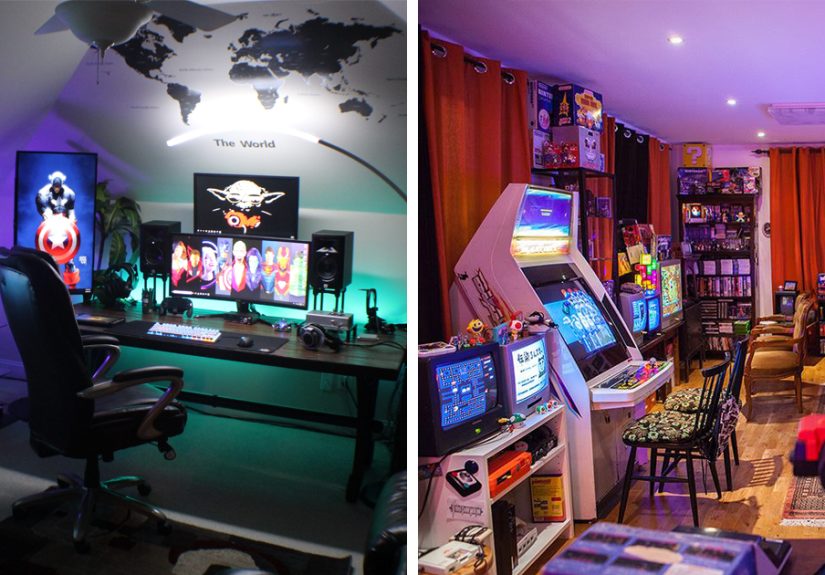
The best game room ideas are not just about buying cool stuff. They are about creating a room that works whether you are raiding with friends, hosting Mario Kart chaos, watching a movie, grinding ranked matches, or pretending you are “just testing” the simulator for five more minutes. From compact setups in spare bedrooms to full-blown basement gaming caves, the right design can make the space look polished, feel comfortable, and stay functional long after the new-controller smell fades.
Below are 32 game room ideas that blend style, comfort, storage, and serious playability. Some are big, dramatic, and worthy of a slow-motion reveal. Others are small upgrades that deliver an instant “why didn’t I do this sooner?” effect. Together, they can help turn a random room into the ultimate gamer room.
Start With the Layout, Not the Shopping Cart
1. Divide the room into zones
The most successful game room setup usually has clear zones. Create one area for console or PC gaming, another for lounging or spectating, and maybe a third for board games, snacks, or collectibles. Zoning keeps the room from feeling like a tech explosion and makes it easier for multiple people to use the space at once.
2. Pick a focal point and build around it
Every gaming room needs a star. Maybe it is an ultrawide monitor wall, a huge TV, a retro arcade machine, or a racing simulator. Pick that hero piece first, then arrange furniture, lighting, and storage around it. When the focal point is obvious, the whole room feels intentional instead of accidental.
3. Measure your viewing distance before you mount anything
A giant screen is fun. A giant screen mounted too high is neck-pain cosplay. Think through your seat height, eye line, and how far away your main chair or couch will sit. Good game room decor should still respect your spine. Your chiropractor does not need another side quest.
4. Use furniture to define the room
You do not always need walls to separate activities. A sectional, media console, open shelving unit, or area rug can define one section of the room from another. This is especially helpful in basements, bonus rooms, and open-concept spaces where a game room shares territory with a family room or home theater.
5. Plan for traffic flow
A dreamy gaming cave should be easy to move through. Leave room to walk behind chairs, get to storage, and reach consoles without performing a stealth mission. If people have to crab-walk around a beanbag and vault a basket of controllers to reach the sofa, your layout needs a second draft.
6. Give VR enough breathing room
If virtual reality is part of your plan, create a dedicated open area. Even a sleek gaming room can turn dangerous when someone in a headset forgets where the coffee table is. A clear floor area, wall-mounted accessories, and tucked-away cables help the room stay stylish and shin-safe.
7. Use corners like they owe you money
Corners are prime real estate in a game room. A corner desk can anchor a PC setup. A corner banquette can create a board game nook. A corner shelf can display collectibles without consuming the whole wall. When square footage is tight, corners stop being awkward and start being heroes.
8. Design for more than one kind of fun
The best game room ideas are flexible. Maybe the room hosts video games on Friday, poker on Saturday, and a movie marathon on Sunday. A multipurpose game room feels more valuable, gets used more often, and is easier to justify when someone asks why the basement now looks like a cool private lounge.
Make It Comfortable Enough for Long Sessions
9. Invest in seating you can survive
Looks matter, but comfort matters more. A beautiful chair that feels like sitting on a medieval apology is not the move. Choose seating based on how you actually play. Desk gamers may want a supportive ergonomic chair. Console players may prefer a deep lounge chair, recliner, or sofa with real back support.
10. Add layered lighting
One harsh overhead bulb can ruin a gaming room faster than lag. Use layers instead: ambient lighting for overall glow, task lighting near desks or shelves, and accent lighting behind screens, under shelves, or around wall panels. This gives the room atmosphere and lets you shift the vibe from competitive focus to cinematic chill.
11. Control glare like it is a final boss
Natural light is great until it bounces off your screen and turns every dark game into a guessing contest. Use curtains, shades, careful screen placement, and smart lamp positioning to reduce glare. Your room can still feel bright and stylish without making daytime gaming look like a solar event.
12. Keep the tech within easy reach
Put controllers, headphones, remotes, chargers, and handheld devices close to your main seat. A side table, rolling cart, or slim cabinet works wonders. Convenience is part of comfort. Nobody wants to stand up six times because the charging cable migrated to a mysterious location known only to the house gremlins.
13. Build in sound softness
Hard floors and bare walls can make a room echo like a tiny gymnasium. Add rugs, curtains, upholstered furniture, and soft wall treatments to calm the sound. This makes your game room feel richer, warmer, and more immersive, especially if you use surround sound or a speaker bar.
14. Manage the temperature
Gaming gear runs warm, and so do people during intense matches. A room that is too hot becomes miserable fast. Add a quiet fan, improve airflow, use blackout curtains to cut daytime heat, and avoid cramming hot equipment into sealed cabinets. A cool room keeps the energy up and the sweat level down.
15. Think about headset and speaker life
Not everyone wants the room shaking during every explosion. A smart gaming room gives you options. Create a sound setup that works for speakers, but also add a clean headset dock or stand. That way you can go full cinematic when appropriate and switch to private mode when the rest of the house values peace.
16. Keep posture in the plan
If your game room doubles as a desktop battlestation, pay attention to monitor height, desk depth, keyboard placement, and wrist support. A stylish gamer room should not slowly transform you into a human question mark. Comfort is not boring. Comfort is how you stay in the game without hating your neck.
Level Up the Style and Personality
17. Choose a theme, but do not turn it into a costume party
A theme helps the room feel cohesive, but subtlety wins. You can go retro arcade, futuristic neon, sports lounge, sci-fi bunker, fantasy tavern, or minimalist black-and-wood. The trick is to suggest the theme through color, texture, art, and lighting instead of making the room scream like a convention booth.
18. Use a strong color palette
Color gives your game room its mood. Dark charcoal, navy, forest green, and espresso brown create a cozy cave effect. Brighter accents like electric blue, crimson, purple, or lime add energy. If you want a room that feels modern and grown-up, keep the base palette simple and let the accessories do the flexing.
19. Add a statement wall
A single statement wall can transform an average gaming room into a memorable one. Try painted paneling, dark wallpaper, acoustic slats, a mural, framed posters, or even textured wall treatments. A statement wall creates depth and gives your setup a backdrop that looks great in person and in every accidental photo.
20. Display collectibles with restraint
Yes, your figures, helmets, signed gear, or vintage cartridges deserve love. No, they do not need to occupy every flat surface like a tiny plastic uprising. Use floating shelves, glass-front cabinets, or lit display niches so your collection feels curated. A little breathing room makes collectibles look more valuable and less chaotic.
21. Mix gaming gear with real decor
A polished game room works because it balances tech with home design. Pair monitors with framed art. Put a sleek lamp next to the console cabinet. Add throw pillows, a textured rug, or a warm wood side table. When gaming gear and traditional decor share the room, the result feels elevated instead of temporary.
22. Use lighting as decor
LED strips are not the only answer. Wall sconces, floor lamps, neon-style signs, shelf lighting, and dimmable smart bulbs can make the room feel layered and cinematic. The best gaming cave lighting does not just glow. It shapes the mood, highlights the architecture, and makes the whole room feel a little more expensive.
23. Go retro on purpose
If you love classic gaming, lean into it properly. Think arcade stools, checkerboard floors, old-school posters, vintage-inspired mini fridges, pixel art, and bold color blocking. A retro game room works best when it feels intentional and edited, like a cool throwback lounge, not a garage sale with excellent nostalgia.
24. Add one luxury touch
Every game room benefits from one “wow, okay” feature. Maybe it is a custom built-in cabinet, velvet blackout curtains, a hidden snack station, a really beautiful bar cart, or a dramatic ceiling light. One elevated design move can make the whole room feel custom, even if the rest of the budget was very much “be reasonable.”
Win the Storage Battle Before It Begins
25. Hide the cable jungle
Cable management is not glamorous, but it is the difference between sleek and scrambled. Use cord channels, under-desk trays, cable boxes, zip ties, and labeled plugs. Good cable management makes cleaning easier, helps the room photograph better, and removes the silent fear that one wrong step will disconnect civilization.
26. Use vertical storage
When floor space is limited, go up. Tall bookcases, stacked cubes, wall-mounted cabinets, pegboards, and floating shelves can hold games, accessories, and decor without crowding the room. Vertical storage is one of the smartest small game room ideas because it keeps everything visible, organized, and off the floor.
27. Pick furniture that stores things
Storage ottomans, lift-top coffee tables, console benches, and media cabinets can hide clutter while still doing regular furniture jobs. This is the kind of multitasking every gaming room needs. Especially in shared homes, hidden storage keeps the room from looking messy even when it is full of very necessary gaming nonsense.
28. Create a charging station
Controllers, handhelds, headsets, phones, tablets, and battery packs all need power. Give them one home base with labeled cords and dedicated docks. A charging station keeps the room tidy and saves you from the classic crisis of discovering every controller is dead exactly when guests arrive with competitive energy.
29. Store board games smarter
If your room includes tabletop gaming, think beyond stacking giant boxes into a cardboard avalanche. Use shelves sized for game boxes, bins for cards and pieces, and labels so people can actually find what they want. A smart storage system makes the room feel inviting instead of intimidating to anyone not fluent in shelf chaos.
30. Give snacks and drinks a real home
A compact snack cabinet, mini fridge, bar cart, or floating shelf for drinks can make your game room feel like a destination. This also reduces random cups on electronics, which is a sentence nobody wants to hear right before disaster. Snacks deserve dignity, and your console deserves a dry future.
31. Keep a quick-clean basket nearby
Sometimes the easiest organization trick is also the least glamorous. A basket or lidded bin for rogue controllers, charging cables, wrappers, notebooks, and coasters can save the room from visual chaos. It is not fancy, but neither is stepping on a loose battery pack at midnight.
32. Leave a little empty space
This may be the most underrated game room idea of all. Not every shelf needs filling. Not every wall needs decor. Not every corner needs a gadget. Empty space helps the room breathe, makes your favorite pieces stand out, and keeps your gaming cave from feeling crowded. In design, restraint is a superpower.
How to Pull the Whole Look Together
A great gaming room is not about stuffing every cool idea into one space. It is about choosing the right mix for the way you live. Some people want a dramatic, dark, immersive room with surround sound, blackout curtains, and a huge display. Others want a bright, flexible game room that can host kids, movie nights, board games, and casual hangouts. Both can work beautifully when the room is planned with purpose.
As you build your dream game room, think in layers: layout first, then comfort, then lighting, then storage, then style. That order matters. Start with function and the room will support your habits. Finish with personality and the room will feel unforgettable. When both pieces are in place, your gaming cave stops being just a room with equipment and becomes a space people actually want to spend time in.
Experiences That Prove a Great Game Room Changes Everything
The funny thing about building a game room is that the biggest payoff is not the furniture. It is the feeling. Before a room is finished, gaming often happens in borrowed corners of the house. A laptop lands on the dining table. The console lives under the living room TV. Headsets get shoved into drawers. Controllers wander off like they pay rent somewhere else. It works, technically, but it never feels like an experience. It feels temporary.
Then the room comes together, and the difference is immediate. You walk in, sit down, and suddenly the whole ritual changes. The chair is comfortable. The lighting is soft. The screen is at the right height. Your headphones are hanging where they should be. Your drink has an actual coaster, which is the kind of maturity no one warned you gaming could inspire. The room tells your brain, “Relax, you are here now.”
That shift matters even more when the space is shared. Friends come over and instantly know where to sit. Someone claims the sofa. Someone else hovers near the arcade cabinet. Another person starts flipping through the game shelf and says, “Wait, you have this one?” A good game room creates conversation without trying too hard. It becomes a social magnet, the place where people gather before anyone has even decided what to play.
There is also a surprising sense of calm that comes from a room designed for play. A well-planned gamer room can feel deeply organized, even if the games themselves are absolute chaos. The shelves make sense. The cables disappear. The clutter stops shouting. And when the room looks right, it becomes easier to enjoy the hobby without that low-grade stress of visual mess humming in the background.
For solo players, the experience can feel almost restorative. After a long day, stepping into a dedicated gaming cave feels different from collapsing onto a random chair in a random room. The environment supports the escape. The audio feels fuller. The lighting feels intentional. The room becomes a bridge between daily life and downtime, which is exactly what a good entertainment space should do.
And perhaps the best part is that no two successful game rooms feel exactly alike. One person’s dream setup is a sleek black-and-wood PC lounge with hidden storage and dim amber lighting. Another person wants a colorful retro arcade packed with vintage signs and candy drawers. Another wants a family-friendly bonus room with consoles, puzzles, a projector, and a big sectional for movie nights. The common thread is not the style. It is the feeling of arrival. The space fits the people who use it.
That is why the best game room ideas are never only about aesthetics. They are about creating a room that invites you in, supports the way you play, and still looks good when the game is off. Once you experience that kind of room, it is hard to go back to balancing a controller on the arm of the couch and calling it interior design.






 Close
Close