
Table of Contents >> Show >> Hide
- Why Download Voice Memos from an iPhone?
- Method 1: Download Voice Memos with AirDrop
- Method 2: Save Voice Memos to Files or iCloud Drive
- Method 3: Email, Message, or Upload the Memo to Yourself
- Which Download Method Is Best?
- Common Problems When Downloading Voice Memos from an iPhone
- A Quick Word About Cable Transfers and Older Guides
- Real-Life Experiences Downloading Voice Memos from an iPhone
- Conclusion
- SEO Tags
Note: This article is written for direct web publishing, uses standard American English, and removes any unnecessary citation markup or placeholder elements.
Your iPhone is great at many things: taking photos, distracting you with notifications, and quietly hoarding voice memos you meant to move three weeks ago. Maybe you recorded a lecture, an interview, a melody that felt Grammy-worthy at 1:12 a.m., or a grocery list so passionate it deserved an audience. Whatever the reason, sooner or later you may want to download those voice memos from your iPhone and save them somewhere safer, easier to edit, or less likely to vanish into your digital junk drawer.
The good news is that downloading voice memos from an iPhone is not complicated. The even better news is that you do not need to wrestle with an ancient syncing ritual like it is 2014. Today, the easiest methods are built right into the iPhone: sharing with AirDrop, saving to Files or iCloud Drive, and sending the recording to yourself through email, Messages, or another cloud app.
In this guide, you will learn three practical ways to download voice memos from an iPhone, when each method works best, what mistakes to avoid, and how to choose the fastest option for Mac and Windows users alike.
Why Download Voice Memos from an iPhone?
Before jumping into the how-to, it helps to answer the obvious question: why bother? After all, your recordings are already on your phone. But there are plenty of good reasons to move them elsewhere.
You may want to back up an important interview, edit audio on a computer, upload a recording to cloud storage, free up space on your iPhone, or share a memo with coworkers, classmates, or family members. Downloading voice memos also gives you more control over where your files live. That matters when a memo is too important to trust to one device and one battery percentage.
Most voice memos export in a common audio format, usually .m4a, which makes them easy to store, play, upload, and share. In some newer workflows, especially with advanced or layered recordings, Apple also allows additional export options so you can keep more editing flexibility when needed.
Method 1: Download Voice Memos with AirDrop
Best for: Fast transfers to a Mac or another Apple device
If you use a Mac, AirDrop is often the easiest way to download a voice memo from an iPhone. It is fast, wireless, and delightfully free of cables, passwords, and “Where did that file go?” energy.
AirDrop works especially well when you only need to move one file or a handful of recordings. It is also ideal for people who want their file on a Mac desktop immediately so they can edit it, rename it, organize it, or drag it into another app.
How to download a voice memo from iPhone using AirDrop
- Open the Voice Memos app on your iPhone.
- Tap the recording you want to download.
- Tap the More button, then tap Share.
- Select AirDrop.
- Choose your Mac or other Apple device from the list.
- Accept the transfer on the receiving device if prompted.
Once the file arrives on your Mac, you can move it to a folder, upload it to cloud storage, attach it to an email, or edit it in audio software. It is basically the digital equivalent of handing a note to yourself, except much less suspicious.
Why this method works so well
AirDrop is great because it feels almost instant. There is no need to open a browser, log into a service, or remember whether you ever set up iCloud Drive correctly. For Apple-to-Apple transfers, this is usually the cleanest method.
Things to watch out for
AirDrop is not helpful if you are sending the file to a Windows PC. It also depends on both devices being nearby, awake, and configured to receive AirDrop. If your Mac is hiding like a moody teenager and refusing to appear, check Wi-Fi, Bluetooth, and AirDrop visibility settings on both devices.
Method 2: Save Voice Memos to Files or iCloud Drive
Best for: Mac and Windows users who want flexible storage and easy downloading later
If you want a method that works across devices, Save to Files is your best friend. This option lets you export a voice memo from your iPhone into the Files app and place it in iCloud Drive or another supported location. From there, you can access and download the file from a Mac, a Windows PC, or even another mobile device.
This is the most flexible option because it does not trap you inside one ecosystem. Your voice memo stops being “that thing on your phone” and becomes a normal file you can actually manage like an adult.
How to save a voice memo to Files
- Open Voice Memos on your iPhone.
- Tap the recording you want.
- Tap the More button, then tap Share.
- Choose Save to Files.
- Select a location, such as iCloud Drive or On My iPhone.
- Tap Save.
After that, the memo becomes much easier to download elsewhere. If you saved it to iCloud Drive, you can open the Files app on a Mac or sign into iCloud in a web browser on a computer and download the file from there. If you saved it locally first, you can later move it into cloud storage or share it out as needed.
What about editable exports?
For most people, the default exported file is perfect. It is typically saved in .m4a format, which is compact and widely supported. However, if you are working with more advanced recordings, Apple may offer export options that preserve layers or editing flexibility. That is useful for creators, musicians, or anyone whose memo is doing more than capturing a reminder to buy oat milk.
Why this method is so useful
This method gives you control. Once the file is in Files or iCloud Drive, you can rename it, move it, duplicate it, organize it into folders, or download it onto just about any device you use regularly. It is also one of the best options for downloading voice memos from iPhone to Windows.
Potential drawbacks
If you are not already using iCloud Drive, you may need to take an extra moment to set it up. Also, if your internet connection is slow, cloud-based access can feel less instant than AirDrop. Still, for flexibility and long-term storage, this method is hard to beat.
Method 3: Email, Message, or Upload the Memo to Yourself
Best for: One-off downloads and quick sharing to any computer
This method is wonderfully simple. Instead of moving a voice memo into Files first, you can share it directly through Mail, Messages, or a cloud app like Dropbox or Google Drive. Then you download the file from the email, message thread, or storage service on another device.
It is the digital version of putting your own lunch in the office fridge with your name on it. Not glamorous, but effective.
How to email or message a voice memo to yourself
- Open Voice Memos.
- Select the recording you want to download.
- Tap More, then Share.
- Choose Mail, Messages, or another sharing app.
- Send the memo to yourself.
- Open that message or email on your Mac, PC, tablet, or other device.
- Download the attached audio file.
If you use a cloud app such as Dropbox or Google Drive, the process is similar. Choose the app from the share sheet, upload the file, and then download it from that service on your computer later.
When this method shines
This is perfect for quick transfers, especially if you only have one memo to move and do not feel like managing folders. It also works well when you are sending the file to someone else anyway. Two birds, one audio attachment.
What to keep in mind
Email attachments can be annoying with very large files, depending on the service you use. Messages can also feel messy if you are sending multiple recordings over time and later have to dig through a long thread to find the right one. For frequent downloads, Files or iCloud Drive is usually tidier.
Which Download Method Is Best?
The best way to download voice memos from an iPhone depends on what you need right now.
- Use AirDrop if you have a Mac nearby and want the fastest wireless transfer.
- Use Save to Files or iCloud Drive if you want flexible storage and easy access from multiple devices.
- Use Mail, Messages, or a cloud app if you want a quick one-time download without organizing anything first.
If you ask me, Save to Files is the best all-around method because it works well for both Mac and Windows users and makes long-term file organization easier. AirDrop wins the speed contest, while email wins the “I need this done in 20 seconds” contest.
Common Problems When Downloading Voice Memos from an iPhone
The share options do not appear
Try tapping the recording again to expand it fully, then open the share menu. If that still fails, close the app and reopen it. Sometimes iPhones need a tiny emotional reset.
AirDrop cannot find your Mac
Make sure Bluetooth and Wi-Fi are turned on for both devices. Also check that your Mac is set to receive AirDrop from the appropriate contacts or from everyone nearby.
You cannot find the downloaded file later
Rename the memo before or after exporting it. “New Recording 27” is not a file name; it is a cry for help. Use descriptive names like “Interview with Sarah March 2026” or “Biology Lecture Chapter 4.”
The file is too large for email
Use Files, iCloud Drive, Dropbox, or another cloud storage option instead. Large recordings are much happier in cloud storage than in email attachments.
You want the memo on a Windows PC
Your easiest route is usually saving to Files or iCloud Drive, then downloading it on the PC. Emailing the file to yourself is also an easy backup option.
A Quick Word About Cable Transfers and Older Guides
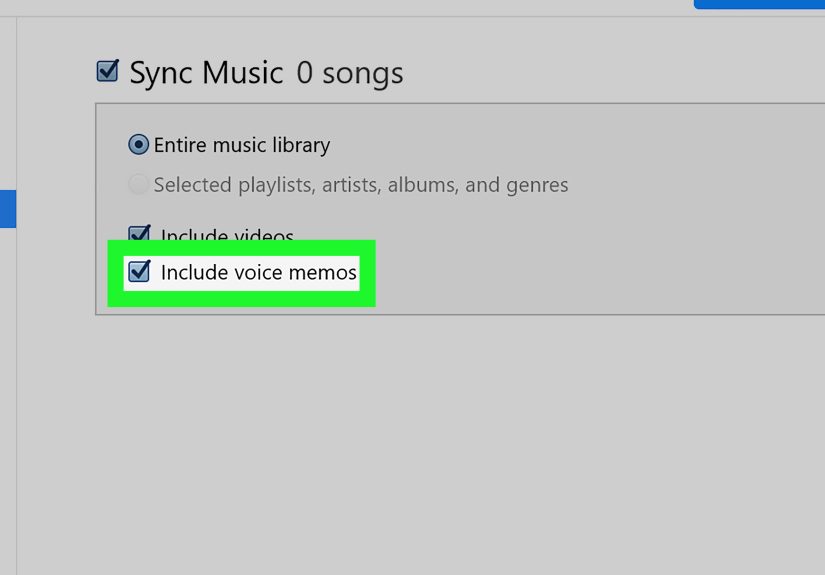
If you search the web, you may still see older tutorials that mention syncing voice memos through iTunes. Some of those instructions worked in earlier setups, and some legacy users still rely on them. But for most people today, they are not the easiest path.
Apple now pushes simpler workflows such as sharing recordings directly, saving them to Files, and keeping them available through iCloud across Apple devices. On Windows, Apple also uses the Apple Devices app for broader device management, but for Voice Memos specifically, the share menu and cloud-based methods are usually more straightforward and less frustrating.
In plain English: yes, older sync advice exists, but unless you enjoy troubleshooting software that behaves like it woke up on the wrong side of the decade, the three methods above are the better choice.
Real-Life Experiences Downloading Voice Memos from an iPhone
One of the most common experiences people have with voice memos is realizing the recording mattered more than they thought. A student records a lecture “just in case,” then later needs the file on a laptop to review for finals. A journalist grabs a quick interview in a noisy hallway and suddenly needs that memo on a Mac for transcription. A parent records a toddler saying something hilarious and wants to save it somewhere safer than a phone that is already one software update away from chaos.
In real life, the best download method usually depends on the moment. Mac users often fall in love with AirDrop because it feels almost magical when it works. Tap, share, receive, done. There is no folder maze and no weird extra software. It is especially handy for short recordings, music ideas, meeting notes, or spoken reminders that need to move from phone to desktop without ceremony.
Windows users, on the other hand, often have a different experience. They usually want a method that does not involve wondering whether a cable, an app, and a moon phase all need to align at once. That is why saving to Files or iCloud Drive tends to be the most practical route. It makes the file feel less trapped inside the iPhone and more like a normal document you can manage on your own terms.
Then there are the people who just need speed. They do not want a whole system. They want one recording, right now, on another device. For them, emailing the memo to themselves or sending it through Messages is weirdly satisfying. It is not the most elegant workflow in the universe, but it is fast, familiar, and usually good enough. Sometimes “good enough” is exactly what busy people need.
Another real-world lesson is that file names matter more than people think. The experience of downloading voice memos becomes dramatically better when recordings are labeled clearly. A memo called “Client Call Budget Notes” is useful. A memo called “New Recording 43” is the digital equivalent of storing your tax documents in a drawer labeled “miscellaneous.” Technically possible, emotionally unhelpful.
People also discover that voice memos are often more valuable over time than they expected. What starts as a throwaway recording can become a work reference, a creative draft, a family keepsake, or proof that you did, in fact, come up with that brilliant idea first. Downloading and backing up those files is not just about convenience. It is about preserving information that can be meaningful, useful, or impossible to recreate.
And then there is the universal experience of relief. Relief when the file finally lands on the computer. Relief when it opens correctly. Relief when you realize the memo is no longer held hostage by one device with 8% battery left. That is the real appeal of learning how to download voice memos from an iPhone: less friction, more control, and one fewer tiny tech problem lurking in the background of your day.
Conclusion
If you want to download voice memos from an iPhone, you have three smart options: AirDrop for quick Apple-to-Apple transfers, Files or iCloud Drive for flexible storage and downloading on different devices, and Mail, Messages, or cloud apps for fast one-off sharing. Each method is easy once you know where to tap, and none of them requires heroic tech skills or a time machine back to the iTunes era.
The best choice comes down to your setup. If you use a Mac, AirDrop is wonderfully fast. If you need the memo on Windows or across several devices, Files and iCloud Drive are usually the most dependable solution. And if you just need the file out of your phone right this second, sending it to yourself works beautifully.
In other words, your voice memos do not have to stay trapped on your iPhone forever. They can go out into the world, find a nice folder, and live the organized little life they deserve.







 Close
Close