
Table of Contents >> Show >> Hide
- What Is Parosmia?
- Common Symptoms of Parosmia
- What Causes Parosmia?
- How Is Parosmia Diagnosed?
- What Recovery Usually Looks Like
- Treatment Options for Parosmia
- Daily Life Tips While You Recover
- When to See a Doctor
- Can You Fully Recover from Parosmia?
- Experiences Related to Parosmia: What It Often Feels Like in Real Life
- Conclusion
Parosmia is one of those medical words that sounds abstract until it barges into daily life and turns breakfast into a plot twist. One day coffee smells like coffee. The next day it smells like something that lost a fight with a garbage truck. That is the strange, frustrating reality of parosmia: a smell disorder in which familiar odors become distorted, unpleasant, or simply wrong.
Although parosmia gained a lot of attention during the COVID era, it is not a brand-new condition. Doctors have long linked it to viral infections, sinus problems, head trauma, chemical exposure, smoking, certain medications, and some neurologic conditions. The good news is that many people improve over time. The bad news is that the road back can be slow, weird, and emotionally exhausting.
This guide explains what parosmia is, what symptoms people notice, what may cause it, how recovery usually works, and what practical steps may help while your nose and brain try to get back on speaking terms.
What Is Parosmia?
Parosmia is a distortion of the sense of smell. Instead of smelling an odor the way most people do, the brain receives a scrambled version of that message. A pleasant smell may suddenly seem foul, burned, chemical, rotten, or unrecognizable. In some cases, people also have trouble detecting certain smells at all.
It helps to separate parosmia from a few related terms:
- Anosmia: complete loss of smell.
- Hyposmia: reduced ability to smell.
- Phantosmia: smelling something that is not actually there.
- Dysgeusia: distorted taste.
These problems often overlap. Because smell contributes so heavily to flavor, parosmia can also make food taste bizarre. That does not mean your taste buds suddenly retired. It usually means your sense of smell is confusing the experience of eating.
Common Symptoms of Parosmia
Parosmia does not look the same for everyone. Some people have mild distortion that shows up only with a few trigger smells. Others feel as if half the world smells like scorched plastic and bad decisions.
Typical symptoms include:
- Familiar smells suddenly seeming foul, rotten, smoky, chemical, or burned.
- Foods that once smelled delicious becoming unbearable.
- Trouble identifying scents correctly.
- A reduced ability to detect certain odors.
- Taste changes, especially because flavor depends so much on smell.
- Nausea, poor appetite, or avoidance of meals because odors feel overwhelming.
- Stress, irritability, or sadness related to constant sensory disruption.
For some people, the most upsetting part is not just that things smell bad, but that they all smell bad in the same way. Coffee, onions, shampoo, cooked meat, toothpaste, and warm food may all seem to share one awful “parosmia smell.” When that happens, daily routines become surprisingly hard. Making dinner, brushing teeth, walking past a café, or even hugging someone wearing perfume can feel like running a sensory obstacle course.
What Causes Parosmia?
Parosmia usually develops when the smell system has been injured, inflamed, or forced to regenerate imperfectly. The nose detects odor molecules through specialized sensory cells, and the brain interprets those signals. If that pathway gets disrupted, the result can be distorted smell rather than normal smell.
1. Viral infections
This is one of the biggest causes. A cold, flu, or other upper respiratory infection can inflame the nasal lining and affect smell function. COVID-19 made this especially visible because smell loss and smell distortion became common after infection. In some people, parosmia appears not during the acute illness but weeks or months later, as smell starts to return in a scrambled way.
2. COVID-19 and long COVID
COVID-related smell changes are often different from the “stuffy nose” version of smell loss seen with a regular cold. Researchers have suggested that inflammation and damage around the smell system may interfere with normal signaling and recovery. That helps explain why some people recover fast, while others develop long-lasting smell distortion as part of long COVID.
3. Sinus disease, allergies, and nasal polyps
If airflow and odor molecules cannot reach the smell receptors properly, smell may become reduced or altered. Chronic sinusitis, swelling, allergies, or nasal polyps can all contribute.
4. Head trauma
A blow to the head can damage the delicate pathways involved in smell. Sometimes smell disappears; other times it returns in an altered form.
5. Medications, smoking, and chemical exposure
Certain medications, smoking, and exposure to solvents or other chemicals may affect smell. Sometimes removing the trigger helps, but this should always be done with medical guidance, especially for prescription medications.
6. Neurologic conditions
Conditions that affect the nervous system can also affect smell. That does not mean everyone with parosmia has a neurologic disease, but it is one reason persistent or unexplained symptoms deserve medical evaluation.
How Is Parosmia Diagnosed?
There is no single dramatic “parosmia machine” that beeps and solves the mystery in ten seconds. Diagnosis usually starts with a careful clinical history.
An ENT specialist or other clinician may ask:
- When did the smell distortion begin?
- Did it start after COVID, a cold, the flu, or another infection?
- Have you had a head injury?
- Do you have allergies, chronic sinus symptoms, or nasal blockage?
- Have you started any new medications?
- Do you smoke or work around chemical irritants?
Testing may include smelling different substances and describing what you notice. Some clinics use standardized smell tests. If doctors suspect structural or underlying disease, they may order imaging such as a sinus CT scan or MRI. The goal is not just to confirm that smell is distorted, but to figure out why.
What Recovery Usually Looks Like
Recovery from parosmia is often slow, uneven, and deeply annoying. Many people improve, but progress rarely happens in a straight line. One week eggs smell impossible; three weeks later they are tolerable, but toothpaste is now the villain of the story. That kind of fluctuation is common.
In post-viral and COVID-related cases, experts often describe recovery as gradual over months. Some people improve within a few weeks or months. Others need much longer. Published clinical guidance and specialist commentary suggest that many patients continue improving over 12 to 24 months, though timelines vary widely from person to person.
Importantly, distorted smell during recovery can sometimes be a sign that the smell system is attempting to regenerate. That does not make it fun, but it can mean the process is moving rather than standing still.
Treatment Options for Parosmia
Olfactory training
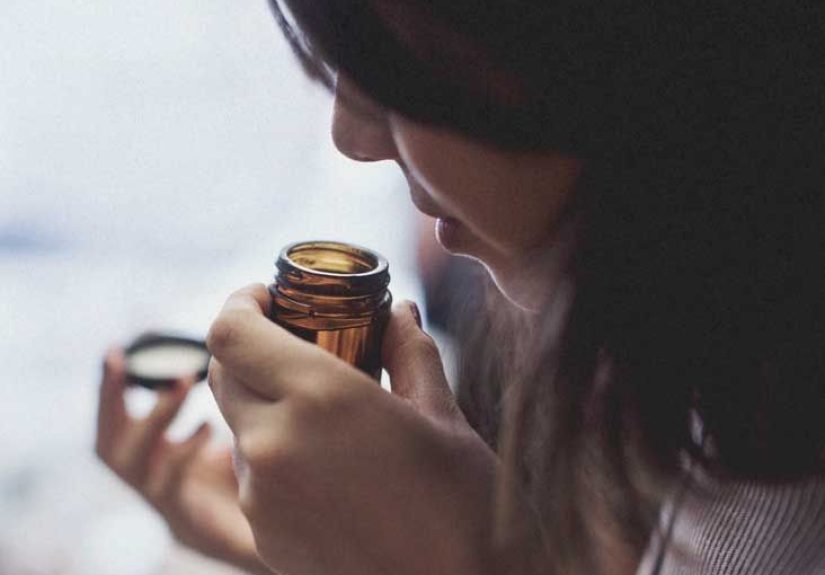
Olfactory training, also called smell training, is one of the most commonly recommended low-risk approaches. It is often described as physical therapy for the smell system. The idea is simple: you repeatedly smell a small set of distinct scents while concentrating on what they are supposed to smell like. Over time, this may help strengthen more normal smell signaling.
A common approach is to practice twice daily for several months. It is not magic, and it is definitely not instant. Some specialists note that people may need six to 12 weeks before noticing any change, with longer practice sometimes needed for maximum benefit.
Treating the underlying cause
If sinus inflammation, allergies, nasal polyps, medication effects, smoking, or chemical exposure are involved, treatment focuses on those issues first. Depending on the cause, clinicians may recommend saline rinses, allergy treatment, steroids, or other ENT-directed care.
Emerging and specialist therapies
Research into smell disorders is active, and newer treatments are being studied, including platelet-rich plasma for some persistent cases. Still, these are not the standard first step for most people. The strongest practical message remains this: get evaluated, treat what is treatable, and be cautious with internet miracle cures.
What not to do
Do not stop prescribed medication on your own just because you suspect a smell side effect. Do not assume every supplement trending on social media is evidence-based. And do not let a persistent smell problem drag on for months without medical attention, especially if it began suddenly or came with other unusual symptoms.
Daily Life Tips While You Recover
Parosmia is not only a nose problem. It can disrupt appetite, nutrition, social life, and mental health. A few practical adjustments can make the condition more manageable.
- Choose cold or room-temperature foods: they often release fewer odors than hot foods.
- Keep a trigger journal: track which foods, products, and environments are hardest to tolerate.
- Focus on texture and basic tastes: sweet, salty, sour, and crunchy foods may feel easier than strongly aromatic meals.
- Improve ventilation: open windows, use fans, and avoid cooking smells that linger.
- Protect safety: because smell helps detect gas, smoke, and spoiled food, double-check alarms and expiration dates.
- Watch nutrition: if eating becomes difficult, choose calorie-dense, protein-rich foods you can tolerate.
- Take mental health seriously: persistent smell distortion can be emotionally draining, and support matters.
Also, give yourself permission to be irritated. This condition can make normal life feel bizarre. That is not weakness. That is your sensory system being rude.
When to See a Doctor
You should seek medical care whenever you notice a new distorted or absent sense of smell, especially if it lasts, worsens, or interferes with eating and daily life. An evaluation is also important if parosmia began after a head injury, if you have chronic sinus symptoms, or if the smell change has no obvious explanation.
Because parosmia can sometimes point to a treatable underlying problem, it is worth checking rather than guessing. A good workup may save you months of frustration.
Can You Fully Recover from Parosmia?
Often, yes. Many people regain part or all of their normal smell over time, especially when parosmia follows a viral infection. But there is no universal timeline, and some people recover only partially. That uncertainty is one of the hardest parts of the condition.
The most realistic outlook is this: recovery is common, progress is often slow, and persistence matters. Smell training, treatment of underlying nasal problems, and patient follow-up with an ENT or other clinician can all improve the odds of a better outcome.
Experiences Related to Parosmia: What It Often Feels Like in Real Life
The following experiences are written as realistic composite scenarios based on common patterns reported by patients and described by clinicians. They are not direct quotations from specific individuals, but they reflect how parosmia often affects real life.
Experience 1: “Coffee became the enemy.” A person recovers from a viral infection and assumes everything is getting better. Then one morning, the smell of coffee changes overnight. Instead of warm and comforting, it smells burned, bitter, and vaguely chemical. Soon, breakfast becomes a problem. Toast smells wrong. Eggs smell worse. The person starts skipping meals, not because they are not hungry, but because the smell of food feels like an ambush.
Experience 2: “I thought I was imagining it.” Another person notices that shampoo, soap, toothpaste, and even clean laundry all seem oddly similar, almost as if every product manufacturer got together and chose “mystery stink” as the scent of the year. Friends say everything smells normal. That gap can be lonely. Parosmia is invisible, and when other people cannot smell what you smell, it is easy to feel dismissed.
Experience 3: “My taste changed, too.” Many people say parosmia shrinks the joy of eating. Favorite foods stop feeling safe or comforting. Meals become more about trial and error than pleasure. Some end up relying on bland foods, cold foods, smoothies, or simple snacks because they are less offensive. Social events can become awkward when the smell of a restaurant is enough to kill the appetite before the menu even arrives.
Experience 4: “Recovery was not linear.” Improvement, when it happens, often comes in weird little victories. Maybe chicken still smells terrible, but fruit tastes normal again. Maybe coffee is still awful, but toothpaste is less offensive. Maybe everything improves for a month, then backslides after a cold. That stop-and-start pattern can be discouraging, but it does not always mean recovery has stalled forever.
Experience 5: “The emotional part surprised me.” People often expect a smell problem to be annoying. They do not expect it to affect mood, appetite, memory, comfort, and connection. Smell is tied to home, food, family, and routine. When those sensory anchors suddenly feel distorted, daily life can feel strangely unfamiliar. For some, the hardest part is not the foul smell itself. It is the feeling that the world has become less recognizable.
That is why validation matters. Parosmia is not trivial, and it is not “just in your head” in the dismissive sense of the phrase. It is a real sensory disorder with real consequences. Fortunately, many patients do improve, and even before full recovery, coping strategies and professional guidance can make the journey easier.
Conclusion
Parosmia is a distorted sense of smell that can turn ordinary life upside down, from meals and hygiene to mood and safety. It often follows viral illness, especially COVID-19, but it can also result from sinus disease, head trauma, medications, smoking, chemical exposure, or neurologic conditions. The condition is frustrating, but not hopeless. Many people recover gradually, particularly with time, appropriate medical evaluation, and smell training when recommended.
If your world suddenly smells wrong, do not panicbut do not ignore it either. A distorted sense of smell deserves attention, support, and a real plan. Your nose may be confused right now, but that does not mean it is done learning its way back.





 Close
Close