
Table of Contents >> Show >> Hide
- Why Cotton Gets Dingy in the First Place
- Before You Bleach Cotton: Read This First
- Way 1: Use Chlorine Bleach in the Washer for Sturdy White Cotton
- Way 2: Presoak Cotton in a Diluted Bleach Solution for Dinginess or Tough Stains
- Way 3: Use Oxygen Bleach for a Gentler Cotton Brightening Method
- Which Method Should You Choose?
- Extra Tips to Keep Cotton White Longer
- Common Questions About Bleaching Cotton
- Final Thoughts
- Experiences and Real-Life Lessons From Bleaching Cotton
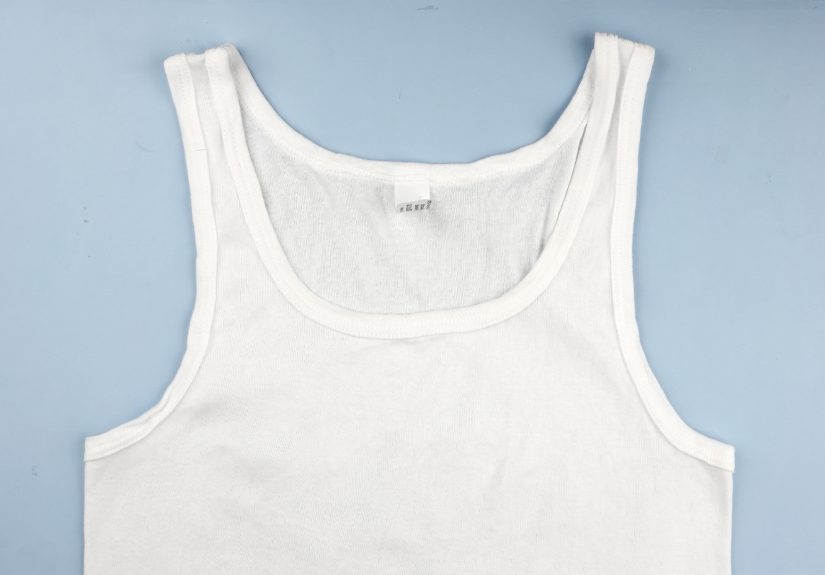
White cotton is wonderful right up until it starts looking like it has been through three summers, two gym memberships, and one emotional support coffee spill. Cotton is durable, breathable, and famously washable, but it also loves to collect sweat, body oil, detergent residue, and that vague grayness that sneaks in one wash at a time. The good news is that you do not need to give up on your favorite tees, sheets, or towels. You just need the right bleaching method for the right cotton item.
This guide breaks down three practical ways to bleach cotton: a standard chlorine bleach wash for sturdy whites, a diluted bleach presoak for dingy or stained items, and an oxygen bleach method for a gentler brightening approach. Along the way, you will also learn how to avoid yellowing, fiber damage, bleach spots, and the classic laundry mistake of treating every white item like it is a hotel towel from 1998.
Why Cotton Gets Dingy in the First Place
Before you start pouring anything into the washer, it helps to know what you are fighting. Cotton turns dull for a few common reasons. Sweat and body oils can cling to the fibers. Deodorant, sunscreen, and lotion can build up over time. Overusing detergent or fabric softener can leave behind a film that traps grime instead of releasing it. Hard water can also make cotton look flat, gray, or yellowish. And of course, there is dye transfer, which is laundry’s version of a surprise plot twist no one asked for.
Bleach can help, but only when it is used in a way that matches the fabric, the care label, and the washer. The goal is not to attack cotton like it personally offended you. The goal is to brighten it safely.
Before You Bleach Cotton: Read This First
1. Check the care label
The care label tells you almost everything you need to know. If it allows any bleach, chlorine bleach may be an option. If it says only non-chlorine bleach, stick with oxygen bleach. If it says do not bleach, believe it. Cotton is sturdy, but trims, dyes, prints, embroidery, and added stretch fibers may not be.
2. Know your cotton
Pure white, sturdy cotton towels, sheets, socks, and basic tees are usually the best candidates for bleaching. Cotton items blended with spandex or finished with decorative details need more caution. A white shirt that looks innocent may still contain stretchy fibers, printed graphics, or contrast stitching that bleach will not forgive.
3. Sort like a grown-up
Separate whites from colors. Then separate lightweight whites from heavy items like towels. Bleaching a thin cotton blouse with thick bath towels is a great way to create uneven results and faster wear. Laundry is not a democracy. Different fabrics need different treatment.
4. Never pour full-strength bleach directly on cotton
This is how you end up with weak spots, yellow marks, or weird pale patches that look like abstract art. Use the dispenser when your washer has one, or dilute and add correctly according to product directions.
5. Never mix bleach with other cleaners
Especially not ammonia, vinegar, rust removers, or random mystery cleaners living under the sink. Laundry day should not turn into a chemistry experiment gone wrong.
Way 1: Use Chlorine Bleach in the Washer for Sturdy White Cotton
This is the classic method for bleaching white cotton clothes and household linens. It works best for solid white cotton items that are heavily soiled, dull, or stained and whose labels allow regular bleach. Think white towels, white sheets, white socks, cotton underwear, or a plain white tee that has seen too much life.
Best for
Solid white cotton, especially towels, sheets, socks, and durable shirts.
Not ideal for
Cotton with spandex, prints, embroidery, delicate finishes, or anything labeled non-chlorine bleach only.
How to do it
Start by sorting a white cotton load and checking each label. Add detergent first if your routine or washer instructions call for it. If your machine has a bleach dispenser, pour the recommended amount of liquid chlorine bleach into the dispenser and let the washer handle the timing. If the machine does not have a dispenser, let the tub fill partway with water, add the bleach as directed, and then add the clothes. Do not dump bleach directly onto dry fabric.
Choose the warmest water that is safe for the item. For sturdy cotton whites like towels and sheets, hotter water can help. For less rugged cotton garments, warm water is often the smarter choice. Run the full cycle, and consider an extra rinse if the load was very dirty or if you tend to use a generous hand with detergent.
Why this method works
Chlorine bleach is powerful. It can whiten, remove certain stains, and help sanitize when used properly. When cotton can tolerate it, this is often the fastest way to revive dull whites. It is especially useful when ordinary detergent has been doing its best but clearly needs backup.
Example
Let’s say you have white cotton bath towels that have turned from bright white to “old marshmallow.” A chlorine bleach wash can help remove the dull cast and brighten them up again, especially when combined with a good detergent and a hot wash that the fabric can handle.
Mistakes to avoid
Do not overuse bleach. More is not better. It can weaken fibers over time and leave towels feeling rough or worn out before their time. Do not use it in every single wash unless the product label and fabric care truly support that routine. And absolutely do not use chlorine bleach on white cotton items that contain stretch or decorative elements unless the label clearly says it is safe.
Way 2: Presoak Cotton in a Diluted Bleach Solution for Dinginess or Tough Stains
Sometimes a normal bleach wash is not enough. If white cotton is deeply dingy, yellowed, or stained, a bleach presoak can give the fabric a better chance to release what is trapped in the fibers before the main wash begins. This method is useful when a shirt collar is gray, pillowcases have gone dull, or white socks have entered their dramatic charcoal era.
Best for
Heavily dingy white cotton that needs more than a standard wash cycle.
Not ideal for
Printed cotton, cotton with elastic fibers, or delicate cotton items that should not have prolonged exposure to bleach.
How to do it
Use a clean plastic bucket, basin, or sink. Fill it with water and add bleach according to the product label. The bleach must be diluted before the cotton goes in. Submerge the white cotton item fully and soak only for the recommended time. Do not assume a longer soak means better results. In laundry, impatience causes stains, but overconfidence causes damage.
After soaking, launder the item in detergent using the warmest water that the care label allows. Rinse thoroughly. If the item still looks dull, repeat the process another day rather than pushing the soak beyond the recommended time in one go.
Why this method works
Presoaking gives bleach time to reach deep-set discoloration before the agitation of the wash cycle starts. It can be more effective on yellowing and stubborn dinginess than tossing the item into a regular cycle and hoping for the best.
Example
Imagine a stack of white cotton pillowcases that look shadowy around the edges from body oils and nighttime skincare products. A careful diluted presoak followed by a normal wash can lift that buildup far better than detergent alone.
Mistakes to avoid
Do not presoak cotton in concentrated bleach. Do not use metal containers. Do not wander off for three hours and come back like nothing happened. Extended exposure can weaken the fibers and leave you with a fabric that looks brighter but feels one sneeze away from tearing.
Way 3: Use Oxygen Bleach for a Gentler Cotton Brightening Method
If chlorine bleach is the power tool, oxygen bleach is the smart multi-tool. It is often the best choice when you want to brighten cotton more gently, lift stains, freshen dingy fabric, and reduce the risk of fiber damage. It is also a better fit for many white cotton items that are not truly rugged or that include a little stretch, texture, or finish.
Best for
White cotton clothing, cotton blends, lightly dingy items, and loads that need brightening without the intensity of chlorine bleach.
How to do it
Read the product directions first, because oxygen bleach formulas vary. In general, oxygen bleach can be added to the wash water or used as a separate soak before washing. It usually works best in warm water because the powder or formula activates better when it is not trying to dissolve in icy water like a reluctant introvert at a party.
For regular maintenance, add oxygen bleach to a load of white cotton according to the label, then wash with detergent. For dingier items, presoak in warm water with oxygen bleach for the recommended amount of time before laundering.
Why this method works
Oxygen bleach helps lift stains, brighten fabric, and remove odors without being as aggressive as chlorine bleach. It is especially helpful when cotton has become dull from repeated wear and product buildup rather than one dramatic stain event.
Example
Think of a white cotton button-down that is not exactly stained, but no longer looks crisp. Oxygen bleach is often the better choice because it brightens gradually without the harsher feel that repeated chlorine bleach use can create.
Mistakes to avoid
Do not sprinkle powdered oxygen bleach directly onto wet fabric unless the label specifically says that is okay. Make sure it dissolves as directed. Also, do not expect miracles in five minutes. Oxygen bleach often works best with a little patience, especially on long-term dullness.
Which Method Should You Choose?
Choose chlorine bleach in the washer if:
You are washing sturdy white cotton and need strong whitening power fast.
Choose a diluted bleach presoak if:
Your white cotton is badly yellowed, gray, or stained and a regular wash has not solved the problem.
Choose oxygen bleach if:
You want a gentler method for whitening cotton, handling routine dinginess, or caring for items that should not be hit with full chlorine bleach power.
Extra Tips to Keep Cotton White Longer
Bleaching works better when the rest of your laundry habits are not sabotaging the process. Treat stains quickly, especially on collars, cuffs, underarms, and hems. Use the right amount of detergent instead of doubling it “for luck.” Skip too much fabric softener, which can leave residue. Avoid overloading the washer so cotton can rinse properly. And when possible, dry white cotton in the sun for a natural brightening boost.
It also helps to wash white cotton more regularly. Waiting until a shirt or towel looks visibly sad means more buildup has already settled into the fibers. White cotton rewards consistency. It is basically the high-maintenance friend who becomes very easygoing once you stop ignoring them.
Common Questions About Bleaching Cotton
Can you bleach colored cotton?
Only if the care label and dye stability say it is safe, and even then caution is essential. In most cases, chlorine bleach is a bad idea for colored cotton because fading and spotting are very real possibilities.
Can you bleach cotton with spandex?
Usually, chlorine bleach is not the best choice. Many white garments that contain stretch fibers do better with oxygen bleach or other gentler whitening methods.
Why did my white cotton turn yellow after bleaching?
Common reasons include using too much bleach, leaving bleach on too long, poor rinsing, fabric softener buildup, or reacting with body oils and product residue. Bleach is helpful, but it is not subtle. If the setup is wrong, cotton lets you know.
How often should you bleach cotton?
Only as needed. Repeated bleaching can wear fibers down over time. For maintenance, many cotton items do well with oxygen bleach or a less aggressive whitening routine between occasional stronger bleach treatments.
Final Thoughts
If you want cotton to stay bright, bleaching should be part of a strategy, not a panic move. The best results come from choosing the right method for the right garment, following the care label, and resisting the urge to freestyle with laundry chemicals. For strong whitening, use chlorine bleach in the washer on sturdy white cotton. For serious dinginess, try a diluted bleach presoak. For gentler routine brightening, reach for oxygen bleach.
In other words, there really are 3 ways to bleach cotton, and the smartest one depends on what your laundry is telling you. Listen carefully. If the towel looks gray, the tee looks tired, and the pillowcase looks like it has seen things, it is probably time.
Experiences and Real-Life Lessons From Bleaching Cotton
One of the most common experiences people have with bleaching cotton is discovering that white does not become dingy all at once. It happens gradually. A white T-shirt looks fine for weeks, then one morning it seems slightly off. A month later it is not really white anymore. It is “laundry room ivory,” which is not a color anyone actually wants. Many people try to fix that by using more detergent, hotter water, or a random splash of bleach, only to realize that cotton responds best to a methodical approach rather than a dramatic one.
A classic example is the white towel situation. Towels are tough, so people assume they can handle anything. Then the towels start smelling musty, feeling stiff, and looking dull. After a proper sort, a correct dose of bleach, and a full rinse, the difference can be surprisingly obvious. The biggest lesson from experiences like this is that buildup matters just as much as visible stains. Towels often look dirty because they are carrying invisible residue from skin oils, detergent, and softener, and bleach works better when the whole routine is cleaned up.
Another very relatable experience involves white cotton shirts with underarm discoloration. People often blame the shirt, but the problem is usually a mix of sweat, deodorant, and time. A harsh bleach treatment does not always solve it. In fact, it can sometimes make the area look worse if the buildup is still there. A gentler oxygen bleach soak followed by a good wash often gives better results. This teaches an important lesson: not every whitening problem needs the strongest possible product. Sometimes cotton just needs the right tool, not the loudest one.
There are also cautionary tales, because laundry loves to keep us humble. Plenty of people have learned the hard way that pouring bleach directly onto cotton is a bad plan. It may look fine at first, then a weak patch appears later, or a yellow mark shows up like a permanent reminder of overconfidence. Others find out that a “white” shirt actually contains spandex only after the fabric starts looking tired and stressed. Those experiences are frustrating, but they are useful. They reinforce the value of checking labels, testing when unsure, and remembering that fabric care is less about boldness and more about accuracy.
Then there is the victory side of the story. Few household wins are as satisfying as rescuing a dingy set of white cotton sheets or reviving a favorite tee that was headed for the donation pile. When the process works, it feels oddly triumphant. Laundry may not be glamorous, but there is genuine satisfaction in seeing cotton come out brighter, cleaner, and fresher without damage. The overall experience most people report is simple: bleaching cotton can work extremely well, but only when they stop guessing and start matching the method to the fabric. Once that clicks, laundry gets easier, results get better, and fewer beloved white pieces end up being demoted to “painting shirt” status.





 Close
Close