
Table of Contents >> Show >> Hide
- The Short Answer
- Why Drying Your Hands Matters More Than Most People Realize
- What the Research Says About Hand Dryers
- Paper Towels vs. Hand Dryers: The Practical Comparison
- Are Bathroom Hand Dryers Safe in Public Restrooms?
- The Real Sanitation Problems Most People Ignore
- How to Make the Best Choice in the Moment
- The Bottom Line
- Everyday Experiences With Bathroom Hand Dryers: What People Actually Notice
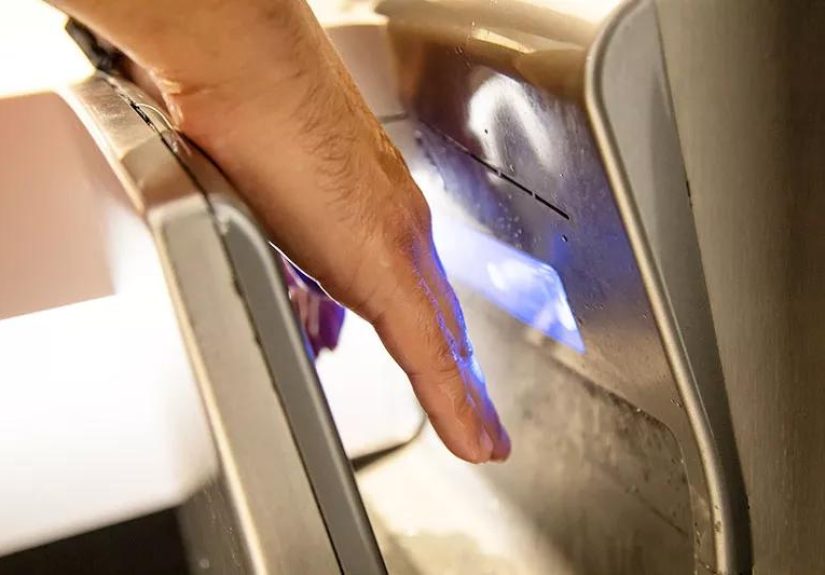
If you have ever stood in a public restroom with freshly washed hands and a tiny hygiene crisis, welcome to the club. On one wall: a roaring hand dryer that sounds like a jet preparing for takeoff. In the dispenser: paper towels that may or may not exist, depending on the building’s mood. So what is the smarter move? Are bathroom hand dryers sanitary, or are they just loud little germ cannons with a fan?
The honest answer is more nuanced than social media makes it sound. Hand dryers are not automatically disgusting, and paper towels are not magical germ shields sent from the hygiene heavens. What matters most is this: washing your hands properly and drying them completely. That said, the type of drying method can affect how much moisture, bacteria, and bathroom air end up involved in the process. In other words, the debate is real, but it is not as simple as “dryer bad, towel good” or “technology saves the day.”
This article breaks down what the science really says, why the research sometimes conflicts, and what everyday people should actually do in airports, offices, restaurants, schools, gyms, and all the other places where public restrooms test both your patience and your faith in humanity.
The Short Answer
Bathroom hand dryers can be sanitary, but they are not always the most sanitary option in every setting. Research suggests that fully drying your hands matters more than obsessing over the exact method. Wet hands spread germs more easily, so the biggest mistake is leaving the sink with damp fingers and good intentions.
Still, there is a catch. Some studies have found that high-speed jet dryers can blow bacteria and droplets around a restroom environment, especially when bathroom air is already contaminated. Other reviews have found no clear hygienic winner between paper towels and dryers when real-world conditions are considered. That means the best answer depends on the setting, the dryer design, maintenance quality, airflow, restroom cleanliness, and whether you are dealing with a hospital, a restaurant, or a gas station bathroom that has clearly seen things.
Why Drying Your Hands Matters More Than Most People Realize
People tend to treat hand drying like the bonus round after handwashing, but it is actually part of the hygiene process. Soap and water loosen and remove dirt, oils, and microbes. Drying finishes the job by reducing the moisture that helps germs move from your skin to other surfaces.
Think of moisture as a getaway car for germs. When your hands are wet, microbes transfer more easily to doorknobs, phones, faucet handles, shopping carts, and that snack bag you open two minutes later. Dry hands are less likely to spread contamination, which is why public health guidance focuses on complete drying rather than just a quick rinse-and-run.
That matters because proper hand hygiene is one of the simplest ways to reduce illness. Good handwashing habits help cut the spread of respiratory and diarrheal infections, which is one reason bathrooms, kitchens, and healthcare spaces care so much about what happens after the rinse.
What the Research Says About Hand Dryers
Why some studies make hand dryers look bad
Much of the suspicion around bathroom hand dryers comes from studies showing that dryers can pull in air from the restroom and blow microbes back out. In bathrooms where toilets flush without lids, the surrounding air can contain aerosolized particles. A hand dryer operating in that environment may move those particles onto hands or nearby surfaces.
That concern becomes even bigger with high-speed jet dryers. These models dry quickly, but they also create stronger airflow. Some research has shown that this airflow can spread droplets farther than paper towels do. If the restroom is poorly ventilated or already dirty, the optics get worse fast. That is why hand dryers have such a rough public image. Nobody wants to imagine a warm breeze with a side of bathroom biology.
Why other studies say the case is not that simple
Here is where things get interesting. Not all studies agree that hand dryers are clearly worse. Some reviews of the evidence found that once you look only at better-designed research, there is no consistent proof that paper towels are always more hygienic or that hand dryers create a measurable human health risk in everyday settings.
One often-cited randomized trial from the Mayo Clinic found no statistically significant difference among four hand-drying methods for removing bacteria from washed hands. A later University of Arizona review also concluded that neither paper towels nor electric dryers had a clear hygienic advantage overall, largely because the evidence base is mixed and many studies do not reflect real restroom behavior.
That means the dramatic headlines are not the whole story. A study can show bacterial dispersal in a lab setup and still not prove that ordinary restroom users are getting sick from dryers in meaningful numbers. The science is more careful than the internet usually is.
Paper Towels vs. Hand Dryers: The Practical Comparison
Paper towels: the low-tech favorite
Paper towels still have a strong practical case. They dry quickly, physically wipe away remaining moisture, and may help remove some leftover bacteria through friction. They also let you grab the restroom door handle without touching it directly, which feels emotionally satisfying and microbiologically reasonable.
In higher-risk environments, such as hospitals, clinics, and food-preparation areas, paper towels often feel like the safer bet. They are simple, fast, and less likely to blow air across a shared space. If you are washing up before handling food or after caring for someone who is sick, paper towels are hard to argue with.
Of course, paper towels are not perfect. Dispensers run empty. Towels end up on floors. Overflowing trash bins can turn a neat restroom into a sad paper confetti festival. They also create more waste, which is why many facilities prefer dryers for environmental and maintenance reasons.
Hand dryers: efficient, touch-free, and controversial
Hand dryers do offer advantages. They are touch-free in many restrooms, which means you are not handling a shared lever or dispenser. They reduce paper waste and can be cheaper for facilities over time. In busy buildings, they are also less likely to “run out” at the exact moment you need them, which is more than can be said for paper towels during holiday travel season.
But not all dryers are created equal. Older warm-air models often take longer, and many people give up before their hands are fully dry. High-speed jet dryers are faster, but some studies have raised more concerns about airflow and particle spread with those designs. Maintenance matters too. A modern unit with better filtration and a clean restroom environment is not the same thing as an ancient dryer humming in the corner like it has unresolved anger issues.
Are Bathroom Hand Dryers Safe in Public Restrooms?
For most healthy people in ordinary public settings, using a hand dryer is unlikely to be a major health hazard, especially if you washed your hands well first and dried them thoroughly. The bigger problem in many bathrooms is not the drying method. It is poor handwashing, rushed technique, dirty surfaces, lack of soap, or people who stroll out of the restroom without washing at all like they are starring in a personal freedom documentary.
That said, if you are immunocompromised, in a healthcare environment, handling food, or just trying to minimize exposure during cold and flu season, paper towels are a reasonable preference when available. They give you more control, less airflow, and a handy barrier for touching the exit door.
So no, hand dryers are not inherently unsanitary in every context. But they are also not an automatic gold medal in hygiene. They are one tool, and their sanitation level depends heavily on how well the whole restroom is maintained.
The Real Sanitation Problems Most People Ignore
If we are being honest, the hand dryer debate sometimes distracts from the bigger hygiene failures. People skip soap. They wash for five seconds instead of twenty. They touch their phones while washing. They dry halfway, then grab a grimy faucet or door handle. They lean on counters, set bags on floors, and then wonder why public restrooms feel sketchy.
A spotless paper towel system will not fix bad handwashing. A modern HEPA-filter dryer will not save the day if the restroom is filthy and ventilation is poor. Sanitation is a system, not a single machine. Soap, water, sink design, air flow, cleaning schedules, trash removal, and user behavior all matter.
In fact, the most hygienic restroom setup is usually one that makes good behavior easy: stocked soap, functioning sinks, touchless fixtures, reliable drying options, and clean exits. Fancy technology helps, but dependable basics help more.
How to Make the Best Choice in the Moment
If both options are available, choose paper towels when you want the most practical control over surfaces and moisture. This is especially smart in hospitals, clinics, restaurants, or visibly dirty restrooms.
If only a hand dryer is available, do not panic and do not do the awkward wet-hand flap while walking out. Use the dryer long enough to get your hands fully dry. Keep your hands away from obviously dirty surfaces afterward, and open the door with your elbow, sleeve, or another hands-free method if possible.
If there is no good drying option at all, letting your hands air dry naturally is better than wiping them on your jeans, which may feel convenient but is not exactly a triumph of public health.
The Bottom Line
Are bathroom hand dryers sanitary? Sometimes yes, sometimes less so, and rarely in the dramatic way people imagine. The strongest evidence does not support a simple all-or-nothing verdict. What it does support is this: wash your hands thoroughly, dry them completely, and pay attention to the environment around you.
Paper towels often have the edge in high-risk or high-mess settings because they dry fast, remove moisture by friction, and help avoid touching surfaces. Hand dryers can still be acceptable in many public restrooms, especially when the facility is clean, the equipment is maintained, and users actually stay put long enough to dry their hands properly.
So the next time you face the restroom showdown, remember this: the biggest sanitation win is not picking a team in the paper-towel-versus-dryer rivalry. It is not leaving with damp hands and a false sense of accomplishment.
Everyday Experiences With Bathroom Hand Dryers: What People Actually Notice
In real life, people do not usually think about hand dryers as a scientific debate. They think about them as a moment. You wash your hands in a crowded airport bathroom, step over to the dryer, and immediately realize there is a line of strangers behind you pretending not to be impatient. The dryer is loud enough to startle a toddler three sinks away, and you suddenly feel pressured to finish drying in seven seconds even though your fingertips are still damp. That is one of the most common real-world problems with hand dryers: people often stop too soon.
Office restrooms create a different kind of experience. Many people like touch-free dryers because they do not have to grab a lever or touch a towel dispenser after washing. It feels cleaner. But if the dryer is slow, users often leave with wet hands and head straight for the door handle, elevator button, laptop, or coffee machine. At that point, the issue is not the technology itself. It is the rushed behavior the setup creates.
Parents often notice something else: children are not exactly loyal fans of industrial-strength hand dryers. Some kids are frightened by the noise, while others turn the machine into a game. Instead of drying carefully, they wave their hands in and out of the airflow like they are performing a tiny concert. That can mean incomplete drying, more splashing, and a lot of “Please just stand still for ten seconds” energy.
Restaurants and shopping centers bring in another factor: trust. Many people simply feel better with paper towels because they can see the towel, use it, throw it away, and use another if needed. It feels controlled. A hand dryer, by contrast, is invisible technology. You cannot see what air it is pulling in, how clean the unit is, or whether the filter is maintained. Even if a well-maintained dryer is reasonably sanitary, the user experience may still feel less reassuring.
Travelers also notice how much restroom design changes the experience. In newer buildings with touchless sinks, touchless soap dispensers, decent ventilation, and fast dryers, the whole process feels streamlined and clean. In older facilities, the sink area is cramped, the floor is wet, the trash is overflowing, and the dryer seems to be blowing vaguely warm disappointment. Same concept, wildly different result.
People with sensitive skin sometimes prefer dryers because repeated paper towel use can feel rough, especially in winter when skin is already dry or cracked. Others have the opposite experience and dislike hot air blowing over irritated skin. This is a reminder that hygiene choices are not purely abstract. Comfort affects behavior, and behavior affects outcomes.
One of the clearest lessons from everyday experience is that convenience shapes hygiene. If drying takes too long, people quit early. If paper towels are hidden, empty, or jammed, people skip them. If the restroom is clean and easy to use, better habits follow. In practice, the most sanitary restroom is often the one that quietly makes the right behavior the easiest behavior.






 Close
Close