
Table of Contents >> Show >> Hide
- What Makes a Room Feel “Cottage”?
- 22 Cottage Decorating Ideas for Cozy, Character-Filled Rooms
- 1. Start with a Soft, Welcoming Color Palette
- 2. Add Beadboard, Wainscoting, or Board-and-Batten Detail
- 3. Use Slipcovered Seating for Easygoing Comfort
- 4. Mix Old and New Furniture
- 5. Layer Patterns Like You Mean It
- 6. Bring in Natural Wood Tones
- 7. Display Treasured Collections
- 8. Pile On Cozy Textiles
- 9. Use Floral Prints in a Grown-Up Way
- 10. Embrace Vintage and Flea-Market Finds
- 11. Add Open Shelving with Functional Styling
- 12. Choose Warm, Layered Lighting
- 13. Try Glass-Front Cabinets or Display-Style Storage
- 14. Use Curtains to Soften Hard Edges
- 15. Create a “Collected Corner” in Every Room
- 16. Add Texture with Shiplap, Brick, or Plaster-Look Finishes
- 17. Decorate with Baskets Everywhere
- 18. Include Botanical or Nature-Inspired Art
- 19. Make the Kitchen Feel Collected, Not Clinical
- 20. Use Painted Furniture for Instant Cottage Charm
- 21. Blend Cozy Cottage with Modern Simplicity
- 22. Prioritize Comfort Over Perfection
- How to Apply Cottage Style in Different Rooms
- Common Cottage Decorating Mistakes to Avoid
- Conclusion
- Experiences: What Actually Happens When You Decorate with Cottage Style (Real-Life Style Notes)
If your dream room feels like it should come with a teapot, a stack of novels, and a blanket that somehow knows your name, cottage style may be your decorating soulmate. The beauty of cottage decorating is that it doesn’t require a literal cottage, a countryside view, or a flock of chickens in the yard (though no judgment if you have all three). It’s really about creating warmth, comfort, personality, and that magical “lived-in but lovely” feeling.
Cottage interiors work in apartments, suburban homes, new builds, and old houses alike because the style is flexible. You can go classic English cottage, modern cottage, coastal cottage, or a mixed-and-matched version that looks collected over time. The common thread? Softness, texture, practical comfort, and charming details that look like they have stories.
Below, you’ll find 22 cottage decorating ideas you can use in any roomliving room, bedroom, kitchen, bath, entryway, or even that awkward corner currently holding a treadmill and a basket of mystery cords. Let’s make it cozy.
What Makes a Room Feel “Cottage”?
Before we jump into the ideas, here’s the quick formula: cottage style usually blends natural materials, soft or earthy colors, vintage-inspired pieces, layered textiles, and a relaxed layout that prioritizes comfort over perfection. In other words, if your room looks too stiff, too shiny, or too “don’t sit there,” cottage style is here to fix that.
22 Cottage Decorating Ideas for Cozy, Character-Filled Rooms
1. Start with a Soft, Welcoming Color Palette
Think warm whites, creamy beige, dusty blue, sage green, butter yellow, or muted blush. These shades create a calm backdrop and make layered textures stand out. If you love bold color, cottage style can handle itjust balance it with softer accents so the room still feels restful.
2. Add Beadboard, Wainscoting, or Board-and-Batten Detail
Wall paneling is one of the fastest ways to add cottage character. Beadboard and wainscoting bring texture and old-house charm to plain walls, especially in bathrooms, kitchens, and bedrooms. Paint it white for a classic look, or use a soft color for a fresh twist.
3. Use Slipcovered Seating for Easygoing Comfort
Cottage rooms should invite people to actually sit down. Slipcovered sofas and chairs feel relaxed, practical, and family-friendly. Cotton and linen blends are especially cottage-friendly because they look better with a little softness and wearnot worse.
4. Mix Old and New Furniture
A cottage room shines when it looks collected, not showroom-perfect. Pair a vintage dresser with a newer lamp, or a modern sofa with an antique side table. The contrast keeps the space from feeling overly themed and gives it a more authentic personality.
5. Layer Patterns Like You Mean It
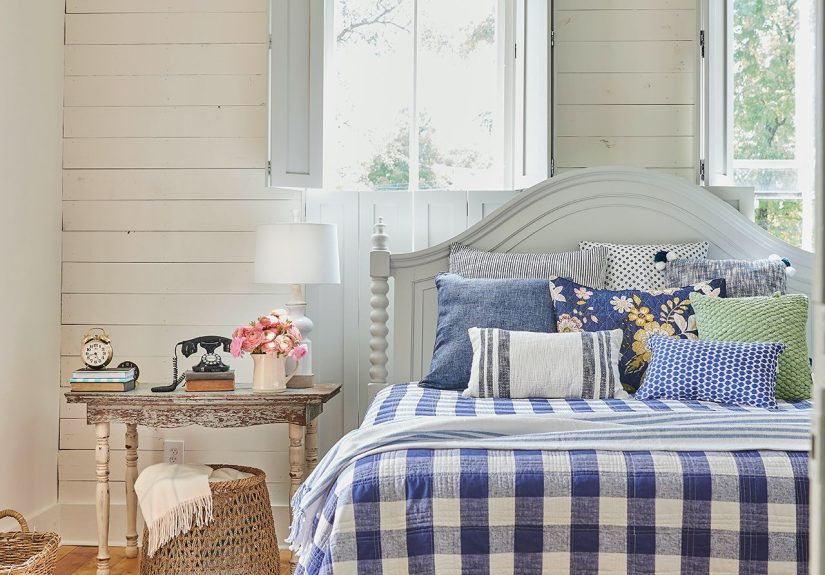
Florals, stripes, checks, plaids, and tiny prints can absolutely live together. The trick is to repeat a few colors across the patterns so they feel related. Start with one “hero” pattern (like floral curtains), then add smaller-scale prints in pillows or bedding.
6. Bring in Natural Wood Tones
Cottage style loves wood because it adds warmth instantly. Try a weathered wood bench, a butcher-block countertop, exposed beams, or a simple oak side table. If your room has too many painted or polished surfaces, natural wood helps ground it.
7. Display Treasured Collections
Cottage decorating is not about hiding everything in bins labeled “misc.” It’s about thoughtful display. Group ironstone, vintage pitchers, baskets, framed botanicals, or old books on shelves and tabletops. The goal is charming curation, not clutter chaos.
8. Pile On Cozy Textiles
Throws, quilts, coverlets, and layered pillows instantly soften a room. Cottage style leans into tactile comfort, so mix knits, linen, cotton, and soft woven fabrics. Keep a throw within arm’s reach of every seat if possiblethis is a design principle and a lifestyle.
9. Use Floral Prints in a Grown-Up Way
Floral doesn’t have to read “grandma’s guest room” unless that’s your goal (and honestly, sometimes it should be). Try floral wallpaper in a powder room, botanical curtains in a bedroom, or a floral lumbar pillow on a neutral sofa for a subtle cottage touch.
10. Embrace Vintage and Flea-Market Finds
Cottage rooms feel special because they include pieces with patina and history. Look for framed art, ceramic lamps, stools, mirrors, baskets, and small wood furniture at thrift stores, estate sales, and flea markets. A little wear adds charm, not failure.
11. Add Open Shelving with Functional Styling
In kitchens, laundry rooms, or even small living spaces, open shelves can show off everyday beauty. Stack dishes, mugs, cookbooks, glass jars, and baskets. The cottage trick is to style useful items, not just decorative ones, so the room feels warm and lived-in.
12. Choose Warm, Layered Lighting
Overhead lighting alone can make a cottage room feel like a doctor’s office waiting room. Add table lamps, sconces, or portable lamps to create pools of light. Fabric shades, brass details, and ceramic bases fit beautifully in cottage interiors.
13. Try Glass-Front Cabinets or Display-Style Storage
Glass-front cabinets add charm while helping a room feel lighter. They’re especially lovely in kitchens and dining areas where pretty dishes and glassware can double as decor. If built-ins aren’t an option, a vintage hutch or bookcase can create a similar effect.
14. Use Curtains to Soften Hard Edges
Cottage rooms almost always benefit from fabric at the windows. Sheer panels, café curtains, or lightly lined drapes add softness and privacy without making a room feel heavy. Bonus: they also make builder-grade windows look much more intentional.
15. Create a “Collected Corner” in Every Room
A cottage room becomes memorable when it has one small vignette full of personality: a chair, a side table, a lamp, and a stack of books; or a bench with a basket and framed art above it. These little moments make a room feel layered and human.
16. Add Texture with Shiplap, Brick, or Plaster-Look Finishes
Cottage style loves imperfect surfaces. If you can’t renovate, peel-and-stick products, limewash paint effects, or textured wallpaper can mimic the look. The goal isn’t rustic overloadit’s visual softness and a sense of age, depth, and comfort.
17. Decorate with Baskets Everywhere
Baskets are basically the cottage style intern: hardworking, cute, and always available. Use them for throws, shoes, firewood, magazines, laundry, or plants. Woven textures also help balance floral prints and painted furniture so the room feels natural.
18. Include Botanical or Nature-Inspired Art
Cottage decor often draws from gardens and the outdoors. Framed botanical prints, landscape paintings, pressed flowers, or even vintage bird illustrations add softness and story. This is an easy way to introduce color without repainting a single wall.
19. Make the Kitchen Feel Collected, Not Clinical
Cottage kitchens are warm, practical, and full of character. Think wood accents, open shelving, vintage-inspired hardware, plate racks, checked linens, and a mix of everyday dishes with decorative pieces. A kitchen can be functional and charming at the same timewild, I know.
20. Use Painted Furniture for Instant Cottage Charm
Painted dressers, side tables, and hutches can add color and that slightly timeworn cottage feel. Soft greens, pale blues, warm creams, and muted pinks all work well. If the finish gets a little scuffed over time, congratulationsyou’ve accidentally improved it.
21. Blend Cozy Cottage with Modern Simplicity
If traditional cottage decor feels too busy, try a modern cottage approach. Keep the silhouettes cleaner, reduce the number of accessories, and focus on texture, natural materials, and a few vintage pieces. You still get the warmth, just with more breathing room.
22. Prioritize Comfort Over Perfection
This is the big one. Cottage style works best when a room feels used, loved, and easy to live in. Don’t stress about making everything match. A slightly mismatched room with personality and comfort will always feel better than a perfect room nobody wants to touch.
How to Apply Cottage Style in Different Rooms
Living Room
Start with comfortable seating, layered throws, and a mix of wood and upholstered pieces. Add a patterned rug, a lamp or two, and personal decor like books or framed art. If the room feels flat, introduce one cottage detail on the wallsbeadboard, paneling, or a soft wallpaper.
Bedroom
Focus on textiles first: layered bedding, a quilt, and mixed pillows in soft prints. A vintage nightstand, floral fabric, or painted dresser can do a lot of heavy lifting. Bedrooms are ideal for cottage style because the whole point is comfort and calm.
Kitchen
Bring in warmth through wood cutting boards, ceramic crocks, linen towels, and open storage. Even a rental kitchen can look more cottage-like with a patterned runner, a small lamp on the counter, and curated shelf styling.
Bathroom
Add charm with wainscoting, a framed mirror, softer lighting, and a pretty shower curtain in stripe or floral. Use baskets for storage and display a few simple objectssoap dish, candle, small vaseso the space feels finished rather than purely functional.
Common Cottage Decorating Mistakes to Avoid
The biggest mistake is overdoing “themed” decor. You don’t need a room full of tiny birdhouses, distressed signs, and fifteen fake lavender bundles to get cottage style. Another common misstep is ignoring function. Cottage design may look romantic, but it works best when furniture is comfortable and storage is practical. Finally, avoid making everything overly pale and flatcottage style still needs contrast, texture, and a little visual surprise.
Conclusion
Cottage decorating is less about following strict rules and more about creating a home that feels warm, personal, and beautifully lived-in. Whether you add beadboard to one wall, layer in floral pillows, or hunt down the perfect vintage lamp, each small choice builds that cozy cottage character over time.
The best part? You don’t need a full remodel to start. Pick two or three ideas from this list and try them in one room. Add texture. Soften the lighting. Display something you love. A little charm goes a long wayand once you start, don’t be surprised if every room in the house mysteriously asks for a quilt.
Experiences: What Actually Happens When You Decorate with Cottage Style (Real-Life Style Notes)
One of the most useful things about cottage decorating is how forgiving it feels in real homes. In theory, a room starts with a plan. In reality, it starts with a hand-me-down chair, a lamp you bought on sale three years ago, and an emotional support basket. Cottage style works with that. In fact, it thrives on it.
A common experience people have is realizing they don’t need to replace everything to get the look. For example, a basic neutral sofa can suddenly feel cottage-ready with a slipcover, floral pillow, and textured throw. A plain bedroom becomes cozy with layered bedding, softer lighting, and one vintage nightstand. The transformation is often more about atmosphere than expensive furniture.
Another real-life win: cottage style makes mixed pieces look intentional. Maybe your dining table is rustic, your chairs are mismatched, and your wall art came from three different decades. In many design styles, that can feel random. In cottage style, it can feel charming and collectedespecially when you repeat colors or textures to tie everything together.
People also tend to notice that cottage rooms feel better to live in day-to-day. Soft textiles absorb sound, layered lighting is easier on the eyes, and natural materials add warmth that glossy surfaces can’t fake. Rooms become places where you want to sit longer, read more, host friends, or drink coffee slowly instead of standing over the sink like a goblin (we’ve all been there).
There are, of course, a few lessons learned along the way. One is that “cozy” can turn into clutter if every surface is decorated at once. The best cottage interiors still leave breathing room. A shelf with a few beautiful objects usually looks better than a shelf packed edge to edge. Another lesson: comfort matters more than trend. If a chair looks charming but feels like punishment, it’s not cottageit’s a prop.
Many people trying cottage style for the first time start in smaller spaces like a bathroom, entryway, or guest bedroom. That’s smart. These rooms let you test paint colors, wallpaper, pattern mixing, and vintage decor without a huge commitment. Once you see how much warmth a few changes can add, it gets easier to apply the same ideas in larger spaces.
The most rewarding part of decorating this way is that the room evolves with you. You might start with soft paint and curtains, then later add thrifted art, a better lamp, or a quilt from a family member. Over time, the room feels less “decorated” and more like your home. That’s the sweet spot cottage style is really aiming for: not perfection, but comfort, character, and a space that welcomes people in and invites them to stay a while.






 Close
Close