
Table of Contents >> Show >> Hide
- Before You Start: The Best Way to Prep Bell Peppers
- 1. How to Sauté Bell Peppers
- 2. How to Roast Bell Peppers in the Oven
- 3. How to Broil Bell Peppers for Fast Char
- 4. How to Grill Bell Peppers
- 5. How to Stir-Fry Bell Peppers
- 6. How to Stuff and Bake Bell Peppers
- 7. How to Air Fry Bell Peppers
- Common Mistakes to Avoid When Cooking Bell Peppers
- Which Cooking Method Is Best?
- Conclusion
- Kitchen Experiences and Lessons From Cooking Bell Peppers 7 Ways
- SEO Tags
Bell peppers are the overachievers of the vegetable drawer. They are colorful, sweet, crisp, and somehow able to show up in fajitas, pasta, breakfast scrambles, grain bowls, salads, soups, and party platters without ever looking tired. One day they are a crunchy snack. The next day they are smoky, silky, charred, stuffed, or caramelized into something that makes dinner feel much smarter than it really was.
If you have ever bought a bag of bell peppers with the best intentions and then watched them sit in the fridge like tiny glossy guilt balloons, this guide is for you. Learning how to cook bell peppers well is less about memorizing one recipe and more about understanding what heat does to them. High heat brings char. Moderate heat coaxes out sweetness. A quick stir-fry keeps them bright and snappy. A longer roast turns them tender, rich, and almost jammy.
Below, you will learn how to cook bell peppers 7 ways, including sautéing, roasting, broiling, grilling, stir-frying, stuffing, and air frying. You will also get practical tips on prep, texture, timing, and when to use each method. Because bell peppers are lovely, but they are not magical. They still need a little strategy.
Before You Start: The Best Way to Prep Bell Peppers
Good pepper cooking starts with basic prep. Wash the peppers just before using them, then slice off the top or halve them lengthwise, depending on the method. Remove the stem, seeds, and white membranes. Those pale ribs are not dangerous, but they can taste a little bitter, and nobody has time for accidental bitterness on taco night.
Shape matters, too. Thin strips are ideal for sautéing and stir-frying. Large panels or halves work best for broiling, roasting, or grilling. Whole peppers or neatly trimmed halves are the stars of stuffed pepper recipes. And yes, color makes a difference. Green bell peppers are less sweet and slightly grassy, while red, orange, and yellow peppers are riper, sweeter, and often better when you want deep flavor with minimal effort.
A final tip: dry the peppers well after washing. Wet peppers steam before they brown, and steam is great for dumplings but less exciting for peppers you hoped would blister beautifully.
1. How to Sauté Bell Peppers
Sautéed bell peppers are one of the easiest side dishes in the universe. Slice the peppers into strips, heat a skillet over medium to medium-high heat, add a little oil, and cook for about 8 to 12 minutes. Stir occasionally until they soften and pick up light browning around the edges.
Best for
Sandwiches, quesadillas, pasta, grain bowls, scrambled eggs, and sausage-and-peppers night.
What to expect
Sautéing gives you peppers that are tender but still hold their shape. If you cook them a bit longer, around 15 to 20 minutes, they become softer and sweeter, almost melting into onions and garlic like they were always meant to be there.
Pro tip
Do not crowd the pan. A packed skillet traps moisture and turns the whole thing into a pepper sauna. Cook in batches if needed. Add onions if you want a classic combo, and finish with a squeeze of lemon or a splash of vinegar to brighten the sweetness.
2. How to Roast Bell Peppers in the Oven
Roasted bell peppers are sweet, soft, and deeply flavorful. To roast them, cut the peppers into halves or large flat pieces, place them on a baking sheet, toss lightly with oil, and roast at 425°F for about 20 to 25 minutes. Turn once if needed. Roast until the skins blister and the flesh becomes tender.
Best for
Salads, sandwiches, antipasto platters, pasta sauces, grain bowls, wraps, and meal prep.
What to expect
Roasting concentrates the natural sugars in the peppers. The flavor becomes sweeter, fuller, and slightly smoky, even without a grill. If you roast them skin-side up until they char, you can peel them after steaming for an even silkier texture.
Pro tip
After roasting, place the peppers in a covered bowl or wrap them loosely so they steam for 10 to 15 minutes. That trapped steam loosens the skins and makes peeling much easier. It is one of the great low-effort kitchen wins.
3. How to Broil Bell Peppers for Fast Char
If you want the flavor of roasted peppers but with more drama and less waiting, use the broiler. Arrange halved peppers cut-side down on a foil-lined sheet pan and broil them about 10 to 14 minutes, or until the skins are blackened and blistered.
Best for
Dips, sauces, pepper strips for sandwiches, and recipes that call for peeled roasted peppers.
What to expect
Broiling gives you aggressive surface char fast. The flesh softens, the skin blisters heavily, and the peppers become ideal for peeling and marinating. This is the move when you want that “I definitely know what I am doing” flavor without hauling out a grill.
Pro tip
Watch closely. Broilers go from “nice color” to “well, that escalated quickly” in a matter of moments. Once the peppers are blackened, cover and steam them before peeling.
4. How to Grill Bell Peppers
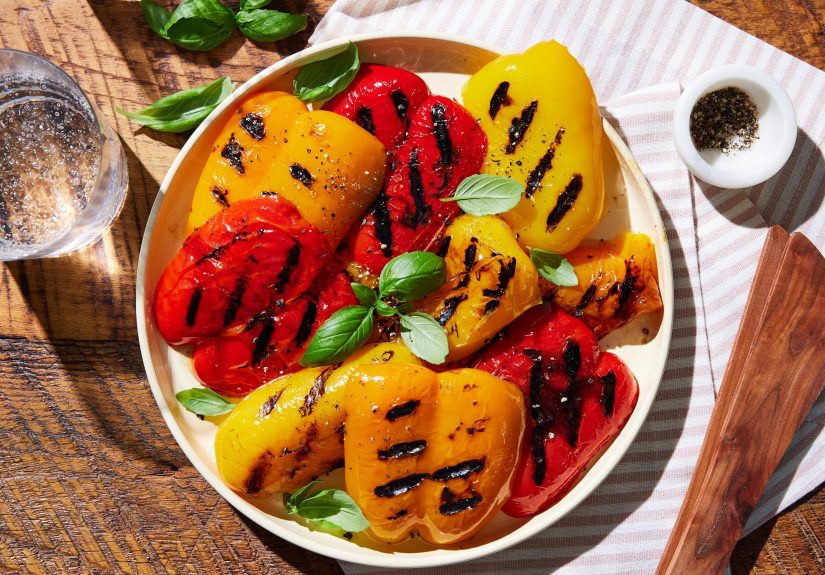
Grilled bell peppers bring smoke, char, and summer energy. You can grill whole peppers until blackened all over or grill pepper halves and quarters for cleaner handling. On a hot grill, peppers usually take about 8 to 15 minutes, depending on size and heat level.
Best for
Fajitas, kebabs, burgers, pasta salads, sandwiches, and outdoor dinners where people pretend they are “just here for the fresh air” while clearly circling the grill.
What to expect
Grilling adds a smoky edge that oven roasting cannot quite duplicate. The peppers stay a little firmer than broiled ones if you remove them earlier, or they become soft and peelable if you char them thoroughly.
Pro tip
Lightly oil the peppers and clean the grill grates first. For strips or wedges, use a grill basket if you do not want to lose your vegetables to the flames. Tiny tragic pepper rescues are not the most relaxing part of dinner.
5. How to Stir-Fry Bell Peppers
For a fast, high-heat method that keeps peppers colorful and lively, go with a stir-fry. Cut peppers into thin strips or bite-size chunks and cook them in a very hot pan or wok with a bit of oil for about 3 to 5 minutes. Add them after ingredients that need more time, such as carrots or broccoli, but before delicate greens.
Best for
Chicken stir-fry, beef and pepper bowls, noodle dishes, fried rice, and quick weeknight dinners.
What to expect
Stir-fried peppers stay crisp-tender. They keep their bright color and fresh flavor, which makes them perfect when you want contrast rather than softness. This is not the method for deep caramelization. This is the method for speed, crunch, and dinner before your patience runs out.
Pro tip
Keep the peppers moving and do not drown them in sauce too early. If they sit in liquid from the start, they steam instead of sear. Sauce the dish near the end so the peppers still taste like peppers.
6. How to Stuff and Bake Bell Peppers
Stuffed bell peppers are part comfort food, part edible serving dish, and entirely satisfying. Slice the tops off whole peppers or halve them lengthwise. Fill them with cooked rice, grains, meat, beans, vegetables, cheese, or a combination of all of the above. Bake at 350°F to 375°F until the peppers are tender and the filling is hot, usually 35 to 50 minutes.
Best for
Make-ahead dinners, family meals, leftovers, and “I want something hearty but I also want to pretend vegetables are the star” situations.
What to expect
The peppers soften as they bake, and their sweetness works beautifully with savory fillings like sausage, ground turkey, black beans, tomato sauce, and cheese. Some people like peppers very tender; others prefer them with a little bite. You can control that by partially precooking the peppers or baking them longer.
Pro tip
Add a small amount of water or sauce to the bottom of the baking dish and cover with foil for the first part of baking. That gentle steam helps soften the peppers without drying out the filling. Remove the foil near the end if you want bubbly cheese or browned tops.
7. How to Air Fry Bell Peppers
Air fryer bell peppers are the answer when you want roasted flavor fast. Toss sliced peppers with a little oil and seasoning, then air fry at 350°F to 375°F for about 7 to 10 minutes, shaking once midway through cooking.
Best for
Quick side dishes, fajita fillings, meal prep, and small-batch cooking when turning on the oven feels wildly unnecessary.
What to expect
Air frying gives peppers browned edges and tender centers in less time than oven roasting. The texture lands somewhere between roasting and sautéing. It is especially useful for sliced peppers and onions, which become sweet and lightly caramelized without much fuss.
Pro tip
Do not overfill the basket. Hot air needs room to circulate. If the basket is too crowded, the peppers cook unevenly and you will end up with a strange mix of floppy and underdone. That is a texture puzzle nobody requested.
Common Mistakes to Avoid When Cooking Bell Peppers
Cutting them unevenly
If some pieces are paper-thin and others are giant slabs, they will not cook at the same rate. Keep the cuts as uniform as possible.
Using heat that is too low
Low heat can soften peppers, but it will not build much flavor. If you want browning, char, or caramelization, give the pan, oven, broiler, grill, or air fryer enough heat to do the job.
Overcooking when you wanted crunch
Bell peppers move fast, especially in a stir-fry or skillet. Once they go from crisp-tender to fully soft, there is no reverse button.
Seasoning too timidly
Peppers are sweet and mild, which means they love garlic, onions, cumin, smoked paprika, black pepper, Italian herbs, soy sauce, vinegar, citrus, and cheese. Season like you mean it.
Which Cooking Method Is Best?
The best method depends on the texture and flavor you want:
- For sweetness and tenderness: roast or air fry.
- For smoky char: grill or broil.
- For quick weeknight use: sauté or stir-fry.
- For a full meal: stuff and bake.
- For meal prep versatility: roast a big batch and use them all week.
That is really the joy of cooking bell peppers. You are not locked into one personality. A pepper can be crisp, silky, smoky, juicy, blistered, cheesy, or deeply savory depending on how you cook it. It is the culinary equivalent of a friend who somehow looks good in every outfit and never complains about the group text.
Conclusion
Knowing how to cook bell peppers gives you one of the most useful kitchen skills you can have. These vegetables are affordable, colorful, easy to prep, and wildly flexible. Sauté them for sandwiches, roast them for meal prep, broil them for quick char, grill them for smoky flavor, stir-fry them for crunch, stuff them for dinner, or air fry them when time is short. Once you understand what each method does, you can stop treating bell peppers like an afterthought and start using them like the flavor-building workhorses they are.
In other words, bell peppers are not just salad filler. They are weeknight heroes wearing shiny jackets.
Kitchen Experiences and Lessons From Cooking Bell Peppers 7 Ways
One of the funniest things about cooking bell peppers is how often people underestimate them. They look neat, polite, and almost decorative in the produce aisle, like they exist mainly to make other vegetables feel more photogenic. Then you bring them home, cook them properly, and realize they can completely change a dish. A pan of onions is good. A pan of onions and peppers is dinner beginning to tell a story.
Many home cooks first learn this with a quick skillet meal. You throw sliced peppers into a hot pan, maybe alongside onions, maybe with sausage, chicken, or steak, and within minutes the kitchen smells like you had a real plan all along. The peppers soften, their sweetness comes forward, and suddenly a basic protein tastes more complete. That is part of the experience of cooking peppers: they make other ingredients taste more confident.
Roasting teaches a different lesson. Raw bell peppers are crisp and bright, but roasted peppers are mellow, rich, and almost luxurious. The first time you peel the skin off a charred pepper and see how soft and silky the flesh has become, it feels slightly miraculous. You started with something crunchy and ended with something that belongs on toast, pasta, sandwiches, grain bowls, and cheese boards. Very few vegetables have that kind of range without becoming annoying about it.
Grilling peppers adds another layer of experience because it teaches restraint. It is tempting to keep turning them, poking them, and hovering like an overly concerned lifeguard. But peppers do better when you let the heat work. Give them time to blister. Let the skin blacken. Let them pick up real flavor. Cooking bell peppers well often means trusting that slightly messy-looking moments lead to delicious results.
Stuffed peppers, meanwhile, teach practicality. They are efficient, filling, and flexible. Leftover rice? Great. Half an onion? Perfect. A little ground turkey, a scoop of beans, a handful of cheese, or random vegetables that need a purpose? Bell peppers are ready. They are one of those rare ingredients that can turn fridge odds and ends into something that looks intentional enough to serve to other people.
Air-frying and stir-frying peppers both deliver another useful experience: speed does not have to mean boring. When the heat is right, peppers cook quickly and still bring color, texture, and flavor. That makes them a favorite for weeknights, especially when energy is low and takeout is whispering your name from across the room.
Perhaps the biggest lesson from cooking bell peppers 7 ways is that texture matters as much as flavor. Some meals need peppers with a bite. Some need them soft and silky. Some need charred edges and a little smoke. Once you start noticing the difference, you stop asking, “How should I cook these?” and start asking, “What do I want these peppers to do?” That is when everyday cooking gets better. Not fancier. Just smarter, tastier, and much more satisfying.





 Close
Close