
Table of Contents >> Show >> Hide
- 1) Measure Your Blood Pressure the Right Way
- 2) Lose a Little Weight (If You Need To)
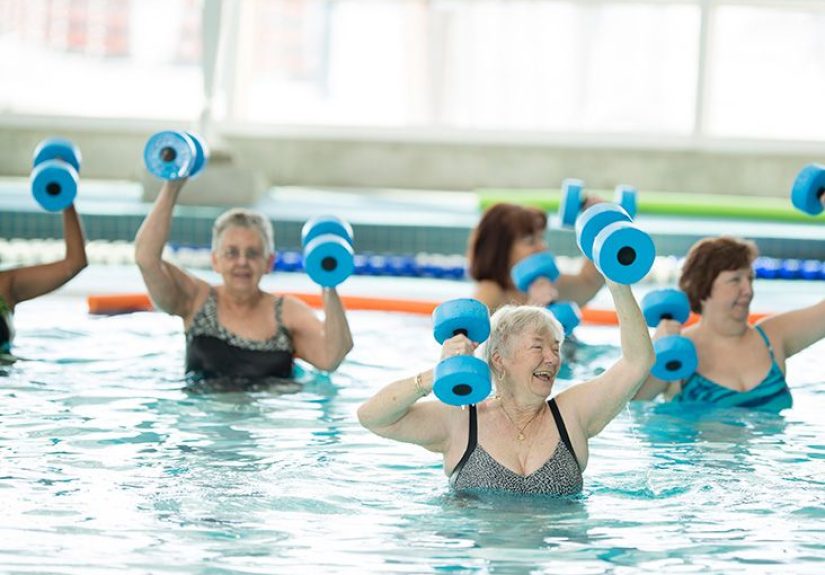
- 3) Do 150 Minutes of Weekly Cardio (The “Brisk Walk” Plan)
- 4) Add Strength Training (Yes, Even Light Weights Count)
- 5) Try Isometric Exercises (Tiny Time, Big Payoff)
- 6) Eat the DASH Way (A Fancy Name for Real Food)
- 7) Cut Sodium (Most of It Isn’t From Your Salt Shaker)
- 8) Boost Potassium (Food First, Unless Your Kidneys Say Otherwise)
- 9) Eat More Fiber (Your Arteries Will Thank Your Gut)
- 10) Dial Back Added Sugar and Refined Carbs
- 11) Drink Alcohol Like It’s a “Sometimes” Food
- 12) Quit Smoking (and Be Wary of Nicotine in Any Form)
- 13) Sleep Like It’s Your Job (Because Your Blood Pressure Thinks It Is)
- 14) Reduce Stress (Without Pretending Stress Doesn’t Exist)
- 15) Watch Your “Extras”: Caffeine, Cocoa, Probiotics, and Omega-3s
- Putting It All Together (So It Actually Happens)
- Real-World Experiences: What It’s Like to Actually Lower Your Blood Pressure (500-ish Words)
High blood pressure (a.k.a. hypertension) is the world’s most boring supervillain: quiet, persistent, and way too good at sneaking up on people.
The good news? For a lot of folks, everyday habits can make a real dent in their numberssometimes enough to prevent hypertension, and often enough to
support medication if you’re already on it.
Quick reality check (because your heart deserves honesty): if your blood pressure is consistently high, work with a clinician. And if you’re taking
blood pressure meds, don’t stop them just because you ate a salad and did a wall sit. Lifestyle changes are powerfulbut they’re not magic spells.
Think of them as stacking small wins that add up.
Below are 15 natural, evidence-backed strategieswritten in plain English, with practical examples, and zero “drink moon water at sunrise” energy.
1) Measure Your Blood Pressure the Right Way
Before you “fix” your blood pressure, make sure you’re not accidentally inventing high readings. Cuff size matters. So does posture.
Try this: sit quietly for 5 minutes, feet flat on the floor, back supported, arm at heart level, no talking (yes, even “just one quick thing”).
Take two readings a minute apart and record the average. Home monitoring can reveal patternslike “my numbers spike when I read work email.”
Try it today
- Take readings at the same time daily for one week.
- Bring your log to your next appointmentdoctors love data more than vibes.
2) Lose a Little Weight (If You Need To)
If you’re carrying extra weight, even a modest drop can help lower blood pressure. You don’t need a dramatic makeover montagejust consistent habits.
Focus on the “repeatable boring stuff”: smaller portions, fewer sugary drinks, and more movement. Waist size matters too; extra abdominal fat tends to
be more closely tied to blood pressure risk.
Example
Swap a daily sweet coffee drink for a smaller size or a less-sugary version. It’s not glamorousbut it’s a sneaky calorie cut that doesn’t feel like punishment.
3) Do 150 Minutes of Weekly Cardio (The “Brisk Walk” Plan)
Regular aerobic activity helps your blood vessels function better and can lower blood pressure over time. The classic target is about
150 minutes per week of moderate-intensity exercisethink brisk walking, cycling, swimming, or dancing like nobody’s watching (because… please).
Consistency beats intensity for most people.
Make it easy
- 30 minutes a day, 5 days a weekor break it into 10-minute chunks.
- Use the “talk test”: you can talk, but you can’t sing.
4) Add Strength Training (Yes, Even Light Weights Count)
Resistance training supports heart health, improves insulin sensitivity, and helps preserve muscle (especially as you age). You don’t need a hardcore
gym persona. Two days a week is a strong start. Bodyweight movements, resistance bands, or dumbbells all work.
Starter routine
- Squats to a chair, wall push-ups, band rows, and light dumbbell presses.
- 1–2 sets of 8–12 reps, moving slowly with good form.
5) Try Isometric Exercises (Tiny Time, Big Payoff)
Isometric trainingmuscle contraction without movementhas gained attention for blood pressure benefits. Think wall sits, planks, or handgrip holds.
It’s the fitness equivalent of “doing something” while barely moving. Start gently and breathe (seriouslydon’t hold your breath).
Simple option
Wall sit: 4 rounds of 30–45 seconds with rest in between. If your legs file a complaint, that’s normal.
6) Eat the DASH Way (A Fancy Name for Real Food)
DASH (Dietary Approaches to Stop Hypertension) is one of the most studied eating patterns for lowering blood pressure.
It emphasizes fruits, vegetables, whole grains, beans, nuts, and low-fat dairyplus lean proteins and fewer ultra-processed foods.
The nutrient combo (potassium, magnesium, calcium, fiber) is part of why it works.
What it looks like
- Breakfast: oatmeal + berries + yogurt
- Lunch: big salad + beans/chicken + olive oil vinaigrette
- Dinner: salmon + roasted veggies + brown rice
7) Cut Sodium (Most of It Isn’t From Your Salt Shaker)
Sodium is a major blood pressure lever for many people. The twist: most dietary sodium comes from packaged and restaurant foods, not home cooking.
Aim to reduce sodium graduallyyour taste buds adapt. Many heart-health recommendations suggest staying under about 2,300 mg/day, with an “ideal”
target closer to 1,500 mg/day for certain people (ask your clinician what fits you).
Fast wins
- Choose “no salt added” canned beans/veg, or rinse regular canned beans.
- Swap salty sauces for herbs, citrus, garlic, vinegar, and spices.
8) Boost Potassium (Food First, Unless Your Kidneys Say Otherwise)
Potassium helps your body balance sodium and supports blood vessel relaxation. Great sources include potatoes, bananas, beans, lentils,
leafy greens, avocados, and yogurt. If you have kidney disease or take certain meds, potassium targets can changeso don’t go rogue with supplements.
Easy add-ons
- Add spinach to eggs or pasta.
- Swap chips for a banana + peanut butter snack.
9) Eat More Fiber (Your Arteries Will Thank Your Gut)
Fiber supports weight management, improves blood sugar control, and is often part of healthy eating patterns linked with better blood pressure.
Most people under-eat it. Aim for more whole grains, beans, berries, vegetables, and nuts. Increase slowly and drink water unless you enjoy feeling
like a balloon animal.
Fiber “cheat code” meal
Bowl: quinoa + black beans + roasted veggies + salsa + avocado. It’s basically a blood pressure-friendly power-up.
10) Dial Back Added Sugar and Refined Carbs
Diets heavy in sugary drinks and refined carbs can contribute to weight gain and metabolic issues that nudge blood pressure up.
You don’t have to ban carbsjust upgrade them. Choose oats over pastries, brown rice over white rice sometimes, and fruit over candy more often than not.
One practical swap
Replace soda with sparkling water + citrus or unsweetened iced tea. If you miss sweetness, taper gradually.
11) Drink Alcohol Like It’s a “Sometimes” Food
Alcohol can raise blood pressure, especially at higher intakes. If you drink, keep it moderate:
many U.S. health organizations describe moderation as up to one drink per day for women and up to two for men.
“Saving up” drinks for the weekend doesn’t fool your blood vessels.
Strategy
- Alternate alcoholic drinks with water.
- Choose smaller pours (your future self will also sleep better).
12) Quit Smoking (and Be Wary of Nicotine in Any Form)
Nicotine and smoking damage blood vessels and raise cardiovascular risk. Quitting is one of the biggest heart-health moves you can make.
If you vape or use nicotine pouches, talk with a clinician about a planbecause “I’m not smoking” isn’t the same as “my blood vessels are thriving.”
What helps
Nicotine replacement, counseling, support groups, and quitlines can dramatically improve success rates compared with willpower alone.
13) Sleep Like It’s Your Job (Because Your Blood Pressure Thinks It Is)
Poor sleep and short sleep can push blood pressure higher. Aim for consistent, adequate sleep most nights.
If you snore loudly, wake up gasping, or feel exhausted despite “sleeping,” ask about sleep apneatreating it can help blood pressure in many people.
Sleep upgrade checklist
- Same bedtime/wake time most days
- Cool, dark room
- Screen time cut-off 30–60 minutes before bed
14) Reduce Stress (Without Pretending Stress Doesn’t Exist)
Stress doesn’t always cause long-term hypertension directly, but it can spike readings and drive habits that dolike stress-eating, drinking,
and doomscrolling at 1:00 a.m. Daily stress management is less about being “zen” and more about having a pressure-release valve.
Breathing exercises, meditation, yoga, walking outdoors, journaling, and social connection all count.
One-minute reset
Try slow breathing: inhale 4 seconds, exhale 6 seconds, repeat for 60–90 seconds. It’s surprisingly effective for “I’m about to explode” moments.
15) Watch Your “Extras”: Caffeine, Cocoa, Probiotics, and Omega-3s
Some “small things” can helpespecially when your foundation (diet, activity, sleep) is solid:
- Caffeine: some people see a temporary spike; test by checking BP before and 30–60 minutes after coffee.
- Unsweetened cocoa / dark chocolate: in modest portions, may support vascular functionjust don’t turn it into candy night.
- Probiotic foods: yogurt, kefir, kimchi, sauerkrauthelpful for some as part of a healthy diet pattern.
- Omega-3s: fatty fish (salmon, sardines) a couple times a week supports heart health; supplements should be discussed with a clinician.
Putting It All Together (So It Actually Happens)
The best natural ways to lower blood pressure aren’t “secret.” They’re the repeatable basics: eat mostly whole foods (DASH-style),
reduce sodium, move your body, maintain a healthy weight, sleep consistently, manage stress, avoid nicotine, and keep alcohol in check.
If that sounds like a lot, pick two changes for the next 14 days and do them well. Momentum beats perfection.
A simple 2-week starter plan
- Walk 10 minutes after lunch and dinner.
- Cook at home 4 nights a week using low-sodium ingredients.
- Take home BP readings 4 days a week and track them.
Real-World Experiences: What It’s Like to Actually Lower Your Blood Pressure (500-ish Words)
Here’s the part nobody tells you: lowering your blood pressure naturally is less like flipping a switch and more like training a puppy. Progress is real,
but it’s not always linearand sometimes it pees on the rug.
A lot of people start with home readings and have a mini identity crisis when they see how wildly numbers can bounce. One day you’re a model citizen at
122/78; the next day you’re 138/86 because you argued with customer support and your coffee had “extra espresso, as a treat.” This is why patterns matter
more than single readings. Once folks start measuring correctly and consistently, the first “win” is often simply realizing: “Oh, my body has moods.”
The next common experience is sodium shock. People expect salt to come from the salt shakerthen they look at a label on canned soup or a “healthy”
sandwich and feel personally betrayed. The funny thing is, once you cut back for a couple of weeks, your taste buds recalibrate. Suddenly, restaurant food
tastes like the ocean. That’s not you being dramatic; that’s your palate rebooting like a laptop.
Movement changes tend to sneak up on people, too. Many folks start walking because it feels “too easy to matter,” and thenannoyinglyit matters.
After a few weeks, they notice they’re less winded on stairs, they sleep a little deeper, and their readings calm down. The “walk after meals” trick is
especially popular because it doesn’t require a gym, special shoes, or a pep talk from an influencer. You just… walk. Like a normal mammal.
Stress management is where people get skeptical. “Breathing exercises? Really?” And then someone tries slow breathing during a tense work call,
and their shoulders drop about three inches. It’s not that stress disappearsit’s that your nervous system gets a new default setting that isn’t
“constant emergency.” The big surprise is how much sleep overlaps with everything. Once people improve sleep consistency, cravings often drop,
workouts feel less miserable, and they’re less likely to self-medicate with late-night snacks or extra drinks.
Finally, the most common experience: the best plan is the one you can repeat. People who win long-term usually don’t do the most extreme changes.
They do the most sustainable oneslike cooking a few more meals at home, keeping salty snacks as “sometimes,” walking most days, and taking their meds
as prescribed if they have them. And yes, many celebrate the first time their clinician says, “Whatever you’re doingkeep doing it.” That line hits harder
than any motivational quote on a water bottle.





 Close
Close