
Table of Contents >> Show >> Hide
- What Is a Succulent Gumball Terrarium?
- Before You Build: The Most Important Rule
- Supplies You’ll Need
- How to Choose the Right Succulents
- Step-by-Step: How to Make a Succulent Gumball Terrarium
- How to Care for a Succulent Gumball Terrarium
- Common Problems and How to Fix Them
- Design Ideas for a Stunning Succulent Gumball Terrarium
- Experience-Based Notes and Practical Lessons (Extended 500+ Words)
- Conclusion
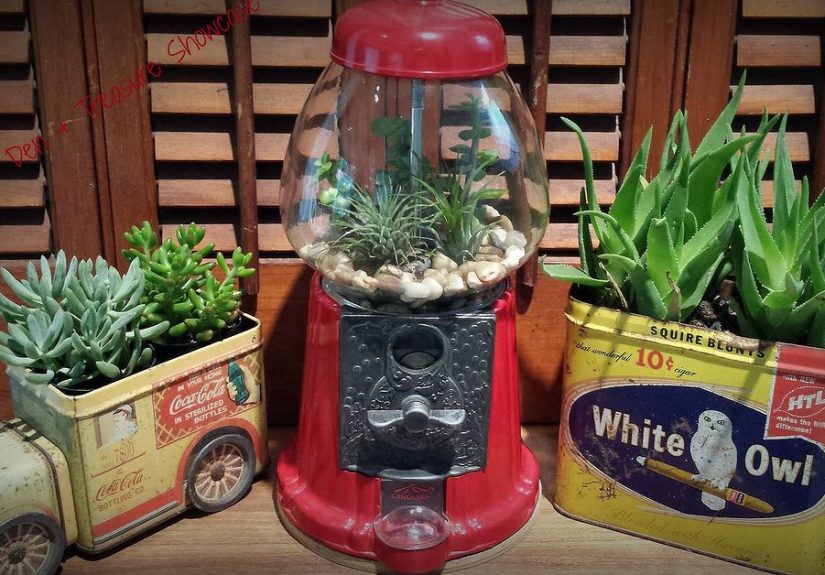
If a vintage gumball machine and a tiny desert garden had a very stylish baby, it would be a succulent gumball terrarium. It’s whimsical, a little retro, and surprisingly practicalassuming you don’t treat it like a fish tank for plants. (Succulents are cute, but they are not fans of soggy drama.)
A succulent gumball terrarium is essentially an open terrarium-style succulent display made inside an upcycled gumball machine globe. The look is part nostalgia, part modern decor, and part “I found this at a thrift store and now I feel invincible.” The key to success is understanding one thing: succulents prefer bright light, low humidity, and careful watering. That means your build needs to prioritize airflow and moisture control from the start.
In this guide, you’ll learn how to design, build, style, and maintain a succulent gumball terrarium that looks amazing and stays healthy longer. We’ll also cover common mistakes, troubleshooting tips, and real-world experience-based lessons so your mini garden doesn’t become a tiny plant crime scene.
What Is a Succulent Gumball Terrarium?
A succulent gumball terrarium is a decorative planter made by repurposing a gumball machineoften a thrifted metal-and-glass or plastic modelinto a miniature succulent display. The transparent globe creates a fun showcase effect, while the base gives it a bold, sculptural look that stands out on shelves, desks, or side tables.
Technically, many of these builds are closer to an open dish garden than a classic sealed terrarium. That’s a good thing. Traditional closed terrariums hold humidity and are better for moisture-loving plants like mosses and ferns. Succulents, on the other hand, generally do best in open containers with lower humidity and better airflow.
Why This DIY Project Is So Popular
- Upcycling appeal: You can rescue an old gumball machine instead of buying a pricey designer planter.
- Visual impact: The globe creates a “living snow globe” effectminus the snow and plus the chlorophyll.
- Custom styling: You can go desert-modern, fairy garden, boho, minimalist, or maximalist chaos (tastefully).
- Beginner-friendly: Small succulents are relatively low-maintenance when set up correctly.
Before You Build: The Most Important Rule
Use an open setup or a vented top. Succulents generally dislike trapped humidity. If your gumball machine has a lid, keep it off, use it loosely, or ventilate it so moisture doesn’t linger inside. Foggy glass is your terrarium’s way of saying, “I’m sweating and I hate it.”
Also remember: most gumball machines are decorative containers without drainage holes. That means you must water carefully and avoid overpacking with moisture-retentive soil. A beautiful setup can fail fast if the roots stay wet.
Supplies You’ll Need
Core Materials
- Clean gumball machine (glass or clear plastic globe)
- Small succulents (2–5 depending on size)
- Succulent/cactus potting mix (fast-draining)
- Coarse grit, pumice, or perlite (optional but very helpful)
- Small stones or gravel (for decorative top layer or base layer)
- Activated charcoal (optional, often used in terrarium builds)
- Long spoon, chopsticks, or tweezers for arranging plants
- Soft brush or cloth for cleaning the inside of the globe
- Squeeze bottle, turkey baster, or small watering bottle for precise watering
Optional Styling Add-Ons
- Decorative sand (use sparingly and don’t bury plant crowns)
- Driftwood, pebbles, shells, or tiny figurines
- Mini LED puck light nearby (not inside damp areas)
- A removable inner liner cup or nursery pot for easier maintenance
How to Choose the Right Succulents
The best succulent gumball terrarium plants are small, slow-growing, and compatible in light/water needs. You want plants that can handle bright light and infrequent watering without turning into giant root monsters in six weeks.
Great Choices for a Gumball Terrarium
- Haworthia (compact, architectural, beginner-friendly)
- Gasteria (tolerates indoor conditions well)
- Small Echeveria (beautiful rosettes, lots of color variation)
- Sedum varieties (for texture and trailing detail)
- Crassula types (compact forms work nicely)
- Sempervivum (if your light is strong enough and conditions are airy)
Plants to Avoid (Usually)
- Large or fast-growing succulents that quickly outgrow the globe
- Plants with very different watering needs mixed together
- Humidity-loving terrarium plants (moss, ferns) mixed with succulents
- Spiky cacti in tight-globe arrangements (beautiful, but not fun to plant around fingers)
Pro tip: choose plants with different shapes, heights, and textures for a more polished look. A rosette, a columnar accent, and a trailing edge plant create a balanced composition without making it look like a crowded plant elevator.
Step-by-Step: How to Make a Succulent Gumball Terrarium
1) Clean and Prep the Gumball Machine
Wash and dry the globe thoroughly. Remove dust, sticky residue, and old candy smells (because your plants do not need to live in a peppermint-scented biosphere). If the machine is thrifted, inspect it for rust, loose screws, sharp edges, and unstable parts.
If your gumball machine has interior mechanisms or a central pole, decide whether to:
- Remove them for more planting space, or
- Build around them and use them as part of the structure.
If you’re worried about soil getting into the base or mechanism area, use a small liner cup, plastic insert, or shaped barrier. This also makes future repotting easier.
2) Build the Base Layer
In containers without drainage holes, many DIYers add a base layer of gravel or pebbles. You can also add a small amount of horticultural charcoal if you like. Some modern gardeners prefer minimizing heavy stone layers and focusing more on a fast-draining soil mix and careful watering.
Practical compromise for a gumball terrarium: use a light, shallow base layer (or a removable inner pot) and prioritize a gritty succulent mix above it. The goal is to reduce root contact with lingering moisture, not create a swamp under a layer of pretty rocks.
3) Add the Soil Mix
Use cactus/succulent soil and improve drainage if needed with perlite, pumice, or coarse grit. Many standard potting soils hold too much water for succulentsespecially inside a glass container with no drain hole.
Add enough soil to anchor roots while leaving space below the rim for planting and decoration. You can create a gentle slope for visual depth, but don’t build a mountain range so steep that watering runs everything downhill.
4) Arrange Before Planting
Set your plants on top of the soil first to test layout. Place the tallest or boldest plant slightly off-center, then fill in around it with smaller succulents. Leave a little space between plants for airflow and future growth.
This “dry layout” step saves you from replanting everything after realizing your favorite rosette is hidden behind a decorative pebble the size of a potato.
5) Plant the Succulents
Gently remove each plant from its nursery pot, loosen compacted roots, and plant at the same depth it was previously growing. Firm the soil lightly around the roots. Avoid burying leaves or crowns, which can trap moisture and encourage rot.
Use chopsticks, tweezers, or a spoon handle to work in tight spaces and tuck soil where your fingers can’t go. This is where the gumball globe gets charmingand mildly awkward.
6) Add Decorative Elements (Optional)
Add stones, driftwood, or mini accents after planting. Keep decor from touching delicate leaves too tightly, and avoid sealing the soil surface under thick decorative layers that slow evaporation.
If you use sand, use it as a light accent, not a blanket. Succulents love style, but they still need their soil to dry properly.
7) Water Very Lightly
After planting, give the arrangement a light initial watering to settle the rootsjust enough to moisten the soil, not saturate it. In a no-drain container, less is more. Always.
A squeeze bottle or baster helps you target the soil line without wetting leaves and splashing the glass. If water runs down and pools heavily at the bottom, pause and let the setup dry out thoroughly before watering again.
How to Care for a Succulent Gumball Terrarium
Light: Bright Is Good, Blazing Is Risky
Most succulents prefer bright light and many need at least several hours of strong light daily. Indoors, a bright window is ideal, and supplemental grow lights can help. However, be careful with direct sun hitting a glass globe for long periodsglass can intensify heat and create a mini oven effect.
Best placement for many indoor setups: bright, indirect light or gentle direct morning sun with monitoring. Rotate the terrarium regularly so plants grow evenly instead of leaning like they’re chasing gossip near the window.
Watering: The “Soak and Patience” Mindset
Succulents are drought-tolerant, but they still need waterjust not on a random emotional schedule. Let the soil dry fully before watering again. In many indoor conditions, that may mean every 2–3 weeks or even less often, especially in winter.
Because a gumball terrarium usually lacks drainage, water in tiny amounts and observe. Wrinkled lower leaves can signal thirst, while mushy yellowing leaves and persistent damp soil often signal overwatering.
Humidity and Airflow
Keep humidity low. If the inside glass fogs, remove the lid (if present), improve airflow, and stop watering until the soil dries. Succulents generally prefer drier indoor conditions and can rot quickly in stagnant humidity.
Fertilizer
Use fertilizer sparingly, if at all. Small terrarium-style succulent arrangements don’t need heavy feeding. If you do fertilize, a diluted succulent fertilizer during active growth (spring/summer) is enough. Overfeeding can cause weak, stretched growth and faster crowding.
Pruning and Refreshing
Remove dead leaves promptly to reduce mold risk and keep the display clean. Trim leggy growth, re-root cuttings if needed, and replace plants that outgrow the space. Tiny terrariums are living decor, so occasional refreshes are normal.
Common Problems and How to Fix Them
Problem 1: Mushy Leaves, Yellowing, or Dropping Leaves
Likely cause: Overwatering or soil staying wet too long.
Fix: Stop watering, increase airflow, move to brighter light, and consider repotting into a grittier mix. Remove damaged tissue if rot is spreading.
Problem 2: Stretching or Leaning (Etiolation)
Likely cause: Not enough light.
Fix: Move to a brighter location or add a grow light. Rotate regularly. You may need to trim and replant stretched stems for a cleaner look.
Problem 3: Foggy Glass and Condensation
Likely cause: Too much moisture and/or a covered top.
Fix: Vent the container, reduce watering, and remove any lid. Wipe the glass so you can monitor new condensation.
Problem 4: Mold, Fungus Gnats, or Sour Smell
Likely cause: Excess moisture, decaying leaves, poor airflow.
Fix: Remove debris, let soil dry, improve airflow, and refresh part of the soil if needed. Charcoal is optional, but moisture control is the real hero.
Design Ideas for a Stunning Succulent Gumball Terrarium
1) Retro Diner Pop
Keep the classic red gumball base, use white pebbles, and plant green rosettes with one burgundy accent succulent. It looks cheerful, nostalgic, and surprisingly modern.
2) Minimal Desert Zen
Neutral gravel, one sculptural haworthia, one smooth stone, and lots of open space. This style proves that restraint can be dramatic.
3) Whimsical Tiny Landscape
Use varied textures, a small driftwood piece, and a tiny path of pebbles. Just don’t overcrowd it with miniatures until the plants disappear like supporting actors in their own movie.
Experience-Based Notes and Practical Lessons (Extended 500+ Words)
One of the most common experiences people have with a succulent gumball terrarium is that the first version is usually too wet. It’s not because the project is difficultit’s because the container is adorable, and adorable containers make people generous with water. A lot of DIYers build a gorgeous arrangement, mist it every few days “just to help,” and then wonder why the leaves begin to soften, yellow, or drop. In no-drain decorative containers, the learning curve is mostly about restraint. Once people switch from frequent misting to slow, targeted watering only when the soil is fully dry, the terrarium tends to improve dramatically.
Another very relatable experience is underestimating light direction. A gumball terrarium looks amazing in the center of a dining table or on a bookshelf, but many homes simply don’t provide enough light in those spots for succulents to stay compact. What often happens is this: the arrangement looks perfect for two to four weeks, then one plant starts leaning, another stretches, and the “mini desert” slowly turns into a botanical reach-for-the-sky competition. The fix is usually simplemove it closer to a bright window or add a discreet grow light nearby. People are often surprised by how quickly succulents respond when lighting improves.
A surprisingly helpful real-world trick is using a removable inner container hidden inside the globe. Many crafters discover this after trying to repot directly in a heavy gumball machine and realizing maintenance is awkward. With an inner cup or nursery pot, you can lift the planting out, check roots, clean the glass, or water more precisely without tipping the whole structure. It also protects older gumball machine parts from moisture damage. This approach keeps the upcycled look while making the project far more practical long-term.
People also report that the most successful designs are not the most crowded ones. In the beginning, it’s tempting to use every succulent from the nursery tray because they are all tiny and irresistible. But after a month or two, airflow drops, leaves touch the glass, and the arrangement starts looking cramped. The better experience usually comes from planting fewer specimens and leaving intentional open areas. The composition looks more professional, the plants dry more evenly, and troubleshooting becomes easier because you can actually see the soil surface.
There’s also the “decor got carried away” phase, which is honestly part of the fun. Pebble rivers, colored sand, fairy figurines, tiny benchesgreat in moderation. But when decorative materials cover too much of the soil or trap moisture against stems, maintenance gets harder. Many DIYers eventually settle into a balanced style: one focal plant, one companion plant, a textural accent, and a few decorative stones. It still feels creative without compromising plant health.
Finally, one of the best experiences with succulent gumball terrariums is how adaptable they are over time. If a plant outgrows the globe, you can move it to a pot and replace it with a cutting. If your style changes, repaint the base and redo the scene. If a section looks tired, refresh just the top layer and rotate the arrangement. In other words, this project is not a one-and-done craftit’s a living decor piece that can evolve with your space. And that’s what makes it so satisfying: a little thrift-store nostalgia, a little plant science, and a lot of personality in one very round package.
Conclusion
A succulent gumball terrarium is one of those rare DIY projects that delivers charm, creativity, and functionality in a single build. The secret is treating it less like a sealed rainforest and more like a carefully managed open succulent display. Start with the right plants, use fast-draining soil, give it bright light, and water with a light hand. Do that, and your upcycled gumball machine can become a standout piece of living decor that lasts far longer than a pack of bubblegum ever would.






 Close
Close