
Table of Contents >> Show >> Hide
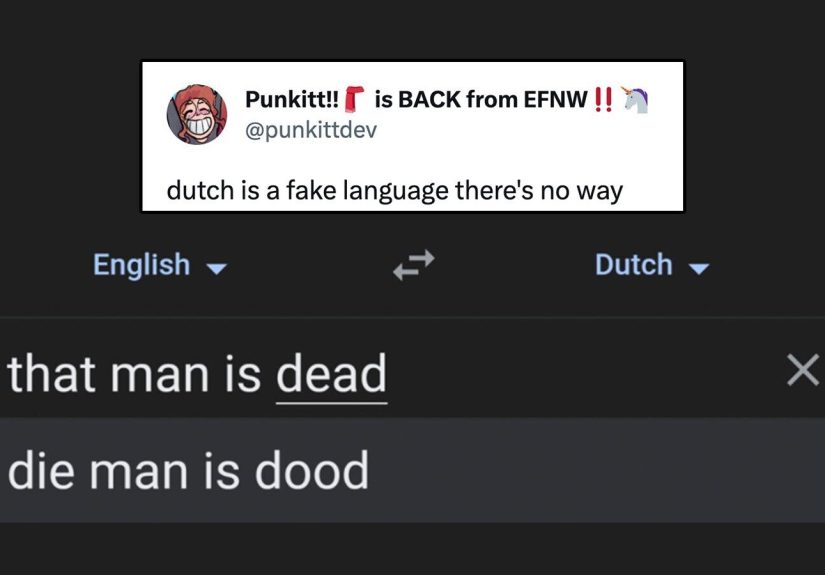
Dutch is absolutely a real language. It is official in the Netherlands, Belgium, Suriname, Aruba, Curaçao, and Sint Maarten; it has millions of native speakers; and it belongs to the same West Germanic family tree as English and German. But to English-speaking ears hearing it for the first time, Dutch can sound like someone put German, English, throat-clearing, bicycle bells, and a handful of Scrabble tiles into a windmill and pressed “blend.”
That is not an insult. In fact, it is part of the fun. Dutch has a muscular, practical, wonderfully strange personality. It stacks words together like LEGO bricks. It turns tiny expressions into cultural philosophies. It makes innocent grocery items sound like medieval spells. And yes, the famous Dutch “g” can make beginners feel like they are trying to start a lawn mower with their throat.
So let’s celebrate the beautiful weirdness. Here are 14 hilarious examples of Dutch not sounding like a real languageplus why each one actually makes perfect sense once you peek under the linguistic hood.
Why Dutch Sounds So Wild to English Speakers
English and Dutch are cousins, not strangers. Both are Germanic languages, which is why some Dutch words look suspiciously familiar. “Water” is water. “Melk” is milk. “Kat” is cat. Then, just as you relax, Dutch throws out something like gezellig or Scheveningen, and your tongue immediately files for workers’ compensation.
The comedy comes from several real features: guttural consonants, long compound words, flexible meanings, and word order that sometimes sends the verb to the end of the sentence like it has been grounded. Dutch is not random. It is systematic. It simply follows rules that English speakers do not expect, which is exactly why it can sound so delightfully unreal.
14 Hilarious Examples of Dutch Not Sounding Like a Real Language
1. Gezellig
Meaning: cozy, pleasant, sociable, warm, fun, comfortable, and somehow all of those at once.
Gezellig may be the unofficial mascot of Dutch vocabulary. It is used for a candlelit café, a dinner with friends, a charming room, a relaxed evening, or a conversation that makes everyone feel human again. English needs a whole paragraph; Dutch needs one word that sounds like a tiny engine coughing politely.
The funny part is that beginners often try to pronounce it like “guh-ZELL-ig,” but the real sound involves that famous Dutch throat friction. It is less “cozy blanket” and more “cozy blanket being dragged across gravel.” Yet culturally, it is one of the warmest words in the language.
2. Lekker
Meaning: tasty, nice, good, pleasant, attractive, comfortable, or satisfying.
If Dutch had a Swiss Army knife word, it would be lekker. Food can be lekker. Weather can be lekker. A nap can be lekker. Someone can look lekker. A chair can feel lekker. At some point, English speakers begin to suspect Dutch people discovered one adjective and heroically decided to use it for everything.
But the logic is charming: lekker signals enjoyment. If something feels good, tastes good, looks good, or simply improves your day, it may qualify. It is efficient, expressive, and just vague enough to be dangerous in the hands of a tourist.
3. Graag gedaan
Meaning: you’re welcome; literally, “gladly done.”
Graag gedaan is a polite phrase that sounds, to beginners, like a dragon clearing its schedule. The word graag begins and ends with sounds that can feel unfamiliar, and gedaan adds another throaty challenge. Yet the phrase is sweet. It basically says, “I did it gladly.”
That is the Dutch magic trick: the surface may sound gravelly, but the meaning is courteous and warm. It is linguistic espressostrong, efficient, and surprisingly pleasant once you stop panicking.
4. Scheveningen
Meaning: a seaside district of The Hague.
Scheveningen is the word learners meet when Dutch wants to remind them who is boss. It begins with a cluster that looks like someone spilled consonants on the floor: “Sch.” Then it keeps going. The result is a beach destination that sounds like a spell you cast to summon wind, herring, and a tram ticket.
The reason this word is so famous is simple: it combines several sounds that many non-native speakers find difficult. It is not impossible, but it demands commitment. You cannot mumble your way through Scheveningen. Dutch will know.
5. Achtentachtig prachtige grachten
Meaning: eighty-eight beautiful canals.
This phrase is a pronunciation gym. It includes repeated ch and g sounds, plus a rhythm that makes English speakers feel like they have entered a competitive throat-clearing event. Say it slowly: acht-en-tachtig prachtige grachten. Now say it fast. Congratulations, you have either spoken Dutch or started a motorcycle.
It is also wonderfully Dutch in content. Of course the tongue twister involves canals. If English tongue twisters have seashells, Dutch tongue twisters have waterways and architectural elegance.
6. Pindakaas
Meaning: peanut butter; literally, “peanut cheese.”
Nothing prepares an English speaker for the emotional experience of learning that peanut butter is pindakaas. “Peanut cheese” sounds like a product invented by a confused lunchbox. But the word has a practical history: Dutch uses kaas here not because peanut butter is cheese, but because the spread was named in a way that fit Dutch food-labeling and naming habits.
The result is comedy gold. A sandwich with peanut butter becomes a meeting between a legume and a dairy metaphor, and somehow everyone in the Netherlands acts like this is normal. Honestly, they may be right.
7. Stofzuiger
Meaning: vacuum cleaner; literally, “dust sucker.”
Stofzuiger is one of those Dutch words that makes English look unnecessarily fancy. Why call it a “vacuum cleaner” when you can call it exactly what it does? It sucks dust. Dust sucker. Case closed.
This is where Dutch compounds become hilarious and brilliant. The language often builds nouns by combining clear pieces. Stof means dust or substance, and zuiger comes from sucking. The result sounds like a cartoon villain but describes a household appliance with engineering-level honesty.
8. Slagroom
Meaning: whipped cream.
To English eyes, slagroom looks alarming. It resembles “slap room,” “slug room,” or some kind of suspicious basement situation. In reality, it is whipped creamthe fluffy cloud that sits on cake, coffee, or waffles like edible upholstery.
The humor comes from false friends and visual confusion. Dutch spelling can look familiar enough to tempt English speakers into bad guesses, but those guesses often crash beautifully. Slagroom is not dangerous. It is dessert wearing a leather jacket.
9. Boterham
Meaning: a slice of bread or sandwich.
Boterham looks like “butter ham,” which sounds like either breakfast or a legal issue. But in Dutch, it refers to a slice of bread, often with something on it. It does not require ham. It does not even require butter. A boterham met kaas is bread with cheese, not a butter-ham-cheese identity crisis.
This is one of the pleasures of learning Dutch: words carry history, habit, and cultural shorthand. Literal translation gives you the joke; actual usage gives you the meaning.
10. Appeltje-eitje
Meaning: easy peasy; literally, “little apple, little egg.”
Every language has an expression for “that was easy.” English has “piece of cake.” Dutch looked at the snack table and chose appeltje-eitje: little apple, little egg. It sounds like something a friendly farmer says before assembling IKEA furniture in six minutes.
The phrase is cute, rhythmic, and memorable. It also proves that Dutch can be adorable when it wants to be. Yes, it has guttural sounds. Yes, it can build skyscraper nouns. But it can also say “little apple, little egg” and somehow mean “no problem.”
11. Klokhuis
Meaning: apple core; literally, “clock house.”
Klokhuis is another compound that feels like a riddle. Klok can mean clock or bell, and huis means house. Put them together and you get the core of an apple. Naturally. Obviously. How could it be anything else?
Historically and visually, the inner part of an apple has been compared to a small structure or casing. But to modern English speakers, “clock house” sounds like a building where retired cuckoo clocks go to argue. Dutch compounds often reveal logic, but only after they have made you laugh first.
12. Uitwaaien
Meaning: to go outside in the wind, often to clear your head.
Uitwaaien is one of the most beautifully Dutch ideas: stepping into the wind so your brain can stop behaving like a browser with 47 tabs open. The Netherlands has wind, open skies, beaches, bicycles, and weather that sometimes feels like it was designed by a moody poet. So of course there is a verb for letting the wind reset your nervous system.
English can describe it, but Dutch packs the whole experience into one word. It is not just walking. It is not just getting fresh air. It is being lightly bullied by the atmosphere until you feel better.
13. Alsjeblieft and alstublieft
Meaning: please, or “here you go.”
Dutch manners come with options. Alsjeblieft is informal, while alstublieft is more formal. Both can mean “please,” and both can also be used when handing something to someone, like “here you go.” For English speakers, this feels like a polite word wearing two hats and refusing to explain itself.
The words look long, but they come from older phrases meaning roughly “if it pleases you.” Over time, everyday speech compressed them into the efficient mouthfuls used today. Dutch politeness is economical, but it still makes you work for the syllables.
14. Hottentottententententoonstelling
Meaning: a famous exaggerated compound often translated as something like “tent exhibition,” built from repeated syllables.
This one needs a careful note. The first element comes from an old European term historically used for the Khoikhoi people of southern Africa, and today that term is considered outdated and offensive. So this is not a word to casually use as a joke in normal conversation. Its relevance here is mainly linguistic: it is often cited as an example of how Dutch compounds can stack repeated pieces into a word that looks completely invented.
What makes it funny from a language-learning perspective is the structure: Dutch can combine nouns into long chains, and the repeated tenten pattern turns the word into a visual obstacle course. It looks like a keyboard got stuck, but it follows the same compounding principle behind practical words like stofzuiger and pindakaas.
The Real Linguistic Reasons Dutch Sounds “Fake”
The Dutch “G” Is Doing Heavy Lifting
The guttural Dutch g and ch sounds are among the first things learners notice. Depending on the region, the sound may be harder or softer, but it often comes from the back of the mouth or throat. English speakers are not used to placing so much action back there unless they are gargling mouthwash.
This is why words like goedemorgen, graag, gezellig, and gracht can sound dramatic. Dutch is not yelling at you. It is simply using consonants in places English speakers rarely visit.
Compound Nouns Make Dutch Look Like a Word Factory
Dutch compounds are logical, productive, and often hilarious. Instead of inventing a completely new word, Dutch frequently combines existing words. A vacuum cleaner becomes a dust sucker. Peanut butter becomes peanut cheese. A traffic light can be described with pieces that point directly to traffic and lights. The system is efficient, but the results can look like someone forgot to use spaces.
English has compounds toobedroom, toothbrush, airportbut Dutch is more comfortable letting compounds grow. That gives the language its wonderfully long, train-like nouns.
Word Order Can Feel Like a Suspense Movie
Dutch main clauses often place the finite verb in second position, but other verbs may show up later. In subordinate clauses, verbs can gather at the end. For English speakers, this creates suspense. You may understand the nouns, the time, the place, and the mood, but you are still waiting for the action to arrive like a delayed train.
Once you learn the pattern, it becomes elegant. Until then, Dutch sentences can feel like they are holding the verb hostage for dramatic effect.
The “IJ” Looks Like a Typographical Prank
The Dutch ij is a digraph: two letters working together to represent one sound. It appears in famous names and places like IJsselmeer and IJmuiden. To English speakers, it can look like someone typed a lowercase L, a J, or a secret code. In Dutch, it is normal. In your first week of learning Dutch, it is a tiny alphabetic jump scare.
Experiences Related to Dutch Sounding Unreal
One of the funniest experiences with Dutch happens the first time you try to use it in public. You practice a phrase quietly, maybe goedemorgen or dankjewel, feeling brave and international. Then you say it to a Dutch person, and they immediately reply in perfect English. It is both helpful and emotionally devastating. You came prepared to climb the mountain, and the mountain said, “No worries, I speak English.”
Another classic moment is ordering food. You see pindakaas and think, “Peanut cheese? Is this legal?” Then you learn it means peanut butter and begin questioning every label in the supermarket. Slagroom appears near desserts and sounds like it belongs in a dungeon. Boterham appears at lunch and refuses to contain ham. Dutch groceries become a comedy museum where every shelf has a punchline.
Pronunciation brings its own adventures. Many learners begin with optimism: “How hard can g be?” Five minutes later, they are standing in front of a mirror, making sounds normally reserved for haunted plumbing. The word gezellig is especially cruel because it describes something warm and cozy while requiring a sound that feels like scraping ice off a windshield. It is the linguistic equivalent of a teddy bear with a chainsaw voice.
Then there is the bicycle effect. Dutch sounds different when heard in motion. In a café, it may sound warm and rhythmic. On a bike path, when someone rings a bell and shouts a quick sentence as they glide past at commuter speed, it can sound like a legally binding spell. You do not understand the words, but you understand the message: move.
Travelers also notice how direct Dutch communication can feel. The language often matches the culture: efficient, clear, and low on decorative fluff. English speakers may expect extra cushioning“Would you maybe mind possibly considering…”while Dutch can get to the point with refreshing speed. That directness can make even friendly phrases sound serious until you learn the tone behind them.
The best experience, though, is when Dutch stops sounding fake and starts sounding familiar. Suddenly, lekker makes sense in five contexts. Alsjeblieft becomes useful. Uitwaaien becomes something you wish English had. You begin to hear the structure under the comedy. The language still sounds wonderfully strange, but now it sounds strange in a way that has rules, rhythm, and personality.
That is the real joy of Dutch. At first, it sounds like a prank played on English. Then it becomes a puzzle. Then it becomes a system. And eventually, it becomes a language full of clever shortcuts, cozy words, practical compounds, and sounds that prove your throat has untapped career potential.
Conclusion: Dutch Is Real, Brilliant, and Accidentally Hilarious
Dutch may sound unreal to beginners, but its weirdness is not nonsense. It is history, geography, grammar, and culture all speaking at once. The guttural sounds reflect real phonology. The long compounds reflect a productive word-building system. The flexible words like lekker and gezellig reflect cultural habits that English cannot always capture neatly.
So yes, Dutch can sound like a language invented by a mischievous linguist during a rainstorm. But that is exactly what makes it memorable. It is practical and poetic, direct and cozy, familiar and bizarre. It gives us “dust sucker,” “peanut cheese,” “little apple little egg,” and a word for going outside to let the wind fix your mood. Honestly, English should be taking notes.
Note: This article uses humor from the perspective of English-speaking learners while respecting Dutch as a real, widely spoken, historically rich language. Pronunciation descriptions are simplified for readability, and examples are presented for entertainment, cultural curiosity, and SEO-friendly educational value.






 Close
Close