
Table of Contents >> Show >> Hide
- 1. Pompeii Was a Wealthy Resort City, Not a Forgotten Backwater
- 2. The City Was Older – and More Greek – Than Many Visitors Realize
- 3. Daily Life Was Busy, Noisy, and Surprisingly Familiar
- 4. The Eruption Was Fast, Violent, and Deadlier Than People Expected
- 5. The Famous “Body Casts” Are Created by Modern Archaeologists
- 6. Pompeii’s Graffiti Reveals Humor, Politics, and Petty Drama
- 7. The City Had an Ancient “Fast-Food” Scene
- 8. Pompeii’s Engineering Was Seriously Impressive
- 9. Excavations Are Still Ongoing – and New Discoveries Keep Coming
- 10. Pompeii’s “Second Life” Changed Archaeology and Tourism Forever
- Conclusion: A City Frozen in Time – and Still Very Much Alive
- Experiences and Tips: Visiting Pompeii and Bringing the Past to Life
The ancient city of Pompeii is one of those rare places where history didn’t just leave ruins – it hit the pause button.
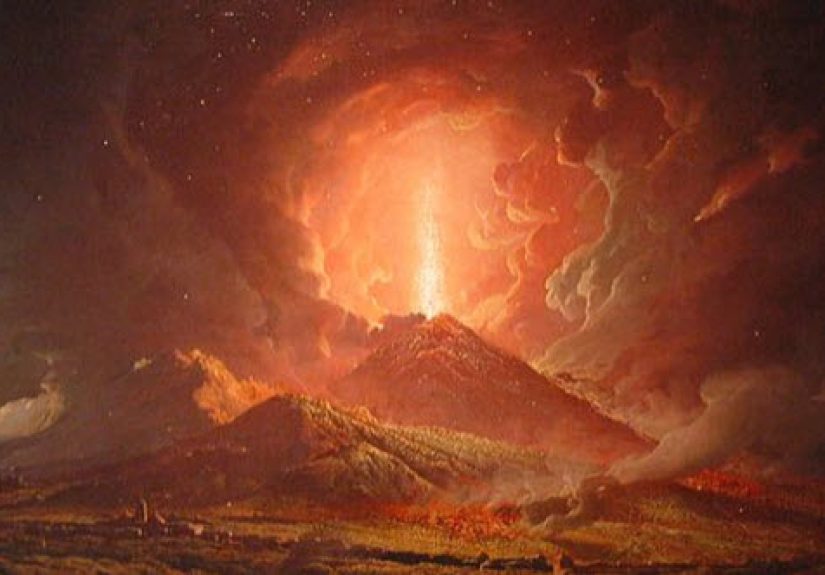
When Mount Vesuvius erupted in 79 CE, it buried a busy Roman city in ash and pumice, turning everyday life into a time
capsule that archaeologists are still unpacking today. From racy graffiti to ancient “fast-food” joints and
cutting-edge engineering, Pompeii is far more than a tragic disaster story.
Below are ten fascinating facts about Pompeii that show just how advanced, surprising, and weirdly relatable this
ancient city really was – plus a section at the end with practical tips and experiences if you’re planning to walk
those same stone streets yourself.
1. Pompeii Was a Wealthy Resort City, Not a Forgotten Backwater
It’s easy to imagine Pompeii as a sleepy provincial town that just happened to be in the wrong place at the wrong time.
In reality, it was a thriving hub with an estimated 10,000–20,000 residents at the time of the eruption, packed with
elegant villas, temples, markets, and public buildings. The city’s position near the Bay of Naples made it a kind of
Roman vacation destination – part port city, part luxury retreat.
Wealthy Romans built lavish homes there, complete with columned courtyards, imported marble, colorful wall frescoes, and
intricate mosaics underfoot. Many houses had their own private shrines, fountains, and garden dining areas, showing off
the owners’ status and taste. In other words, if you had money in the Roman world and wanted a stylish address, Pompeii
was a solid flex.
Archaeologists have found everything from fine silverware to elaborate decorative statues, suggesting that people weren’t
just surviving in Pompeii – they were living very well. The eruption froze that lifestyle in place, giving historians an
unusually detailed glimpse of upper-class life in the early Roman Empire.
2. The City Was Older – and More Greek – Than Many Visitors Realize
Although Pompeii is usually described as a Roman city, its roots reach back centuries before the eruption and even before
full Roman control. Archaeological evidence suggests that an earlier settlement existed there by at least the 6th century
BCE. Among the oldest remains are fragments of a Greek Doric temple, hinting that Greek settlers or strong Greek cultural
influence shaped the early city long before it was pulled firmly into Rome’s orbit.
Over time, Pompeii passed through the influence of several Italic and Mediterranean powers, including the Oscans,
Etruscans, and Samnites, before Rome finally took over. That layer-cake of cultures explains why you’ll find a mix of
Greek-style columns, Italic house layouts, and Roman public buildings all crammed into one city plan.
For modern visitors, this blend makes Pompeii feel like a compact history lesson on the shifting political and cultural
landscape of ancient Italy. It wasn’t just “a Roman town” – it was a crossroads where cultures overlapped for centuries.
3. Daily Life Was Busy, Noisy, and Surprisingly Familiar
Take away the tunics and togas, and everyday life in Pompeii would feel oddly familiar. People got up early, fetched
water from public fountains, opened their shops, and headed to the forum to gossip and do business. Street vendors sold
fresh bread, olives, and wine; craftsmen hammered metal, shaped pottery, or stitched leather; and kids probably annoyed
their parents in ways that sound very 21st-century.
Many homes doubled as workplaces. The front rooms opened directly onto the street and functioned as shops or offices,
while the family lived in rooms deeper inside or upstairs. Public baths were a big part of daily routine: people bathed,
socialized, and negotiated deals in hot, warm, and cold rooms designed with serious engineering skill.
The streets themselves tell a story. High stepping stones let people cross without walking through the muck of water,
animal waste, and dropped food. Deep ruts carved into the stone show where carts and wagons rolled through again and
again. It was a living city – crowded, loud, and full of activity right up until the ash began to fall.
4. The Eruption Was Fast, Violent, and Deadlier Than People Expected
Mount Vesuvius didn’t just casually puff a bit of smoke and give people time to pack. The eruption in 79 CE sent massive
columns of ash, pumice, and gas high into the sky. Over several hours, ash fell like dark snow, collapsing roofs and
making it harder to breathe. Many residents tried to escape, but conditions rapidly worsened.
The deadliest phase came when pyroclastic surges – fast-moving, superheated clouds of gas and ash – roared down the
volcano’s slopes and over the city. These surges could reach temperatures of hundreds of degrees Celsius and travel at
highway speeds. In many areas, the victims appear to have died almost instantly from extreme heat, not slowly from
suffocation the way earlier generations once assumed.
In the end, Pompeii and nearby Herculaneum were buried under several meters of volcanic material. That same blanket of
ash that killed so many people also shielded buildings, objects, and even organic materials from weathering for nearly
1,700 years.
5. The Famous “Body Casts” Are Created by Modern Archaeologists
One of Pompeii’s most haunting sights is the presence of human figures frozen in their final moments – curled on the
ground, shielding their faces, or clutching loved ones. These aren’t mummies in the traditional sense; they’re plaster
casts created by archaeologists.
When people (and animals) were buried in ash, their bodies eventually decomposed, leaving hollow spaces in the hardened
layers. In the 19th century, archaeologists discovered that they could carefully drill a small hole into these cavities
and pour plaster inside. Once the plaster set and the ash around it was removed, what emerged were incredibly detailed
molds of the victims’ final poses – complete with folds of clothing and even facial expressions.
Today, more advanced methods are sometimes used, such as resin and high-tech scanning, but the effect is the same: a
deeply human, gut-level connection to people who lived nearly two millennia ago. Seeing these casts in person is often
the moment when visitors say, “Oh. These were real people, not just ruins.”
6. Pompeii’s Graffiti Reveals Humor, Politics, and Petty Drama
If you’ve ever rolled your eyes at modern bathroom graffiti, just know that Pompeiians would understand. The city’s walls
are covered with thousands of hand-scratched messages: declarations of love, insults, political slogans, doodles, and
downright silly jokes.
Some graffiti reads like personal ads: people praising their own charm or bragging about romantic conquests. Others are
very practical, urging citizens to vote for particular candidates in local elections. There are also notes about debts,
business deals, and complaints about lousy service – essentially ancient one-star reviews carved into plaster.
In the city’s brothel district, graffiti becomes both more explicit and more informative. Names of workers and clients,
prices, and even jokes about performance have helped scholars understand social status, gender roles, and the economics
of sex work in the Roman world. It turns out “writing on the wall” really can be a serious historical source.
7. The City Had an Ancient “Fast-Food” Scene
Not everyone in Pompeii had a full kitchen at home. In fact, many ordinary residents lived in apartments or small houses
without large cooking spaces. The solution? Street food. The city was dotted with thermopolia – ancient snack
bars where hot food and drinks were served directly from colorful counters lined with jars.
One particularly well-preserved thermopolium in the Regio V area, excavated and opened to the public in the 2020s, still
shows vivid frescoes of animals and food, likely advertising what was on the menu. Analysis of residues suggests that
these counters served things like stews, wine, and simple hot dishes to people who wanted a quick, cheap meal on the go.
If you think of thermopolia as the ancient equivalent of grabbing takeout on your way home, you’re not far off. The big
difference? Today’s coffee shops don’t usually come with frescoes of ducks and dogs painted all over the bar.
8. Pompeii’s Engineering Was Seriously Impressive
For a city that predates modern plumbing by nearly two thousand years, Pompeii’s infrastructure was surprisingly advanced.
Archaeologists have uncovered a network of aqueducts, pipes, and fountains that brought fresh water into the city,
feeding private homes, public baths, and ornamental features like garden pools.
The streets were carefully planned, too. Stone blocks acted as raised crosswalks so pedestrians could avoid muddy water,
while still leaving gaps for wagon wheels. Many buildings had upper floors, balconies, and internal courtyards designed
to bring in light and air. Some houses even show early attempts at “climate control,” using shaded atriums, water
features, and thick walls to keep interiors cooler in the summer heat.
All of this engineering wasn’t just functional; it was part of Pompeii’s identity as a prosperous, sophisticated city.
The ruins make it clear that people living there expected comfort, aesthetics, and reliable amenities – not so different
from city dwellers today.
9. Excavations Are Still Ongoing – and New Discoveries Keep Coming
Pompeii is not a “finished” archaeological site. Despite centuries of digging, a significant portion of the city remained
unexcavated until recent decades, and new digs regularly uncover jaw-dropping finds.
In recent years, archaeologists have revealed a private thermal bath complex attached to an elite residence, complete with
hot, warm, and cold pools designed for entertaining and impressing wealthy guests. Nearby, banquet rooms decorated with
mythological scenes suggest that elite social life in Pompeii involved a carefully curated mix of art, politics, and
hospitality.
Tombs outside the city walls have also produced nearly lifesize statues and even partial mummified remains, adding detail
to what we know about funerary rituals and social status. Each new discovery reminds us that Pompeii still has stories to
tell – and that archaeology there is anything but over.
10. Pompeii’s “Second Life” Changed Archaeology and Tourism Forever
After the eruption, Pompeii eventually faded from memory, covered in soil and vegetation. It wasn’t until the 18th
century that systematic excavations began, driven partly by royal curiosity and partly by the desire to find impressive
art and artifacts. Early diggers were far more interested in statues and treasures than in carefully preserving context;
some walls were knocked down, and many objects were whisked away to collections.
Over time, though, Pompeii became a kind of open-air laboratory that helped shape modern archaeology. Researchers started
recording where objects were found, studying buildings as complete units, and using the city to understand everything from
diet and disease to social class and gender roles in the Roman world.
Today, Pompeii is also one of Italy’s most visited tourist sites, attracting millions of visitors a year. The challenge is
balancing public access with preservation: foot traffic, weather, and time all threaten the ruins, leading to major
conservation projects aimed at keeping the city standing for future generations.
Conclusion: A City Frozen in Time – and Still Very Much Alive
The ancient city of Pompeii is fascinating not just because it was destroyed, but because of how completely it was
preserved. It captures the messy, ordinary, wonderful details of daily life – the graffiti, the snack bars, the elegant
homes, and the human drama – in a way that few other archaeological sites can match.
Whether you’re drawn in by the tragic story of the eruption, the eerie body casts, or the clever engineering and design,
Pompeii offers layer after layer of history to explore. And as new excavations continue to reveal hidden corners of the
city, there’s always another surprise waiting under the ash.
Experiences and Tips: Visiting Pompeii and Bringing the Past to Life
Reading about Pompeii is one thing; walking its streets is another experience entirely. If you’re planning a visit, it
helps to think of the site not just as a cluster of ruins, but as a real city you’re dropping into for the day.
Start Early and Give Yourself Time
Pompeii is huge. Many first-time visitors underestimate its size and try to do it in a quick two-hour lap – which usually
ends with sore feet and a hazy memory of “some ruins.” If possible, arrive when the site opens and plan on at least half
a day, if not more. Early mornings are usually cooler and less crowded, making it easier to wander, linger, and take
photos without a swarm of people in every shot.
Because the streets are made of uneven stone and can be steep in spots, comfortable walking shoes are essential. Think
sturdy sneakers rather than delicate sandals. A hat, sunscreen, and a refillable water bottle are also lifesavers on hot
days – there’s not a lot of shade once you’re inside the site.
Use a Map – But Also Allow Yourself to Get “Lost”
The official map or an audio guide is incredibly useful for understanding where you are: forum, baths, theaters, houses,
and famous spots like the amphitheater or the Villa of the Mysteries. A guided tour can add extra context and help you
appreciate details you might miss, like traces of paint on a wall or grooves worn into a doorstep.
That said, some of the most memorable moments come from wandering down quieter side streets. Slip away from the main
groups and you may find yourself alone in a small courtyard, listening to the wind and trying to imagine dinner parties
or business meetings that took place there 2,000 years ago. Pompeii rewards curiosity.
Look for the “Small Things” That Make the City Feel Human
The big landmarks are impressive, but the small details are what make Pompeii feel alive. Look for:
- Grooves carved into shop counters where money or goods once slid back and forth.
- Tiny household shrines in corners of rooms, with fading decorations to protect the family.
- Clay jars embedded in bar counters where hot food or wine was kept.
- Mosaics of guard dogs at doorways – ancient “Beware of Dog” signs.
- Graffiti scratched into walls, especially near streets, bars, and the amphitheater.
These touches shift Pompeii from “ruins” to “neighborhood.” Instead of staring at broken walls, you start imagining who
lived behind them: kids running through the doors, shopkeepers shouting prices, bakers hauling bread out of hot ovens.
Pair Pompeii with Naples or the Archaeological Museum
Many of the finest artifacts from Pompeii – statues, mosaics, jewelry, and everyday objects – are now housed in the
National Archaeological Museum in Naples. If you can add an extra half-day there, it’s like completing a puzzle: what
you see in the museum fills in the missing color and detail of what you saw among the ruins.
The sequence works especially well this way: walk Pompeii first to understand the spaces, then head to Naples and see
the objects that once filled them. Together, they create a vivid portrait of ancient life that’s hard to forget.
Reflect on the Human Story
Before you leave, it’s worth taking a quiet moment in one of the gardens or viewing areas with body casts. The story of
Pompeii is not just about ash layers and architecture. It’s about families caught in a sudden catastrophe, about choices
people made in the face of danger, and about the strange afterlife of becoming “famous” through tragedy.
That emotional connection – realizing that someone once worried about rent, argued with neighbors, laughed with friends,
and then died in these very streets – is what makes Pompeii unforgettable. It’s a reminder that history isn’t abstract;
it’s made of real lives, preserved here in stone, ash, and the occasional sarcastic piece of graffiti.







 Close
Close