
Table of Contents >> Show >> Hide
- What Zoë Kravitz actually said (and what she didn’t)
- Why Friends keeps getting put on trial
- The cast and creators have respondedsometimes defensively, sometimes thoughtfully
- “I guess she didn’t watch The Office”: what that comeback is really doing
- How to rewatch ‘90s sitcoms without turning into a comment-section gladiator
- So… was Kravitz “blasting” Friends?
- 500-word add-on: The rewatch experiencewhen nostalgia meets the group chat
Every few years, America re-litigates the same three things: pineapple on pizza, daylight saving time, and whether
Friends was a lovable comfort show or a glittery time capsule stuffed with jokes that should’ve been left in a
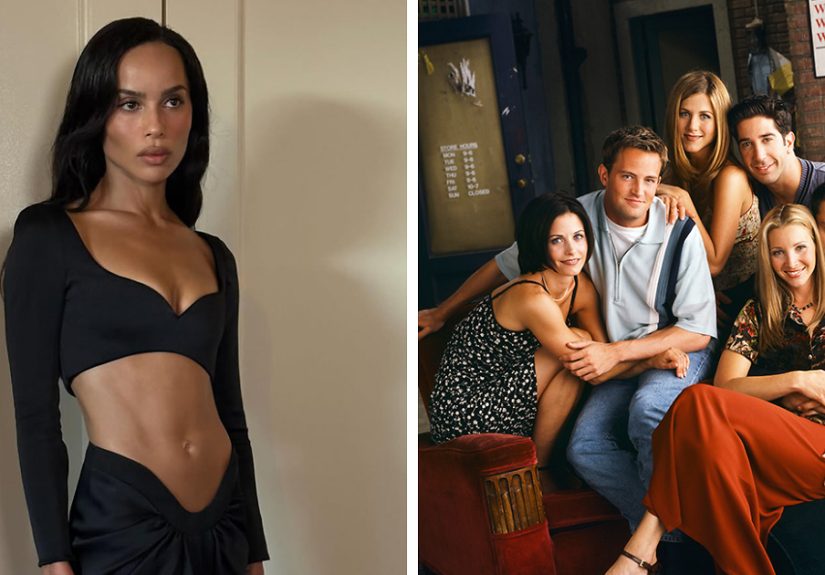
Blockbuster return bin. This time, the spark came from Zoë Kravitzwho, while promoting a movie set in 1998, basically
said: “The grunge? Yes. The Nokia brick? Iconic. The casual homophobia on mainstream TV? Hard pass.”
The internet, being the internet, responded with the emotional maturity of a raccoon in a vending machine. Some people
applauded her for saying out loud what many viewers think during modern rewatches. Others rolled their eyes and tossed
out the snarky comeback that got baked into headlines: “I guess she didn’t watch The Office.” And just like that,
we were off to the comment-section Olympics.
What Zoë Kravitz actually said (and what she didn’t)
The version that traveled fastest online made it sound like Kravitz woke up, chose violence, and personally filed a
restraining order against Central Perk. In reality, her comments were more specificand tied to a broader point about
revisiting the ‘90s with adult eyes.
In an interview tied to her film Caught Stealing (set in 1998 New York), Kravitz talked about feeling nostalgic for
the era’s vibefashion, tech, the whole “leave a message after the beep” lifestyle. But when asked what she’d happily leave
behind, she pointed to “super homophobic jokes on mainstream television,” calling out Friends as an example and noting
how “wild” it feels on a rewatch. Her co-star Austin Butler sounded genuinely surprisedlike someone had just told him his
childhood snack was actually drywall.
That’s the core: she wasn’t arguing that the ‘90s had no joy. She was saying that some of the era’s “normal” punchlines
read very differently nowespecially when LGBTQ+ people were frequently the setup rather than the audience.
Why Friends keeps getting put on trial
Friends ran from 1994 to 2004 and became one of the most streamed sitcoms in the modern binge erameaning it never
really went away. That matters because watching one episode a week in the ‘90s is a different experience
than watching ten episodes in a row in 2026 with a group chat and a pause button.
Back then, a throwaway “gay panic” joke might have been treated as background noise. Now, streaming puts those moments in
high definition, back-to-back, with enough repetition to turn a “huh” into a “wait… why is this a recurring theme?”
The kind of humor Kravitz is talking about
If you’ve ever rewatched Friends and felt that odd whiplashlike you’re laughing and then suddenly checking your own
moral compassyou’re not alone. Coverage of Kravitz’s comments pointed to how the show sometimes used homophobia as a
punchline, including jokes around Ross’s ex-wife Carol’s relationship and the way characters react to anything that might
read as “not straight enough.”
There’s also the complicated handling of Chandler’s transgender parent (played by Kathleen Turner), which has been widely
criticized for misgendering and framing the character as comedic spectacle rather than a person. Kravitz’s “we can keep
that there” sentiment echoes the broader reassessment of those storylines in entertainment coverage over the past few years.
It’s not just sexualityrace and representation come up, too
The Friends discourse rarely stays in one lane. Even defenders who say “it was progressive for its time” often concede
the show’s New York looked startlingly homogeneous. This isn’t a new critique: cast and creators have addressed the lack of
diversity publicly, with David Schwimmer noting he was aware of it and pushed for Ross to date women of color.
Co-creator Marta Kauffman has also spoken about regrets around representation. Reporting over the years has covered both her
public apologies regarding trans representation and her financial support for an endowed professorship at Brandeis tied to
African and African American Studiesan acknowledgment, in part, of how the show’s cultural footprint intersects with issues
of inclusion.
The cast and creators have respondedsometimes defensively, sometimes thoughtfully
One reason the Friends debate never dies is that the people behind it have offered a mix of reflections: regret, context,
and, occasionally, a “please stop yelling at the past” vibe.
Marta Kauffman: “That was a mistake”
Kauffman has been quoted acknowledging that the show mishandled pronouns and framing around Chandler’s transgender parent,
and that their understanding at the time was limited. In other words: not “we meant to be harmful,”
but “we didn’t get it right.”
Kathleen Turner: proud of the work, uneasy about the context
Turner has addressed the role publicly in later years, including commentary about the challenges and how casting and writing
choices would be viewed differently today. That tensionbetween acting craft and cultural impactis basically
the entire rerun-era conversation in miniature.
Lisa Kudrow and the “progressive for its time” defense
Another recurring argument is that Friends included storylines that were, for network TV of that era, relatively forward
(like recurring lesbian characters). Some defenders argue those elements matteredeven if the jokes around them weren’t always
kind. This is where the debate gets tricky: progress isn’t a light switch; it’s a dimmer that flickers while everyone argues
about the wiring.
“I guess she didn’t watch The Office”: what that comeback is really doing
The “didn’t watch The Office” line is the internet’s favorite rhetorical move: whataboutism with a laugh track.
It suggests that criticizing Friends is hypocritical because other beloved comedies also have jokes that didn’t age well.
And yesplenty of 2000s sitcom humor would get a stern HR email today.
But here’s the catch: pointing out that multiple shows have dated humor doesn’t magically make the humor less dated. It just
proves the larger point Kravitz was making: mainstream comedy has historically treated certain groups as “safe targets,” and
rewatches make that pattern easier to see.
Why the comparison keeps popping up
People reach for The Office because it’s a shared cultural languagean easy “gotcha” that says, “Don’t pretend your favorite
show is flawless.” Fair! No sitcom is flawless. Some are just older, louder about it, and filmed in lower resolution.
The better question isn’t “Which show is innocent?” It’s “How do we talk about comedy evolving without pretending the past was
either perfect or irredeemable?”
How to rewatch ‘90s sitcoms without turning into a comment-section gladiator
1) Watch with two thoughts at once
You can acknowledge that a show was influential and funny and that it contains stereotypes. Adults do this all the time.
We call it “having more than one tab open.”
2) Separate “explaining” from “excusing”
Saying “that was common on TV then” is a description, not a defense. Context mattersbut context doesn’t erase impact.
3) Let criticism be part of nostalgia
Nostalgia doesn’t have to be blind loyalty. Sometimes it’s just recognizing you loved something at 14 and you understand it
differently at 34.
4) Support comedy that’s grown up, too
The easiest way to get less dated humor is to watch (and reward) shows that write funny people instead of funny targets.
Streaming algorithms are basically hungry raccoons: they keep bringing back whatever you feed them.
So… was Kravitz “blasting” Friends?
If “blasting” means “nuking a show from orbit,” no. If it means “calling out a real pattern that hits harder on rewatches,”
then yesshe put a name to something a lot of viewers have noticed.
The real story isn’t that Kravitz dislikes a sitcom. It’s that our relationship with pop culture is now interactive: we pause,
rewind, clip, debate, and reinterpret. Classic shows aren’t just memories anymorethey’re living artifacts we keep streaming
into modern values.
500-word add-on: The rewatch experiencewhen nostalgia meets the group chat
If you want to understand why this debate keeps resurfacing, picture a very normal modern scenario: someone suggests a comfort
rewatch. Maybe it’s a rainy weekend. Maybe you’re tired. Maybe your streaming app is practically begging you with a “Because
you watched…” banner like a pushy waiter recommending the house special.
The first episode feels like slipping into an old hoodie. The theme song hits, and suddenly your brain is making hot cocoa
out of serotonin. You remember the catchphrases. You remember the haircuts. You remember thinking adulthood meant owning a
couch you didn’t assemble wrong. It’s cozyuntil it isn’t.
Then comes that joke. The one you didn’t notice the first time because you were watching between homework and dial-up
internet. The one that lands differently now because you’ve lived more life, met more people, and learned that “being the
punchline” isn’t an abstract conceptit’s something that can shape how people are treated in real rooms with real consequences.
And this is where modern rewatches change everything: you’re not alone with your reaction. Someone pauses the episode. Someone
says, “Wait… did they really just?” Someone else laughs, but it’s the slightly nervous laugh people do when they’re trying to
decide whether they’re allowed to laugh. Another person grabs their phone, not to doomscroll, but to fact-check their own
memory: “Was TV really like this?” (Spoiler: yes, often.)
Now add the group chat. A clip gets posted. Three people respond with shock emojis. Two people respond with “it was a different
time.” One person responds with a dissertation-length text that begins with “okay but historically…” Another person says,
“I guess Zoë Kravitz didn’t watch The Office,” because the internet has trained us to treat cultural critique like a sport
where the goal is not understanding, but winning.
Here’s the strange beauty of it: this awkward moment is also a sign of progress. The discomfort means your standards changed.
The debate means people care about who gets to be human on screen. And the fact that we can still laugh at plenty of the show
while side-eyeing other parts means we’re capable of nuanceyes, even online, occasionally, when Mercury isn’t in retrograde.
So if you rewatch Friends (or any classic sitcom) and feel both nostalgia and friction, you’re not broken. You’re just
watching a cultural artifact do what artifacts do: reveal the era that made it, and the era that’s judging it.






 Close
Close