
Table of Contents >> Show >> Hide
- What You’ll Learn
- Why Koozies Get Funky (Fast)
- The Type of Koozie You Have Matters
- How Often Should You Clean Koozies?
- Three Reliable Ways to Clean Koozies
- How to Remove Smells, Stains, and “Cooler Funk”
- Drying and Storage: The Part That Prevents Mold
- When It’s Time to Retire a Koozie
- Bonus: Party-Proof Koozie Habits (That Also Cut Down on Germ Sharing)
- Koozie Cleaning Confessions: of “Experience” (a.k.a. Things We’ve All Lived Through)
Let’s talk about the unsung hero of cookouts, tailgates, and “one more by the pool” afternoons: the koozie. It’s basically a tiny sweater for your drinkkeeping your hands dry, your can cold, and your dignity intact. And yet… most of us treat koozies like immortal objects that never require washing, as if they’re powered by vibes and sunlight.
Reality check: koozies soak up condensation, beer foam, sunscreen fingerprints, lake water, pockets of mystery lint, and the occasional salsa splash (don’t ask). If yours has ever lived in the bottom of a cooler or the trunk of a car, congratulations: it has probably developed a personality. The fix is simpleclean it. Regularly.
Why Koozies Get Funky (Fast)
Koozies are designed to trap temperatureand unfortunately, they’re also great at trapping moisture. Moisture is the backstage pass for odor and microbial growth. Add a little sugary seltzer spill, beer residue, or sticky cocktail condensation, and you’ve built a luxury resort for “things you don’t want near your mouth.”
Even if you never drink straight from the can, your hands touch the koozie, then your food, then your face. Multiply that by a group of friends who keep grabbing the same koozie because “it’s the one with the funny logo,” and you’ve got a tiny, portable germ-sharing program. The good news: basic cleaning with soap and water removes grime and reduces germs for most everyday situations.
The Type of Koozie You Have Matters
“Koozie” is a broad term. The cleaning method depends on what yours is made of. Here’s the quick breakdown:
1) Neoprene (the wetsuit-style classic)
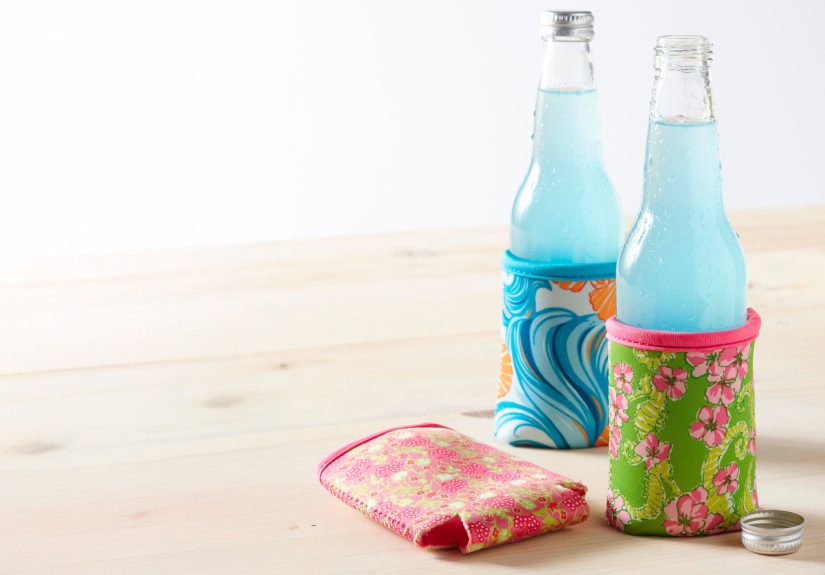
Neoprene is durable, flexible, and usually the easiest to clean. It tolerates gentle machine washing and hand washing welljust don’t cook it in high heat.
2) Foam (the lightweight promo sleeve)
Foam koozies can be more fragile. Aggressive machine cycles can cause deterioration, stretching, or crumbling. These often do best with hand washing or careful spot cleaning.
3) Fabric/polyester blends (sometimes with stitched seams)
These can handle gentle washing, but printed graphics may fade if you use high heat or harsh detergents. Treat them like a favorite graphic tee: gentle cycle, cold water, air dry.
4) Vinyl or coated materials
Usually wipeable and easyunless the seams trap moisture. Hand-wash and dry thoroughly.
5) Leather
Leather koozies are the fancy ones that make you feel like you should be sipping something aged in a barrel. They typically require wiping, leather-safe cleaner, and conditioningnot a trip through the washer.
6) Stainless steel “hard” can coolers (vacuum-insulated)
These are more like drinkware than fabric. Many are designed to be dishwasher safe, but you still need to clean the removable rings, gaskets, or collars where residue and moisture hide.
How Often Should You Clean Koozies?
If you want the honest answer: after any day where it got wet or sticky. If that sounds like too much adulting, here’s a realistic schedule:
- After parties, beach days, lake days, tailgates: wash them.
- If you used it with sweet drinks: wash it sooner (sugar makes grime cling harder).
- If it smells weird: wash it immediately (your nose is not being dramatic).
- “I only used it once” rule: if it came out of the cooler damp, it counts as dirty.
Three Reliable Ways to Clean Koozies
You’ve got options. Choose based on the material, the amount of grime, and your tolerance for “hand washing” as a concept.
Method 1: The Quick Hand-Wash (best for most koozies)
Best for: foam, neoprene, fabric, vinyl, and anything with delicate printing.
- Fill a sink or bowl with warm-to-hot water and a squirt of dish soap.
- Submerge the koozie and swish it around so soapy water gets into seams and creases.
- Let it soak for 5 minutes (longer if it’s truly questionable).
- Gently scrub with a soft sponge or clothespecially the bottom ring and inside walls.
- Rinse thoroughly with clean water until it no longer feels slippery.
- Press out excess water (don’t aggressively wring neoprene).
- Air dry completely (more on drying below).
Method 2: The Dishwasher (only if it’s safe for your specific koozie)
Best for: some neoprene sleeves and many stainless steel can coolers.
- Place soft koozies on the top rack so they don’t get blasted into modern art.
- Use air dry or turn off heated dry if the print is precious to you.
- For stainless steel coolers: disassemble removable rings and gaskets and wash those too.
- When it’s done, let everything dry fully before reassembling.
If your koozie has a delicate logo, glued layers, or foam that seems brittle, skip the dishwasher and use the hand-wash method.
Method 3: The Washing Machine (great for neoprene and some fabrics)
Best for: neoprene koozies and many fabric-based sleeves.
- Put koozies in a mesh laundry bag (this prevents them from getting twisted into a pretzel).
- Wash on a delicate/gentle cycle with cold water.
- Use mild detergent; skip bleach and skip harsh boosters unless you’re sure the material can handle it.
- Do not put them in the dryer. Heat can warp materials and wreck prints.
- Air dry fully.
How to Remove Smells, Stains, and “Cooler Funk”
Sometimes soap-and-water isn’t enoughespecially if a koozie has been marinating in a closed cooler or trapped under a car seat during a humid week. Here are practical upgrades:
Deodorizing soak (vinegar + water)
If your koozie smells like “fridge drawer mystery,” a vinegar soak can help. Mix equal parts water and white vinegar, soak for 15–30 minutes, then rinse and wash with dish soap. Vinegar is especially popular for musty odors and mild mold issues.
Baking soda boost
Baking soda is great when odors feel embedded. Make a paste (baking soda + a little water), gently rub it into the inside, let it sit 15 minutes, then rinse and wash. For less mess, add a tablespoon of baking soda to a warm, soapy soak.
For sticky residue (soda, cocktails, sports drinks)
Use warm water and dish soap first, then do a second wash. Sugar residues can cling like they pay rent. A soft brush helps on textured neoprene.
If you suspect actual mold
First: don’t panic. Second: don’t ignore it. Wash with soap and water, then consider a vinegar soak. If the koozie is porous, heavily moldy, or the smell won’t leave after cleaning and thorough drying, replacement is often the smartest move.
Should you disinfect with bleach?
Most of the time, nocleaning with soap and water is enough for routine use. If you are disinfecting a non-porous part (like a removable plastic ring, silicone gasket, or stainless steel piece) and the manufacturer allows it, a properly diluted bleach solution can be used. Never mix bleach with ammonia or other cleaners, and always follow label directions. If you use bleach, rinse thoroughly and let it air dry completely. When in doubt, stick to soap-and-water plus vinegar.
Drying and Storage: The Part That Prevents Mold
Washing is only half the battle. Koozies get gross when they stay damp. Use this simple rule: If it still feels cool and clammy, it’s not dry.
- Stand the koozie upright and open so air can circulate inside.
- Dry in a well-ventilated area. A dish rack works surprisingly well.
- Flip it after a few hours so the bottom ring dries fully.
- Avoid high heat (dryers, direct blasts from heaters). Heat can warp neoprene and mess with prints.
- Store only when fully drypreferably in a breathable bin or drawer, not sealed in a damp cooler.
When It’s Time to Retire a Koozie
Some koozies are sentimental. Some are… suspicious. Here’s when it’s reasonable to let one go:
- It has visible mold that returns after cleaning and drying.
- The foam is crumbling, sticky, or shedding bits (nobody wants “foam confetti” in their cooler).
- The smell survives multiple washes and a deodorizing soak.
- It’s warped so badly it doesn’t hold a can anymore (that’s not a koozie; that’s modern sculpture).
Bonus: Party-Proof Koozie Habits (That Also Cut Down on Germ Sharing)
- Write your name on it with a marker (instant “don’t touch my drink” energy).
- Bring a small zip bag for used koozies so they don’t ferment in the cooler.
- Don’t share koozies if someone’s sick, or if you’re using them like a mini napkin.
- Rinse on-site if you caneven a quick swish under a faucet helps.
Koozie Cleaning Confessions: of “Experience” (a.k.a. Things We’ve All Lived Through)
Picture this: it’s the morning after a backyard get-together. The sun is bright, your head is… not, and the cooler is still outside like a silent witness. You open it and get hit with that unmistakable aroma: melted ice, citrus seltzer, and the faint ghost of yesterday’s bravado. And there they arekooziesfloating like little life rafts, each one damp, slightly sticky, and absolutely convinced it did nothing wrong.
In my totally hypothetical household, this is when the koozie reckoning happens. First, the “visual audit”: anything with visible grime goes directly into the hand-wash pile. Anything that smells normal (rare) gets a pass with a quick rinse. The real drama is the “mystery koozie”the one that looks clean but smells like it’s been living under a pier. That one gets the full spa package: warm soapy soak, gentle scrub, then a vinegar bath. After that? A rinse so thorough you’d think it’s going through customs.
The biggest lesson learned is that drying is where most people accidentally sabotage themselves. It’s tempting to toss damp koozies into a drawer because you’re “busy,” which is a fancy way of saying, “I want my future self to deal with a musty surprise.” When you actually let them air outupright, open, with good airflowthe smell situation improves dramatically. If you’ve ever found a koozie that smelled worse a week later than it did the day after the party, that’s not time travel. That’s moisture.
Another real-world tip: wash koozies in batches, not one at a time. If you’ve got a collection (and if you’re reading this, you probably do), it’s easier to make it part of a routine. Once a month, toss the neoprene ones into a mesh laundry bag on cold delicate, then line them up to dry like tiny, awkward boots. The foam ones get hand-washed because they’re basically the emotional support animals of drink sleevesfragile, plentiful, and always showing up when you least expect it.
My favorite “specific example” moment: a koozie that had absorbed a sweet, fruity canned cocktail. It looked fine. It was not fine. Soap alone left a lingering candy smell, like a vape shop moved in. A baking soda paste (15 minutes) followed by a normal rinse and wash finally neutralized it. The koozie returned to a normal, neutral existence which is all any of us can really ask for.
The takeaway from all these lived experiences is simple: koozies are low effort to clean, but high drama when you don’t. A two-minute wash now beats a mystery smell later. And if you ever feel silly washing a drink sleeve, just remember: you wash your water bottle, right? (Right?) Your koozie deserves the same respect. Or at least the same basic hygiene.







 Close
Close