
Table of Contents >> Show >> Hide
- What a Smart Home Hub Actually Does
- Matter Did Not Kill the Hub
- Why a Hub Makes Your Smart Home Better
- How Thread and Border Routers Changed the Conversation
- Do You Need a Dedicated Hub or Just a Hub Device?
- When You Might Not Need One Yet
- The Real-World Experience of Living With a Hub
- Final Thoughts
- SEO Tags
Smart homes are supposed to feel futuristic. Lights should turn on at the right time, locks should report their status without drama, sensors should whisper important updates instead of screaming for attention, and your devices should cooperate like a well-rehearsed jazz band. In reality, many smart homes start out more like a family reunion where nobody agrees on anything. One gadget wants its own app. Another only speaks Zigbee. A third promises Matter support but still wants a Thread border router. Suddenly, your “smart” home feels like a part-time IT job.
That is exactly why a smart home hub still matters. Even in the age of Matter, hubs remain the brains, traffic cops, translators, and backup planners of a reliable setup. A good hub can unify devices from different brands, power more advanced automations, improve local control, reduce dependence on cloud services, and make your home feel less like a pile of disconnected accessories and more like one coordinated system.
If you only own one smart bulb and a speaker, you may not need a dedicated hub yet. But once you add locks, sensors, thermostats, plugs, cameras, shades, or door sensors, a hub starts earning its keep very quickly. Think of it as the difference between owning kitchen tools and actually having a kitchen that works.
What a Smart Home Hub Actually Does
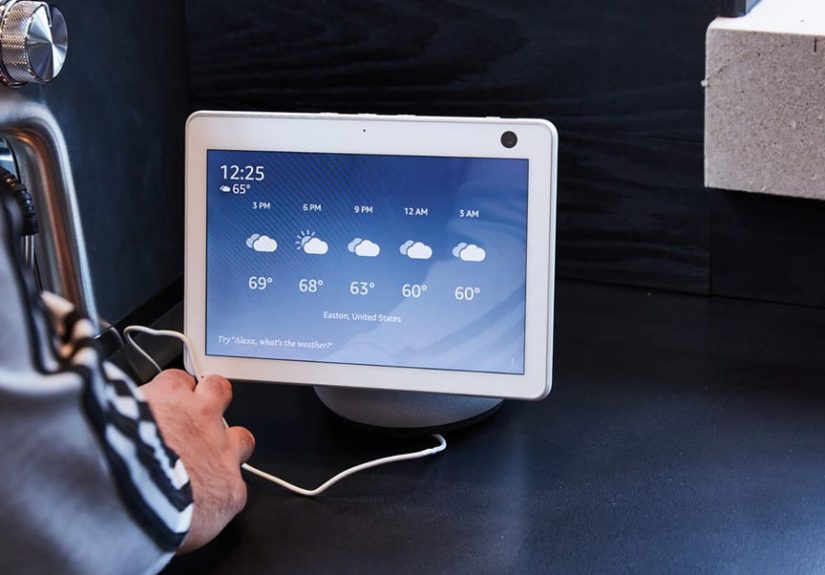
A smart home hub is the central point where your connected devices can communicate, automate, and respond to one another. Depending on the platform, a hub may be a dedicated box, a smart speaker, a streaming device, or even a router with smart home features built in. Some hubs support multiple wireless standards such as Wi-Fi, Zigbee, Z-Wave, Bluetooth, Matter, and Thread. Others focus on one ecosystem but still serve as the control center for automation and remote access.
In plain English, a hub helps your devices stop acting like strangers in the same elevator. Instead of managing everything through a dozen separate apps, you can organize routines, scenes, permissions, and triggers in one place. That means you can create useful automations such as:
- Turn on the hallway light when the front door unlocks after sunset
- Shut off the AC if a window sensor reports an open window for more than five minutes
- Flash lights red when a smoke alarm or water leak sensor is triggered
- Lock doors, arm sensors, and turn off lights with a single “good night” scene
Without a hub, many of these actions either become impossible, unreliable, or annoyingly dependent on several apps playing nice with one another. And let’s be honest, apps are not famous for getting along.
Matter Did Not Kill the Hub
One of the biggest smart home myths today is that Matter makes hubs obsolete. Matter absolutely improves compatibility, and that is great news. It gives many devices a shared language so major ecosystems can control them more easily. But “more easily” does not mean “without infrastructure.”
Matter still depends on controllers, and many Matter-over-Thread devices also need a Thread border router. In many homes, that hub function is now embedded inside products like a HomePod, Apple TV 4K, Nest Hub, Google TV Streamer, Echo, eero router, SmartThings hub, or another compatible device. So yes, the old-fashioned standalone hub is no longer your only option. But the hub role is still alive and well. It just got a wardrobe upgrade.
This distinction matters because shoppers often hear “works with Matter” and assume a device will magically function in every home with zero setup. Not quite. If your gadgets rely on Thread, you still need the right hub or border router in the house. Matter reduces friction, but it does not repeal the laws of networking.
Why a Hub Makes Your Smart Home Better
1. It Brings Different Devices Into One System
The most obvious reason your smart home needs a hub is interoperability. Brands love to claim they are open, universal, simple, and friendly. Then they quietly bury the part where some features only work in their own app, some automations are limited, and some accessories need an extra bridge. A hub gives you one command center.
This becomes especially useful when you mix brands. Maybe your thermostat is from one company, your smart lock from another, your motion sensors use Zigbee, and your robot vacuum prefers Matter. A solid hub can pull those devices into one ecosystem so they can respond to the same triggers and routines. That is when a smart home stops being a collection of products and starts behaving like a system.
2. It Unlocks Better Automations
Automation is where smart homes become truly useful. Voice control is nice, but it is not the finish line. If you still have to tell your home what to do every single time, congratulations, you have built a very needy roommate.
Hubs allow richer routines based on time, presence, motion, temperature, contact sensors, light levels, button presses, lock states, and more. Platforms such as SmartThings, Hubitat, Home Assistant, Apple Home, Alexa, and Google Home all approach this differently, but the general rule is simple: the more capable the hub, the more flexible the automation.
That means your home can react automatically instead of waiting for you to issue commands like a medieval king summoning the torches.
3. It Supports Local Control for Speed and Reliability
One of the best reasons to use a hub is local control. When automations run locally, your devices do not need to bounce every request through the internet before deciding whether a light should turn on. The result is usually faster response times, fewer delays, and less chaos during internet outages.
This is especially important for routines involving safety or convenience. If a motion sensor turns on stair lights at night, you want that to happen instantly, not after your router has finished contemplating the universe. Local processing also helps when cloud services go down, vendors change APIs, or a brand decides to “sunset” a feature in the most cheerful corporate language imaginable.
Platforms known for emphasizing local logic and privacy often attract people who are tired of cloud dependency. That is not just a hobbyist concern anymore. It is a practical quality-of-life issue.
4. It Expands Compatibility Beyond Plain Wi-Fi
Many beginners assume all smart devices use Wi-Fi. Plenty do, but not all. Zigbee, Z-Wave, Thread, and Bluetooth remain important because they can offer lower power usage, mesh networking, and better performance for sensors and other small devices. A hub that supports these protocols opens the door to more device choices.
That matters for both cost and quality. Some of the best contact sensors, leak sensors, smart locks, switches, and buttons rely on protocols other than plain Wi-Fi. Without a compatible hub, those devices either will not work in your home or will need yet another bridge. And nobody wakes up hoping to add more bridges to their life.
5. It Can Improve Privacy and Reduce App Clutter
Every time you buy a smart device that demands its own app, account, permissions, and cloud connection, your home gets a little messier. More apps mean more logins, more notifications, more privacy questions, and more chances for something to break. A hub can reduce that clutter by centralizing management and letting you rely less on vendor-specific apps after setup.
For users who care about privacy, this is a major perk. Some hub platforms prioritize local processing and limited cloud dependence, which can reduce how much data leaves your home. You still need to choose devices carefully, but a good hub gives you more control over where automation happens and how much of your routine gets outsourced to the internet.
6. It Helps Remote Access and Shared Control
Most households are not one-person technology kingdoms. Family members, partners, kids, guests, and caregivers may need access to locks, lights, cameras, or routines. A hub can simplify permission management and make shared control more consistent across the household.
It also helps when you are away. Want to check whether a door is locked, turn on a lamp before you arrive home, or confirm a leak sensor alert while traveling? A hub tied to a mature ecosystem makes those interactions far smoother than juggling five apps and a rising sense of dread.
How Thread and Border Routers Changed the Conversation
Thread is one of the most important reasons hubs still matter. It is a low-power mesh networking protocol designed for smart home devices such as sensors, locks, bulbs, plugs, and shades. It is fast, efficient, and built for local communication. But Thread devices need a border router to connect that mesh network to the rest of your home network.
That border router may be built into a smart speaker, router, display, TV streamer, or hub. In other words, your “hub” may not look like a traditional hub anymore, but your smart home still needs that function. No border router, no happy Thread life.
The good news is that more devices now combine roles. Some products act as Matter controllers and Thread border routers at the same time. That can simplify setup and reduce extra hardware. The even better news is that standards are slowly improving the ability of Thread border routers from different ecosystems to cooperate. The less-good news is that smart home progress still occasionally moves at the speed of a sleepy turtle wearing a firmware update.
Do You Need a Dedicated Hub or Just a Hub Device?
Not every home needs a dedicated box sitting next to the router. For many people, a hub-enabled device they already want is enough. An Apple user might choose a HomePod mini or Apple TV 4K. A Google household may be better served by a Nest Hub or Google TV Streamer. An Alexa-centered home may be well covered by certain Echo or eero models. SmartThings users may prefer an Aeotec hub. Power users often lean toward Hubitat or Home Assistant.
The right choice depends on your goals:
- For simplicity: choose the ecosystem you already use most
- For broad compatibility: look for Matter, Thread, Zigbee, and possibly Z-Wave support
- For advanced automation: consider SmartThings, Hubitat, or Home Assistant
- For privacy and local-first control: prioritize platforms known for local processing
- For Apple households: use a Home hub that supports Matter and Thread
In other words, you do not always need a separate hub, but you almost always benefit from having hub capabilities somewhere in the home.
When You Might Not Need One Yet
To be fair, not every home needs a hub on day one. If you only have a few Wi-Fi bulbs and smart plugs from the same brand, you can survive without one. You may be perfectly happy using a single app and simple voice commands.
But smart homes have a habit of growing. Today it is two bulbs. Tomorrow it is a lock, thermostat, contact sensor, leak detector, dashboard display, and a button on your nightstand that starts a bedtime scene like you are launching a moon mission. Once you cross that line, a hub stops being optional and starts feeling necessary.
The Real-World Experience of Living With a Hub
In real homes, the benefits of a hub are less about specs and more about little moments. You notice it when the porch light turns on before you reach the door. You notice it when a leak sensor sends an alert and also flashes a nearby lamp so someone in the house reacts faster. You notice it when your smart lock, alarm, and hallway lights coordinate without asking you to open three different apps while carrying groceries.
One of the most common experiences people have is starting with a few disconnected smart devices and assuming that is “good enough.” At first, it works. The bulb app controls the bulbs. The camera app controls the cameras. The speaker handles voice commands. Then the cracks show. You cannot easily trigger one brand’s sensor to control another brand’s switch. You lose track of which app handles which room. A simple routine turns into an afternoon project. This is where a hub quietly changes the mood of the whole setup.
Another experience is speed. People often do not realize how annoying lag is until it disappears. With local automations, the house feels more responsive. Motion-based lighting becomes natural instead of awkward. Door sensors feel useful instead of decorative. Buttons become fun instead of flaky. The smart home starts to feel invisible, and that is actually the goal. The best automation is the one you stop noticing because it works every time.
Families also tend to appreciate hubs more than solo users. Shared routines are easier. A “leave home” scene can turn off lights, adjust the thermostat, and lock doors no matter who leaves last. A “movie night” scene can dim lights, close shades, and quiet noisy notifications with one tap or voice command. Grandparents, babysitters, and guests can be given access in a more organized way. Instead of every device having its own weird little rules, the house starts behaving consistently.
There is also the emotional side of reliability. Smart homes are fun when they work and hilariously annoying when they do not. A hub reduces that chaos by centralizing logic. Even when there is still some setup work involved, the payoff is a home that feels calmer. Devices are easier to maintain, troubleshoot, and expand. New sensors and switches become building blocks instead of future headaches.
Perhaps the biggest experience-related lesson is that a hub makes smart homes age better. Without one, every new device adds complexity. With one, every new device can add capability. That is a huge difference. One path leads to app overload and random incompatibilities. The other leads to routines that get smarter over time. The first feels like collecting gadgets. The second feels like building a system.
And that is really the whole point. A smart home hub is not just a technical accessory. It is the reason your connected devices can become a connected experience. It helps your home react, coordinate, and simplify daily life in ways that separate gadgets rarely can. Once you live with a good hub, going back to a pile of isolated apps feels a lot like going back to a flip phone after using a smartphone. Technically possible, emotionally suspicious.
Final Thoughts
Your smart home needs a hub because convenience is not just about remote control. It is about coordination, reliability, compatibility, and automation that works when you need it most. Matter has improved the landscape, but it has not removed the need for controllers, Thread border routers, or central automation logic. If anything, modern smart homes benefit more than ever from having a dependable brain in the middle.
Whether that brain lives in a dedicated hub, a smart speaker, a streaming box, or a local-first platform, the principle is the same: a better smart home is not just connected. It is organized. And that is what a hub delivers.





 Close
Close