
Table of Contents >> Show >> Hide
- What Exactly Is Seaweed?
- Why Seaweed Is So Nutritious
- Potential Health Benefits of Eating Seaweed
- Seaweed Is Healthy, But There Are a Few Important Cautions
- Who Should Be Extra Careful With Seaweed?
- Simple Ways to Eat More Seaweed
- So, Is Seaweed a Superfood?
- Everyday Experiences With Seaweed: What It’s Really Like to Add It to Your Diet
- SEO Tags
If seaweed still lives in your mind as “that dark green thing wrapped around sushi,” it is time for a respectful update. Seaweed is not just edible gift wrap from the ocean. It is one of the most nutrient-dense foods on the planet, packed with minerals, fiber, and protective plant compounds in a surprisingly low-calorie package. In other words, it is the overachiever of the snack aisle, and it did not even need a flashy rebrand to get there.
From crispy nori sheets to silky wakame in soup and mineral-rich kelp in broths, seaweed has been part of traditional diets for centuries. What makes it especially interesting today is that modern nutrition science keeps finding reasons to take it seriously. Seaweed can help provide iodine for thyroid health, add fiber that supports digestion, and bring a variety of vitamins, trace minerals, and antioxidants to the table. It also adds major flavor with very few calories, which is one reason chefs and dietitians both keep giving it a nod.
That said, seaweed is not magic. It is super healthy, but it is not a free pass to ignore the rest of your diet. And because some kinds can be very high in iodine or sodium, more is not always better. The smartest way to think about seaweed is as a powerful supporting character: not the entire movie, but definitely the one stealing scenes.
What Exactly Is Seaweed?
Seaweed is a broad term for edible marine algae. It generally falls into three groups: red, green, and brown. Each type has its own taste, texture, and nutritional profile.
Common seaweed varieties you may know
Nori is the thin, papery seaweed used in sushi rolls and snack packs. It is mild, toasty, and easy for beginners.
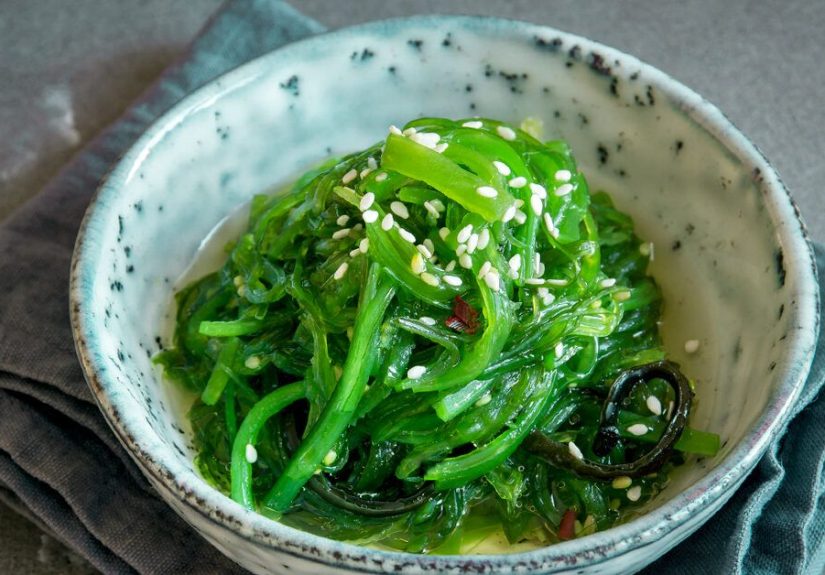
Wakame is tender and slightly sweet, often found in miso soup and seaweed salads.
Kelp or kombu is a brown seaweed often used in broths. It is deeply savory and famously rich in iodine.
Dulse is a red seaweed with a chewy texture and a salty, almost bacon-like flavor when cooked.
Even within the same category, seaweed nutrition can vary a lot depending on species, where it was harvested, and how it was processed. That is one reason seaweed is both fascinating and a little sneaky. One serving may be mild and balanced, while another may deliver a much bigger mineral punch.
Why Seaweed Is So Nutritious
1. It is one of the best natural food sources of iodine
Iodine is the headline nutrient in seaweed, and for good reason. Your thyroid needs iodine to make hormones that help regulate metabolism, growth, temperature control, and energy use. Without enough iodine, your thyroid cannot do its job efficiently, and your body will absolutely notice.
Seaweed stands out because it naturally concentrates iodine from seawater. Even small portions can provide meaningful amounts. In fact, a modest serving of dried nori can contribute a substantial share of an adult’s daily iodine needs, while brown seaweeds like kelp can contain much more. That makes seaweed especially useful for people who eat little or no dairy, seafood, or iodized salt.
Of course, this is where seaweed earns its “with great power comes great responsibility” moment. The same quality that makes it helpful can also make it easy to overdo. Some varieties, especially kelp and kombu, can provide extremely high amounts of iodine. Seaweed is healthy, but it is not meant to be eaten like potato chips by the family-size handful every day.
2. It delivers fiber that your gut actually appreciates
Seaweed contains fiber, including special polysaccharides that act a lot like prebiotics. That means they can help feed beneficial gut bacteria. A healthier gut microbiome is linked to better digestion, more regular bowel habits, and broader health benefits that researchers are still exploring.
Seaweed fiber also supports fullness. Because it absorbs water and slows digestion, it can help you stay satisfied longer after a meal. That does not mean seaweed is a miracle weight-loss food. It means it can be a smart part of a balanced eating pattern that helps you feel less likely to raid the pantry like a raccoon in sneakers.
3. It is low in calories but high in useful nutrients
Seaweed is one of those rare foods that manages to be light and loaded at the same time. It is typically low in calories, fat, and sugar, yet it can provide minerals like iron, magnesium, calcium, and potassium, along with vitamins such as vitamin K, folate, and sometimes vitamins A and C depending on the type.
In practical terms, seaweed gives you a lot of nutritional value without demanding much room on your plate. That makes it especially attractive for people trying to build more nutrient-dense meals instead of just bigger ones.
4. It contains protective plant compounds
Seaweed is rich in phytochemicals, including polyphenols and carotenoids. These compounds help protect cells from oxidative stress. Translation: they act like tiny bodyguards for your cells, helping defend them against everyday wear and tear caused by unstable molecules called free radicals.
Researchers are especially interested in compounds found in brown seaweeds, such as fucoxanthin and other antioxidant molecules. While the science is still developing, these compounds are part of the reason seaweed is often described as a functional food. It is not just about calories and vitamins. It is also about the biologically active compounds that may support long-term health.
5. It can add umami without piling on heavy ingredients
Seaweed has a naturally savory, briny, umami-rich taste. That matters more than it sounds. When a food brings a lot of flavor on its own, you often need less butter, less processed sauce, and fewer salty extras to make a meal satisfying. Kombu in broth, nori on rice bowls, and wakame in soups can make simple meals taste far more interesting.
Healthy eating gets a lot easier when food is delicious. Seaweed helps on that front. It makes vegetables, grains, and seafood taste more exciting, which is nutrition’s version of getting the responsible friend to also be the fun one.
Potential Health Benefits of Eating Seaweed
Thyroid support
The clearest and strongest benefit of seaweed is its iodine content. When eaten in appropriate amounts, iodine-rich foods help support healthy thyroid hormone production. For people whose diets are low in iodine-rich foods, seaweed can be a valuable addition.
Gut health support
Thanks to its fiber and prebiotic properties, seaweed may help support a healthier digestive environment. That can translate to better regularity, improved fullness after meals, and a microbiome that gets more of the fuel it likes.
Heart-smart eating pattern support
Seaweed alone is not a miracle for heart health, but it fits beautifully into eating patterns that are associated with cardiovascular benefits. It is low in calories, often contains beneficial fatty acids in small amounts, and contributes fiber and plant compounds. When used in place of more heavily processed snack foods or as part of meals built around fish, vegetables, legumes, and whole grains, it pulls its weight nicely.
Plant-forward nutrition for people who want more variety
Many people get stuck eating the same vegetables on repeat: spinach, broccoli, carrots, repeat until mildly bored. Seaweed brings a completely different nutritional profile to the table. It can help diversify plant intake, which is a smart move for both nutrition and mealtime sanity.
Seaweed Is Healthy, But There Are a Few Important Cautions
Too much iodine can backfire
Here is the big one: seaweed can be so rich in iodine that eating large amounts, especially of kelp or kombu, may push intake too high. Excess iodine can affect thyroid function, especially in people with thyroid disorders or those already sensitive to changes in iodine intake.
If you love seaweed snacks, that is fine. Just rotate varieties and pay attention to portion sizes. “More nutritious” is not the same as “eat endlessly while watching television.”
Some products are salty
Seaweed in its plain form is often naturally low in calories, but flavored seaweed snacks can add sodium, oils, and seasoning blends quickly. The health halo can fool people into thinking the whole package is automatically harmless. Read labels. A seaweed snack can still be a smart pick, but the ingredient list matters.
Quality matters
Because seaweed grows in the ocean, it can absorb substances from its environment. Some products may contain varying levels of heavy metals or other contaminants. That does not mean seaweed is unsafe across the board. It means buying from reputable brands and not treating random supplements like treasure from Neptune is a wise move.
Supplements are not the same as food
Kelp supplements and seaweed powders can sound healthy, but they may deliver highly concentrated iodine. For some people, that can create problems rather than benefits. Whole foods are usually the safer, more balanced place to start unless a clinician specifically recommends otherwise.
Who Should Be Extra Careful With Seaweed?
Most people can enjoy moderate amounts of seaweed as part of a balanced diet. Still, a few groups should be more cautious:
People with thyroid conditions
If you have hypothyroidism, hyperthyroidism, thyroid nodules, Hashimoto’s disease, or take thyroid-related medication, ask a healthcare professional how much seaweed makes sense for you. Iodine can be helpful, but not always in unlimited or inconsistent amounts.
Pregnant and breastfeeding women
Iodine needs increase during pregnancy and lactation, which makes iodine-rich foods important. But very high iodine intake is not the goal either. Moderate, food-based intake is generally the smart approach, especially with seaweeds that vary a lot in iodine concentration.
Anyone using kelp supplements regularly
This is where caution becomes practical. Supplements can be much harder to judge than food. If your daily routine includes a mysterious green capsule and a strong belief in the ocean, it may be time to check the label and talk with a professional.
Simple Ways to Eat More Seaweed
The good news is that eating seaweed does not require opening a tiny sushi restaurant in your kitchen. It is one of the easiest “superfoods” to use once you know where to start.
Easy ideas for beginners
Snack on plain or lightly seasoned roasted nori sheets.
Add wakame to soups for a soft, silky texture.
Use crumbled nori on rice bowls, avocado toast, or popcorn.
Stir strips of seaweed into noodle dishes or grain bowls.
Use kombu in broths and beans for deeper flavor, then remove it before serving if desired.
Start small. Seaweed has a distinct taste, and your palate may need a minute to catch up. The first bite can feel like a vacation to the ocean. The third bite usually feels like lunch.
So, Is Seaweed a Superfood?
Honestly, yes, with one important footnote. Seaweed deserves its healthy reputation because it is naturally rich in iodine, offers fiber and prebiotic compounds, supplies a range of minerals and vitamins, and contains phytochemicals that make nutrition researchers lean forward in their chairs. It is versatile, flavorful, low in calories, and easy to fit into meals.
But the smartest way to eat seaweed is with respect, not recklessness. Different types contain very different nutrient levels, and more is not always better, especially when iodine enters the chat. Think of seaweed as a concentrated, nutrient-packed food that works best in moderate amounts and in rotation with other healthy foods.
If you want a simple takeaway, here it is: seaweed is not just healthy because it is trendy. It is healthy because it delivers real nutritional value in a small package. When chosen wisely and eaten in sensible portions, it can absolutely earn a spot in a modern, balanced diet.
Everyday Experiences With Seaweed: What It’s Really Like to Add It to Your Diet
One reason seaweed has such a loyal fan base is that the experience of eating it is different from almost every other plant food. The first time many people try roasted nori on its own, they expect it to taste intensely “fishy,” but the surprise is that good seaweed is often more savory than fishy. It is salty, crisp, a little smoky, and incredibly light. The texture practically melts on your tongue, which makes it oddly satisfying even though it weighs about as much as a receipt.
Then there is the soup experience. If you have ever had wakame in miso soup, you know the transformation. It starts dry and small, then blooms in hot liquid into silky green ribbons that feel soft and comforting. It changes the entire mood of a bowl. Plain broth suddenly seems deeper, warmer, and more complete. Seaweed has that effect. It makes simple food taste like someone cared.
People who begin eating seaweed regularly often describe a few common experiences. First, they notice how easy it is to add flavor without adding heaviness. A rice bowl with vegetables and salmon can taste good on its own, but a little crumbled nori on top gives it a salty, toasty finish that makes the whole meal feel restaurant-worthy. The same thing happens with eggs, grain bowls, noodles, and even popcorn. Seaweed is the culinary equivalent of a very stylish scarf. It is not the whole outfit, but it changes everything.
Another common experience is that seaweed encourages more adventurous eating. Someone who would never get excited about plain brown rice might suddenly be very interested once the bowl includes avocado, sesame, cucumber, and strips of nori. A person who is trying to eat more vegetables may find seaweed makes those meals feel less like a nutrition assignment and more like actual food they want again tomorrow.
There is also a practical experience that longtime seaweed eaters learn quickly: moderation matters. It is easy to assume that because seaweed is healthy, more must be better. Then someone discovers that certain seaweed snacks are saltier than expected, or that kelp-heavy foods can be much stronger than mild nori. Over time, most people find their sweet spot. They use seaweed the way smart cooks use strong cheese or hot sauce: enough to make things exciting, not so much that it takes over the room.
For many families, seaweed becomes one of those “small but mighty” foods that quietly sticks around. Kids may like the crunchy sheets because they are fun to eat. Adults appreciate that seaweed is easy to store, quick to use, and a clever way to add flavor and nutrition without much effort. It can turn a plain lunch into something more satisfying in seconds. That may be the most realistic reason seaweed has staying power. It is healthy, yes, but it is also convenient, flavorful, and memorable. In real life, those qualities matter just as much as the nutrition label.







 Close
Close