
Table of Contents >> Show >> Hide
- What “Every Type” Looked Like in Real Life
- Why I Wanted Hormonal Birth Control to Work So Badly
- The Trade-Offs That Finally Added Up
- The Switching Carousel: Why “Just Try Another One” Got Old
- How I Decided to Stop Taking Hormonal Birth Control
- What Happened After I Stopped
- Non-Hormonal Birth Control Options I Considered (and How I Chose)
- What I’d Tell Anyone Thinking About Quitting Hormonal Birth Control
- The Bottom Line
- Extra: of “I Tried Everything” Experience (What It Actually Felt Like)
Confession: I didn’t quit hormonal birth control because I “read something scary online” at 2 a.m. (Though, to be fair, I’ve made plenty of questionable late-night decisionslike buying a bread maker I used twice.) I stopped because after years of trying method after method, I finally realized I was spending more energy managing my birth control than actually living my life.
This is the honest, slightly funny, very human story of why I stopped taking hormonal birth control after trying basically every mainstream optionplus what I learned along the way, what I wish I’d asked sooner, and how I approached non-hormonal birth control options without spiraling into a research wormhole.
Quick note: I’m not here to villainize hormonal contraception. For many people, it’s life-changing in the best way. This is just one person’s “this isn’t working for me” momentand a practical guide to thinking it through.
What “Every Type” Looked Like in Real Life
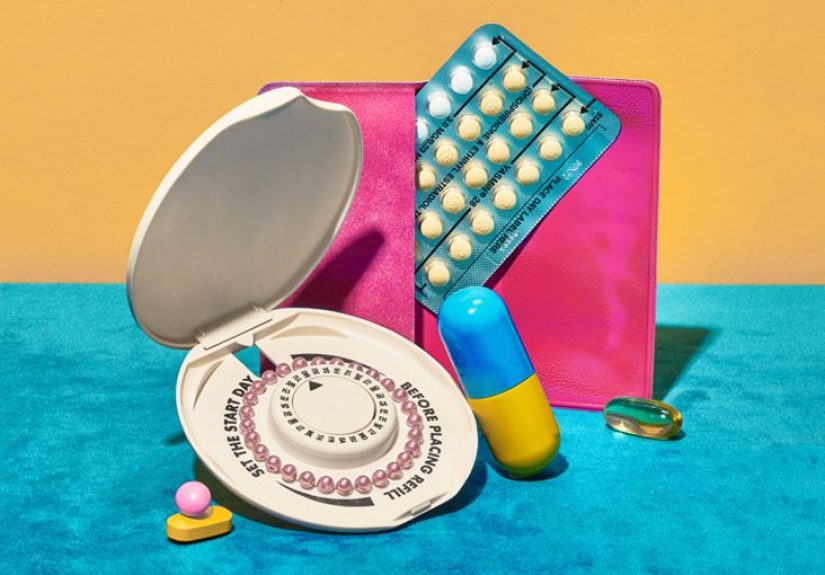
When I say I tried “every type,” I mean I rotated through the usual hormonal lineup like it was a streaming service free trial:
- Combination pill (estrogen + progestin)
- Progestin-only pill (mini-pill)
- Patch (weekly)
- Vaginal ring (monthly schedule)
- Shot (every three months)
- Implant (in the arm)
- Hormonal IUD (in the uterus)
Some worked “fine” for a while. Some were a hard no. Most lived in that annoying middle zone: not catastrophic, but not greatlike wearing shoes that don’t blister you anymore, but you still think about them all day.
Why I Wanted Hormonal Birth Control to Work So Badly
Hormonal birth control has real upsides, and I experienced some of them:
- More predictable periods (or fewer of them)
- Less cramping and lighter bleeding
- Skin improvements (sometimes)
- Convenienceespecially with longer-acting methods
Honestly, I loved the idea of “set it and forget it.” My brain thrives on routinesuntil it doesn’t. And I was willing to troubleshoot because I knew millions of people use these methods safely and happily.
But here’s the catch: “safe” doesn’t always mean “feels good for my body.” And “common” doesn’t automatically mean “compatible.”
The Trade-Offs That Finally Added Up
The reason I stopped taking hormonal birth control wasn’t one dramatic side effect. It was the accumulationa long series of small-to-medium issues that kept showing up no matter which method I tried.
1) Mood Changes That Felt Like Living With a Random Number Generator
I’m not saying hormonal birth control “caused” every bad day I ever had. But I noticed patterns: emotional spikes that didn’t match what was happening in my life, irritability that came out of nowhere, and that specific kind of fragile feeling where a mildly sad commercial could take me out.
Some methods were better than others. The problem was consistency: I never felt like I could predict how I’d feel from week to week, which made it hard to trust my own emotions. Eventually, I wanted a baseline I could recognize as me.
2) Bleeding Roulette (A Game Nobody Asked For)
If you’ve ever played “spotting or period?” for 12 straight days, you understand the unique annoyance of always being slightly prepared for laundry.
With pills, I dealt with breakthrough bleeding when timing wasn’t perfect or when my body was adjusting. With some longer-acting methods, irregular bleeding lasted longer than I expected. Even when it wasn’t medically concerning, it was mentally exhaustingbecause it’s hard to feel comfortable in your own routine when your body keeps moving the goalposts.
3) Headaches and the “Is This a Coincidence?” Spiral
Headaches can happen for a hundred reasonssleep, stress, dehydration, screen time, you name it. But I noticed that on certain methods, headaches became more frequent and more stubborn. That triggered the classic internal debate:
“Is it the birth control… or is it just modern life?”
After repeating this debate across multiple methods, I decided I didn’t want to keep gambling on “maybe it’ll settle down” if my quality of life was taking a hit.
4) The Mental Load Was Bigger Than I Expected
This one surprised me. Even when side effects were mild, the ongoing management wasn’t.
- Remembering doses at the same time every day
- Wondering if a missed pill “counted” as missed
- Second-guessing symptoms
- Switching brands and waiting through adjustment periods
- Scheduling refills and appointments
It felt like I was constantly doing customer support for my own hormones.
5) Risk Factors and “Maybe This Isn’t the Best Fit” Reality Checks
I also learned that certain types of hormonal birth controlespecially those containing estrogenaren’t recommended for everyone. Risk factors like a history of blood clots, certain migraine patterns, or smoking after age 35 can change what’s considered a safer option.
Even if those didn’t apply to me directly, the bigger lesson did: your personal health history matters a lot in choosing the right method. The “best” method on paper may not be the best method for your body.
The Switching Carousel: Why “Just Try Another One” Got Old
In theory, switching methods is straightforward: try something, give it time, see how you feel, adjust.
In real life, switching can mean months of waiting for your body to settleonly to realize you’re settling for something you don’t actually like.
Some side effects truly do fade after an adjustment window. But my experience was that I kept cycling through the same categories of problems, just in different outfits. At some point, the most reasonable choice wasn’t “try again.” It was “try different”as in, a non-hormonal approach.
How I Decided to Stop Taking Hormonal Birth Control
I didn’t wake up one day and dramatically throw a pill pack into the trash like a movie scene. It was more like building a case file (very glamorous, I know). Here’s what helped me decide:
I tracked patterns, not single symptoms
I started asking: Is this a one-off, or is it repeating? I wrote down what I noticedmood shifts, headaches, bleeding changes, sleep, energy, stress. Not to obsess, but to get clarity.
I weighed “pregnancy prevention” against “daily wellbeing”
Effectiveness matters. But so does waking up feeling like a functional person. I wanted a method that protected me from pregnancy without making me feel like I was constantly negotiating with my body.
I accepted that “not terrible” isn’t the same as “good”
This was the turning point. I kept tolerating methods because they weren’t disasters. But “not a disaster” is a low bar for something that affects your life every day.
What Happened After I Stopped
Going off hormonal birth control wasn’t instantly magical, and I think it helps to say that out loud.
My body needed time to reset. My cycles took a while to find their rhythm again. Some things improved quickly, while other changes were slower and more gradual. I also had to plan ahead: stopping means you can be at risk of pregnancy right away if you don’t switch to another method immediately.
The best part, for me, was feeling like I had a clearer baseline. Even when I had normal hormonal ups and downs, they felt more predictable and less “random.” That sense of predictability was unexpectedly calming.
Non-Hormonal Birth Control Options I Considered (and How I Chose)
If you’re thinking about stopping hormonal birth control, you don’t have to leap into the unknown. There are solid non-hormonal birth control options. Each comes with trade-offsjust different ones.
Copper IUD
The copper IUD is hormone-free and extremely effective. The most common downside people talk about is heavier bleeding and more cramping, especially early on. For someone whose main reason for quitting was hormonal side effects, this option can feel like a clean break from hormone-related issues.
Condoms (and why I stopped underestimating them)
Condoms are widely available, don’t involve hormones, and they help reduce the risk of STIs. The key is using them consistently and correctly. I started thinking of condoms less as “the backup plan” and more as a valid primary methodespecially when paired with another non-hormonal strategy.
Diaphragm, cervical cap, sponge, and spermicides
These methods can work well for some people, especially if you want something non-hormonal and on-demand. They do require planning and correct use, which can be either empowering (“I’m in control!”) or annoying (“I’m in control… again.”) depending on your personality.
Fertility awareness-based methods (FAM)
These methods can be effective when taught properly and used carefully, but they’re not the best fit for everyoneespecially if your cycles are irregular or you don’t want to track biomarkers consistently. If you go this route, education and accuracy matter a lot more than vibes.
Emergency contraception is not a routine plan
Emergency contraception exists for emergencies. It can be a lifesaver, but it’s not designed to replace a regular method. Knowing your options ahead of time (including timing) can reduce stress if you ever need it.
What I’d Tell Anyone Thinking About Quitting Hormonal Birth Control
If you’re considering stopping hormonal birth control after trying multiple types, here are the most useful, no-drama lessons I learned:
1) Bring specifics to your appointment
Instead of “I don’t feel right,” try: “I’ve noticed persistent headaches and mood swings that started after switching methods,” or “I’ve had irregular bleeding for months and it’s affecting my daily life.” Specifics help your clinician troubleshoot better.
2) Ask about “fit,” not just “effectiveness”
Effectiveness is crucial, but so is whether a method matches your health history and lifestyle. Ask about common side effects, expected adjustment time, and what would be considered a reason to switch sooner rather than later.
3) You don’t have to “push through” misery
Yes, some side effects improve with time. But if something is making you feel unwell or unlike yourself, you don’t owe anyone extra months of suffering just to prove you tried hard enough. Your comfort and wellbeing matter.
The Bottom Line
I stopped taking hormonal birth control after trying every type because I wanted a method that protected my future without draining my present. For me, the emotional unpredictability, the constant management, and the repeated side-effect patterns weren’t worth it anymore.
That doesn’t mean hormonal contraception is “bad.” It means bodies are different, priorities are different, and what feels like freedom for one person can feel like friction for another. The real win is finding a birth control method that you can use confidentlywithout feeling like you’re constantly negotiating with your own body.
Extra: of “I Tried Everything” Experience (What It Actually Felt Like)
If you want the unfiltered version of how it feels to hop from method to method, here it isless textbook, more “real life.”
At first, switching felt hopeful. I’d start a new method with the same optimism people bring to January gym memberships. This is it! I’d tell myself. This one will be smooth. This one will feel normal. This one will be the magical combination of effective, low-maintenance, and emotionally chill.
Then came the adjustment period. And I tried to be patient, because I kept hearing some variation of: “Give it a few months.” So I did. I waited through the weird weeksspotting that showed up like an uninvited guest, mood swings that made me feel like I was reacting to a life I wasn’t actually living, and days where I couldn’t tell if I was tired because of hormones or because I’m a person with a phone and responsibilities.
Every method had its own personality. The daily pill demanded punctuality like an over-caffeinated manager. Miss a dose or take it late, and suddenly I was doing math and reading instructions like I was defusing a tiny plastic bomb. The patch was easier to rememberuntil I started thinking about it every time I changed clothes, like, “Are you still there? Are we good? Are we peeling?” The ring was convenient in a way that felt almost too convenient, like it was quietly judging me for forgetting it existed.
The longer-acting methods were a different kind of mental game. On one hand: relief. No daily reminders. On the other: if you don’t like it, you can’t just stop on a Tuesday and move on with your life. You have to schedule removal, wait for appointments, and endure that awkward in-between period where you’re not sure if your body is adjusting or protesting.
I kept telling myself I was being “low-maintenance” by not making a big deal out of mild side effects. But eventually I realized something: I was spending a lot of time minimizing my own discomfort. I was treating persistent annoyances like they were personality flawslike I just needed to be tougher, less sensitive, more grateful.
The moment I decided to quit wasn’t dramatic. It was quiet. I looked at the pattern and admitted: I keep trying to fix this by switching the delivery method, but the core issue is that I don’t love how I feel on hormones. And that was enough. I didn’t need a better argument than “I want to feel like myself.”
After stopping, I didn’t become a mythical glowing woodland creature. I still had normal hormonal days. But the difference was that they felt minepredictable in a way that made sense. And for me, that sense of ownership was worth the trade-offs of building a non-hormonal plan that actually fit my life.





 Close
Close