
Table of Contents >> Show >> Hide
- The Science of Fear: Your Brain Pulls the Fire Alarm
- We Like Being Scared Because It Gives Us a Chemical Rush
- Safe Fear Lets Us Practice Handling Stress
- Curiosity Makes the Creepy Hard to Ignore
- Getting Scared Can Bring People Together
- Personality Plays a Big Role
- Why Some People Hate Being Scared
- Fear Makes Us Feel Alive
- Examples of Scary Fun in Everyday Life
- How to Enjoy Fear in a Healthy Way
- Personal Experiences: Why Scary Moments Stick With Us
- Conclusion: The Fun Side of Fear
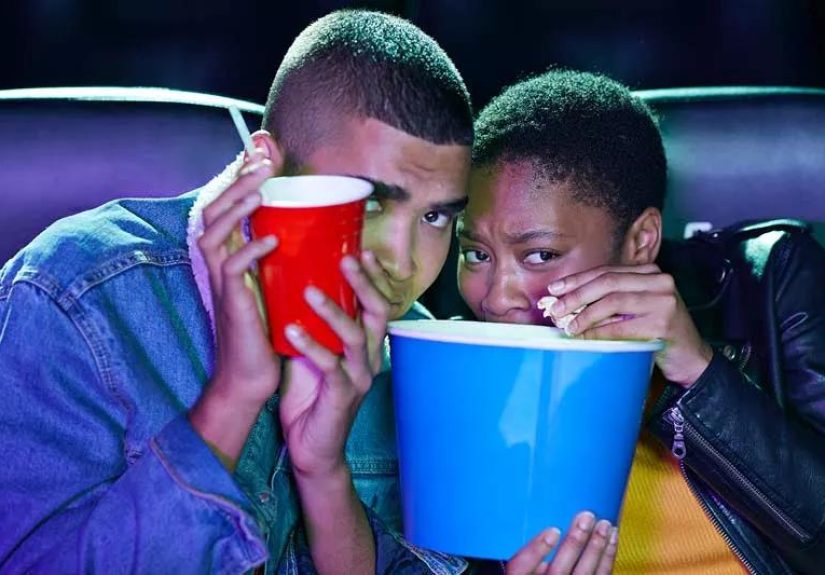
Why do we like to get scared when our brains are supposedly designed to avoid danger? It sounds ridiculous on paper. “Please, yes, I would love to pay money to sit in a dark room while a masked villain appears behind a door.” And yet, every year, people line up for horror movies, haunted houses, ghost tours, roller coasters, creepy podcasts, escape rooms, and Halloween attractions as if fear were a limited-edition dessert.
The secret is that enjoyable fear is not the same as actual danger. When we choose a scary experience, we are stepping into what researchers often call recreational fear: fear in a safe, controlled setting. Your heart races, your palms sweat, your muscles tense, and your brain briefly behaves as if trouble has entered the room wearing muddy boots. But another part of your mind knows you are safe. The screen cannot reach you. The haunted house actor cannot follow you home. The roller coaster has seat belts, inspections, and a bored teenager operating the gate.
That strange combinationbody alarm plus mental safetyis exactly what makes fear feel exciting instead of purely awful. It gives us intensity without real-world consequences. It lets us flirt with danger while keeping both shoes firmly on the responsible side of survival.
The Science of Fear: Your Brain Pulls the Fire Alarm
Fear begins as a survival system. When your brain detects a possible threat, the amygdala, a small but powerful region involved in emotion and threat detection, helps sound the alarm. The body then prepares for action: heart rate increases, breathing may speed up, attention sharpens, and stress hormones such as adrenaline and cortisol can rise. This is the classic fight-or-flight response, though “freeze and stare dramatically” also deserves a mention.
In a truly dangerous situation, this response helps you react quickly. But in a safe scary situation, the same physical reaction can become thrilling. Your body is energized. Your senses are awake. Your brain is fully locked onto the moment. Compared with scrolling through your phone while half-watching a show and wondering whether that leftover pizza is still emotionally available, fear is extremely present.
Fear Feels BadUntil Your Brain Adds Context
Context is the difference between panic and fun. Hearing footsteps behind you in an empty parking lot at night is not entertainment. Hearing footsteps behind you in a haunted attraction after signing a waiver and buying a pumpkin-spice drink is a different story.
Your brain constantly evaluates whether a threat is real, manageable, and temporary. When it decides, “This is scary, but I am safe,” the experience can shift from distress to excitement. That is why people laugh after a jump scare. The fear spikes, the brain rapidly checks reality, and then relief floods in. The laugh is partly social, partly emotional release, and partly your nervous system saying, “Well, that was rude.”
We Like Being Scared Because It Gives Us a Chemical Rush
One major reason people enjoy scary experiences is simple: the body’s fear response can feel energizing. Adrenaline creates alertness and physical intensity. Endorphins can contribute to a positive after-feeling. Dopamine, involved in reward and motivation, may also play a role in why some people seek thrilling experiences again and again.
This does not mean everyone enjoys fear equally. Some people love horror marathons and haunted corn mazes. Others hear one creepy violin note and relocate emotionally to a blanket fort. Both reactions are normal. People differ in temperament, past experiences, anxiety levels, sensitivity to disgust, and comfort with uncertainty.
The “Afterglow” of a Good Scare
A good scare often feels best after it is over. Think about stepping off a roller coaster. During the ride, your brain may scream, “Why did we trust engineering?” But afterward, you feel awake, proud, and maybe slightly taller in spirit. That post-scare relief is a huge part of the reward.
Psychologists sometimes describe this as a form of emotional contrast. Fear makes relief feel stronger. The darker the hallway, the brighter the exit sign. In horror movies, tension can make the final survival scene feel more satisfying. In a haunted house, the moment you emerge into the parking lot alive, even the smell of funnel cake feels like a personal victory.
Safe Fear Lets Us Practice Handling Stress
Scary entertainment can work like a low-stakes emotional rehearsal. Horror stories, thrillers, and haunted attractions put us inside dramatic “what if” scenarios without exposing us to actual danger. We get to imagine how we might respond under pressure. Would we investigate the strange noise? Would we leave the creepy basement immediately like a person with common sense? Would we survive the movie because we refused to split up from the group?
Researchers studying horror fans have suggested that scary fiction may help some people explore fear, uncertainty, and survival in a controlled way. During the COVID-19 pandemic, for example, research involving horror and pandemic-themed movie fans suggested that some people who regularly engaged with frightening fiction reported feeling more psychologically prepared for real-world uncertainty. That does not mean horror is therapy for everyone, but it does show that scary stories can sometimes help people process difficult emotions from a safer distance.
Fear Builds a Sense of Mastery
When you voluntarily face something frightening and come out okay, you may feel a boost in confidence. That is one reason haunted houses can be weirdly satisfying. You entered the foggy hallway. You survived the person in the werewolf mask. You did not drop your phone into the fake graveyard. Congratulations: the nervous system has completed a tiny hero’s journey.
This feeling of mastery matters. Controlled fear can help people learn that intense emotions rise, peak, and pass. That lesson is valuable because everyday stress often feels permanent while it is happening. A scary movie teaches a compact emotional script: tension begins, tension grows, tension ends, snacks remain.
Curiosity Makes the Creepy Hard to Ignore
Humans are curious creatures. We want to understand threats, mysteries, taboos, and the unknown. This is one reason people are drawn to horror stories, true crime, ghost legends, and eerie documentaries. Scary content lets us examine the darker corners of life from a protected position.
Morbid curiosity may sound like something your aunt would whisper about at Thanksgiving, but it is not necessarily unhealthy. In moderate, safe forms, curiosity about danger can help people learn what to avoid, how others behave under pressure, and why certain situations feel threatening. Horror gives that curiosity a costume, a soundtrack, and usually at least one door that should absolutely not be opened.
Stories Turn Fear Into Meaning
Raw fear is uncomfortable. Story-shaped fear is different. A horror movie gives fear structure: beginning, suspense, reveal, escape, conclusion. That structure makes fear easier to digest. Instead of sitting with vague anxiety, we get a monster, a mystery, or a villain. The fear becomes visible. It has a shape.
That is why horror often reflects cultural concerns. Zombies can represent social collapse. Haunted houses can symbolize family secrets. Alien invasions can reflect fear of the unknown. Slasher films can turn vulnerability into survival. The monster is rarely just a monster. It is also a big, dramatic container for things people already worry aboutonly now it has fangs, which is admittedly less convenient.
Getting Scared Can Bring People Together
Fear is social. People often enjoy scary experiences more with friends, dates, siblings, or a group that can scream in harmony like a badly organized choir. Shared fear can create bonding because everyone is experiencing the same emotional roller coaster at the same time.
When people go through a safe challenge together, they often leave with a stronger sense of connection. They laugh about who screamed first, who grabbed whose sleeve, and who pretended not to be scared while walking suspiciously fast toward the exit. The fear becomes a shared story.
Why Haunted Houses Are Basically Team Sports
Haunted houses are not just about being scared; they are about reacting together. One person leads. One person hides behind the group. One person makes nervous jokes. One person says, “It’s obviously fake,” exactly three seconds before shouting at a plastic skeleton. The fun comes from the group performance as much as the scare itself.
This social effect also explains why horror movies are popular date-night choices. Fear increases arousalnot necessarily romance, but general physiological excitementand shared emotion can make people feel closer. Plus, if the movie is terrible, you still get to bond over the fact that the ghost had worse decision-making skills than the living characters.
Personality Plays a Big Role
Not everyone enjoys fear for fun. Some people are higher in sensation seeking, meaning they enjoy intense, novel, and stimulating experiences. These people may be more likely to enjoy roller coasters, scary movies, extreme sports, loud concerts, or other activities that wake up the nervous system.
Other people prefer calm, predictability, and emotional comfort. They are not “boring”; they simply do not need a chainsaw sound effect to feel alive. A cozy mystery, a warm drink, and a locked door may be their ideal level of suspense.
Horror Fans Are Not All the Same
Horror fans also enjoy scary content for different reasons. Some like the adrenaline. Some like the puzzle. Some like the monsters and makeup effects. Some enjoy the emotional release. Some appreciate horror as art, metaphor, or social commentary. Others simply enjoy yelling, “Don’t go in there!” at fictional people who never listen.
This variety matters for SEO, for storytelling, and for understanding human behavior. The question is not only “Why do we like to get scared?” It is also “What kind of fear do we like, and why?” A ghost story, psychological thriller, monster movie, haunted hayride, and roller coaster all produce different flavors of fear.
Why Some People Hate Being Scared
Enjoyable fear depends on feeling safe. If someone has experienced trauma, intense anxiety, panic attacks, or strong sensitivity to frightening images, scary entertainment may feel overwhelming instead of fun. The same haunted house that gives one person a delightful adrenaline buzz may leave another person shaken and exhausted.
This is why it is important not to pressure people into scary experiences. Fear is personal. A person who skips the horror movie is not weak; they are simply reading their own nervous system correctly. Honestly, that is a life skill.
The Sweet Spot: Scary, But Not Too Scary
The most enjoyable fear usually sits in the sweet spot between boredom and panic. Too mild, and the experience feels silly. Too intense, and it stops being fun. The ideal scare is strong enough to grab attention but safe enough to remain playful.
This is why horror creators carefully control pacing. They use silence, shadows, music, surprise, and uncertainty to build tension. A good scare is not just a loud noise. It is a rhythm: setup, suspense, release. Without that rhythm, horror becomes exhausting. With it, fear turns into entertainment.
Fear Makes Us Feel Alive
Modern life can be oddly low-stakes and high-stress at the same time. We worry about emails, grades, deadlines, bills, social pressure, traffic, and whether “per my last email” is secretly a declaration of war. These stressors can feel constant but not physically dramatic. Scary entertainment offers a clear, temporary burst of emotion.
In a horror movie, the problem is obvious. There is a monster. There is a locked door. There is a creepy doll that everyone should have thrown into the ocean in scene one. Compared with vague daily stress, fictional fear is refreshingly direct. It gives the mind one big problem to focus on, then resolves it.
Controlled Fear Can Feel Like a Reset Button
After a good scare, some people feel calmer. The body has gone through an intense wave of arousal and then returned to safety. That shift can feel like emotional weather clearing. It is not magic, and it does not replace healthy coping skills, but it can explain why people leave scary movies smiling.
The experience says: you were scared, and now you are okay. For some people, that message is surprisingly comforting.
Examples of Scary Fun in Everyday Life
Scary fun is everywhere. Roller coasters simulate danger through speed, height, and drops. Escape rooms create pressure through time limits and puzzles. Haunted houses use darkness, surprise, and performance. Horror games add interactivity, making the player responsible for moving through the fear. Campfire stories use imagination, which is often scarier than any special effect because the brain has an unlimited budget.
Even children play with safe fear through peekaboo, chase games, spooky stories, and pretend monsters. These playful scares help people experiment with surprise, uncertainty, and recovery. The form changes with age, but the basic pattern remains: safe threat, emotional spike, relief, laughter.
How to Enjoy Fear in a Healthy Way
The best scary experiences are voluntary, safe, and balanced. Choose the level of fear that fits you. A suspenseful mystery may be enough. A supernatural thriller may be perfect. A full-volume horror marathon at midnight may be too much, especially if you need to sleep without inspecting every shadow like a detective with a flashlight.
Pay attention to your body. Excitement usually feels intense but manageable. Distress feels overwhelming, lingering, or unpleasant. If a scary movie or attraction leaves you feeling genuinely bad, it is perfectly reasonable to stop. Entertainment should not require emotional heroics.
Simple Ways to Keep Scary Fun Actually Fun
Watch with friends, choose content wisely, take breaks, and avoid scary material right before bed if it disrupts your sleep. Read ratings and content descriptions if you know certain themes bother you. Remind yourself that fear is easier to enjoy when you stay in control of the experience.
And yes, it is acceptable to watch horror movies with the lights on. Anyone who judges you can personally explain themselves to the creepy basement.
Personal Experiences: Why Scary Moments Stick With Us
Almost everyone has a “good scare” story. Maybe it was the first haunted house you walked through with friends, pretending to be brave while gripping someone’s hoodie like it was a life raft. Maybe it was a horror movie watched at a sleepover, where half the group screamed and the other half screamed because the first half screamed. Maybe it was a roller coaster that looked manageable from the ground and then, at the top, suddenly became a formal negotiation with gravity.
These memories stick because fear sharpens attention. Ordinary moments can blur together, but scary moments arrive with flashing lights in the brain. You remember the sound, the timing, the smell of popcorn, the nervous laughter, the friend who said, “I’m not scared,” and then jumped high enough to qualify for a weather report.
One of the most relatable experiences is watching a scary movie at home and creating a personal safety system that makes no logical sense but feels essential. You keep one light on. You make sure your feet are under the blanket, because apparently blankets are legally binding monster shields. You lower the volume during tense scenes, as if the ghost becomes less powerful at 40 percent audio. You pause the movie to “get water,” even though the real mission is to remind yourself that your kitchen is normal and not currently haunted.
Then something funny happens. Once the movie ends, fear turns into conversation. You discuss the plot holes. You rank the characters by survival intelligence. You complain that nobody called for help early enough. The fear becomes entertainment after the fact, and the memory becomes something you can retell.
Haunted houses create a different kind of experience because the fear is physical and social. You are not just watching someone walk down a dark hallway; you are the person walking down the dark hallway. Your brain knows it is fake, but your body did not receive the memo. Every corner becomes suspicious. Every curtain has bad intentions. Every quiet room feels like it is holding its breath.
Yet the best part often comes after the exit. People laugh harder outside than they screamed inside. The group reconstructs the adventure like investigators at a very silly crime scene. “You pushed me!” “No, I guided you spiritually toward the door.” “You screamed first!” “That was not a scream; that was tactical volume.” The shared fear becomes social glue.
Roller coasters offer another version of the same idea. The climb is pure anticipation. The drop is surrender. The end is relief. Nobody gets off a roller coaster and says, “What a calm transportation method.” The joy comes from letting the body experience danger while trusting the structure. For a minute or two, you hand your nervous system to physics and hope physics is in a good mood.
These experiences also teach something useful: fear is not always a stop sign. Sometimes it is a signal that we are entering unfamiliar territory. In safe situations, moving through fear can show us that we are more flexible than we thought. The point is not to become fearless. Fearless people in horror movies make terrible decisions. The point is to learn that fear can be felt, understood, and survived.
That may be the real reason we like to get scared. Safe fear gives us a tiny adventure. It lets us visit the edge without falling off. It wakes up the body, focuses the mind, connects us with other people, and leaves us with a story. We do not love fear because we want danger. We love controlled fear because it reminds us we are alive, protected, and capable of laughing once the lights come back on.
Conclusion: The Fun Side of Fear
So, why do we like to get scared? Because safe fear is a beautifully strange human loophole. It activates ancient survival systems while modern awareness whispers, “Relax, this is entertainment.” The result can be excitement, relief, confidence, curiosity, connection, and a memorable story to tell later.
We enjoy scary movies, haunted houses, ghost stories, and thrill rides not because we want real danger, but because we want intensity without disaster. We want to feel our hearts race and then remember we are okay. We want to test courage, laugh with friends, explore the unknown, and step out of ordinary life for a little while.
Fear, when chosen carefully and experienced safely, is not just an emotion to avoid. Sometimes, it is entertainment wearing a spooky mask.





 Close
Close