
Table of Contents >> Show >> Hide
- What Is a Hubcap?
- The Main Reasons Cars Have Hubcaps
- Hubcaps vs. Wheel Covers vs. Center Caps
- A Short History of Hubcaps
- Why Do Some Cars Not Have Hubcaps?
- Are Hubcaps Necessary?
- How Hubcaps Stay Attached
- Common Hubcap Materials
- Do Hubcaps Affect Fuel Economy?
- Should You Replace a Missing Hubcap?
- How to Take Care of Hubcaps
- Real-World Examples of Why Hubcaps Still Matter
- Experience Section: Living With Hubcaps in the Real World
- Conclusion: So, Why Do Cars Have Hubcaps?
Hubcaps are one of those car parts most people notice only when one goes missing. One day your car looks neat and symmetrical; the next day one wheel looks like it lost a shoe in a parking-lot sprint. But hubcaps are not just decorative plastic frisbees clinging to your wheels for emotional support. They have a history, a purpose, and even a small role in efficiency, protection, and vehicle design.
So, why do cars have hubcaps? In simple terms, cars have hubcaps to cover and protect the wheel hub, lug nuts, and sometimes the entire steel wheel. They improve appearance, reduce dirt buildup, help shield parts from moisture and debris, and, on some designs, support better airflow around the wheels. Modern hubcaps are often called wheel covers, especially when they cover the whole face of the wheel. The names are used casually, but the idea is the same: make an ordinary wheel look better and work a little cleaner.
Let’s roll into the details without pretending that a plastic wheel cover is a mysterious ancient artifact. Although, to be fair, some missing hubcaps do seem to vanish like they entered another dimension.
What Is a Hubcap?
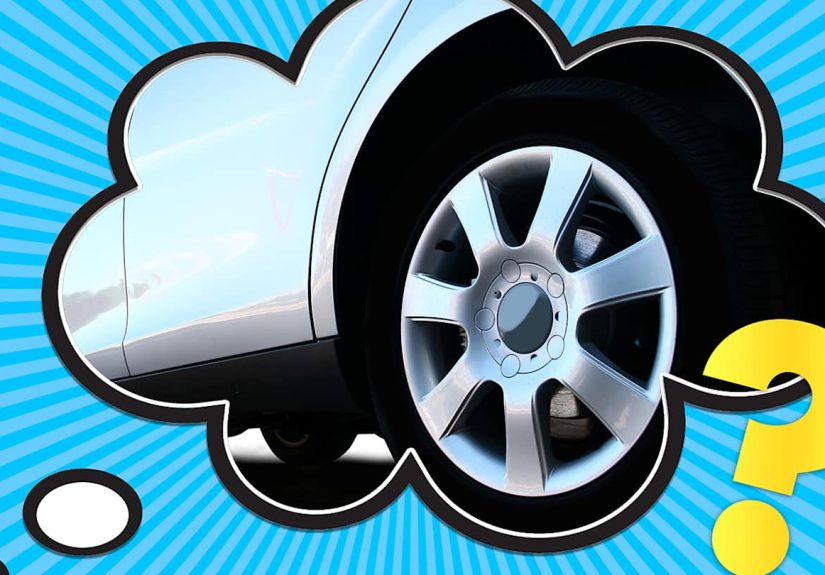
A hubcap is a cover fitted over the center area of a vehicle wheel. Traditionally, it covered the wheel hub, which is the central part of the wheel assembly. On older vehicles, hubcaps helped protect wheel bearings and grease from dirt, water, and road grime. On many modern vehicles, especially those with steel wheels, the term “hubcap” is often used to describe a full wheel cover that snaps or bolts over the entire visible face of the wheel.
Technically, a small center cap covers only the middle of the wheel, while a wheel cover stretches across most or all of the wheel face. In everyday American English, however, many drivers call both of them hubcaps. Your mechanic may be more precise. Your neighbor may call it “that round thing.” Both conversations usually end in the same aisle at the auto parts store.
The Main Reasons Cars Have Hubcaps
1. Hubcaps Protect the Wheel Hub and Lug Nuts
The practical reason hubcaps exist is protection. The center of a wheel is exposed to rain, dust, salt, mud, brake dust, and road debris. Hubcaps help reduce how much grime collects around the lug nuts, wheel studs, and hub area. This matters because moisture and road salt can encourage corrosion, especially in colder regions where salt is used to melt snow and ice.
Do hubcaps turn your wheels into sealed submarines? No. They are not waterproof armor. But they do provide a barrier against direct exposure. Think of them like a baseball cap for your wheel: not a full helmet, but still useful when the weather gets rude.
2. They Make Steel Wheels Look Better
Many affordable cars, base trims, fleet vehicles, and winter tire setups use steel wheels. Steel wheels are strong, practical, and usually cheaper than alloy wheels, but they are not always winning beauty contests. A plain black steel wheel can look unfinished, especially on a clean sedan or crossover.
Hubcaps solve that problem quickly. A full wheel cover can make a basic steel wheel look more polished, modern, or even similar to an alloy wheel from a distance. Automakers use hubcaps because they allow a lower-cost wheel package without making the car look like it came straight from a municipal service garage.
This is why lower trim levels often come with steel wheels and hubcaps, while higher trims get alloy wheels. It is a cost and styling strategy. The base model gets a tidy appearance; the premium trim gets a wheel design that says, “Yes, I selected the package with the nicer cupholders too.”
3. Hubcaps Help Automakers Keep Costs Down
Cost is one of the biggest reasons hubcaps remain popular. Steel wheels are generally less expensive to manufacture and replace than alloy wheels. By pairing steel wheels with attractive hubcaps, carmakers can offer affordable models while still giving buyers a finished exterior design.
This matters for compact cars, economy sedans, delivery vans, police fleets, rental cars, and work vehicles. If a wheel cover gets scraped or cracked, replacing it is usually cheaper than replacing a damaged alloy wheel. For drivers who care more about transportation than driveway glamour, that is a very reasonable trade.
4. They Can Improve Aerodynamics
Wheels create turbulence as a car moves through the air. At highway speeds, air does not politely slide around a spinning wheel. It swirls, breaks apart, and creates drag. Some modern wheel covers are shaped to smooth airflow and reduce aerodynamic resistance.
This is especially important for electric vehicles and fuel-efficient cars. A small improvement in airflow can help improve highway efficiency or driving range. That is why some EVs use flatter, smoother wheel covers. They may not always look as dramatic as open-spoke alloy wheels, but they are doing a quiet job in the background: fighting drag while you argue with your navigation system.
Not every hubcap is an aerodynamic masterpiece. Some are purely cosmetic. But wheel-cover design has become more serious as automakers chase better fuel economy, lower emissions, and longer EV range.
5. Hubcaps Can Hide Brake Dust and Minor Wheel Imperfections
Brake dust is the glitter of the automotive world: it gets everywhere, it is annoying, and nobody asked for it. Hubcaps can help hide some of the dust, discoloration, rust spots, and aging that appear on steel wheels. They do not eliminate cleaning, but they can make a daily driver look fresher between washes.
They also hide visual imperfections. A steel wheel with surface rust or fading paint may still be structurally fine, but it can look rough. A wheel cover gives the car a cleaner appearance without requiring wheel refinishing.
Hubcaps vs. Wheel Covers vs. Center Caps
The terms can be confusing, so here is the easy breakdown.
Hubcap
A hubcap traditionally covers the center hub area of the wheel. It may cover the lug nuts and center portion, but not necessarily the whole wheel.
Wheel Cover
A wheel cover usually covers most or all of the wheel face. These are common on steel wheels and are often what people mean when they say “hubcap.”
Center Cap
A center cap is smaller and often found on alloy wheels. It covers the center bore or hub area and may display the automaker’s logo.
In casual conversation, the difference rarely matters. When buying replacements, however, it matters a lot. Ordering a 16-inch full wheel cover when you need a small center cap is like buying a front door when you only needed a doorknob.
A Short History of Hubcaps
Hubcaps date back to the early days of automobiles, when wheels were closer in design to carriage wheels. Early wheel hubs and bearings needed protection from dirt and moisture. Roads were rough, dusty, muddy, and not exactly kind to exposed mechanical parts. Covering the hub helped keep grease in and contaminants out.
As cars evolved, wheels changed from wooden spokes to steel designs, and hubcaps evolved too. By the mid-20th century, hubcaps became more than protective parts. They became styling statements. Chrome hubcaps, branded center caps, and full wheel covers helped define the look of many classic American cars.
In the 1950s and 1960s, shiny hubcaps were part of the car’s personality. Some were simple and clean; others looked like they were designed during a meeting where everyone had too much coffee and access to chrome. Either way, hubcaps became part of automotive culture.
Why Do Some Cars Not Have Hubcaps?
Many modern cars use alloy wheels instead of steel wheels. Alloy wheels are often designed to be seen, so covering them with hubcaps would defeat the purpose. They are lighter in many cases, can offer better styling, and are associated with higher trim levels or performance packages.
Cars with alloy wheels usually have small center caps instead of full hubcaps. These center caps cover the middle opening and often carry the brand logo. The spokes, rim shape, and finish remain visible because they are part of the design.
Performance cars also avoid full hubcaps because brakes need airflow. Open-spoke wheels can help expose brake components to cooling air. A completely closed cover may improve aerodynamics, but performance design often balances airflow, brake cooling, weight, and appearance.
Are Hubcaps Necessary?
For most modern passenger cars, hubcaps are not strictly necessary for the car to move safely. A vehicle can usually drive without a decorative wheel cover, assuming the wheel, tire, lug nuts, and hub assembly are all in proper condition. However, driving without hubcaps can leave steel wheels looking unfinished and more exposed to dirt and moisture.
If your car came with hubcaps and one falls off, it is wise to inspect the wheel. Make sure the lug nuts are present, properly seated, and not visibly damaged. If you recently had tire service and a wheel cover came loose afterward, check whether it was installed correctly. A loose hubcap can become a road hazard, and nobody wants to be the person whose wheel cover goes bouncing across traffic like a rogue dinner plate.
How Hubcaps Stay Attached
Most hubcaps attach in one of two ways: clip-on or bolt-on. Clip-on hubcaps use plastic or metal retaining clips that grip the wheel. They are common, affordable, and easy to install. Bolt-on hubcaps are secured with lug nuts or separate fasteners, making them more secure but slightly more involved to remove.
Clip-on hubcaps can fall off if the clips break, the wheel cover is the wrong size, or it is not seated evenly. Potholes, curb hits, and poor installation can also send a hubcap into retirement earlier than planned. Bolt-on covers are less likely to fly away, but they must be installed correctly so they do not interfere with lug nut seating or wheel torque.
Common Hubcap Materials
Older hubcaps were often made from metal, especially chrome-plated steel or stainless steel. Many modern hubcaps are made from durable plastic because it is lightweight, affordable, flexible, and easy to mold into different designs. Some premium or truck-style covers may still use metal or metal-look finishes.
Plastic hubcaps are not automatically bad. In fact, their flexibility can help them survive minor bumps that might dent metal. The downside is that plastic can crack, fade, or lose clips over time. Like many car parts, the quality depends on the design and material, not just the category.
Do Hubcaps Affect Fuel Economy?
They can, but the effect depends on the design and driving conditions. Smooth aerodynamic wheel covers may reduce turbulence around the wheels, especially at highway speeds. The benefit is usually small, but in automotive engineering, small gains matter. Automakers work hard for tiny improvements because those improvements add up across millions of vehicles and thousands of miles.
On city streets, where speeds are lower, aerodynamic hubcaps may not make a dramatic difference. On highways, smoother wheel covers can help reduce drag. That is why some electric vehicles use aero-style covers even when owners debate whether they look futuristic or like stylish dinner plates.
Should You Replace a Missing Hubcap?
Yes, if you care about appearance, protection, or resale presentation. A missing hubcap will not usually ruin your car, but it does make the vehicle look neglected. Replacing it is often inexpensive, especially compared with wheel or tire repairs.
Before buying a replacement, check the wheel size. Hubcaps are usually matched to wheel diameter, such as 15-inch, 16-inch, or 17-inch. You can find the wheel size by looking at the tire sidewall. For example, if your tire reads P215/60R16, the “16” means it fits a 16-inch wheel. That is the hubcap size you need.
Also check whether your vehicle uses standard clip-on covers, bolt-on covers, or model-specific covers. Universal hubcaps can work well, but original equipment covers usually fit and match better.
How to Take Care of Hubcaps
Hubcap care is simple. Wash them when you wash the car, avoid harsh abrasive cleaners, and inspect the retaining clips when rotating tires or changing wheels. If you hear a clicking or rattling noise from a wheel area, check whether a cover is loose.
When reinstalling hubcaps, line up the valve stem opening correctly. Press evenly around the cover instead of smashing one side with heroic enthusiasm. If the hubcap resists, do not force it blindly. A cracked clip today becomes a missing hubcap tomorrow.
Real-World Examples of Why Hubcaps Still Matter
Consider a compact commuter car with steel wheels. Without hubcaps, the car may look like it is wearing spare tires on all four corners. Add clean wheel covers, and the same car looks complete, tidy, and more intentional.
Now consider a delivery van. A steel wheel makes sense because it is tough and cost-effective. A simple hubcap or center cover protects the hub area and improves the vehicle’s professional appearance. For businesses, that matters. A clean vehicle communicates reliability before the driver even says hello.
Finally, consider an electric sedan with aerodynamic wheel covers. The cover is not just hiding a plain wheel; it is part of the efficiency strategy. The smoother surface helps air move around the wheel area with less turbulence. It is not magic, but it is smart engineering.
Experience Section: Living With Hubcaps in the Real World
Anyone who has owned a car with hubcaps probably has at least one story about them. Mine begins in the most classic hubcap environment known to modern civilization: a grocery store parking lot with speed bumps that seemed designed by someone angry at suspension systems. The car was a basic compact with steel wheels and full plastic wheel covers. Nothing fancy, but it looked clean. After one dramatic thump over a pothole, there was a sound like a plastic cymbal hitting the pavement. One hubcap had escaped.
The funny thing about losing a hubcap is how quickly the car’s personality changes. With four matching covers, it looked practical and tidy. With three, it looked like it was halfway through a budget crisis. That missing circle made the whole vehicle seem older, even though nothing mechanical had changed. It proved one thing immediately: hubcaps do more for appearance than many drivers realize.
Replacing it was a lesson in details. The first mistake was assuming all 16-inch hubcaps were basically the same. They were not. Some had different clip designs. Some looked close but not close enough. Some were universal covers that fit but did not match the original style. Eventually, the right replacement came from a parts store, and the car looked whole again. The cost was modest, but the visual improvement was huge.
Another experience came during winter tire season. Many drivers use steel wheels for winter tires because steel wheels are durable and less expensive. In snowy areas, this setup makes sense. Road salt, ice, slush, and hidden potholes are hard on wheels. A steel wheel with a hubcap is not glamorous, but it is practical. The hubcap helps keep the vehicle looking decent while the steel wheel handles rough conditions.
There is also the cleaning factor. Steel wheels without covers can collect grime quickly, and brake dust can make them look tired. A hubcap does not prevent dirt completely, but it makes routine cleaning easier and hides some of the mess between washes. For daily drivers, that convenience matters. Not everyone wants to spend Saturday morning detailing wheel barrels with a tiny brush like they are restoring a museum piece.
Hubcaps also teach you to notice road conditions. After losing one, you become strangely alert. Potholes look bigger. Curbs seem more threatening. You start listening for rattles after tire rotations. You may even give a suspicious glance to every loose plastic circle on the roadside, wondering if it belongs to your car’s extended family.
The biggest lesson is that hubcaps are humble but useful. They are not performance upgrades. They will not make your sedan corner like a race car or give your minivan a superhero origin story. But they protect, decorate, reduce visual wear, and sometimes help with airflow. They are inexpensive parts doing several small jobs at once, which is exactly why automakers still use them.
Conclusion: So, Why Do Cars Have Hubcaps?
Cars have hubcaps because they are practical, affordable, and visually effective. They protect the wheel hub and lug area from some dirt and moisture, improve the appearance of steel wheels, help automakers control costs, and may support better aerodynamics when designed for airflow. While modern alloy wheels often use smaller center caps instead of full hubcaps, the classic hubcap still has a place on economy cars, fleet vehicles, winter wheel setups, and efficiency-focused designs.
In short, hubcaps are small parts with a surprisingly long résumé. They are part shield, part styling trick, part cost-saver, and sometimes part aerodynamic helper. Not bad for something many people only think about after it rolls away.
Note: This article is for general automotive education. For installation, replacement, wheel torque, or safety concerns, always follow your vehicle owner’s manual or consult a qualified technician.






 Close
Close