
Table of Contents >> Show >> Hide
- Reason 1: Gentle touch can be biologically rewarding
- Reason 2: Petting can reduce stress and promote relaxation
- Reason 3: Petting acts like social bonding and grooming
- Reason 4: Animals learn that petting predicts good things
- Why some animals do not like being pet
- How to tell when petting is welcome
- What this looks like in real life: everyday experiences behind the science
- The bottom line
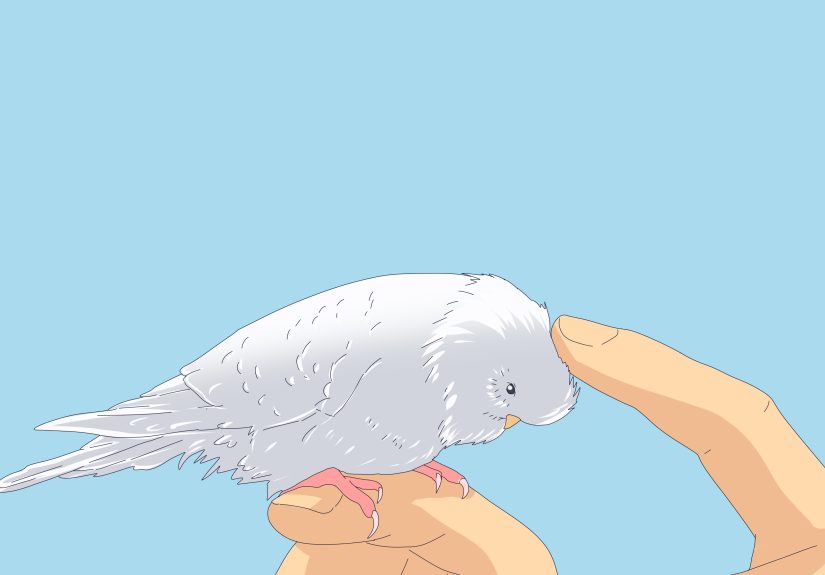
There is a moment every pet person knows by heart: you reach down, scratch behind the ears, and suddenly your dog melts like warm butter on toast. Or your cat leans into your hand with the dramatic commitment of an Oscar winner. It is tempting to think, “Well, obviously animals like being pet because it feels nice.” And yes, that is part of it. But the real answer is much more interesting.
When animals enjoy petting, the experience is not just about fur getting ruffled in a pleasant way. It can involve touch-sensitive nerves, stress hormones, social bonding, memory, learned expectations, and thousands of years of domestication. In other words, your dog is not just collecting scratches like loyalty points. Your cat is not merely tolerating your affection out of politeness. In many cases, petting taps into real biological systems that help social animals feel calmer, safer, and more connected.
That said, the science comes with an important asterisk the size of a golden retriever: not all animals like being pet, and even animals that usually enjoy it may only like it under certain conditions. Species matters. Personality matters. Body area matters. Timing matters. A relaxed dog may love a chest rub and hate a hand descending over the top of the head like a tiny helicopter of doom. A cat may purr through three strokes and then suddenly decide the fourth was an insult to the family name.
So why do animals like being pet when they do? Here are four scientific reasons, with a reality check built into every one of them.
Reason 1: Gentle touch can be biologically rewarding
The first reason is simple but powerful: gentle, slow touch can be processed by the nervous system as a rewarding sensation. Research on affective touch in mammals shows that certain forms of soft stroking are especially good at producing a pleasant, calming response. Scientists studying touch in people have found that slow, gentle strokes are particularly effective at activating pathways associated with pleasant social touch. That does not mean every animal experiences petting exactly the same way humans do, but it does help explain why many social mammals respond so positively to calm, rhythmic contact.
Why slow petting often works better than random pat-pat-patting
Think about how people naturally pet animals they know and love. It is usually not a frantic drum solo. It is slow, repetitive, and predictable. That matters. In many mammals, predictable touch is easier to interpret as safe and soothing than fast, abrupt contact. This is one reason animals often lean into long strokes along the shoulders, chest, or sides but flinch at quick overhead grabs.
That pattern also lines up with everyday pet behavior. Dogs often settle more deeply when someone scratches the chest or rubs the base of the neck. Cats frequently prefer petting around the cheeks, chin, and forehead, areas involved in social rubbing and scent communication. These are not random preferences. They are part of how social touch and body communication work together.
Petting is not the same as restraint
Here is where people get tripped up. We think “touch is good,” so we assume “more touch is better.” Animals strongly disagree. A gentle stroke is very different from being held in place, hugged tightly, cornered, or repeatedly touched when they want space. The science of pleasant touch supports the idea that the quality of contact matters. Soft, invited, predictable touch can feel rewarding. Forced contact can feel threatening.
That is why a dog may sigh happily during a calm ear rub but stiffen when someone looms overhead. It is why a cat may head-bunt your hand for affection, then walk off the moment your session turns into an unsolicited full-body massage. The nervous system likes good touch, not all touch.
Reason 2: Petting can reduce stress and promote relaxation
The second reason animals may enjoy petting is that, under the right conditions, it can help lower stress. This is one of the most fascinating parts of the research because it goes beyond “aw, cute” and into measurable biology.
Studies summarized by the NIH have shown that interacting with animals can reduce cortisol, the hormone commonly linked with stress, while improving mood and social comfort in people. The relationship also seems to work in the other direction in at least some animals. Research on dogs, especially shelter dogs, suggests that calm, positive human contact can reduce stress markers and improve behavior. In shelter settings, dogs given structured human interaction have shown lower cortisol afterward than dogs who did not get the same contact.
Why this matters for dogs in particular
Dogs are social specialists. They are unusually good at reading human faces, voices, posture, and routine. Because of that, positive touch from a trusted person can function like a biological exhale. It tells the dog, “Nothing terrible is happening. You are safe. Also, this neck scratch is excellent work.”
That helps explain why some dogs seek out touch when they are mildly uncertain. A dog may lean against your leg, rest their head on your knee, or nudge your hand not because they are trying to manipulate you like a tiny furry politician, but because contact itself has become part of how they regulate emotion.
Relaxation is real, but context still rules
None of this means petting is a magic anti-stress button. An animal that is frightened, in pain, overstimulated, cornered, or dealing with a medical issue may not find touch relaxing at all. Veterinary and animal welfare guidance repeatedly emphasizes that body language comes first. A loose body, soft eyes, leaning in, rubbing, or calmly seeking more contact usually means the interaction is welcome. Freezing, tucking, flattened ears, whale eye, twitching skin, tail lashing, or sudden irritability means your hand should take a respectful vacation.
In other words, petting can reduce stress when the animal experiences it as safe, wanted, and controllable. If those conditions are missing, it can do the exact opposite.
Reason 3: Petting acts like social bonding and grooming
The third reason is social. For many animals, especially social mammals, touch is part of relationship-building. Grooming, rubbing, leaning, nuzzling, licking, and close body contact are not just hygiene or random weirdness. They are social glue.
In many species, affiliative touch helps maintain bonds. Among primates, grooming does much more than clean fur; it reinforces trust and social ties. Cats groom friendly cats, rub on preferred companions, and use scent-rich facial areas in social contact. Dogs use close body contact, leaning, licking, and physical proximity as part of attachment behavior. Petting can slide neatly into this ancient social system, especially when it comes from a familiar human.
Dogs and the chemistry of attachment
The dog-human bond appears to be unusually deep. Research has shown that dog-owner interaction is linked with oxytocin, a hormone associated with bonding and social attachment. In one famous line of research, dogs’ affiliative behavior, including gazing at their owners, was associated with increased oxytocin in humans, and that in turn encouraged more affectionate behavior toward the dog. It is basically a cross-species feedback loop of “I like you.”
Petting fits beautifully into that loop. A dog that trusts you is not just enjoying the physical sensation of touch. The dog may also be experiencing the touch as part of an attachment ritual: proximity, safety, attention, shared calm, and social reward all wrapped into one.
Cats bond too, just with more fine print
Cats are often treated like tiny landlords who merely permit us to exist in their space. The science is kinder to cats than that stereotype. Research and veterinary behavior sources suggest cats can form strong bonds with people and often behave toward humans in ways similar to how they behave toward preferred feline companions.
When a cat rubs against you, head-butts your hand, or presents their cheek, they are not just being decorative. Those behaviors are tied to scent exchange, familiarity, and social trust. So when petting focuses on areas cats commonly use in social rubbing, such as the cheeks or forehead, it may align with their own social communication style. That helps explain why some cats actively ask for petting in those spots.
Of course, cats also invented the fine art of overstimulation. A cat can enjoy petting and then hit a sensory limit. That does not mean the first part was fake. It means the animal liked the social contact up to a point and then wanted it to end. Cats, frankly, are excellent boundary-setters.
Reason 4: Animals learn that petting predicts good things
The fourth reason is learning. Animals do not just respond to what petting feels like in the moment. They also learn what petting means.
In behavior science, actions that are followed by rewarding outcomes tend to be repeated. Veterinary behavior guidance makes this point clearly: dogs and cats repeat behaviors that are rewarded. And yes, petting itself can function as a reward. If calm behavior leads to gentle strokes, kind attention, soothing voices, warmth, rest, or even treats soon afterward, animals learn to associate human touch with positive outcomes.
Petting becomes part of a bigger package
Imagine a dog that gets petted every evening while curled beside a favorite person on the couch. Nothing bad happens there. The room is quiet. The dog feels warm. The human smells familiar. Sometimes sleepy conversation floats overhead like background music. Over time, the petting does not stand alone. It becomes part of a whole safe ritual.
The same goes for cats who jump onto a lap by choice. The lap is warm. The room is familiar. The person is still. The strokes are predictable. The cat can leave whenever desired. That combination teaches the animal that petting is not only pleasant; it is reliable. And reliability is a huge deal in animal behavior.
Why trusted humans matter more than random strangers
This is also why many animals are selective. Your dog may roll around like a cinnamon bun for your belly rubs but become cautious with a stranger. Your cat may lean into your fingers and then vanish into another dimension when a visitor tries the same move. They are not being inconsistent. They are responding to history.
Animals remember who handles them gently, who respects their signals, and who ignores their discomfort. Positive associations build trust. Repeated boundary violations build avoidance. In plain English, an animal that has learned “human hands are wonderful” will often seek petting. An animal that has learned “human hands are unpredictable” will often avoid it.
Why some animals do not like being pet
This part matters just as much as the four reasons above. Animals are not stuffed toys with opinions added later. They are individuals. Some like petting a lot. Some like it a little. Some tolerate it from certain people. Some enjoy it only in certain areas. Some do not like it much at all.
Common reasons an animal may dislike petting include fear, poor socialization, past bad experiences, pain, overstimulation, illness, or simply personality. Veterinary guidance also warns that sudden changes in tolerance for touch can be a medical clue. A dog that used to love back rubs but now flinches may be dealing with pain. A cat that bites when touched in one area may have an injury, dental issue, skin problem, or another source of discomfort.
That is why the smartest question is not “Do animals like being pet?” but “Does this animal like being pet right now, in this way, by this person, on this body part?” That question is less romantic, sure, but much more accurate.
How to tell when petting is welcome
The best petting is consensual, which in the animal world means invited and easy to stop.
Good signs
Look for a loose body, soft eyes, leaning in, rubbing against you, nudging your hand, relaxed ears, calm breathing, or returning for more after a pause. In cats, slow blinking, head bunting, cheek rubbing, and staying close can all be positive signs. In dogs, relaxed posture, wiggly movement, gentle leaning, and voluntarily re-approaching are promising clues.
Back-off signs
Watch for freezing, turning away, tucked tail, tail lashing, ears pinned back, skin twitching, lip licking, whale eye, growling, hissing, swatting, moving away, or sudden mouthiness. These are not “bad behavior.” They are communication. And honestly, they are more polite than some human group chats.
Best practice
Pet briefly, then pause. If the animal comes back for more, great. If not, let the interaction end. This simple “consent test” works beautifully with many dogs and cats and helps keep affection from turning into annoyance.
What this looks like in real life: everyday experiences behind the science
In real homes, the science of petting often shows up in very ordinary scenes. A newly adopted dog may spend the first few days pacing, scanning the room, and keeping a polite emotional distance. Then one evening, during a calm stretch on the floor, the dog inches forward and allows a slow chest rub. The next day, the dog returns on purpose. Nothing dramatic happened, but a lot changed. The touch was gentle, predictable, and paired with safety. What looked like a small petting moment was actually the beginning of trust.
Cats often tell the same story in a more cat-like way, which is to say with excellent timing and zero explanation. A shy cat may avoid direct handling but repeatedly rub the corner of a face against a person’s hand, chair, or leg. To an untrained eye, that might look casual. It is not casual. It is social. It is information-rich. It says the cat is including that person in a familiar scent world and testing whether the contact remains pleasant, controllable, and respectful.
There is also the classic experience of the “three good strokes” cat. Many owners know it. Stroke one: bliss. Stroke two: purr. Stroke three: delighted cheek rub. Stroke four: absolutely not, good day, sir. This is not evidence that cats are mysterious little chaos gremlins, although that theory remains emotionally satisfying. It is often a case of overstimulation. The cat enjoyed the interaction, hit a threshold, and then used the most efficient communication available. The lesson is not “cats hate petting.” The lesson is “cats may prefer shorter, more precise petting sessions than humans expect.”
Dogs offer their own versions. Some dogs lean their entire body weight into a trusted person during petting, especially when relaxed or mildly uncertain. Others lift a paw, rest a head on a lap, or scoot backward into scratches like they are parking a fluffy truck. Those behaviors often reflect learned comfort and social closeness. The dog is not simply chasing sensation. The dog is participating in a relationship ritual that has worked before and feels safe now.
Older pets add another layer. A senior dog with arthritis may stop enjoying head pats but still love slow rubbing on the chest or shoulders. A mature cat may dislike long strokes over the lower back yet eagerly seek cheek scratches every evening. Experience teaches owners that “likes being pet” is not a fixed trait. It is a moving conversation shaped by age, health, mood, and context. The most successful pet people are not the ones who pet the most. They are the ones who notice the smallest changes.
Even animals that do not love petting can still teach the same lesson. A rabbit that freezes when touched, a nervous rescue cat that prefers proximity over handling, or a dog that enjoys company but not cuddling are all reminders that affection is not one-size-fits-all. Sometimes love looks like scratches. Sometimes it looks like space. The science of petting is really the science of reading the animal in front of you.
The bottom line
So, why do animals like being pet? In many cases, because gentle touch can feel good, reduce stress, build social bonds, and become linked with safety and reward. For social mammals like dogs and cats, petting often taps into deep biological and behavioral systems that make closeness meaningful.
But the smartest version of this answer is not sentimental. It is respectful. Animals like being pet when the touch is pleasant, the context feels safe, the relationship is trusted, and the animal still has a choice. That is why the best petting is never about what the human wants to give. It is about what the animal is happy to receive.
If you remember only one thing, make it this: the goal is not to pet more. The goal is to pet better.
Note: This article is based on real findings and guidance synthesized from U.S.-based veterinary, animal-welfare, and biomedical sources. Individual animals vary widely, and sudden dislike of touch can signal fear, pain, or illness.





 Close
Close