
Table of Contents >> Show >> Hide
- What a Normal Sunburn Usually Looks Like
- When Home Care Is Usually Enough
- When To See a Doctor Soon for a Sunburn
- 1. You Have Large Blisters or Widespread Blistering
- 2. The Sunburn Comes With Fever, Chills, Nausea, or Vomiting
- 3. You Feel Dizzy, Faint, Weak, or Very Thirsty
- 4. Your Pain Is Severe or Lasts More Than 48 Hours
- 5. The Skin Looks Infected
- 6. You Have Eye Pain or Vision Changes
- 7. You Are Not Improving With Home Care
- When a Sunburn Is an Urgent or Emergency Situation
- People Who Should Be Extra Cautious
- What a Doctor May Do for a Severe Sunburn
- Common Mistakes That Can Make a Sunburn Worse
- How To Prevent the Next Sunburn
- Sunburn Experiences: What People Commonly Go Through
- Final Thoughts
Note: This article is for educational purposes and is not a substitute for medical care. If a sunburn comes with confusion, fainting, severe dehydration, or signs of heat illness, get urgent medical help right away.
You know the moment. You spent “just a little time” outside, skipped reapplying sunscreen, and now your skin feels like it lost a fight with a toaster oven. A mild sunburn can be miserable but manageable. A severe sunburn, though, is a different beast entirely. It can cause blistering, swelling, dehydration, infection, and symptoms that go way beyond a little redness and regret.
If you have ever wondered when a sunburn is just a short-term nuisance and when it deserves a call to a doctor, you are not alone. This guide breaks down what a normal sunburn looks like, when at-home care is usually enough, and which warning signs mean it is time to stop Googling and get medical advice.
What a Normal Sunburn Usually Looks Like
A typical mild sunburn is a superficial burn caused by too much ultraviolet, or UV, exposure. It often shows up a few hours after you have been in the sun and may keep worsening for 12 to 24 hours before it starts to level off. Common symptoms include:
- Pink or red skin
- Warmth or tenderness
- Mild swelling
- Dryness, itching, or tightness
- Pain when clothing or a bedsheet touches the area
- Peeling a few days later
This kind of sunburn is unpleasant, but it usually improves with home care. Cool showers, extra fluids, gentle moisturizer, aloe vera, and over-the-counter pain relievers can often help. The main idea is simple: cool the skin, keep it moisturized, avoid further sun exposure, and do not pick at peeling skin like you are trying to renovate your arm.
When Home Care Is Usually Enough
In many cases, you do not need to see a doctor for a sunburn. Home care is often reasonable if:
- The burn is mild and limited to a small area
- You have redness and tenderness but no large blisters
- You do not have fever, chills, dizziness, or vomiting
- Your pain is improving within a day or two
- You are drinking normally and urinating normally
- The skin is peeling but does not look infected
Think of this as the “annoying but not alarming” category. Your skin is mad. Your body is complaining. But the symptoms stay local and gradually improve.
Best At-Home Steps for a Mild Sunburn
- Take cool showers or use cool compresses
- Drink extra water
- Apply a fragrance-free moisturizer or aloe vera gel
- Use ibuprofen or acetaminophen if appropriate for you
- Wear loose, soft clothing
- Stay out of the sun until the skin heals
- Do not use harsh scrubs, exfoliants, or tight bandages
One more important tip: skip products with benzocaine or lidocaine unless your clinician specifically recommends them. Some people react badly to them, and irritated skin does not need extra drama.
When To See a Doctor Soon for a Sunburn
Now we get to the line in the sand. A sunburn deserves medical attention when it becomes severe, widespread, or starts causing symptoms throughout the body. That is your sign the problem is no longer just skin deep.
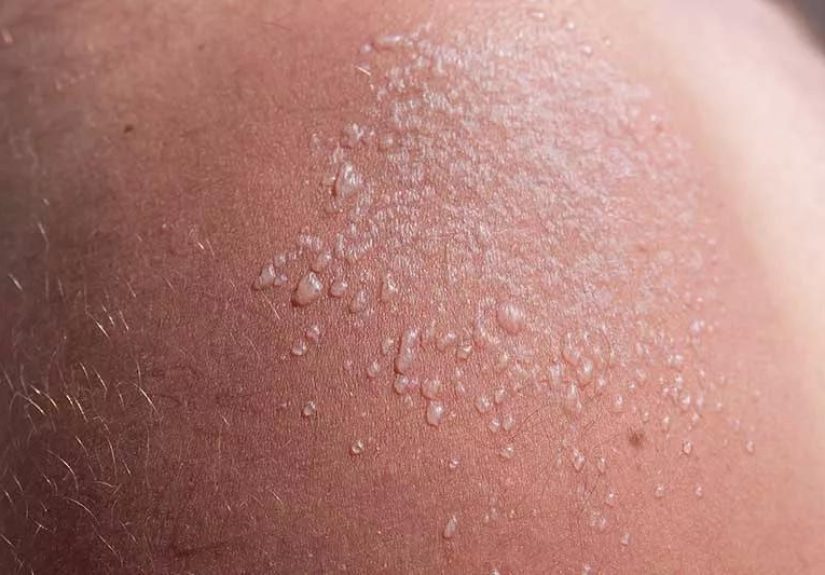
1. You Have Large Blisters or Widespread Blistering
Blisters mean the burn is more serious than simple redness. Small, limited blisters can sometimes be managed at home if they stay intact and clean. But you should contact a doctor if:
- You develop large blisters
- Blisters cover a big area of your body
- Blisters appear on sensitive areas like the face, hands, feet, genitals, or over major joints
- The pain is intense or getting worse
Large blisters increase the risk of infection and fluid loss. Also, if your back looks like bubble wrap, that is not your cue to “wait and see.” That is your cue to call someone with a medical license.
2. The Sunburn Comes With Fever, Chills, Nausea, or Vomiting
A bad sunburn can trigger whole-body symptoms. If you have fever, chills, nausea, vomiting, headache, or feel achy all over, your body may be reacting to severe inflammation, dehydration, or even heat-related illness. That is not typical mild sunburn behavior.
If you have these symptoms, especially along with blistering or a large burned area, it is smart to contact a doctor promptly. If symptoms are severe or rapidly worsening, urgent care or the emergency room may be the better choice.
3. You Feel Dizzy, Faint, Weak, or Very Thirsty
Sunburn can pull fluid toward damaged skin and away from the rest of the body. Add sweating, heat exposure, and not enough water, and dehydration can sneak up fast. Warning signs include:
- Dizziness or lightheadedness
- Dry mouth
- Extreme thirst
- Fatigue or weakness
- Reduced urination
- Dark urine
If you cannot keep fluids down, feel faint, or seem increasingly weak, do not try to “tough it out.” That approach works better in movie trailers than in real life.
4. Your Pain Is Severe or Lasts More Than 48 Hours
Mild sunburn hurts, yes. But extreme pain that lasts more than two days, keeps you from sleeping, or feels out of proportion to what you can see on the skin deserves medical attention. Severe swelling also falls into this category.
Persistent or worsening pain can mean deeper skin injury, infection, or a complicated burn that needs professional treatment.
5. The Skin Looks Infected
Sunburned skin is vulnerable, especially if blisters break open. See a doctor if you notice:
- Pus or yellow drainage
- Red streaks spreading from a blister
- Increasing warmth, swelling, or tenderness
- Bad odor
- Fever with worsening skin symptoms
Infection is not something to monitor casually while you drink iced tea and hope for the best. It needs actual care.
6. You Have Eye Pain or Vision Changes
Sun exposure can irritate or injure the eyes as well as the skin. If your sunburn comes with eye pain, light sensitivity, blurry vision, or trouble seeing, get checked by a healthcare professional. Do not assume sunglasses and optimism will fix it.
7. You Are Not Improving With Home Care
If your sunburn keeps getting worse after a couple of days instead of better, contact a doctor. A burn that is not healing normally may need a closer look, especially if you have underlying health issues or the diagnosis may not be simple sunburn at all.
When a Sunburn Is an Urgent or Emergency Situation
Some symptoms mean you should skip the routine appointment route and get urgent medical help right away. Seek emergency care if a sunburn is accompanied by:
- Confusion or disorientation
- Fainting
- Trouble breathing
- Severe dehydration
- Rapid worsening swelling
- Very high fever
- Severe headache with vomiting
- Signs of heat exhaustion or heatstroke
This is especially important if the sunburn happened during prolonged heat exposure. A person can have both a sunburn and a heat-related illness at the same time. If someone is confused, weak, vomiting, or collapsing in hot weather, do not blame everything on the skin. The bigger problem may be heat illness, which can become dangerous very quickly.
People Who Should Be Extra Cautious
Some people should call a doctor sooner than others because the risks are higher.
Infants and Young Children
A sunburn in a baby, especially under 1 year old, deserves prompt medical advice. Babies lose fluid more easily, and their skin is more vulnerable to serious burns. Children with blistering, fever, lethargy, or poor drinking should also be evaluated quickly.
Older Adults
Older adults may dehydrate more easily and may have other health conditions that complicate recovery. Even a “bad burn” can hit harder when the body is already juggling other issues.
People Taking Certain Medications
Some medicines can make the skin much more sensitive to sunlight. This is called photosensitivity. Certain antibiotics, acne medicines, diuretics, anti-inflammatory drugs, and other medications can raise the odds of a severe reaction. If you burn unusually fast or develop a rash-like reaction after sun exposure, contact your doctor or pharmacist.
People With Chronic Medical Conditions
If you have diabetes, immune system problems, a skin condition, or trouble healing, it is wise to get medical advice earlier rather than later.
What a Doctor May Do for a Severe Sunburn
If you go in for care, treatment depends on how severe the burn is and whether you have complications. A doctor may:
- Check for dehydration or heat-related illness
- Evaluate blistering and the depth of the burn
- Recommend prescription-strength anti-inflammatory treatment
- Treat or monitor for infection
- Advise wound care for broken blisters
- Suggest when to see a dermatologist
Sometimes the main goal is symptom control. Other times, the concern is preventing complications. Either way, professional care can speed up recovery and lower the risk of the burn turning into a bigger mess.
Common Mistakes That Can Make a Sunburn Worse
Plenty of people mean well and then accidentally irritate the skin more. Try to avoid these classic mistakes:
- Popping blisters
- Using ice directly on the skin
- Scrubbing or exfoliating peeling skin
- Staying in the sun “just for a minute” the next day
- Ignoring signs of dehydration
- Using heavily fragranced products on raw skin
- Wearing tight, rough clothing over the burn
Peeling skin may be tempting to pick. Resist. Your skin is trying to repair itself, not audition for a dramatic reveal.
How To Prevent the Next Sunburn
Yes, prevention is the least exciting part of the conversation. It is also the part that saves you from sleeping like a rotisserie chicken. Smart prevention includes:
- Using a broad-spectrum sunscreen with at least SPF 15, though many people choose higher SPF for more protection
- Reapplying sunscreen as directed, especially after swimming or sweating
- Wearing hats, sunglasses, and protective clothing
- Seeking shade during the strongest sun hours
- Checking whether your medications increase sun sensitivity
- Keeping infants out of direct sun as much as possible
Also, remember that clouds are not a magic shield. UV rays are persistent little overachievers.
Sunburn Experiences: What People Commonly Go Through
One reason people wait too long to see a doctor for a sunburn is that severe burns do not always look terrifying right away. A very common experience goes something like this: someone spends the afternoon outside, feels fine, notices a little pinkness that evening, and thinks, “No big deal.” By bedtime, the skin is hotter, tighter, and more painful. By the next morning, the burn is brighter, more swollen, and suddenly difficult to ignore. That delay can trick people into underestimating how serious the burn is becoming.
Another common experience is the “beach day overconfidence” story. A person applies sunscreen once, spends hours in the water, forgets to reapply, and only realizes the mistake when their shoulders and upper back feel like they are being sandpapered by their own T-shirt. The discomfort can build through the night, and sleep becomes almost impossible because every sleeping position feels wrong. This is often the moment people realize a sunburn is not just a cosmetic issue. It can interfere with rest, hydration, work, and normal daily life.
People with blistering sunburns often describe a second wave of panic. First comes the redness. Then comes the discovery of blisters, sometimes not until the next day. Many are unsure whether to pop them, cover them, or leave them alone. The safest approach is to leave blisters intact whenever possible and keep the area clean. But when blisters are large, widespread, or in awkward places like the hands or face, daily tasks become difficult fast. Even getting dressed can feel like a terrible idea.
There is also the “I thought I was just tired” experience. Someone develops a bad sunburn and assumes the headache, thirst, and wooziness are just part of a long day outdoors. In reality, dehydration may be setting in. This is especially common after outdoor sports, hiking, pool days, yard work, or festivals where people lose track of water intake. When dizziness, nausea, weakness, or reduced urination show up, the issue is no longer just irritated skin. The whole body is struggling.
Parents often have a different kind of stress when a child gets sunburned. Kids may become fussy, refuse to wear clothes that touch the skin, or wake up overnight crying because the burn hurts more once the day cools down. If a child seems lethargic, develops blisters, or stops drinking well, the situation can feel scary very quickly. In those moments, calling a pediatrician is not overreacting. It is the right move.
Many adults also report guilt after a severe sunburn, especially if they know better. That feeling is common, but it is not useful. The better response is practical: treat the burn properly, watch for warning signs, and take prevention more seriously next time. Skin does remember repeated UV damage, even when we wish it would politely forget.
Final Thoughts
A mild sunburn can usually be managed at home with cool compresses, fluids, moisturizer, and patience. But if you have large blisters, severe pain, dehydration, fever, chills, nausea, infection, eye symptoms, or worsening skin, it is time to see a doctor. If a sunburn comes with confusion, fainting, or signs of heatstroke, get urgent medical care immediately.
The short version is this: redness alone is one thing. Redness plus body-wide symptoms is another story. When a sunburn starts acting like a medical problem instead of a summer inconvenience, believe it.






 Close
Close