
Table of Contents >> Show >> Hide
- Why Personality Matters More Than Perfect Symmetry
- How I Read a Pet Before I Ever Pick Up a Brush
- Turning Personality Into Visual Choices
- The Real Secret: Make the Process Feel Safe
- Examples of Personality-Led Pet Portraits
- What People Get Wrong About Pet Portraits
- How to Commission a Pet Portrait That Actually Feels Personal
- Why These Portraits Matter So Much
- My Experience Creating Pet Portraits Inspired By Personality
- Conclusion
Some people want a pet portrait that looks exactly like the photo on their phone. I understand the instinct. You love your dog’s caramel eyebrows, your cat’s dramatic whiskers, your rabbit’s tiny “I am judging you” profile. But when I create pet portraits, I’m after something a little bigger than a one-to-one copy. I want the artwork to feel like the pet.
That means I’m not just painting fur direction, eye color, or the mathematically correct slope of one floppy ear. I’m painting the way a Labrador barges into a room like he owns the mortgage. I’m painting the suspicious dignity of a tabby who sits in the window like the tiny mayor of your block. I’m painting the old senior dog who still carries herself like a retired athlete, even if she now needs a little staircase to get onto the couch. In other words, I’m not making “an animal picture.” I’m making a portrait with attitude, tenderness, and a pulse.
That approach is what makes personality-led pet portraits so special. They feel warmer. They tell a story. They make people laugh, tear up, and say the magic words every pet artist hopes to hear: “That is so them.” And honestly, there’s no better compliment than that. You can keep your generic smile-and-sit portraits. I’m here for the chaos goblins, the cuddle professionals, the suspicious geniuses, and the creatures who look like they pay taxes.
Why Personality Matters More Than Perfect Symmetry
A great portrait is never just a visual inventory. It is a translation of character. That idea matters even more with pets because they don’t pose for us the way humans do. They reveal themselves in habits, body language, favorite spots, weird rituals, and tiny expressions that flash across their faces before they sprint off to bark at a leaf. If I focus only on resemblance, I might create something technically accurate but emotionally flat. It may have the right nose, but the wrong soul.
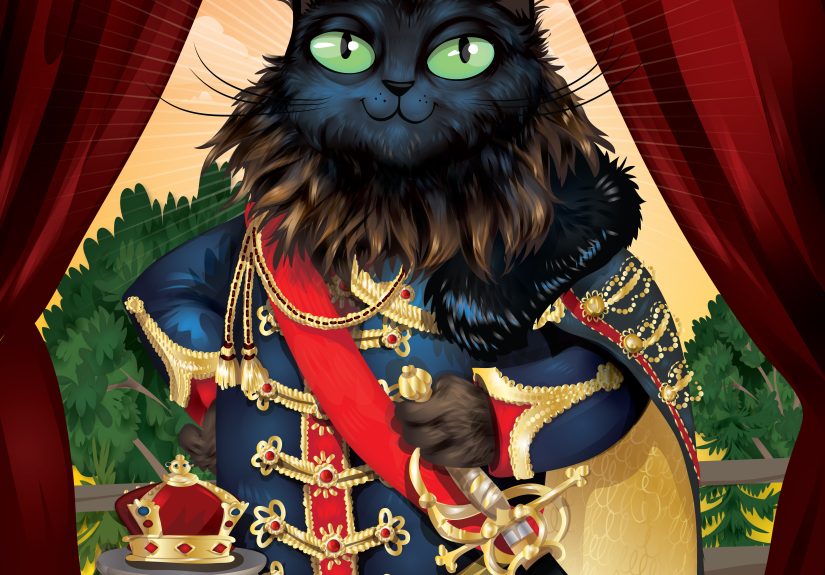
Personality gives the portrait meaning. A shy rescue dog may need a softer pose, a calm palette, and more negative space so the painting feels gentle rather than loud. A wild young terrier with the emotional range of a caffeine-powered tornado may need a brighter color story, a tilted head, or a toy in the frame to capture that joyful nonsense. A cat who rules the household from a velvet chair should not be painted like a random pet-store poster. That cat deserves atmosphere. Possibly a dramatic background. Definitely a level of artistic respect normally reserved for Renaissance nobility.
When a portrait reflects personality, it also becomes more memorable. It does not just say, “This is what the pet looked like.” It says, “This is who they were in the home, in the family, and in the daily comedy of life.” That is the difference between decoration and keepsake.
How I Read a Pet Before I Ever Pick Up a Brush
I start with behavior, not just appearance.
Before I decide on style, color, or composition, I look for clues. What does the pet do when relaxed? Do they stretch out like a vacationer who has truly mastered leisure, or do they sit upright like they are monitoring neighborhood activity? Are their eyes soft and open? Do they lean into people, hang back, prance, patrol, loaf, or lurk? Those patterns tell me far more than a polished studio photo ever could.
With dogs, I pay close attention to energy and openness. Some dogs greet the world with a loose body, easy eyes, and a tail that seems to be having its own party. Others are thoughtful, cautious, or highly observant. A portrait of a confident, social dog might lean into movement, broad posture, and a bright setting. A portrait of a sensitive dog may work better with a closer crop, warm neutrals, and a quieter expression. The goal is not to make every dog look exuberant. The goal is to make each dog look honest.
With cats, the clues are subtler, which is cat branding in a nutshell. Cats are masters of the meaningful glance. A straight-up tail, a slow blink, a confident perch, or a relaxed loaf can suggest comfort and social ease. A tucked posture, flattened ears, or a look that says, “Please stop narrating my life,” tells a different story. Cats do not generally respond well to being cast in the wrong role. If I paint a dignified introvert like a party animal, the portrait falls apart. The cat may also know. Cats always know.
I also ask owners better questions than, “Can you send photos?” I want to know what the pet is like at home. What room do they claim as their kingdom? What object do they carry around? Do they love the mail carrier, distrust ceiling fans, or insist on sleeping like a pretzel? If a pet always sits beside the front door waiting for the family to come home, that detail may matter more than whatever decorative throw blanket happened to be in the reference image.
Turning Personality Into Visual Choices
Pose is the first storyteller.
Pose does a huge amount of emotional work in pet portraiture. A centered, upright pose can feel noble, steady, and iconic. A curled sleeping pose can feel tender and private. A side glance can feel mischievous or mysterious. A front-facing stare can feel bold, hilarious, or deeply suspicious, depending on the ears. When I choose a pose, I’m asking one question: what posture looks most like this pet on a normal Tuesday?
That is why I often prefer candid references over “perfect” ones. A slightly crooked sit, a paw hanging off the sofa, a head tilt triggered by the word “snack,” or the classic cat half-turn can reveal more character than a textbook pose. Imperfections often carry the personality. They are the gold.
Color helps me translate mood.
Color is not just decoration. It is emotional shorthand. Warm golds, terracottas, and soft creams can make a portrait feel welcoming, affectionate, and sunny. Deep jewel tones can bring drama and elegance. Dusty blues and muted grays can create a thoughtful, peaceful mood. Bright pops of color can amplify playfulness. Even the background matters. A busy setting can work for a lively pet, while a simpler backdrop often helps a reserved pet feel more present and dignified.
I also use color to balance the pet’s natural appearance. A black dog can disappear in a muddy composition if the values are too flat. A white cat can lose impact if the palette is too pale. I want contrast, but I also want harmony. The portrait should feel expressive, not like the animal was copy-and-pasted onto a random wall color chosen in a panic.
Props and setting should mean something.
Props are useful only when they reveal identity. A tennis ball for a fetch-obsessed retriever makes sense. A tattered stuffed rabbit for a senior mutt who has loved the same toy for ten years makes even more sense. A window perch for a bird-watching cat? Perfect. A garden setting for a dog who digs like it is a part-time job? Excellent. A top hat for no reason? That depends on the dog, the family, and how chaotic we are willing to get.
Meaningful details make the portrait personal without overcrowding it. I don’t want the image to look like a garage sale with whiskers. I want it to feel edited, intentional, and emotionally specific.
The Real Secret: Make the Process Feel Safe
The best personality comes through when the pet is comfortable. This sounds obvious, but many people still imagine pet portrait references need to come from a formal, highly controlled photo session. Not necessarily. In fact, pets often show more of themselves when the process is relaxed, brief, and a little playful.
If I’m helping plan reference photos, I encourage owners to keep things low-pressure. Use familiar spaces. Let the pet settle. Skip anything that creates stress just for the sake of a cute concept. If a dog hates costumes, the portrait does not need a costume. If a cat despises being moved from her favorite chair, then congratulations, the chair is now part of the art direction. Real personality beats forced styling every time.
Treats, toys, breaks, patience, and common sense go a long way. So does knowing when to stop. Pets are not tiny influencers with brand obligations. The session should feel fun, safe, and short enough that nobody ends up over it. If the pet is panting, standoffish, hiding, vocalizing, or generally giving “absolutely not” energy, that is not a creative challenge. That is your cue to pause.
Examples of Personality-Led Pet Portraits
The Dog Park Mayor
I once imagined a portrait for a dog whose owner described him as “the mayor of every place he visits.” Immediately, I did not picture a stiff sitting pose. I pictured a broad chest, relaxed grin, lively eyes, and the kind of posture that says he has never met a stranger and would like to review your snacks. The portrait needed warmth, open space, and a bright, social atmosphere. Not because that was trendy, but because that was him.
The Introvert in the Window
For a reserved cat, I would go the opposite direction. Think soft side light, a quiet windowsill, a composed pose, and cool colors with maybe one luxurious accent tone. The expression matters more than action. The portrait should suggest intelligence, privacy, and a little bit of judgment. Cat owners know this expression well. It usually arrives right before the cat leaves the room for no obvious reason.
The Sweet Old Soul
Senior pets often inspire the most emotional portraits because their faces carry history. The fur around the muzzle changes. The eyes soften. Their posture may slow, but their presence can feel enormous. For these portraits, I usually lean into simplicity and tenderness. Fewer distractions. More focus on the face. More room for memory. These are the portraits that often become heirlooms because they hold time inside them.
What People Get Wrong About Pet Portraits
The biggest mistake is chasing perfection over truth. Owners sometimes think the pet has to be spotless, centered, smiling, and looking directly at the camera. But pets are not yearbook students. A portrait becomes more compelling when it includes the details that make the animal unmistakable: the tilted ears, the goofy tongue, the queenly glare, the crooked nap, the toy they refuse to retire.
Another mistake is overloading the concept. Not every portrait needs flowers, furniture, accessories, costumes, text, and twelve symbolic objects from the family archive. Restraint is powerful. Pick the details that matter most and let them do their job.
And finally, people sometimes underestimate how much the owner’s stories help. The best portraits come from collaboration. Tell the artist who your pet is, not just what your pet looks like. The visual likeness is only half the assignment.
How to Commission a Pet Portrait That Actually Feels Personal
If you’re commissioning a pet portrait, send a mix of images instead of one “best” photo. Include close-ups, full-body shots, candid moments, and pictures taken in the pet’s favorite environment. Then send a few sentences that capture the pet’s personality in plain English. Is she brave, clingy, theatrical, bossy, elegant, goofy, stubborn, or weirdly spiritual? All useful. Strange details are especially helpful because they reveal individuality fast.
It also helps to mention what you do not want. Maybe you want the portrait to feel modern instead of precious. Maybe you want playful instead of formal. Maybe you want one meaningful toy included, but no costumes and no cartoon effects. Clear direction saves time and protects the personality from getting buried under trends.
Most of all, trust the emotional truth of the pet. If your dog is a muddy adventurer, let the portrait have some movement. If your cat is a velvet tyrant, let the portrait carry a little grandeur. If your rabbit is gentle and curious, don’t force “big dramatic energy” just because it looks flashy online. Good art gets stronger when it stops pretending every subject should perform the same way.
Why These Portraits Matter So Much
We live with pets in deeply personal ways. They witness our boring days, our difficult seasons, our snacks, our phone calls, our grief, and our strange habit of narrating their thoughts in silly voices. A personality-led pet portrait honors that relationship. It says this animal was not background decoration. This animal was a real presence in the household, with habits, moods, preferences, and a role in the family story.
That is why these portraits often matter long after trends fade. They preserve the spark people miss most: not just the face, but the feeling. The confidence. The softness. The nonsense. The daily familiarity of a creature who made a home feel like home.
My Experience Creating Pet Portraits Inspired By Personality
My experience with personality-inspired pet portraits has taught me that every animal arrives with its own visual language. Some practically art-direct the piece for me. The second I see them, I know the portrait needs bright movement, a playful angle, and colors that bounce. Others are quieter. They need space, softer edges, and a composition that lets their stillness do the talking. I’ve learned not to fight that difference. The portrait always gets better when I stop trying to make every pet “camera ready” and start listening to what they already are.
One of the funniest lessons I learned came from a bulldog who looked permanently unimpressed. In every photo, he had the face of a middle manager reviewing disappointing numbers. His owner kept apologizing and saying, “He’s actually very sweet.” But that serious expression was part of his charm. So instead of trying to force a grin, I built the portrait around his sturdy posture, soulful eyes, and wonderfully grumpy face. The final piece made everyone laugh because it captured both truths at once: he looked like a tax auditor, and he was also the baby of the family.
I’ve had the opposite experience with pets whose energy was impossible to contain. There was one young mixed-breed dog who never seemed to exist in a straight line. Every reference image included motion blur, a toy, a dramatic pivot, or a look that said, “I have just invented a new game and you are now part of it.” For that kind of pet, stillness would have been dishonest. The portrait needed motion in the brushwork, a brighter palette, and a pose that felt mid-thought, mid-bounce, mid-chaos. It worked because the owner didn’t want a polished fantasy version of her dog. She wanted her actual, hilarious, lovable whirlwind.
Cats, of course, have taught me patience and humility. They rarely offer obvious performance, but they reward careful observation. A lot of my favorite cat portraits started with tiny details: the way one cat tucked her paws exactly under her chest like she was composed for a royal stamp, or the way another stared through a window with such serious concentration that he looked like he was monitoring international affairs. With cats, the smallest change in eye shape, ear angle, or tail position can completely change the emotional tone. When you get those details right, the portrait suddenly feels alive.
Senior pets stay with me the longest. Their portraits often come with stories attached: the rescue who finally learned how to relax, the old dog who still waited by the door every afternoon, the cat who slept on the same blanket for thirteen years. Painting those pets feels different. There is often more tenderness in the decisions, more care in what gets included and what gets left out. Sometimes a single worn collar, a faded toy, or a favorite chair says more than an elaborate background ever could.
What I love most is the moment owners recognize their pet in the finished piece. Not just visually, but emotionally. They laugh at the exact expression. They point at the posture. They tell another story I had never heard, and somehow it still fits the portrait perfectly. That reaction reminds me why I work this way. A personality-led pet portrait does not just document an animal. It reflects a relationship. It gives form to quirks that families know by heart. And when it works, it feels less like I made a picture and more like I translated a little life into art.
Conclusion
I create pet portraits inspired by personality because personality is what people love most. The markings matter, yes. The anatomy matters, sure. But the reason a portrait becomes unforgettable is that it captures the spirit behind the fur. It preserves the alert little face at the window, the comic self-importance, the softness, the curiosity, the loyalty, the mischief, and the everyday rituals that made one pet entirely unlike any other.
That is the real goal of meaningful pet portrait art. Not perfection. Not trendiness. Not a generic “cute pet” look that could belong to anyone. The goal is recognition. The wonderful shock of seeing a portrait and thinking, there you are. Still goofy. Still regal. Still bossy. Still mine. And honestly, that is better than photorealism every single time.





 Close
Close