
Table of Contents >> Show >> Hide
- What Creatine Actually Needs to Work
- Water: The Simple, Boring, Excellent Option
- Juice: Useful, Tasty, and Sometimes Overhyped
- Smoothies: The “I’d Like My Creatine to Feel Like a Meal” Approach
- Protein Shakes, Milk, and Dairy-Free Milks
- Sports Drinks and Electrolyte Drinks
- Can You Mix Creatine With Coffee or Tea?
- What to Avoid Mixing Creatine With
- The Best Choice Based on Your Goal
- How People Actually Experience Different Creatine Mixes
- Conclusion
If creatine had a dating profile, it would say: simple, reliable, low drama, likes consistency. Yet one of the biggest questions people still ask is surprisingly basic: what should you actually mix creatine with?
The good news is that creatine is not picky. You can mix it with water, juice, a smoothie, milk, or a protein shake, and it will still do its main job: help support energy production during short bursts of intense exercise, such as lifting, sprinting, and repeated high-effort training. The better question is not whether creatine “works” in a certain drink, but which option works best for you, your routine, your stomach, and your goals.
In other words, this is less of a chemistry exam and more of a lifestyle decision. If plain water helps you take creatine every day, that is a great choice. If a smoothie makes it easier to remember, also great. If grape juice makes you feel like a gym wizard from 2004, nobody needs to stop you.
What Creatine Actually Needs to Work
Before we talk about what to mix creatine with, let’s clear up one thing: creatine does not need a magical “transport drink” to become effective. The biggest factor is daily consistency. For most adults who use creatine monohydrate, a common maintenance amount is 3 to 5 grams per day. Some people use a loading phase first, while others skip it and simply take a steady daily dose.
That means the best liquid is usually the one that makes your routine easy to repeat without turning your kitchen into a supplement laboratory. If you are consistent, hydrated, and using an evidence-backed form like creatine monohydrate, you are already handling the big rocks.
Why Creatine Monohydrate Is Usually the Best Pick
If you have ever stood in front of a supplement shelf and felt personally attacked by the words “buffered,” “micronized,” “advanced matrix,” or “ultra-fusion transport system,” take a breath. Creatine monohydrate remains the most studied and most widely recommended form. It is usually effective, affordable, and easy to find.
So when people ask what to mix creatine with, the more important first step is making sure they are using a straightforward creatine monohydrate powder from a brand with good quality control and, ideally, third-party testing.
Water: The Simple, Boring, Excellent Option
Let’s give water the respect it deserves. Water is the default answer because it is easy, calorie-free, affordable, and available almost everywhere. For many people, mixing creatine with water is the cleanest option because it adds no sugar, no extra ingredients, and no decision fatigue.
If your workout is under an hour, or you are just trying to build a daily supplement habit, water is usually all you need. It also helps support overall hydration, which matters because creatine pulls more water into muscle cells. That does not mean creatine is a dehydration machine, but it does mean good hydration habits are smart.
One minor drawback: creatine does not always dissolve beautifully in cold water. Sometimes it settles at the bottom like it is making a dramatic point. Stirring harder helps. Shaking helps more. Using a little more liquid can help too. If you want less grit, slightly warm water often mixes more smoothly than ice-cold water.
Best for:
- People who want a low-calorie option
- Anyone who takes creatine daily, regardless of workout timing
- Minimalists, budget-conscious gym-goers, and people tired of washing blenders
Juice: Useful, Tasty, and Sometimes Overhyped
Juice is one of the most popular answers to the “what to mix creatine with” question, and it makes sense. Juice adds flavor, can make the powder more pleasant to drink, and provides carbohydrates. For some active people, especially those training hard or trying to refuel after intense exercise, carbs can be useful.
That said, juice is not a creatine requirement. You do not need orange juice, grape juice, or some mysterious locker-room potion to “activate” creatine. The practical advantage of juice is mostly convenience and taste, with the bonus of carbs if that fits your training and nutrition goals.
Good Juice Options
Grape juice: Old-school gym favorite. Easy to drink, usually sweet enough to mask any chalkiness, and often associated with post-workout routines.
Orange juice: Refreshing, familiar, and a decent pick if you like a brighter flavor. It can work especially well if you take creatine with breakfast.
Tart cherry juice: Not necessary for creatine itself, but some active people like it in recovery-focused routines because tart cherry products are often associated with post-exercise recovery discussions.
When Juice Makes Sense
- After a hard workout when you also want some carbohydrates
- If plain water tastes too dull and makes you skip your supplement
- If you are trying to gain weight or support higher calorie intake
When Juice Is Less Helpful
- If you are watching added sugar or calories
- If sweet drinks upset your stomach before training
- If you are taking creatine at random times of day and do not need extra carbs
Bottom line: juice is fine, but it is optional. Think of it as a helpful sidekick, not the main character.
Smoothies: The “I’d Like My Creatine to Feel Like a Meal” Approach
Smoothies are where creatine gets to wear a nicer outfit. If water is the utilitarian commuter car, smoothies are the upgraded SUV with snacks in the back. They are easy to customize, can mask taste and texture well, and can bundle creatine with protein, carbs, healthy fats, fruits, and vegetables.
If you already drink a post-workout shake or a meal-replacement smoothie, adding creatine is often the easiest move in the world. One scoop, one blender, one less thing to remember later. That convenience matters more than supplement marketing likes to admit.
Great Smoothie Pairings for Creatine
- Banana + milk or Greek yogurt: creamy, familiar, and easy on the palate
- Berries + protein powder: a classic post-workout combination
- Peanut butter + banana + oats: ideal if you want more calories
- Coconut water + fruit: useful if you want a lighter, more hydrating texture
- Spinach + mango + yogurt: for people who enjoy pretending they are extremely organized
The Pros of Smoothies
Smoothies can improve taste, make creatine easier to tolerate, and help you combine several nutrition goals in one drink. They are especially helpful for people who struggle to eat enough calories, want a convenient breakfast, or already use a blender as part of their training routine.
The Cons of Smoothies
Smoothies can also become calorie bombs with a gym membership. It is easy to turn a simple creatine drink into a 900-calorie dessert with three nut butters, two bananas, honey, frozen mango, and emotional support granola. That is not automatically bad, but it should match your goals.
Protein Shakes, Milk, and Dairy-Free Milks
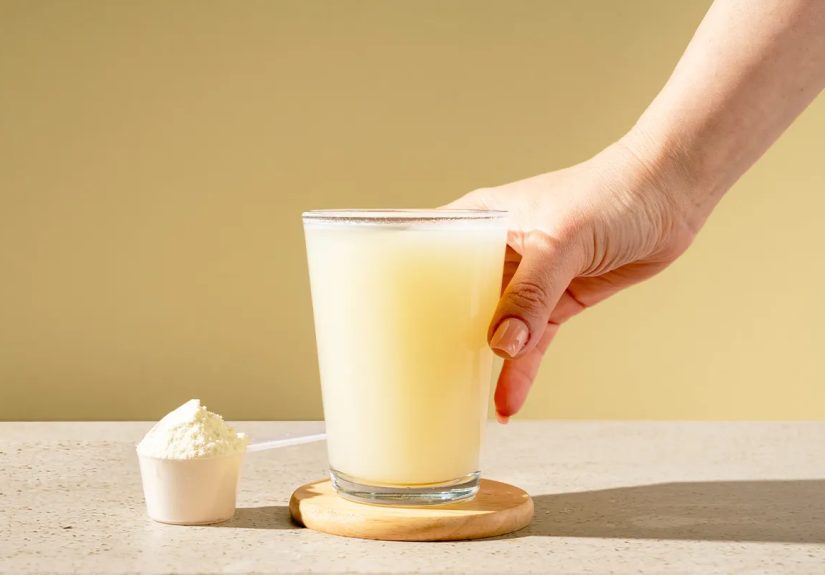
Mixing creatine into a protein shake is common, practical, and perfectly reasonable. If you already drink whey or plant-based protein after a workout, adding creatine can help reduce supplement clutter. One shaker bottle, one cleanup, fewer excuses.
Milk can also be a good option, especially if you want a creamier texture and some extra protein and carbohydrates. Dairy-free alternatives like soy milk, almond milk, oat milk, or pea milk can work too. The best choice depends on your digestion, taste preferences, and calorie needs.
Who Usually Likes This Option
- People focused on muscle gain
- Anyone who already has a post-workout shake habit
- Busy people who want to stack supplements without overthinking it
If dairy tends to upset your stomach, go with a lactose-free or plant-based liquid. The goal is not to prove toughness by suffering through a bloated commute home.
Sports Drinks and Electrolyte Drinks
Sports drinks can be useful if your training is long, sweaty, or intense enough that you also want carbohydrates and electrolytes. They are not mandatory for most workouts, and they should not automatically replace water throughout the day. But they can be practical in certain cases, especially for endurance athletes, people training in heat, or double-session athletes who need to replenish quickly.
For a casual strength workout, sports drinks are often unnecessary. For hard summer training, long sessions, or back-to-back practices, they may be more useful. So yes, you can mix creatine with a sports drink. Just make sure you are doing it because it matches your training needs, not because the label has flames on it.
Can You Mix Creatine With Coffee or Tea?
Yes, many people do. If you like adding creatine to a morning drink, coffee or tea can be convenient. The bigger issue is not whether this is “allowed,” but whether your stomach approves. Some people tolerate creatine and caffeine together just fine. Others discover that combining caffeine, creatine, an empty stomach, and a high-intensity workout produces immediate regret.
If you want to try this combo, start small. Make sure you are hydrated, and avoid assuming that more stimulation equals better performance. Sometimes it just equals faster typing and worse decisions.
What to Avoid Mixing Creatine With
Most regular drinks are fair game, but there are a few common-sense guidelines.
1. Avoid turning it into a sugar habit you do not need
If every 5-gram serving of creatine comes with a giant sugary drink, the real issue may not be the creatine. It may be the beverage routine around it.
2. Avoid anything that consistently upsets your stomach
If a certain juice, dairy base, or pre-workout cocktail makes you feel bloated or nauseated, do not force it just because a stranger online called it “optimal.”
3. Avoid relying on “secret hacks” over consistency
There is no gold-medal prize for finding the most complicated mixing ritual. Creatine works through regular use over time, not through supplement theater.
The Best Choice Based on Your Goal
For general fitness:
Mix creatine with water. Easy, low-cost, and effective.
For muscle gain:
Mix it into a protein shake, milk, or calorie-supportive smoothie.
For post-workout recovery with carbs:
Juice or a sports drink can make sense, especially after hard training.
For sensitive stomachs:
Try more liquid, a smoothie, or a gentler shake base. Start with a basic formula and avoid stacking too many ingredients.
For people who hate the taste of supplements:
Smoothies usually win by a landslide.
How People Actually Experience Different Creatine Mixes
In real life, the best creatine mix is rarely about lab-coat perfection. It is about compliance, comfort, and whether you can keep doing it on a random Wednesday when you are tired, busy, and one minor inconvenience away from saying, “I’ll start again next week.” That is why people’s experiences with creatine mixers tend to follow a few familiar patterns.
First, many people start with water because it is the easiest option. They buy creatine, toss it into a shaker, add water, and call it a day. Some stick with that forever because they do not care about the texture. Others notice the little bit of grit at the bottom and immediately decide they are too glamorous for this experience. Those people often move on to juice or smoothies, not because water failed them, but because the ritual felt slightly annoying.
Second, juice tends to win over people who want creatine to feel less like a supplement and more like a normal drink. A sweet juice can hide the bland, slightly chalky finish that some powders have. The usual feedback is simple: “It goes down easier.” That matters. Supplements are not effective when they sit unopened in the pantry next to abandoned chia seeds and unrealistic goals.
Third, smoothies are often the long-term favorite for people with serious training routines. Lifters, runners, and busy professionals who already make breakfast shakes love that creatine disappears into the mix without adding much flavor. They also like the convenience of stacking habits: protein, fruit, oats, yogurt, and creatine in one container. The experience is less “I took a supplement” and more “I had breakfast like an adult with a plan.”
Another common experience is digestive trial and error. Some people can take creatine with almost anything and feel fine. Others discover that mixing it with coffee before a workout on an empty stomach is a direct route to stomach drama. Not a medical emergency, just a regrettable life choice. For those people, a smoothie, milk-based shake, or a larger amount of liquid often feels better.
There is also the hydration experience. People who take creatine consistently often become more aware of their fluid intake, especially during hard training blocks. Not because creatine is automatically dehydrating, but because training hard while underdrinking water is a bad combo in general. Many users end up reporting that the “best mix” is the one that reminds them to hydrate properly throughout the day.
And then there is the convenience factor, which quietly rules everything. The people who stay consistent are usually not the ones with the fanciest plan. They are the ones who keep creatine near the blender, in the shaker cup, or next to the coffee maker and use the same routine every day. Water at lunch. Juice after training. Smoothie at breakfast. The exact liquid matters less than the fact that it became automatic.
That is probably the most honest takeaway from real-world creatine use: the ideal mixer is the one that fits your life so well you barely have to think about it. Fancy is optional. Consistency is not.
Conclusion
If you are wondering what to mix creatine with, here is the practical answer: water is great, juice is fine, smoothies are excellent for convenience, protein shakes work well, and sports drinks can make sense when your training actually calls for carbs and electrolytes. There is no single “perfect” creatine drink for everyone.
The best choice depends on your goals, your digestion, your calorie needs, and the kind of routine you can maintain. If you want the easiest, cheapest option, choose water. If you want flavor and carbs, choose juice. If you want a more complete meal or post-workout drink, choose a smoothie or protein shake.
Creatine does not need a complicated partner. It just needs consistency, a sensible dose, and a mixing strategy you will not abandon after three days. In supplement terms, that is true love.





 Close
Close