
Table of Contents >> Show >> Hide
- Why Your First Meal After a Colonoscopy Matters
- How to Start Eating Again After a Colonoscopy
- What to Eat After Colonoscopy: 16 Foods to Eat
- 1. Water
- 2. Electrolyte drinks
- 3. Clear broth
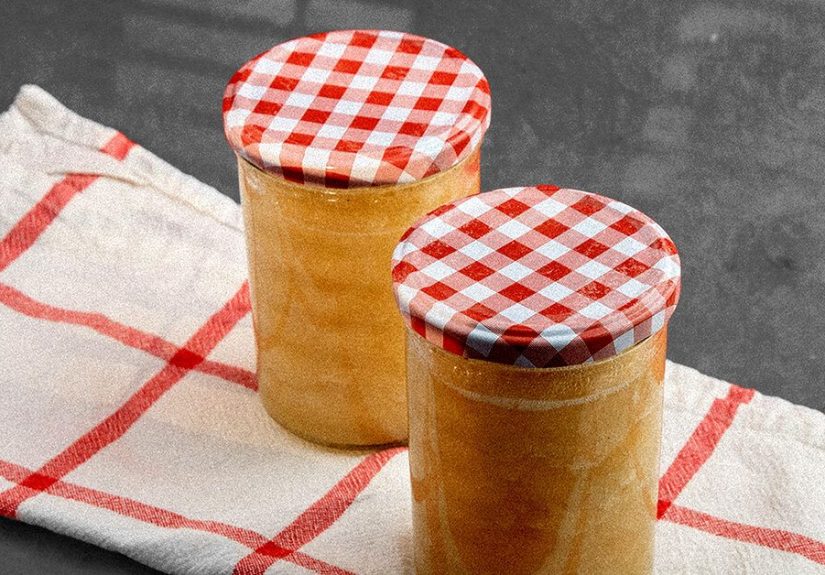
- 4. Applesauce
- 5. Bananas
- 6. White rice
- 7. White toast
- 8. Saltine crackers or pretzels
- 9. Mashed potatoes without skin
- 10. Cream of wheat or farina
- 11. Scrambled or boiled eggs
- 12. Yogurt or kefir
- 13. Smooth soup
- 14. Tender chicken, turkey, or fish
- 15. Soft cooked carrots or peeled squash
- 16. A simple banana smoothie
- Foods and Drinks to Avoid Right After a Colonoscopy
- Easy Meal Ideas After a Colonoscopy
- Special Situations: When Your Diet May Need Extra Care
- When to Call Your Doctor After a Colonoscopy
- Experiences Related to What to Eat After Colonoscopy
- Conclusion
- SEO Tags
A colonoscopy may be a routine procedure, but your digestive system still deserves a gentle welcome-home party afterward. After a day of bowel prep, fasting, clear liquids, and possibly sedation, your stomach and colon may not be in the mood for a giant cheeseburger with extra jalapeños. In fact, the best first meals after a colonoscopy are usually simple, soft, hydrating, and easy to digest.
So, what should you eat after a colonoscopy? For most people, the answer is bland, low-fiber, low-fat foods for the first several hours or the first day, then a gradual return to normal eating as tolerated. Your doctor may give different instructions if you had a biopsy, multiple polyps removed, bleeding risk, inflammatory bowel disease, diabetes, kidney disease, or another medical condition.
This guide explains what to eat after colonoscopy recovery, 16 gentle foods to choose from, what to avoid, simple meal ideas, and practical “real-life” experiences that make the first post-procedure day feel less mysterious and a lot less dramatic.
Why Your First Meal After a Colonoscopy Matters
Before a colonoscopy, your colon must be cleaned out so your doctor can clearly see the lining of the large intestine. That process usually involves a special diet, clear liquids, and a bowel-cleansing medication. By the time the procedure is finished, your body may be low on fluids, your stomach may be empty, and your digestion may feel a little sleepy.
The colonoscopy itself can also leave you feeling bloated or gassy because air or carbon dioxide is used to help the doctor see inside the colon. Sedation may cause temporary nausea or grogginess. That is why a “gentle restart” is the name of the game. Think of your digestive system like a laptop after an update: give it a minute before opening 47 tabs.
Most people can eat soon after they are fully awake and cleared by the recovery team. However, “can eat” does not always mean “should eat everything in the refrigerator.” Start small, sip fluids, and choose foods that are unlikely to irritate your stomach.
How to Start Eating Again After a Colonoscopy
First few hours: focus on fluids
Right after the procedure, start with small sips of water or another approved clear fluid. If your stomach feels calm, add broth, an electrolyte drink, apple juice without pulp, or gelatin. Drinking slowly helps reduce nausea and gives your body time to rehydrate after bowel prep.
First 24 hours: choose soft, bland foods
During the first day, many people do best with low-fiber, soft foods such as toast, bananas, rice, applesauce, eggs, potatoes without skin, soup, and tender lean protein. Smaller meals are usually easier than one big plate. Your colon has been through enough; it does not need a buffet challenge.
After 24 hours: return to normal eating gradually
If you feel well, have no concerning symptoms, and your doctor did not restrict your diet, you can often begin returning to your regular meals the next day. Add fiber back slowly, especially if you are prone to bloating, gas, constipation, or diarrhea. If you had polyps removed, follow your doctor’s specific instructions because some people are told to avoid certain foods, alcohol, or medications for a short time.
What to Eat After Colonoscopy: 16 Foods to Eat
1. Water
Water is the first and most important “food” after a colonoscopy. Bowel prep can leave you dehydrated, and dehydration can contribute to headache, dizziness, dry mouth, and fatigue. Sip water steadily instead of chugging a huge glass at once, especially if you feel nauseated.
2. Electrolyte drinks
Electrolyte drinks can help replace sodium and other minerals lost during bowel prep. Choose a non-red, non-purple option if your care team gives color restrictions before the procedure. After the procedure, your main goal is hydration, but avoid very sugary drinks if they upset your stomach or if you have diabetes unless your doctor has advised them.
3. Clear broth
Chicken broth, vegetable broth, or beef broth is warm, salty, soothing, and easy to digest. It is a smart first choice if you are hungry but not ready for solid food. Broth also helps you take in fluid and sodium without making your stomach do heavy lifting.
4. Applesauce
Applesauce is soft, mildly sweet, and gentle for many people after colonoscopy prep. Choose smooth applesauce without chunks, skins, or added seeds. It gives you a small amount of carbohydrate when your energy tank feels like it has been running on fumes.
5. Bananas
Bananas are one of the classic easy-to-digest foods after a colonoscopy. They are soft, portable, and less acidic than many fruits. A ripe banana can be eaten plain, sliced onto toast, or blended into a simple smoothie if your stomach is ready.
6. White rice
White rice is bland, low in fiber, and easy to pair with other gentle foods. It can help form the base of a light meal with broth, eggs, fish, or tender chicken. Brown rice is nutritious, but it is higher in fiber, so save it for later if your doctor recommends a low-fiber first day.
7. White toast
Plain white toast is a simple post-colonoscopy option because it is low in fiber and unlikely to overwhelm digestion. Add a small amount of butter, jelly, or smooth peanut butter only if you tolerate it well. Keep it modest; this is not the moment for a triple-decker sandwich with crunchy vegetables.
8. Saltine crackers or pretzels
Crackers and pretzels are useful when you want something dry, salty, and light. They can settle mild nausea and help replace sodium. Eat them slowly and pair them with water or broth so you do not feel overly dry or bloated.
9. Mashed potatoes without skin
Potatoes without skin are soft, filling, and easy to digest for many people. Mashed potatoes are especially comforting after a long prep day. Keep them simple with a little salt or broth, and go easy on heavy cream, cheese, butter, or gravy until your stomach feels normal.
10. Cream of wheat or farina
Warm cereals such as cream of wheat or farina can be a gentle breakfast after a colonoscopy. They are smoother and typically lower in fiber than many whole-grain cereals. Prepare them with water or a tolerated milk option, and avoid loading them with nuts, seeds, dried fruit, or too much sugar.
11. Scrambled or boiled eggs
Eggs provide protein without much fiber, which makes them a helpful food after colonoscopy recovery. Scrambled eggs, soft-boiled eggs, or a simple omelet can work well. Avoid greasy preparations or spicy toppings at first. Your colon did not ask for hot sauce confetti.
12. Yogurt or kefir
Plain yogurt or kefir may be soothing and provides protein. Some people also like that cultured dairy foods contain probiotics, although they are not required for everyone after a colonoscopy. Choose low-sugar options and skip yogurt with granola, seeds, or fruit skins. If you are lactose intolerant, choose lactose-free yogurt or avoid dairy.
13. Smooth soup
A smooth soup can bridge the gap between clear liquids and a normal meal. Try chicken soup with soft noodles, blended carrot soup, or a simple potato soup if dairy does not bother you. Avoid chunky soups with beans, corn, tough vegetables, or heavy cream during the first day if your stomach feels sensitive.
14. Tender chicken, turkey, or fish
Lean protein helps you feel satisfied and supports recovery. Choose baked, poached, or steamed chicken, turkey, or fish. Keep seasonings mild and portions small at first. Fried chicken may sound heroic after fasting, but your digestive system may vote against it.
15. Soft cooked carrots or peeled squash
Cooked vegetables are usually gentler than raw vegetables. Soft carrots, peeled zucchini, or peeled squash can be good choices when you are ready to add a little color back to your plate. Avoid raw salads, corn, cabbage, and very fibrous vegetables until you are tolerating food well.
16. A simple banana smoothie
A basic smoothie made with banana, yogurt or lactose-free milk, and a little water can be an easy mini-meal. Keep it smooth and seed-free. Avoid chia seeds, flaxseeds, berry seeds, protein powders that upset your stomach, and large servings of raw greens immediately after the procedure.
Foods and Drinks to Avoid Right After a Colonoscopy
The best foods after colonoscopy recovery are gentle, but some foods are more likely to cause gas, cramping, nausea, or diarrhea right away. For the first 24 hours, or longer if your doctor advises it, consider avoiding alcohol, greasy meals, spicy foods, large portions, raw vegetables, popcorn, nuts, seeds, beans, lentils, whole grains, tough meats, and heavy desserts.
Carbonated drinks can also increase bloating for some people. Coffee may be fine for many adults, but if your stomach feels jumpy or you are dehydrated, start with water or broth first. If you take blood thinners, diabetes medicine, iron, fiber supplements, or anti-inflammatory medications, follow your provider’s medication instructions rather than guessing.
Easy Meal Ideas After a Colonoscopy
Light breakfast idea
Try scrambled eggs with white toast and a banana. Add water or an electrolyte drink on the side. This gives you protein, carbohydrates, and fluid without turning breakfast into a digestive obstacle course.
Simple lunch idea
A bowl of chicken broth with white rice or soft noodles can be satisfying without being heavy. Add a few saltine crackers if you want crunch without too much fiber.
Gentle dinner idea
Baked fish with mashed potatoes and soft cooked carrots is a balanced, mild dinner. Keep seasonings simple. Lemon, herbs, and a small amount of salt are usually safer than hot peppers, rich sauces, or fried toppings.
Snack idea
Applesauce, plain yogurt, pretzels, gelatin, or a banana smoothie can work well between meals. If you are still groggy from sedation, choose foods that are easy to eat while sitting upright and avoid anything that requires heroic chewing.
Special Situations: When Your Diet May Need Extra Care
Not everyone should follow the same post-colonoscopy diet. If you had a polyp removed, your doctor may recommend avoiding alcohol, high-fiber foods, or certain medications for a short period. If you have diabetes, you may need a plan for carbohydrates and blood sugar checks after fasting. If you have kidney disease or heart failure, electrolyte drinks and salty broths may not be appropriate in large amounts.
People with inflammatory bowel disease, chronic constipation, diarrhea, celiac disease, lactose intolerance, or food allergies should personalize the food list. For example, yogurt may be helpful for one person and a terrible idea for someone who cannot tolerate dairy. The best rule is simple: follow your discharge instructions first, then choose gentle foods that match your body’s usual needs.
When to Call Your Doctor After a Colonoscopy
Mild bloating, gas, and a small amount of discomfort can happen after a colonoscopy. Passing gas and walking gently may help. However, call your doctor or seek medical care if you have heavy rectal bleeding, worsening abdominal pain, fever, chills, persistent vomiting, dizziness, black stools, severe weakness, or trouble passing gas with increasing belly swelling.
If your symptoms feel unusual or intense, do not try to “fix” them with food. A banana is lovely, but it is not an emergency department.
Experiences Related to What to Eat After Colonoscopy
Many people imagine their first meal after a colonoscopy for hours before the procedure. After a clear-liquid day, even toast can start to look like a five-star restaurant entrée. But the most common experience is that hunger and digestion do not always return at the same speed. Someone may feel mentally ready for pizza while their stomach is quietly requesting broth and a nap.
A practical experience many patients share is the “small first meal” lesson. They leave the endoscopy center feeling fine, drink water in the car, and then realize that a few crackers or a banana is plenty at first. The body has been fasting, flushing, and recovering from sedation. Eating slowly gives the stomach time to report back. When people rush into a large meal, they are more likely to feel bloated, crampy, or uncomfortably full.
Another common experience is surprise at how important hydration feels. The bowel prep can be more exhausting than the colonoscopy itself. Afterward, people may notice dry lips, a dull headache, or that “wrung-out towel” feeling. Sipping water, broth, or an electrolyte drink often feels more helpful than food in the first hour. Once hydration improves, appetite usually becomes easier to manage.
Some people also discover that their usual “healthy” foods are not the best immediate choice. A giant salad, bean bowl, bran cereal, or handful of nuts may be nutritious on a normal day, but right after a colonoscopy those foods can be too fibrous or gas-producing. This is one of the few moments when white rice, toast, and mashed potatoes get to feel like responsible adults. The goal is not to eat low-fiber forever; it is to give digestion a calm runway before taking off again.
People who had polyps removed often describe being more cautious, and that is wise. Their care team may give specific instructions about alcohol, medications, activity, and diet. In that situation, the discharge paper is more important than any general food list. A gentle dinner such as soup, eggs, or fish with potatoes can feel reassuring because it is satisfying without being rough.
A final experience worth mentioning is emotional relief. A colonoscopy can bring anxiety before the appointment, awkwardness during prep, and tiredness afterward. A warm bowl of broth, a soft banana, or a simple plate of eggs and toast can feel like the official return to normal life. It is not glamorous, but it works. And after bowel prep, “normal” deserves a round of applause.
Conclusion
Knowing what to eat after colonoscopy recovery can make the first day much more comfortable. Start with fluids, move to soft and bland foods, choose smaller portions, and return to your regular diet gradually. Good options include water, electrolyte drinks, broth, applesauce, bananas, white rice, toast, crackers, potatoes, warm cereal, eggs, yogurt, smooth soup, lean protein, soft cooked vegetables, and simple smoothies.
Avoid alcohol, greasy meals, spicy foods, large portions, and high-fiber foods until your body feels ready or your doctor says it is fine. Most importantly, follow your personal discharge instructions. Your colonoscopy team knows what happened during your procedure, and their advice should always come first.
Note: This article is for general educational purposes only and does not replace medical advice. Contact your healthcare provider if you have severe pain, heavy bleeding, fever, persistent vomiting, dizziness, or symptoms that worry you after a colonoscopy.





 Close
Close