
Table of Contents >> Show >> Hide
- Pot Cheese in One Spoonful
- Why It’s Called “Pot” Cheese
- How Pot Cheese Is Made
- Pot Cheese vs. Cottage Cheese vs. Ricotta vs. Farmer Cheese
- What Does Pot Cheese Taste Like?
- How to Use Pot Cheese (Without Overthinking It)
- Nutrition Snapshot (Why It’s Quietly Famous Again)
- Where to Find Pot Cheese in the U.S.
- How to Store Pot Cheese (Because Fresh Means “On a Timer”)
- Can You Make Pot Cheese at Home?
- FAQ: Quick Answers for Curious Cooks
- Pot Cheese in Real Life: Common Experiences (The 500-Word Reality Check)
- Conclusion
Let’s clear the air right away: pot cheese won’t get you high. Unless you count the emotional high of finding
an old-school ingredient your grandmother swore by (and the protein bump that makes your lunch feel oddly responsible).
Pot cheese is one of those quietly iconic American foods that’s been around forever, got overshadowed by shinier dairy
products, and is now popping back up in recipesusually with someone asking, “Wait… what is that?”
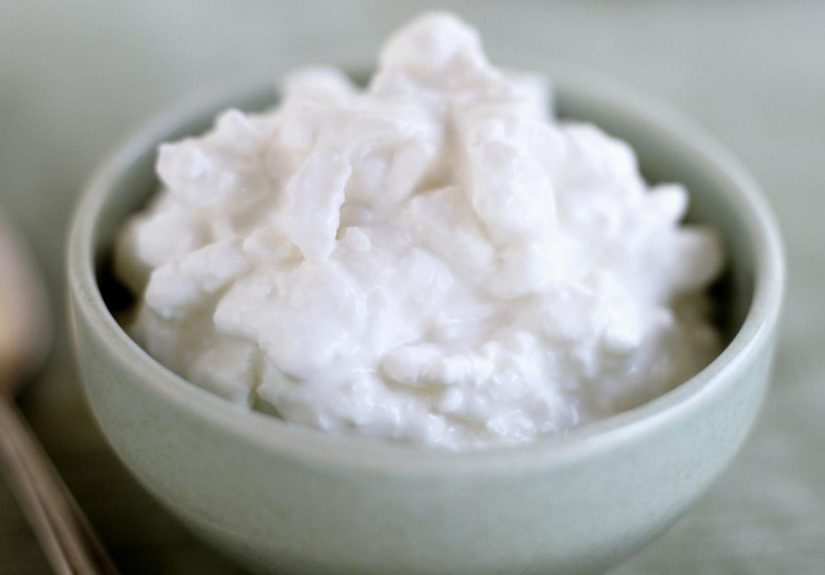
In plain English, pot cheese is a fresh, unaged cheese made from curds that have been drained extra-dry.
It’s closely related to cottage cheese, but less creamy and more curd-forward. Depending on where you live (and what your
local store calls things), you might also see it sold or referenced as dry curd cottage cheese, pot-style cottage cheese,
or even lumped under the broad umbrella of farmer cheese.
Pot Cheese in One Spoonful
Pot cheese is a fresh cheesemeaning it’s not aged like cheddar or Parmesan. It’s made by separating milk into
curds (the solids) and whey (the liquid), then draining the whey longer than you would for standard
cottage cheese. The result is a mild, tangy cheese with a texture that’s drier, crumblier, and more “curdly”.
One reason pot cheese confuses people is that some dictionaries treat it as simply another name for cottage cheese.
In everyday cooking, though, “pot cheese” often implies a less-creamy, less-dressed productespecially compared
to the classic tubs of cottage cheese where curds are swimming in a creamy dressing.
Why It’s Called “Pot” Cheese
The name is wonderfully unglamorous: it points back to the original methodmaking the cheese in a pot at home.
Pot cheese has deep farmhouse roots. When you had milk, time, and a strong desire not to waste anything,
turning extra milk into a short-lived fresh cheese was both practical and delicious.
The term has been used in American English for a long time (early 1800s), which tracks with how long fresh,
farm-style cheeses have been part of U.S. home cooking. Today, the name survives in regional food traditions
and in recipes that expect you to know what “pot cheese” means (spoiler: many of us do not).
How Pot Cheese Is Made
If you’ve ever made a quick “kitchen sink” cheese with milk and something acidic, you’ve basically met pot cheese’s
extended family. The core idea is simple: coagulate the milk, separate curds from whey, then drain.
The “pot cheese” personality shows up in how far you take the draining step.
The Basic Process (No Lab Coat Required)
- Start with milk (often whole milk, but lower-fat works too).
- Coagulate it using a culture/acid (or sometimes rennet + culture), creating curds.
- Cut or gently break the curd mass so whey can escape.
- Drain the curds in cloth or a fine strainer.
- Drain longer than typical cottage cheesethis is the “pot cheese move.”
- Salt (optional) and chill.
Acid-Set vs. Cultured: Same Destination, Different Road Trip
You can get curds two common ways:
-
Acid-set (quick method): Warm milk, add vinegar or lemon juice, and curds form fast. This tends to produce a
clean, straightforward tang and a tender curd. -
Cultured (traditional flavor): Let bacteria acidify the milk over time (sometimes with gentle heat). This often gives a
more rounded tang and a slightly different texture.
Either way, pot cheese isn’t about fancy agingit’s about freshness and texture control.
Your biggest “ingredient” is really drain time.
Pot Cheese vs. Cottage Cheese vs. Ricotta vs. Farmer Cheese
If cheeses had awkward family reunions, this would be the table where everyone looks related but insists they’re totally different.
Here’s the practical breakdown:
| Cheese | How it’s made (simplified) | Texture | Best uses |
|---|---|---|---|
| Pot cheese | Curds drained longer; usually uncreamed | Drier, crumbly, curd-forward | Fillings, baking, spreads, savory mixes |
| Cottage cheese | Curds + (often) cream dressing added back | Creamy, spoonable, wetter | Bowls, snacks, blending, sauces |
| Dry curd cottage cheese | Cottage cheese without the cream dressing | Drier, separate curds | Pierogi, blintzes, baking |
| Ricotta | Traditionally made from whey (re-cooked proteins) | Fine curds, slightly grainy, soft | Lasagna, desserts, spreads |
| Farmer cheese | Drained curds; often pressed into a block | Sliceable/crumbly depending on press | Slicing, frying, filling, snacking |
The biggest day-to-day difference between pot cheese and typical cottage cheese is this:
cottage cheese is often “dressed,” pot cheese is more “undressed.”
Cottage cheese commonly has cream mixed into the curds, while pot cheese/dry-curd versions are more drained and less creamy.
What Does Pot Cheese Taste Like?
Pot cheese is mild, lightly tangy, and dairy-sweetthink “fresh milk turned into something interesting,” not “bold cheese board centerpiece.”
Because it’s drier than cottage cheese, the flavor can read as more concentrated and slightly more savory, especially if salted.
Texture-wise, expect curds that hold their shape. If cottage cheese feels like a relaxed weekend brunch,
pot cheese feels like it showed up with a plan and a clipboard.
How to Use Pot Cheese (Without Overthinking It)
Pot cheese shines when you want the benefits of cottage cheese curds without extra liquid getting in the way.
That makes it a hero ingredient in both sweet and savory cooking.
Easy Sweet Ideas
- Breakfast bowl: Pot cheese + berries + honey + a pinch of salt (yes, salttrust the process).
- Old-school toast: Spread it on toast, add jam, and pretend you’re in a vintage cookbook.
- Cheesecake shortcut: Blend with a bit of sugar and vanilla as part of a filling base.
Easy Savory Ideas
- Herb spread: Mix with chives, dill, garlic, black pepper, and a drizzle of olive oil.
- Protein dip: Blend with roasted red peppers or salsa for a thick, spoonable dip.
- Stuffed pasta filling: Combine with an egg, parmesan, and spinach for shells or manicotti.
The “This Is Why People Hunt for It” Uses
Certain recipes specifically want dry curds because moisture is the enemy of a good filling. Pot cheese (or dry curd cottage cheese)
is especially popular in pierogies, blintzes, and other filled dough recipes, because it won’t leak liquid into the dough and turn your
carefully crimped edges into a sad, soggy handshake.
Nutrition Snapshot (Why It’s Quietly Famous Again)
Pot cheese is part of the broader cottage-cheese family, which is having a major moment thanks to one word:
protein. Nutrients vary by brand and milkfat level, but cottage-cheese-style products are generally known for being
high in protein and a decent source of calcium and other micronutrients.
As a ballpark example, one cup of low-fat cottage cheese can provide roughly 23 grams of proteinbut sodium can also add up,
so label-checking is smart if you’re watching salt. Pot cheese/dry-curd styles may be lower in fat because they typically don’t have
a cream dressing added back in, but exact numbers still depend on the specific product.
Translation: pot cheese can fit into a lot of eating styles, from “I lift weights” to “I lift forks.” Just choose the version
that matches your goals (fat level, sodium level, texture preference), and don’t let the dairy aisle intimidate you.
Where to Find Pot Cheese in the U.S.
Pot cheese is not consistently labeled. If you walk into a supermarket asking for “pot cheese,” you might get:
(1) a blank stare, (2) directions to cottage cheese, or (3) a deeply personal story about someone’s aunt in Pennsylvania.
All are valid outcomes.
What to Look for on Labels
- Dry curd cottage cheese
- Uncreamed cottage cheese
- Pot-style cottage cheese
- Farmer cheese (sometimes similar, sometimes more pressedcheck texture)
Where It’s Most Common
You’ll often find pot-cheese-style products in regions with strong Eastern European, German, and Pennsylvania Dutch food traditions,
as well as at local dairies and specialty cheese shops. Some creameries sell dry-curd cottage cheese in larger bags for baking and
family recipesespecially around holidays when everyone suddenly remembers they “need it for the filling.”
How to Store Pot Cheese (Because Fresh Means “On a Timer”)
Pot cheese is fresh and unaged, so it’s perishable. Keep it refrigerated, tightly covered, and treat it like you would cottage cheese:
clean spoon, no “double-dipping,” and don’t let it lounge at room temperature.
- Best quality: typically within a few days of opening (or making it).
- Freezing: possible, but texture can become more crumbly or watery when thawedbetter for cooking than for eating straight.
- If it smells off or looks unusual: don’t negotiate with your nose. Toss it.
Can You Make Pot Cheese at Home?
Yesand this is where pot cheese becomes charming. Because it’s basically “fresh curds + drain time,” it’s one of the more approachable
cheeses for home cooks. You don’t need aging caves, wax rinds, or a dairy PhD. You need milk, a pot, and the patience to let gravity do its job.
A Simple Home Method (Conceptual, Not Fussy)
- Heat milk gently in a pot until hot but not violently boiling.
- Add an acid (like vinegar or lemon juice) and stir briefly. Curds should form.
- Let it sit so curds fully separate.
- Drain through cheesecloth or a very fine strainer.
- Drain longer for pot-cheese dryness (minutes for soft; longer for drier).
- Salt lightly if desired, then chill.
Want it drier? Drain longer. Want it creamier? Drain lessor fold in a spoonful of cream or yogurt (congrats, you’re drifting toward cottage cheese).
Want it sliceable? Press it a bit more and you’re approaching farmer cheese territory.
FAQ: Quick Answers for Curious Cooks
Is pot cheese the same as dry curd cottage cheese?
Often, yes in practice. Many stores sell the “pot cheese” idea under the name dry curd cottage cheese (curds without the cream dressing).
The key is the texture: drier, less creamy, and not swimming in liquid.
Can I substitute ricotta for pot cheese?
Sometimes. Ricotta is softer and can be wetter, so it may change the texture of fillings. If you’re using it in baking or stuffed pasta, you can often
get close by draining ricotta in a strainer/cheesecloth first.
What’s the best substitute for pierogies or blintzes?
If you can’t find pot cheese, use dry curd cottage cheese if available. Otherwise, drain cottage cheese well (and even blot it) or drain ricotta.
The goal is to avoid excess moisture in the filling.
Is pot cheese “healthy”?
It can be a protein-rich choice, but “healthy” depends on the product and your needs. Check the label for protein, sodium, and milkfat.
If you’re watching sodium, look for lower-sodium options.
Pot Cheese in Real Life: Common Experiences (The 500-Word Reality Check)
If you’ve never bought or cooked with pot cheese before, your first experience tends to follow a surprisingly universal storylinealmost like a
cooking sitcom where the main character is you, holding a grocery basket, squinting at dairy labels as if they’re written in ancient runes.
Here are a few “been there” moments that people commonly report when they finally meet pot cheese in the wild.
1) The Label Scavenger Hunt. You start by looking for a container that literally says “Pot Cheese.” Cute idea. In many stores, it won’t.
Instead, you’ll see “dry curd cottage cheese,” “uncreamed cottage cheese,” or “farmer cheese.” The victory is small but real: you learn to shop by
texture and description, not just by name. By the end, you feel like you earned a minor certification in Dairy Translation.
2) The Texture Surprise. The first spoonful can be a shock if your brain expects creamy cottage cheese. Pot cheese is drier and more
crumblyless “snack cup,” more “ingredient.” People often describe it as curds that actually behave. It doesn’t slide off a spoon dramatically.
It sits there, confident, like it’s ready to be mixed into something important.
3) The “Did I Buy the Wrong Thing?” Panic… followed by Relief. Many first-timers worry they grabbed a weird batch because it looks
less glossy and less liquid than cottage cheese. Then they cook with itmaybe in a filling for pierogies or stuffed shellsand the panic disappears.
The dryness is the point. It means your dough stays tender instead of turning gummy, and your filling tastes rich without turning into a puddle.
4) The Sweet-vs-Savory Personality Test. Pot cheese is mild enough to swing either way, and people quickly discover which camp they’re in.
Sweet camp: a little sugar, vanilla, maybe citrus zest, and suddenly it’s dessert-adjacent. Savory camp: salt, pepper, herbs, garlic, and it becomes
a high-protein spread that feels like the responsible cousin of cream cheese. Many households end up doing bothbecause why choose?
5) The Nostalgia Moment. Pot cheese is famous for triggering “my family used this” stories. Someone remembers a holiday recipe,
a church cookbook, or a grandparent who made fresh cheese because that’s just what you did. Even if you didn’t grow up with it, cooking with pot cheese
can feel oddly connectinglike you’re participating in a very practical, very American tradition of making something good out of simple ingredients.
And honestly, that might be the best part: it tastes good, it works beautifully in recipes, and it comes with a little sense of historyno time machine required.
Conclusion
Pot cheese is the under-the-radar fresh cheese that deserves a better PR team. It’s essentially a drier, curd-forward cousin of cottage cheeseoften sold
as dry curd cottage cheesemade by draining away more whey and usually skipping the creamy dressing. That one small difference makes it incredibly useful
for fillings, baking, spreads, and any recipe that hates extra liquid.
So the next time a recipe calls for pot cheese, don’t panic. Translate the name, hunt for “dry curd,” and enjoy the smug satisfaction of using a
classic ingredient that’s been quietly doing its job for generations.






 Close
Close