
Table of Contents >> Show >> Hide
- What Is "Ozempic Face"?
- Why Does It Happen?
- Before and After: What Changes Do People Notice?
- Who Is More Likely To Notice Ozempic Face?
- Is It Really a Side Effect of Ozempic?
- Can Ozempic Face Be Prevented?
- Does Ozempic Face Go Away?
- How Is Ozempic Face Treated?
- Should You Stop Ozempic or Wegovy Because of Facial Changes?
- Common Experiences People Describe Before and After "Ozempic Face"
- Final Takeaway
- SEO Tags
If you have spent five minutes on social media lately, you have probably seen the phrase “Ozempic face” tossed around like it is an official diagnosis. It is not. It is an informal nickname people use to describe the hollowed, looser, sometimes older-looking facial changes that can show up after rapid weight loss. The name is catchy, but the reality is a lot less dramatic and a lot more medical: when the body loses fat quickly, the face can lose volume too.
And yes, that can be jarring. One day your jeans fit like a dream, and the next day you are squinting at the mirror wondering who invited the extra under-eye shadows. That does not mean the medication is “melting your face.” It usually means your facial fat pads, skin elasticity, and natural aging process are suddenly no longer working with the same amount of volume they had before.
This article breaks down what “Ozempic face” really is, what before-and-after changes people tend to notice, why it happens, who is more likely to see it, and what can actually help. Spoiler: panic is not a treatment plan, but a smart conversation with your clinician might be.
What Is “Ozempic Face”?
“Ozempic face” is a nonmedical term used to describe facial volume loss and skin laxity after rapid weight loss. Although the nickname uses the brand name Ozempic, the same type of change can happen with Wegovy, other GLP-1 medications, bariatric surgery, dieting, or any other method that leads to major weight loss in a short period of time.
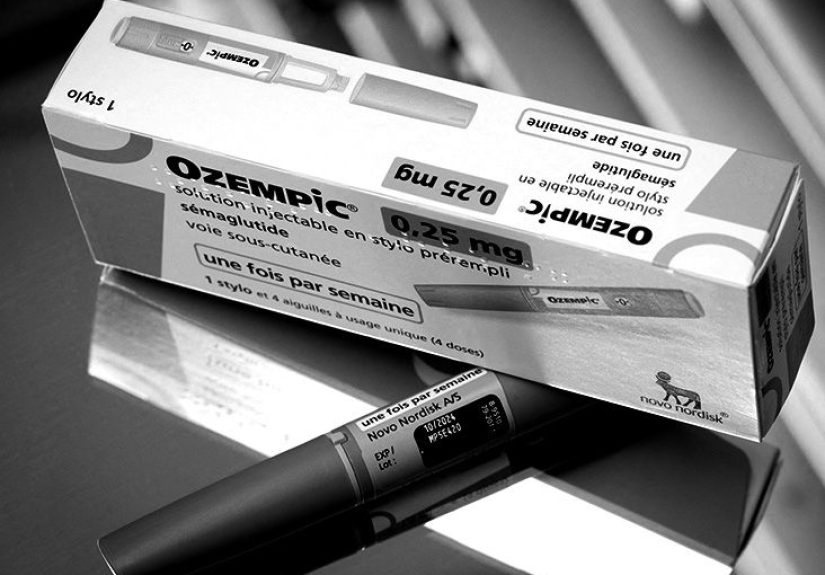
That distinction matters. Ozempic is a semaglutide medication primarily associated with type 2 diabetes treatment, while Wegovy is semaglutide approved for chronic weight management. But the face does not care what the box says. If body fat drops fast enough, facial contours can change fast too.
Most experts describe this as a side effect of rapid weight loss rather than the drug specifically targeting facial fat. In plain English: the medication is not zooming straight to your cheeks like a tiny overachieving intern. It is helping drive weight loss overall, and the face may be one of the places where that weight loss becomes most visible.
Why Does It Happen?
1. You lose facial fat, not just belly fat
The face contains subcutaneous fat that helps it look smooth, supported, and naturally full. When that volume shrinks, the cheeks can look flatter, the temples hollower, and the area around the eyes more sunken. Features that once looked soft can suddenly look sharper.
2. Skin does not always snap back on schedule
Skin has limits. If weight comes off quickly, the skin may not retract as fast as the fat disappears. That can leave the jawline looking looser, create jowling, or make wrinkles seem more obvious. Age makes this more noticeable because older skin and tissue usually have less elasticity and fewer fat reserves to begin with.
3. Rapid weight loss can mimic accelerated aging
Natural facial aging already involves gradual fat loss, collagen decline, and tissue descent. Rapid weight loss can make those same changes look like they happened all at once. That is why some people say they look “older” after major weight loss even while their body is healthier overall.
4. The pace matters
The faster the weight loss, the more likely facial changes become obvious. Slower, steadier weight loss tends to be gentler on appearance because the skin and soft tissue have more time to adapt.
Before and After: What Changes Do People Notice?
The phrase “before and after Ozempic face” usually refers to changes like these:
Before
Before major weight loss, the face often looks fuller through the midface and cheeks. The temples may appear smoother, the under-eye area less hollow, and the lower face more padded. Fine lines may still be there, of course, because time is undefeated, but they can be less obvious when the face has more natural volume.
After
After rapid weight loss, people may notice:
- Hollow or flattened cheeks
- Sunken-looking eyes or deeper tear troughs
- Thinner-looking lips
- More visible nasolabial folds and marionette lines
- Loose skin around the cheeks, jawline, or neck
- A more angular or bony appearance
- An overall tired, gaunt, or prematurely aged look
This does not happen to everyone, and it does not always happen dramatically. For some people, the “after” is subtle and mostly noticeable only to them. For others, especially after large or fast losses, the difference is striking enough to trigger a serious skincare, filler, or facelift Google spiral at 1:00 a.m.
Who Is More Likely To Notice Ozempic Face?
Not everyone taking semaglutide ends up studying their cheekbones like a detective. Still, some factors make facial changes more likely:
- Rapid weight loss: Fast changes give skin less time to adapt.
- Older age: Mature skin and lower facial fat reserves can make volume loss more obvious.
- Large total weight loss: Bigger shifts in body composition often mean bigger visible changes.
- Already lean facial structure: People with naturally narrower faces may notice hollowing sooner.
- Sun damage and lower skin elasticity: Skin that is already less resilient may sag more.
In other words, “Ozempic face” is less about one magic medication and more about the combination of how much weight is lost, how fast it is lost, and what the face looked like beforehand.
Is It Really a Side Effect of Ozempic?
Sort of, but not in the way headlines love to imply. Official prescribing information for semaglutide focuses on the medication’s approved uses and its known medical risks and common side effects, especially gastrointestinal ones. “Ozempic face” is not listed as a formal diagnosis or official label term. That is one reason many clinicians dislike the phrase.
It can also be misleading because it makes it sound as though semaglutide uniquely damages the face. Most experts say the main issue is rapid overall weight loss. Some dermatology experts also note that GLP-1 drugs may affect collagen and muscle along with fat, but the biggest and clearest driver still appears to be the speed and amount of weight reduction.
There is also a bigger-picture problem: the phrase can trivialize treatment for obesity or diabetes. Weight-loss medications can offer major health benefits for the right patient. So the goal is not to ignore appearance concerns, but to keep them in proportion with the person’s total health.
Can Ozempic Face Be Prevented?
Prevented completely? Not always. Minimized? Often, yes.
Go slower when possible
Many clinicians recommend aiming for gradual weight loss rather than racing to a target. A slower pace gives skin, fat pads, and muscle more time to adjust. It may also help reduce the shock factor when you catch your reflection in the grocery freezer door.
Protect muscle and skin support
Protein matters. Resistance exercise matters. Hydration matters. These do not magically keep facial fat in place, but they support overall tissue health while you lose body fat.
Practice smart skincare
A simple routine can help: gentle cleanser, moisturizer, daily sunscreen, and possibly retinoids if your skin tolerates them. Dermatologists also suggest products that support hydration and the skin barrier, such as moisturizers with ceramides and antioxidants.
Work with a real prescriber, not internet chaos
GLP-1 treatment works best when it is medically supervised over time. Dose escalation is usually gradual for a reason. A good clinician can help you avoid losing weight too quickly, monitor side effects, and adjust the plan if the mirror starts giving you emotional damage.
Does Ozempic Face Go Away?
Usually, it does not simply vanish on its own once your weight stabilizes. If you regain weight, your face may look fuller again. But if you maintain the weight loss, the leaner facial look often remains unless you treat it cosmetically.
That said, not every person needs treatment. Some people adjust to their new appearance over time. Others decide they actually like the more sculpted look. And some take one look at the new jawline, say “Absolutely not,” and book a dermatology consult. All of those reactions are real.
How Is Ozempic Face Treated?
Treatment depends on whether the main issue is volume loss, skin laxity, wrinkles, or all three throwing a party together.
Nonsurgical options
- Dermal fillers: Often used to restore volume in the cheeks, temples, under-eye area, or around the mouth.
- Fat transfer: Uses your own fat to refill hollow areas for a more natural look.
- Microneedling and collagen-stimulating treatments: May help improve skin texture and firmness.
- Laser resurfacing or radiofrequency skin tightening: Can help reduce wrinkles and improve laxity.
- Platelet-rich plasma (PRP): Sometimes used to support skin quality and a fresher look.
Surgical options
- Facelift: Best for more severe sagging and tissue descent.
- Neck lift: Helps tighten loose skin under the jaw and in the neck.
- Blepharoplasty: May help when weight loss makes the eye area look hollow or heavy.
Specialists in plastic surgery often recommend waiting until your weight is stable before doing major cosmetic correction. Otherwise, your face may keep changing after treatment, which is not ideal unless your hobby is paying twice.
Should You Stop Ozempic or Wegovy Because of Facial Changes?
Do not stop or change a prescription medication just because TikTok declared your cheeks missing. Talk to the clinician who prescribed it. For many people, semaglutide and similar medications are part of long-term management for obesity, diabetes, or cardiovascular risk reduction. Appearance concerns are valid, but they should be handled as part of a bigger medical conversation.
If facial changes bother you, ask about the pace of your weight loss, your nutrition, your exercise plan, and whether a dermatology or plastic surgery referral makes sense. Sometimes the answer is to slow down. Sometimes it is to improve skin support. Sometimes it is to do nothing and let your brain catch up to your new face. And sometimes, yes, it is filler season.
Common Experiences People Describe Before and After “Ozempic Face”
One of the most common experiences people describe is the strange mix of success and surprise. They may feel physically better, lighter, and more mobile. Their blood sugar may improve. Their clothes fit better. Friends compliment the weight loss. Then they open the front camera and think, Hold on. Why do I suddenly look like I have not slept since 2019? That reaction is not vanity; it is a normal response to a fast visual change in the face.
Another pattern is that the body changes feel welcome, but the face feels unfamiliar. Someone may love the smaller waist and improved stamina but dislike how hollow their cheeks look. This mismatch can be emotionally weird. The person expected “before and after” photos to show only a slimmer version of themselves, not a face that looks more tired, more angular, or just different in a way they did not plan for.
Some people also describe the timing as unsettling. The biggest facial changes may show up after the first noticeable drop in weight, which can make it feel sudden. They may say things like, “I was thrilled for the first 20 pounds, then my face changed all at once.” Often, it is not truly overnight, but once facial fat reduction crosses a visual threshold, the difference becomes hard to ignore.
There are also people who do not mind it at all. They see a slimmer, more defined face and feel great about it. A sharper jawline may feel like a bonus. That is important to remember because “Ozempic face” is not one single look and not one universal problem. For some, it is a nuisance. For others, it is a confidence hit. For others still, it is barely a blip.
Another real-world experience is the social commentary. Family members may say, “You look amazing,” while also asking whether you are eating enough. Friends may notice the weight loss but call you “drawn” or “tired.” Social media makes this worse because people compare themselves with filtered celebrity before-and-after images that are not exactly the gold standard of scientific analysis. As a result, some people become hyperfocused on the face even when the rest of their health trajectory is positive.
Finally, many people describe relief once they understand what is happening. When a clinician explains that rapid weight loss can reduce facial volume, make wrinkles more visible, and loosen the skin, the change feels less mysterious. From there, they can decide what matters most. Some accept the new look. Some slow the pace of weight loss. Some focus on skincare, hydration, and protein. Some pursue fillers or surgery after their weight stabilizes. The important part is that they stop blaming themselves and start making informed choices. That is usually the moment the whole issue becomes less scary and a lot more manageable.
Final Takeaway
“Ozempic face” is not an official diagnosis, and it is not proof that semaglutide is “bad” for your face. It is mostly a visible effect of rapid weight loss, facial fat loss, and skin that cannot always bounce back fast enough. Before and after changes often include hollow cheeks, thinner lips, under-eye shadows, wrinkles, and loose skin along the jaw or neck.
The good news is that there are options. Slower weight loss, medical supervision, protein intake, resistance exercise, hydration, and smart skincare may help reduce the severity. If the changes still bother you after your weight stabilizes, dermatologic and plastic surgery treatments can restore volume and tighten tissue.
The best perspective is the balanced one: take the health benefits seriously, take the appearance concerns seriously, and do not let either one erase the other. Your face is part of your health story, not the whole plot.






 Close
Close