
Table of Contents >> Show >> Hide
- Oregano at a Glance
- Is Oregano the Same as Marjoram?
- Fresh vs. Dried Oregano: Why They Taste So Different
- Types of Oregano You’ll See (and One Sneaky Impostor)
- What Does Oregano Taste Like?
- How to Use Oregano in Cooking
- Oregano Oil and Supplements: Helpful or Hype?
- Nutrition: Does Oregano Have Vitamins?
- Safety, Side Effects, and Who Should Be Careful
- Buying and Storing Oregano (So It Doesn’t Taste Like Cardboard)
- How to Grow Oregano (Even If You’re “Bad With Plants”)
- of Real-World Oregano Experiences (The Kind You Actually Run Into)
- Conclusion
Oregano is the herb that shows up everywherefrom pizza night to “I swear this is homemade” marinara. It’s earthy, peppery, a little minty, and it has a superpower: it can make plain tomatoes taste like they booked a one-way flight to the Mediterranean.
Most of the oregano sold for cooking comes from Origanum vulgare, a hardy perennial in the mint family (Lamiaceae). Like its minty cousins, it has aromatic oils in tiny glands on the leaves. Those oils are why oregano smells like oreganono matter how many times you confuse it with “Italian seasoning” and hope nobody notices.
Oregano at a Glance
Here’s the quick “spice rack profile” of oregano:
- Botanical name: Origanum vulgare (common oregano; many culinary types exist)
- Plant type: Woody, bushy perennial herb (often grown as a tender perennial in colder zones)
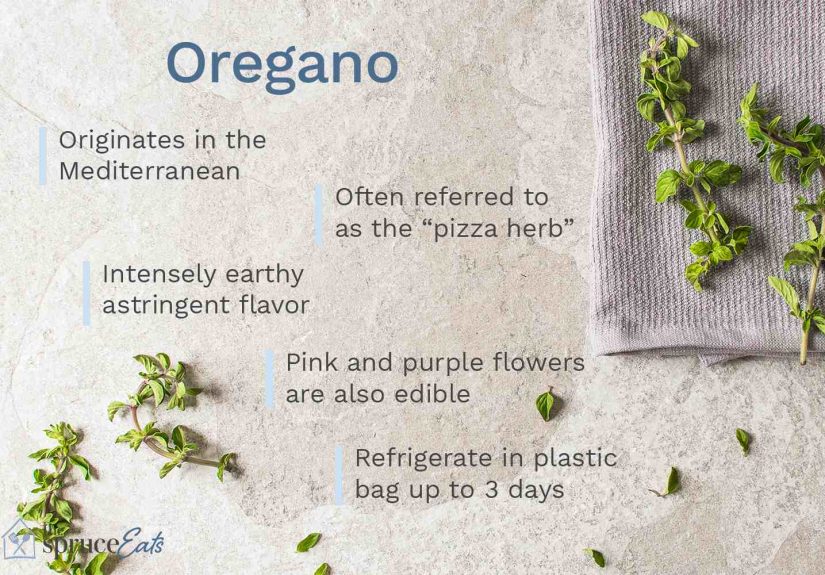
- Flavor: Earthy, herbal, slightly bitter, peppery; sometimes a subtle minty or floral edge
- Best-known cuisines: Italian and Greek classics, plus many Mediterranean-style dishes
- Common forms: Fresh leaves, dried leaves, and (separately) oregano essential oil products
Is Oregano the Same as Marjoram?
They’re close relativesso close that oregano has been called “wild marjoram” in some traditions. But in the kitchen, they don’t behave like identical twins. Think of them more like siblings with different personalities:
Sweet marjoram (the gentle one)
Sweet marjoram (Origanum majorana) is milder and sweeter, with a cozy, “honeyed” vibe that works beautifully with poultry, eggs, mushrooms, and creamy dishes. If oregano is the friend who shows up loudly to the party, marjoram is the one who brings dessert and remembers your dog’s birthday.
Oregano (the bold one)
Oregano is generally more pungent and assertiveespecially Greek oregano, which many cooks consider the classic “spice rack oregano.” It loves tomatoes, olive oil, garlic, grilled meats, beans, and anything that can handle a confident herb without getting steamrolled.
Fresh vs. Dried Oregano: Why They Taste So Different
Fresh oregano is bright and green with a softer bite. Dried oregano is deeper, punchier, and often reads as more “pizza shop.” That’s not your imaginationdrying changes how the aromatic compounds present themselves, and the flavor concentrates.
Practical rule: when swapping fresh for dried, start smaller with dried. A helpful approach is to use about half as much dried oregano as fresh, then adjust to taste. Oregano can be charming, but it can also take over a sauce if you dump it in like confetti.
Types of Oregano You’ll See (and One Sneaky Impostor)
“Oregano” on a label doesn’t always mean the exact same plant. Here are the most common situations:
Greek oregano
Often described as the most pungent, bold, and “true oregano” flavor. If you want that classic pizza-and-pasta aroma, Greek oregano is usually the ringleader.
Italian/Sicilian-style oregano
These labels can refer to culinary strains or blends, sometimes with a slightly milder or more balanced profile. Great for sauces, roasted vegetables, and everyday cooking.
Mexican oregano (not the same plant)
Mexican oregano is the famous look-alike: it’s typically from Lippia graveolens, a plant in the verbena familynot the mint family. Flavor-wise, it often comes across as more citrusy and bold, and it shines in chili, pozole, beans, salsas, and other Mexican and Southwestern dishes. If a recipe specifically calls for Mexican oregano, using Mediterranean oregano will still workbut the dish may lose that signature citrusy, peppery edge.
What Does Oregano Taste Like?
Oregano’s flavor is usually described with words like:
- Earthy and herbal (like a hillside herb garden after a warm day)
- Peppery (a mild bite that pairs well with garlic and tomato)
- Slightly bitter (in a good waybitterness can add depth)
- Mint-adjacent (it’s in the mint family, after all)
Flavor tip: If dried oregano tastes dusty or flat, it’s probably old. Herbs don’t “expire” dramatically, but they do fade. Fresh jars (or freshly dried leaves) make a noticeable difference.
How to Use Oregano in Cooking
Oregano is versatile, but it’s happiest when it has friendsthink olive oil, tomatoes, lemon, garlic, onions, vinegar, and grilled flavors.
1) Tomato-based dishes (its natural habitat)
Add oregano to marinara, pizza sauce, tomato soup, shakshuka-style sauces, or baked pasta. For long-simmering sauces, add some early for depth and a pinch near the end for aroma.
2) Meat, beans, and marinades
Oregano is a workhorse in marinades for chicken, pork, lamb, and even tofu. Try a simple mix: olive oil + lemon juice + garlic + oregano + salt + black pepper. For beans and chili-style dishes, oregano brings savory backbone and helps round out smoky flavors.
3) Vegetables, salads, and dressings
Oregano pairs beautifully with roasted potatoes, zucchini, eggplant, bell peppers, and mushrooms. It also plays well in Greek-style salads and vinaigrettesespecially with feta, olives, cucumber, and a squeeze of lemon.
4) Fresh oregano: when to add it
Fresh oregano can go bitter if cooked too hard for too long. Add it toward the end of cooking or use it as a finishing herbtorn over roasted vegetables, stirred into warm beans, or scattered on a finished pizza right before serving.
5) Dried oregano: when it shines
Dried oregano is sturdy. It’s great in soups, stews, casseroles, chili, and sauces. It also anchors spice blends (hello, Italian seasoning) and can make garlic bread taste like it got upgraded to “special occasion.”
Oregano Oil and Supplements: Helpful or Hype?
“Oregano oil” can mean different things. Culinary oregano infused in oil (like olive oil warmed with oregano leaves) is one thing. Oregano essential oil sold as a supplement is anotherhighly concentrated and not the same as sprinkling oregano on dinner.
Lab studies suggest oregano’s compounds (often including carvacrol and thymol) may have antimicrobial and antioxidant activity. But here’s the key: lab evidence doesn’t automatically translate into proven health benefits in people. Some supplement claims sprint ahead of the research like a kid who heard the ice cream truck and forgot shoes exist.
If you’re considering supplements: treat oregano essential oil products cautiously, follow label directions, avoid “more is better” thinking, and talk with a clinicianespecially if you’re pregnant, have a medical condition, or take medications.
Nutrition: Does Oregano Have Vitamins?
Oregano contains nutrients and plant compounds, including vitamin K and various antioxidants. The catch is that oregano is usually eaten in small amountsteaspoons, not cupsso it’s best viewed as a flavor booster with bonus phytonutrients, not a primary vitamin source.
One practical note: even small servings of dried herbs can contribute vitamin K. That matters most for people who need consistent vitamin K intake (for example, those taking certain blood-thinning medications). If that’s you, don’t panicjust be consistent and check with your healthcare team.
Safety, Side Effects, and Who Should Be Careful
For most people, oregano as a food seasoning is very safe. The main caution flags show up when oregano is used in concentrated supplement forms (like essential oil products) or in unusually large amounts.
Possible issues to keep on your radar
- Stomach upset: concentrated oregano oil products can irritate the GI tract in some people.
- Allergies: people can be sensitive to herbs in the mint family or develop contact reactions.
- Pregnancy concerns: concentrated oregano supplement products are often listed as not recommended in pregnancy.
- Medication interactions: if you take blood thinners or other ongoing medications, ask a clinician before starting herbal supplements.
Friendly reminder: herbs can be powerfulespecially when you turn them into oils, capsules, or mega-doses. Food amounts are one lane; supplement-strength products are a different highway.
Buying and Storing Oregano (So It Doesn’t Taste Like Cardboard)
Buying tips
- Fresh oregano: look for perky stems and leaves without black spots or slime. (Yes, slime is always a bad sign.)
- Dried oregano: choose a brand with a strong aroma. If you can’t smell it, your food won’t either.
Storage tips
- Dried: keep in an airtight container away from heat, light, and moisture. Replace when it loses aroma.
- Fresh: treat like a bouquettrim stems, place in a glass with a little water, loosely cover, and refrigerate (or wrap in a damp paper towel in a bag).
- Freezing: chop and freeze in olive oil in ice cube trays for quick “drop-in flavor” portions.
How to Grow Oregano (Even If You’re “Bad With Plants”)
Oregano is famously forgiving. It prefers conditions that are basically the opposite of overwatering: sunny, well-drained soil, and not sitting in soggy sadness.
Quick growing guide
- Sun: aim for 6–8 hours of sun daily (a little afternoon shade can help in very hot climates).
- Soil: well-draining soil; oregano tolerates slightly dry conditions and often prefers them.
- Water: water when the soil surface dries out. Oregano is drought-tolerant once established.
- Propagation: cuttings are often recommended for consistent flavor; seeds can vary.
- Harvest: clip frequently to encourage bushy growth. Many gardeners find peak flavor just before flowering.
Drying oregano at home
Harvest when leaves are dry and temperatures are cooler, bundle stems, and hang upside down in a dry, warm spot with airflow. Once crisp, strip the leaves and store in a sealed jar. Home-dried oregano can taste surprisingly boldlike you suddenly know how to cook “the good stuff.”
of Real-World Oregano Experiences (The Kind You Actually Run Into)
1) The “Why does my pizza taste different?” moment. A lot of people first notice oregano when they try to recreate pizza at home. They’ve got dough, sauce, cheeseeverything seems right. Then the first bite is… fine. Not “pizzeria.” The missing clue is often dried oregano (and using it correctly). A pinch in the sauce helps, but many home cooks get better results when they add a small sprinkle after baking, too. Heat unlocks aroma, but a finishing pinch gives you that fresh, nose-first “pizza shop” smell.
2) The “fresh oregano is kind of intense” surprise. Fresh oregano can taste sharper than expected if you bite a leaf straight. People who love basil sometimes assume oregano will be equally sweet and gentle. Nope. It’s more peppery, sometimes slightly bitter, and it can dominate if chopped too aggressively and added too early. The trick is using fresh oregano like you’d use a strong accent color: small amounts, added late, paired with fat (olive oil) and acid (lemon or vinegar) to smooth the edges.
3) The Greek salad upgrade. A classic experience: someone makes a Greek-style salad and thinks it’s missing “that restaurant thing.” The fix is often dried oregano whisked into the dressing with lemon juice and olive oil. It blooms in the oil and acid, and suddenly the salad tastes like it came with a sunset and a tiny plate of olives. Bonus points if you warm the oregano briefly in the oil (low heat, 30 seconds) before tossingjust don’t burn it, because burnt oregano tastes like regret.
4) The “Mexican oregano changed my chili” revelation. Plenty of cooks discover Mexican oregano only after a recipe specifically calls for it. The first time they use it in pozole, black beans, or chili, they often notice a different aromamore citrusy, slightly licorice-like, and bold. It doesn’t taste “wrong” if you swap Mediterranean oregano in a pinch, but once you’ve tried Mexican oregano in the right dish, you get why people keep a separate jar for it. It’s like having two different kinds of hot sauce: both are useful, but they’re not interchangeable every time.
5) The “oregano is basically immortal” gardening win. Gardeners love oregano because it can handle a little neglect. Someone plants it, forgets it, waters it occasionally, and it still shows up like, “Hey, I’m thriving.” The most common lesson learned is that oregano hates wet feet. When people move it to a sunnier spot with better drainage (or a pot with airy soil), the plant gets bushier and the leaves smell stronger. Then comes the satisfying routine: clip a handful, dry some for winter, and feel like the main character in a cozy cooking montage.
6) The “my dried oregano is weak” kitchen audit. If oregano doesn’t smell like much, it won’t taste like much. Many people eventually do the spice-cabinet sniff test and realize their dried oregano has been there since… a time before streaming services. Replacing it (and storing it away from the stove’s heat and steam) can make everyday meals noticeably better. It’s one of the cheapest cooking upgrades you can doright up there with sharpening your knife and pretending you enjoy doing it.
Conclusion
Oregano is a bold, aromatic herbusually from the Origanum genusthat brings earthy, peppery flavor to everything from pizza sauce to roasted vegetables. Fresh oregano adds brightness when used late; dried oregano brings the classic, concentrated punch that holds up in long-simmered dishes. Along the way, you’ll run into close relatives like marjoram (milder and sweeter) and look-alikes like Mexican oregano (a different plant with a citrusy edge).
Whether you grow it on a sunny windowsill, shake it into pasta sauce, or experiment with regional varieties, oregano is one of those small ingredients that can make food taste more “finished.” In other words: tiny leaf, big personality.







 Close
Close