
Table of Contents >> Show >> Hide
- Arugula in plain English
- What does arugula taste like?
- Arugula nutrition: tiny leaves, big résumé
- Arugula benefits: what we can say (without turning it into a superhero movie)
- How to eat arugula (without feeling like you licked a pepper grinder)
- Buying arugula: how to pick a good bag (and avoid sad leaves)
- How to store arugula so it lasts longer
- Growing arugula at home: the “instant gratification” green
- Arugula FAQs
- : Everyday experiences with arugula (the real-world version)
- Conclusion
Arugula is the leafy green that shows up in your salad acting like it pays rent. It’s tender, it’s peppery, and it has
just enough attitude to make plain lettuce feel like it needs a new personality. If you’ve ever taken one bite and thought,
“Wowthis salad is spicy,” congratulations: you’ve met arugula.
Also called rocket, rucola, or roquette, arugula is part of the mustard family
(the big cruciferous/brassica crew). That explains the bite: arugula has the same “zing” energy you get from radishes,
mustard greens, and wasabi-adjacent flavorsjust in salad form.
Arugula in plain English
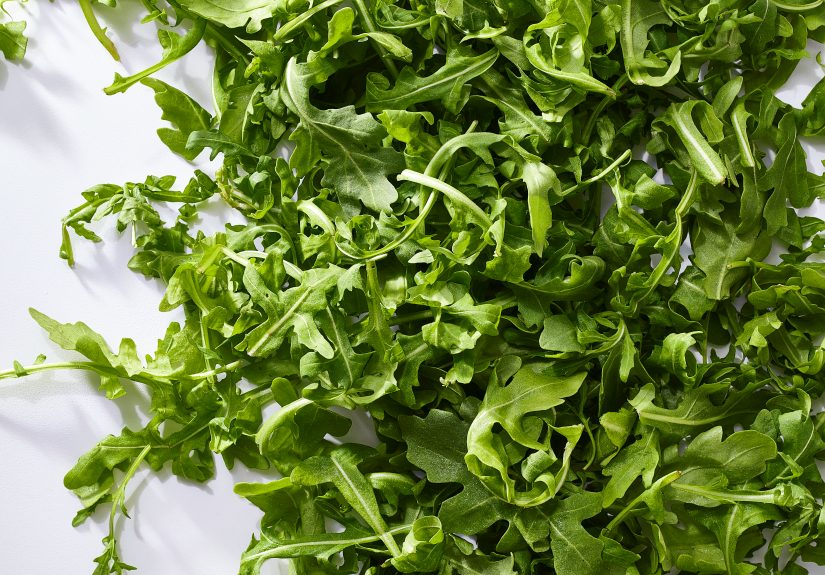
Arugula is an edible leafy plant (commonly Eruca sativa or closely related types) grown for its
green leaves. In the U.S., you’ll typically find it sold as:
- Baby arugula (smaller leaves, milder flavor, more tender)
- Mature arugula (bigger leaves, more peppery and sometimes more bitter)
- Wild arugula (often narrower leaves and a stronger, sharper bite)
Botanically, it’s a member of the Brassicaceae familyoften lumped into “cruciferous vegetables” in nutrition
conversations. That doesn’t mean it looks like broccoli. It means it shares a chemical toolkit that can affect flavor
(peppery, sulfur-y, bitter) and nutrition (plant compounds that researchers pay attention to).
What does arugula taste like?
Arugula’s flavor is usually described as peppery, nutty, and sometimes bitter.
If lettuce is elevator music, arugula is a jazz trio that starts soloing the moment you take a bite.
Why it can taste different from bag to bag
- Leaf age: Younger leaves are typically milder; older leaves can be more intense.
- Heat stress: When arugula grows in warm conditions and starts bolting (flowering), bitterness can increase.
- Type/variety: “Wild” types often taste spicier than standard baby arugula.
- How you eat it: Raw arugula is bold. Lightly cooked arugula mellows and becomes more earthy.
If you’re arugula-curious but arugula-nervous, start with baby arugula and pair it with creamy, sweet, or fatty ingredients.
Arugula loves friends who can take the edge off.
Arugula nutrition: tiny leaves, big résumé
Arugula is famously low in calories and high in “how is this even allowed to be healthy?” vibes. Like many leafy greens,
it offers vitamins, minerals, fiber, and plant compoundswithout bringing much sugar or starch to the party.
Notable nutrients you’ll often see in arugula
- Vitamin K: Important for normal blood clotting and bone metabolism.
- Vitamin A (as carotenoids): Supports vision and immune function.
- Vitamin C: Supports immune function and helps with collagen formation.
- Folate: Plays a role in cell function and DNA synthesis.
- Calcium, potassium, magnesium: Minerals that contribute to bone, muscle, and nerve function.
- Fiber: Small amounts per serving, but it adds up if you eat greens regularly.
The “peppery science” behind arugula
Arugula’s signature bite comes from naturally occurring sulfur-containing compounds common in many cruciferous vegetables.
When the leaves are chewed or chopped, these compounds can transform into other molecules that contribute to aroma and flavor.
The same family of compounds is also studied for potential health-supporting effectsthough nutrition science is nuanced,
and “supports” is not the same as “cures.”
Translation: arugula tastes spicy for a reason. Your taste buds are basically doing chemistry homework.
Arugula benefits: what we can say (without turning it into a superhero movie)
Eating arugula is generally a “good idea” move in the same way wearing sunscreen is a good idea: it’s a small habit that can
stack up. But no single food is magic, and arugula doesn’t come with a cape.
1) Heart support (especially as part of a plant-forward diet)
Leafy greens, including arugula, are often associated with heart-healthy eating patterns because they’re nutrient-dense,
low in calories, and easy to swap into meals in place of more processed options. Some leafy greens also contain naturally
occurring nitrates that the body can convert into nitric oxide, a molecule involved in healthy blood vessel function.
2) Bone health (hello, vitamin K)
Arugula is a notable source of vitamin K, which plays a role in normal blood clotting and bone metabolism. If you’re trying
to build a plate that supports long-term bone health, arugula can be one of several leafy greens in the rotation.
3) Antioxidants and “plant defense” compounds
Plants make protective compounds to defend themselves. When we eat them, those compounds can contribute to the overall
antioxidant and anti-inflammatory profile of our diets. Arugula’s cruciferous family ties are one reason it’s often highlighted
in nutrition discussions.
4) Gut-friendly habits (fiber + variety)
Arugula isn’t the highest-fiber food on earth, but it does contribute some fiber, andmore importantlyhelps people eat more
plant variety. Variety matters because it encourages a wider range of nutrients (and, for many people, a more interesting diet).
One important note if you take blood thinners
Because arugula can be high in vitamin K, people taking certain anticoagulant medications (like warfarin) are often advised
to keep vitamin K intake consistent day to day. That doesn’t mean “never eat arugula.” It usually means “don’t suddenly eat
a gigantic arugula salad every day after months of none” without checking your care plan.
How to eat arugula (without feeling like you licked a pepper grinder)
Arugula is wildly versatile. Raw, it brings sparkle and bite. Cooked, it softens into a mellow green that can slide into
warm dishes without dominating them.
Arugula in salads: the easiest win
The trick to a great arugula salad is balance. Pair peppery leaves with ingredients that are sweet,
creamy, salty, or rich. Try combos like:
- Arugula + pears or apples + walnuts + goat cheese
- Arugula + oranges + avocado + pumpkin seeds
- Arugula + tomatoes + mozzarella + balsamic (classic for a reason)
- Arugula + shaved Parmesan + lemon + olive oil (fast, fancy, minimal effort)
Arugula on pizza and flatbreads
Add arugula after baking. The heat wilts it slightly, the pizza stays crisp, and the peppery bite acts like
a built-in garnish. Bonus points if you finish with lemon juice or a drizzle of olive oil.
Arugula pesto: a bold twist on the classic
Basil pesto is a crowd-pleaser; arugula pesto is the same idea with more punch. A simple approach:
- Blend arugula with olive oil, garlic, nuts (pine nuts, walnuts, almonds), and Parmesan (or a dairy-free alternative).
- Add lemon juice to brighten and reduce perceived bitterness.
- Salt to taste, then thin with a little more oil or water if needed.
Use it on pasta, sandwiches, roasted vegetables, eggs, or as a sauce for grilled chicken or fish.
Cooked arugula: underrated and surprisingly cozy
If arugula is too spicy raw, cook it. Quick wilting in a pan (or stirring into hot soup) softens the bite. Toss arugula into:
- Scrambled eggs or omelets (stir in at the end)
- Warm grain bowls (quinoa, farro, rice)
- Soups (add just before serving)
- Pasta (fold in when the sauce is hot)
Buying arugula: how to pick a good bag (and avoid sad leaves)
When shopping, look for arugula that’s bright green, crisp, and not slimy. Avoid bags with
lots of moisture or yellowing leaves. The best arugula smells freshpeppery is fine; funky is not.
Baby vs. mature arugula at the store
- Choose baby arugula if you want mild flavor, tender texture, and easy salads.
- Choose mature arugula if you want a stronger bite or plan to cook it.
How to store arugula so it lasts longer
Arugula is delicate, so it can go from “perky and proud” to “limp and dramatic” quickly. Storage matters.
Simple storage steps
- Keep it cold: Store in the refrigerator (crisper drawer is ideal).
- Control moisture: Too wet = slimy. Too dry = wilted. Aim for lightly humid, not soaked.
- Use a paper towel trick: Place a dry paper towel in the container/bag to absorb excess moisture.
- Wash smart: If you wash ahead, dry thoroughly before storing.
How to revive wilting arugula
If it’s a little limp but not slimy, try a brief cold-water soak, then dry well. Think of it as a tiny spa day for leaves.
If it’s slimy or smells off, it’s time to toss it.
Growing arugula at home: the “instant gratification” green
Arugula is a cool-season plant that grows quickly, which makes it a favorite for beginner gardeners. You can grow it in a
garden bed, raised bed, or even containers.
What arugula likes
- Cool temperatures: It grows best in spring and fall; heat can cause bolting.
- Sun to partial sun: Full sun is fine in cooler weather; some shade helps in warmer conditions.
- Steady moisture: Drought stress can increase bitterness.
- Succession planting: Sow every couple of weeks for a continuous harvest.
Common garden issues
Arugula can attract pests like flea beetles in some regions, which can create tiny “shot-hole” damage on leaves. Row covers,
seasonal timing (cooler weather), and healthy soil practices can help.
Arugula FAQs
Is arugula lettuce?
Nope. It’s a leafy green, but it’s not a lettuce. Arugula is in the mustard family, which is why it tastes peppery rather
than neutral.
Is arugula the same as rocket?
Yes“rocket” is a common name used in many places. In U.S. grocery stores, you’ll mostly see “arugula.”
Can you cook arugula?
Absolutely. It wilts fast, so it’s best added near the end of cooking. Cooking can mellow the peppery flavor.
Can you eat arugula flowers?
If you grow arugula and it flowers, the blossoms are often considered edible and can be used as a garnish. (Always confirm
the plant hasn’t been treated with anything not intended for edible crops.)
Why does arugula sometimes taste extra bitter?
Mature leaves, heat stress, and bolting can all increase bitterness. Pairing it with fat (olive oil, cheese, avocado) and
acid (lemon, vinegar) helps balance the bite.
: Everyday experiences with arugula (the real-world version)
For a lot of people, the first “arugula experience” happens accidentally. You order a salad that looks innocentgreens,
tomatoes, maybe some shaved Parmesanand then your mouth goes, “Wait… why is this lettuce spicy?” That moment is basically
arugula’s origin story in American kitchens: surprise, delight, mild confusion, and then (usually) a second bite to confirm
you didn’t imagine it.
If you’re new to arugula, a common experience is loving it in restaurants but struggling at home. Restaurant arugula often
tastes better because it’s fresher, drier, and dressed properly. At home, arugula can get soggy fast, especially if you wash
it and don’t dry it well. Many people find that a salad spinner (or a clean towel and a little patience) is the difference
between “crisp peppery greens” and “wet leaves with opinions.”
Another relatable arugula moment: buying a big container because you felt healthy and ambitious… and then realizing arugula
has the shelf life of a soap bubble. That’s why arugula tends to reward a plan. If you buy it, decide the same day what
it’s going to be: a lemony salad, a pizza topper, a sandwich layer, or pesto. When arugula is part of a plan, it feels like
a culinary power move. When it’s forgotten, it becomes a science experiment in the crisper drawer.
People also discover quickly that arugula is a “mood green.” In salads, it’s bold and pepperygreat when you want something
bright and punchy. But on a hot slice of pizza, it becomes softer and more mellow, like it decided to stop yelling and start
singing. That’s why arugula shows up in so many everyday meals: it can behave differently depending on how you treat it.
Many home cooks learn to use that to their advantageraw for bite, lightly wilted for balance, blended into pesto for a
strong, herby sauce that wakes up pasta, eggs, or roasted vegetables.
One more common experience: learning what arugula likes as a partner. If you toss arugula with plain vinegar and call it a
day, it may taste harsh. But give it olive oil, lemon, a little salt, and something creamy or sweetlike avocado, goat
cheese, pears, or roasted beetsand suddenly it tastes intentional. That “pairing discovery” is often when arugula stops
being a weird spicy leaf and starts being a staple. The best part is that once you get the hang of it, arugula makes simple
meals feel restaurant-level with almost no effort. It’s basically the shortcut for people who want “fancy” without doing
anything that requires a new pan.
Conclusion
Arugula is a peppery, mustard-family leafy green that brings flavor and nutrition to the tablewhether you toss it into salads,
wilt it into warm dishes, or blitz it into pesto. If it tastes too intense at first, use baby arugula, pair it with creamy
or sweet ingredients, or try it cooked. Once you learn how to store it and balance its bite, arugula becomes one of the easiest
ways to make everyday meals taste brighter, fresher, and more interesting.







 Close
Close