
Table of Contents >> Show >> Hide
- Introduction: The Sweetener With a Desert-Plant Backstory
- What Is Agave Syrup?
- What Does Agave Syrup Taste Like?
- Agave Syrup Nutrition: What Is Actually in It?
- Why Is Agave Syrup Called Low Glycemic?
- Is Agave Syrup Healthier Than Sugar?
- Agave Syrup vs. Honey, Maple Syrup, and Table Sugar
- How to Use Agave Syrup in Cooking and Drinks
- How to Substitute Agave Syrup in Recipes
- Who Should Be Careful With Agave Syrup?
- Buying and Storing Agave Syrup
- Common Myths About Agave Syrup
- Practical Experiences With Agave Syrup: What It Is Like to Actually Use It
- Conclusion: So, What Is Agave Syrup?
- SEO Tags
Editorial note: This article synthesizes information from reputable U.S. food, nutrition, and health sources, including the FDA, American Heart Association, Harvard Health, Cleveland Clinic, Mayo Clinic, USDA-linked nutrition data, peer-reviewed agave syrup research, and major U.S. food publications. It is written for general education, not personal medical advice.
Introduction: The Sweetener With a Desert-Plant Backstory
Agave syrup is one of those ingredients that sounds like it wandered out of a boutique grocery store wearing linen pants and carrying a yoga mat. It is plant-based, golden, pourable, and often marketed as a more “natural” alternative to white sugar. You may see it labeled as agave nectar, blue agave syrup, or simply agave sweetener. It shows up in smoothies, cocktails, vegan desserts, oatmeal bowls, iced coffee, salad dressings, and enough “healthy-ish” recipes to make regular sugar feel like it arrived late to the wellness meeting.
But what is agave syrup, really? Is it healthier than sugar? Does its low glycemic index make it a smart choice? And why does something that comes from a spiky desert plant taste like liquid candy with excellent branding?
The short answer: agave syrup is a sweet liquid made from the agave plant, and it is still an added sugar. It can be useful in the kitchen, especially because it dissolves easily and tastes mild, but it is not a magic health food. Think of it as a charming sweetener, not a nutritional superhero. It is less “cape and saving the day” and more “nice drizzle on Greek yogurt.”
What Is Agave Syrup?
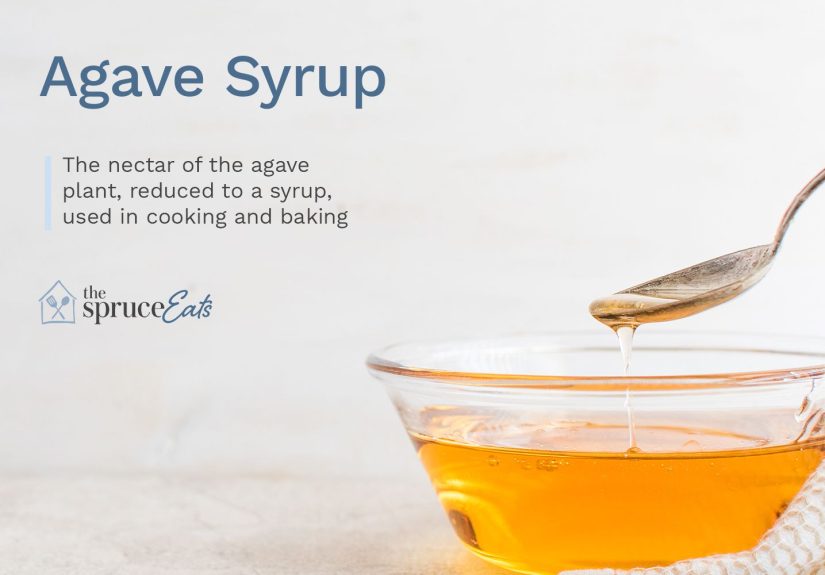
Agave syrup is a liquid sweetener made from the sap of the agave plant, a succulent native to Mexico and parts of the southwestern United States. The same broad family of plants is also associated with tequila production, although your bottle of agave syrup is not going to make your pancakes start singing karaoke.
To make agave syrup, producers extract sap from the core of the agave plant, then process it with heat and/or enzymes to break down complex carbohydrates into simpler sugars. The liquid is filtered and concentrated until it becomes the smooth syrup sold in grocery stores. This processing is why agave syrup is not the same as biting into a plant or drinking raw plant sap. It is a refined sweetener derived from a plant source.
Agave Syrup vs. Agave Nectar
The terms agave syrup and agave nectar are often used interchangeably. Technically, “syrup” is the more accurate term because the product is processed, filtered, and concentrated before it reaches the shelf. “Nectar” sounds a little more romantic, like bees and flowers were involved, but agave syrup is not collected like honey. It is manufactured from agave sap.
Light, Amber, and Dark Agave Syrup
Agave syrup usually comes in light, amber, and dark varieties. Light agave has the mildest flavor and is popular in drinks or delicate desserts. Amber agave has a slightly richer taste and works well in sauces, oatmeal, pancakes, and baking. Dark agave has the boldest flavor, with deeper caramel-like notes. The darker the syrup, the more personality it brings to the party.
What Does Agave Syrup Taste Like?
Agave syrup tastes sweet, smooth, and relatively neutral compared with honey or maple syrup. Light agave has a clean sweetness that blends easily into coffee, tea, lemonade, smoothies, and cocktails. Amber and dark agave can taste warmer and more caramel-like, which makes them better for recipes where you actually want the sweetener to be noticed.
One reason home cooks like agave syrup is that it dissolves quickly in cold liquids. Anyone who has tried to stir granulated sugar into iced coffee knows the pain: it sinks to the bottom like tiny sweet pebbles with commitment issues. Agave syrup, on the other hand, mixes smoothly, making it useful for iced tea, cold brew, mocktails, vinaigrettes, and chilled sauces.
Agave Syrup Nutrition: What Is Actually in It?
Nutritionally, agave syrup is mostly carbohydrate, and nearly all of that carbohydrate comes from sugar. USDA-linked nutrition data and agave syrup research generally place agave syrup around 310 calories per 100 grams, with about 76 grams of carbohydrate per 100 grams. A tablespoon is commonly estimated around 60 calories, depending on the brand and serving weight.
Agave syrup is not a meaningful source of protein, fat, or fiber. It may contain tiny amounts of minerals or plant compounds depending on how it is processed, but those amounts are not large enough to turn it into a nutrient-dense food. If your body is looking for vitamins, minerals, and fiber, it would rather you call fruit, vegetables, legumes, nuts, seeds, and whole grains. Agave syrup is mostly there to make things sweet.
Is Agave Syrup an Added Sugar?
Yes. In the United States, single-ingredient syrups and sweeteners are treated as sources of added sugar on Nutrition Facts labels. The FDA defines added sugars as sugars added during processing, foods packaged as sweeteners, sugars from syrups and honey, and sugars from concentrated fruit or vegetable juices. The FDA’s Daily Value for added sugars is 50 grams per day based on a 2,000-calorie diet.
That means agave syrup may come from a plant, but your body and your food label still count it as added sugar. “Natural” does not automatically mean “eat it with a soup ladle.”
Why Is Agave Syrup Called Low Glycemic?
Agave syrup is often promoted as a low-glycemic sweetener. The glycemic index, or GI, measures how quickly carbohydrate-containing foods raise blood glucose. Agave syrup usually has a lower GI than table sugar, honey, and maple syrup because it is high in fructose and lower in glucose. Fructose has a smaller immediate effect on blood glucose than glucose does.
That sounds like a win, and in a narrow sense, it can be. A sweetener with a lower glycemic index may cause a smaller short-term blood sugar rise than a high-glucose sweetener. But here is the plot twist: low glycemic does not mean unlimited or automatically healthy.
Harvard Health notes that agave syrup is mostly fructose, which does not directly raise blood glucose in the same way as glucose. Instead, fructose is processed mainly by the liver. Excess fructose intake can contribute to triglyceride production, and chronically high triglycerides are linked with higher risks for metabolic problems.
So yes, agave syrup may be low glycemic. But the reason it is low glycemic is also the reason nutrition experts recommend using it carefully. That is the kind of nutritional irony that makes grocery aisles more complicated than they need to be.
Is Agave Syrup Healthier Than Sugar?
Agave syrup is not dramatically healthier than sugar. It has a different sugar profile, a lower glycemic index, and a milder flavor, but it is still a concentrated sweetener. Harvard Health explains that added sugars come from many sources and may contain different ratios of glucose and fructose, yet they still contribute extra calories and should be limited. Some types of agave nectar may contain up to 90% fructose.
Potential Advantages of Agave Syrup
Agave syrup does have practical advantages. It is sweeter than table sugar, so some people may use less of it to achieve the same sweetness. It dissolves beautifully in cold drinks. It is vegan, which makes it a common honey substitute for people avoiding animal-derived foods. Its mild flavor can also be useful when you want sweetness without the strong floral taste of honey or the earthy flavor of maple syrup.
Potential Downsides of Agave Syrup
The biggest downside is that agave syrup is still added sugar and is often high in fructose. Cleveland Clinic includes agave nectar among natural sugars that should be limited, noting that natural sweeteners still count toward daily sugar intake and remain high in calories. The same source also cautions that agave can still raise blood sugar and should be used carefully by people managing diabetes.
The American Heart Association recommends keeping added sugars to no more than about 6% of daily calories. For many women, that is no more than about 100 calories or 6 teaspoons per day; for many men, no more than about 150 calories or 9 teaspoons per day. Those limits apply to all added sugars, not just white sugar.
Agave Syrup vs. Honey, Maple Syrup, and Table Sugar
Agave Syrup vs. Honey
Honey has a stronger flavor, thicker texture, and more floral complexity. It may contain small amounts of antioxidants and trace nutrients, but it is also an added sugar. Agave syrup is usually thinner, milder, and easier to mix into cold drinks. For vegan recipes, agave syrup is often used in place of honey because it is plant-derived.
Agave Syrup vs. Maple Syrup
Maple syrup has a distinctive flavor and may contain more minerals than agave syrup, particularly manganese and riboflavin, depending on the serving. Agave syrup usually has a lower glycemic index and a milder taste. In recipes, maple syrup brings flavor; agave syrup mostly brings sweetness. If maple syrup is the lead singer, agave syrup is the backup vocalist who never misses a note.
Agave Syrup vs. Table Sugar
Table sugar is dry, crystalline, and made of sucrose, which breaks down into glucose and fructose. Agave syrup is liquid and typically higher in fructose. Because agave is sweeter and already liquid, it behaves differently in recipes. You cannot always swap it one-for-one with granulated sugar without adjusting the liquid and baking structure.
How to Use Agave Syrup in Cooking and Drinks
Agave syrup is easy to use, especially when you need a sweetener that blends smoothly. Here are some of the best ways to use it:
1. Sweetening Cold Drinks
Agave syrup is excellent in iced coffee, cold brew, iced tea, lemonade, smoothies, and alcohol-free mocktails. It dissolves quickly, so you do not get the gritty sugar layer at the bottom of the glass. Your straw will thank you.
2. Making Salad Dressings
A small amount of agave syrup can balance acidity in vinaigrettes. Try whisking it with olive oil, lemon juice, Dijon mustard, salt, pepper, and a splash of apple cider vinegar. It rounds out sharp flavors without making the dressing taste like dessert.
3. Glazing Roasted Vegetables
Agave syrup can help create a glossy glaze on roasted carrots, sweet potatoes, Brussels sprouts, or squash. Use a small drizzle with olive oil, spices, and a pinch of salt. The sweetness pairs well with smoky, spicy, or tangy flavors.
4. Baking Vegan Desserts
Because agave syrup is plant-based, it is popular in vegan cookies, muffins, bars, and no-bake desserts. However, because it is liquid, recipes may need adjustments. Too much agave can make baked goods too moist or dense. Delicious? Maybe. Structurally stable? Not always.
5. Topping Breakfast Foods
Agave syrup can be drizzled over oatmeal, pancakes, waffles, chia pudding, yogurt, or fruit bowls. Use it lightly. A small swirl can add sweetness without turning breakfast into a syrup swimming pool.
How to Substitute Agave Syrup in Recipes
Agave syrup can replace honey or maple syrup in many recipes at a similar volume, though the flavor will change. Replacing granulated sugar is trickier because agave adds liquid and sweetness at the same time.
As a general kitchen guideline, when replacing granulated sugar with agave syrup in baking, use less agave than sugar and reduce other liquids slightly. You may also need to lower the oven temperature a bit because liquid sweeteners can brown faster. Baking is chemistry wearing an apron, so small test batches are your friend.
If you are substituting agave syrup in drinks, sauces, marinades, or dressings, the process is easier. Start with a small amount, stir, taste, and adjust. Agave syrup is sweet, and it can sneak up on a recipe like a quiet guest who suddenly dominates the conversation.
Who Should Be Careful With Agave Syrup?
Most people can enjoy small amounts of agave syrup as part of an overall balanced diet. However, some people should be especially mindful. Anyone managing diabetes, insulin resistance, triglycerides, fatty liver concerns, or overall added sugar intake should treat agave syrup like any other added sweetener and speak with a qualified healthcare professional for personal guidance.
Parents should also remember that sweeteners can shape taste preferences. Mayo Clinic notes that sugar substitutes and sweeteners may affect food and drink choices by keeping the palate accustomed to sweetness. Whole foods such as fruits and vegetables usually provide the best mix of nutrients.
In plain English: agave syrup is fine as an occasional sweetener, but it should not become the main character of your daily diet.
Buying and Storing Agave Syrup
When buying agave syrup, check the ingredient list. Ideally, it should contain only agave syrup or organic agave syrup. Some flavored products may contain additional ingredients. Light agave is best for drinks and mild recipes; amber and dark agave are better when you want a warmer, richer flavor.
Store agave syrup in a cool, dry place with the cap tightly closed. Most bottles do not need refrigeration after opening, but always follow the label directions. If the syrup develops an off smell, unusual cloudiness, mold, or a strange texture, do not use it. Food safety is not the place to be adventurous.
Common Myths About Agave Syrup
Myth 1: Agave Syrup Is Healthy Because It Is Natural
Natural ingredients can still be calorie-dense, sugar-rich, or best used sparingly. Agave syrup comes from a plant, but it is processed into a concentrated sweetener. The “natural” label does not cancel out its sugar content.
Myth 2: Low Glycemic Means You Can Use Unlimited Amounts
Low glycemic does not mean calorie-free or consequence-free. Agave syrup’s low glycemic index is mostly due to its fructose content. That may reduce immediate blood glucose impact, but it does not make agave syrup something to pour with wild abandon.
Myth 3: Agave Syrup Is the Same as Tequila
Agave syrup and tequila can come from agave plants, but they are not the same product. Agave syrup is a sweetener. Tequila is an alcoholic beverage made through fermentation and distillation. Do not confuse the two, especially at breakfast.
Myth 4: Agave Syrup Has No Effect on Blood Sugar
Agave syrup may have a smaller immediate effect than some sweeteners, but it still contains sugar and calories. It can still contribute to total carbohydrate and added sugar intake.
Practical Experiences With Agave Syrup: What It Is Like to Actually Use It
Using agave syrup in real life is a little different from reading the label in the grocery aisle. On paper, it sounds simple: open bottle, squeeze, enjoy sweetness. In practice, agave syrup has its own personality. It is thinner than honey, usually smoother than maple syrup, and surprisingly efficient. The first experience many people have with it is accidentally using too much. One confident squeeze into iced coffee, and suddenly the drink tastes like it has been personally blessed by the Sugar Fairy.
The best experience with agave syrup often comes from using it in cold beverages. In iced coffee, it blends almost instantly, which is a major advantage over granulated sugar. There is no crunchy layer at the bottom, no aggressive stirring, and no awkward moment where the first sip is bitter and the last sip tastes like melted candy. For homemade lemonade, agave syrup also works well because it mixes smoothly with lemon juice and water. Start small, though. Lemonade should taste bright and refreshing, not like it is trying to become frosting.
Agave syrup is also surprisingly useful in salad dressings. A teaspoon can soften the bite of vinegar or citrus without making the dressing taste sugary. For example, a simple dressing with olive oil, lime juice, agave syrup, cumin, garlic, and salt works beautifully on taco salads, grilled corn, black bean bowls, or cabbage slaw. The sweetness helps balance spice and acidity. It is the quiet mediator in the flavor argument.
In baking, agave syrup is a little more complicated. It can make muffins and quick breads moist, but too much can make them heavy. Cookies may spread more because agave adds liquid. Cakes may brown faster because liquid sweeteners encourage caramelization. The best approach is to use recipes designed for agave syrup rather than forcing it into every recipe that originally called for white sugar. Baking does not always appreciate improvisation. It has rules, and it knows where you live.
Agave syrup also works nicely with spicy foods. A small amount in a marinade can balance chili powder, smoked paprika, cayenne, or chipotle. It can help create a glossy finish on roasted vegetables or grilled tofu. Mixed with lime juice and a pinch of salt, it can brighten fruit salads, especially those with pineapple, mango, watermelon, or berries. Just remember that fruit is already sweet, so agave should be an accent, not a weather event.
One practical downside is the bottle. Some agave syrup bottles pour quickly, and if the cap gets sticky, the experience becomes less “elegant natural sweetener” and more “why is my pantry shelf glued to my hand?” Wiping the cap after use helps. So does storing the bottle upright and away from heat.
The biggest lesson from everyday use is moderation. Agave syrup is enjoyable, convenient, and versatile, but it is easy to overuse because it feels lighter and more natural than sugar. A drizzle can improve a recipe. A flood can turn it into dessert wearing a fake mustache. The smartest way to use agave syrup is intentionally: a little in drinks, a little in dressings, a little in recipes where its smooth texture matters. That is where it shines.
Conclusion: So, What Is Agave Syrup?
Agave syrup is a plant-derived liquid sweetener made from the sap of the agave plant. It is smooth, sweet, vegan-friendly, and especially useful in cold drinks, dressings, sauces, glazes, and certain desserts. Its mild flavor and easy-pouring texture make it a convenient pantry ingredient.
However, agave syrup is still an added sugar. Its low glycemic index may sound impressive, but that quality comes largely from its high fructose content. It is not automatically healthier than honey, maple syrup, or table sugar, and it should be used in small amounts. The best way to enjoy agave syrup is not to treat it like a wellness miracle, but like what it is: a sweetener with some culinary advantages and a very good publicist.
If you like the taste and texture, use it thoughtfully. Add a small drizzle to iced coffee, whisk it into a vinaigrette, or use it to balance spicy marinades. Just keep your overall added sugar intake in mind, because your body does not hand out bonus points for attractive packaging.







 Close
Close