
Table of Contents >> Show >> Hide
- What Is Face Toner, Really?
- Benefit 1: Toner Can Remove Leftover Dirt, Oil, and Makeup
- Benefit 2: Toner Can Help Your Skin Feel Balanced and Refreshed
- Benefit 3: Toner Can Help Manage Oil and the Look of Pores
- Benefit 4: Toner Can Add Hydration and Support the Skin Barrier
- Benefit 5: Toner Can Brighten Skin and Improve Texture
- Who Should Use Toner?
- Who Should Be Careful or Skip Toner?
- How to Choose the Right Toner for Your Skin Type
- How to Use Toner Without Irritating Your Face
- Common Toner Mistakes to Avoid
- Real-World Experiences With Toner: What People Often Notice
- Final Thoughts
If skin care had a high school yearbook, toner would probably win “Most Misunderstood.” Some people swear by it. Others treat it like an unnecessary extra standing between them and bedtime. So, what does toner do for your face, exactly? The honest answer is this: a good toner can be useful, but it is not magic water, and it is definitely not mandatory for everyone.
Modern toners are very different from the old-school, alcohol-heavy formulas that made faces feel squeaky, tight, and vaguely offended. Today’s options are more targeted. Some help remove leftover oil and makeup. Some add hydration. Some gently exfoliate. Some are packed with ingredients meant to calm, smooth, or brighten the skin.
In other words, toner is less of a “must-have” and more of a “choose-if-it-helps.” If your skin is oily, dull, or prone to clogged pores, the right toner can earn its spot on your bathroom shelf. If your skin is sensitive, very dry, or easily irritated, the wrong toner can behave like an uninvited guest and make things worse.
This guide breaks down what toner does for your face, the five biggest benefits, who should use it, who should skip it, and how to pick one without turning your skin care routine into a science fair project.
What Is Face Toner, Really?
Face toner is a liquid skin care product applied after cleansing and before serums or moisturizer. Its job depends on the formula. A toner can help remove lingering residue, lightly exfoliate, add moisture, calm redness, or prep the skin for the rest of your routine.
That last point matters more than many people realize. Toner is not there to replace cleanser, moisturizer, or sunscreen. It is a support act. Think of it as the opening band, not the headliner. If your cleanser and moisturizer are doing the heavy lifting, toner can help fine-tune the performance.
Benefit 1: Toner Can Remove Leftover Dirt, Oil, and Makeup
Even after washing your face, residue can stick around. Sunscreen, makeup, sweat, and excess oil do not always leave quietly. A toner can help pick up what your cleanser missed, especially if you wear makeup, live in a humid climate, or have naturally oily skin.
This is one of toner’s most practical benefits. It gives your skin a cleaner starting point without forcing you to wash your face again. That matters because over-cleansing can dry out the skin barrier and trigger irritation. For people who feel like their face still has a little “day” left on it after cleansing, toner can be a useful cleanup step.
That said, toner should not be treated like a backup plan for poor cleansing habits. If your cotton pad looks like it survived a mud wrestling tournament every night, your cleanser may not be doing its job. Toner works best as a finishing touch, not a rescue mission.
Benefit 2: Toner Can Help Your Skin Feel Balanced and Refreshed
One reason people love toner is simple: it makes the skin feel good. A well-formulated toner can smooth, soften, and calm the face after cleansing. Some contain hydrating ingredients like glycerin or hyaluronic acid, which help attract water to the skin. Others include soothing ingredients that make the complexion feel less tight and more comfortable.
This is especially helpful if your face tends to feel dry after washing. A hydrating toner can add a light layer of moisture before your serum or moisturizer goes on, which may help your routine feel more comfortable overall. In some cases, damp skin also helps later products spread more easily.
There is also a texture benefit here. When skin feels balanced instead of stripped, it tends to look calmer and healthier. That glow is not wizardry. It is usually the result of better hydration and less irritation.
Benefit 3: Toner Can Help Manage Oil and the Look of Pores
If you have oily or combination skin, toner may be where things get interesting. Some toners contain ingredients like salicylic acid or other gentle exfoliants that can help clear away excess oil and debris from the skin’s surface. That can make the face feel less greasy and can reduce the look of congestion over time.
Many people ask whether toner “shrinks pores.” Not exactly. Pore size is largely influenced by genetics, and toner cannot turn large pores into tiny invisible ones. But it can make pores appear smaller by helping unclog them and smoothing the surrounding skin. That visual improvement is real, even if the pore itself is not literally changing size.
This is why toner often works best for people who struggle with midday shine, blackheads around the nose, or a forehead that could double as a ring light by 2 p.m. The right formula can help cut down on excess oil without making your face feel like it was cleaned with floor polish.
Benefit 4: Toner Can Add Hydration and Support the Skin Barrier
Not all toners are about oil control. In fact, some of the best modern toners are designed to do the opposite: help dry or sensitive skin hold onto moisture.
Hydrating toners often include ingredients such as hyaluronic acid, glycerin, or barrier-friendly additions that support softer, more comfortable skin. Some formulas also pair well with barrier-supporting ingredients like ceramides and niacinamide in the rest of your routine. This matters because healthy skin is not just about looking bright. It is about keeping the protective barrier strong enough to hold moisture in and irritants out.
When your skin barrier is unhappy, it usually lets you know. You may notice tightness, flaking, rough patches, redness, or that annoying sting when products go on. A hydrating toner will not fix every barrier problem on its own, but it can be a helpful step if your goal is to make the skin feel less parched and more resilient.
For people with dry skin, this is where toner changes from “Why would I need this?” to “Oh, now I get it.” The key is choosing a formula that hydrates instead of stripping. Alcohol-heavy toners are usually a poor match here.
Benefit 5: Toner Can Brighten Skin and Improve Texture
If your skin looks dull, uneven, or tired enough to request a vacation, certain toners may help. Exfoliating toners often contain alpha-hydroxy acids such as glycolic acid or lactic acid, or beta-hydroxy acids such as salicylic acid. These ingredients help remove dead skin cells from the surface, which can leave skin looking smoother and more radiant.
That brighter look is one of the biggest reasons people keep toner in their routine. Over time, exfoliating formulas may help improve rough texture, support a more even-looking tone, and reduce the appearance of clogged pores. Some toners also include niacinamide, which is popular for helping skin look calmer, smoother, and more balanced.
But this is where restraint becomes your best friend. More acid does not automatically mean better skin. It can also mean redness, stinging, peeling, and a regrettable amount of mirror time. If your toner contains active ingredients, start slowly and pay attention to how your skin responds.
Who Should Use Toner?
Toner tends to work best for people who want one of these goals:
Oily or Combination Skin
If you deal with excess shine, clogged pores, or that classic “my forehead and nose are hosting their own humidity system” problem, toner can be useful. Look for gentle formulas designed for oil control or mild exfoliation.
Dull or Rough Skin
If your complexion looks flat or feels uneven, an exfoliating toner may help reveal smoother, brighter skin over time.
Dry Skin That Needs Extra Hydration
Yes, dry skin can use toner too. Just skip harsh formulas and choose hydrating ingredients that make the skin feel soft instead of squeaky.
People Who Like a Layered Routine
Some people enjoy a simple cleanser-moisturizer-sunscreen setup. Others like a few more targeted steps. If toner helps your skin feel better and your routine more effective, it can be a smart addition.
Who Should Be Careful or Skip Toner?
Toner is not ideal for everyone. If your skin is very sensitive, has rosacea, or becomes irritated easily, some toners may be more trouble than they are worth. The same goes for acne-prone skin that reacts badly to drying or astringent products. In those cases, harsh toners can worsen dryness and irritation instead of helping.
You should also be careful if you already use strong active ingredients like retinoids, acne treatments, or exfoliating acids. Layering too many actives can lead to over-exfoliation, which is skin care’s version of trying too hard at karaoke. The enthusiasm is there. The results are painful.
How to Choose the Right Toner for Your Skin Type
For Oily or Acne-Prone Skin
Look for lightweight, alcohol-free formulas with ingredients such as salicylic acid or niacinamide. These may help with oil control, pore buildup, and breakouts. Avoid anything excessively harsh or heavily fragranced.
For Dry Skin
Choose hydrating toners with glycerin, hyaluronic acid, or other moisture-friendly ingredients. Avoid drying alcohols and strong exfoliants unless your skin tolerates them well.
For Sensitive Skin
Keep it simple. Fragrance-free and dye-free formulas are usually safer bets. When in doubt, patch test first and introduce the product slowly.
For Dull or Aging Skin
Toners with gentle exfoliating acids, antioxidants, or niacinamide may help improve brightness and surface texture. Just remember that sunscreen is non-negotiable, especially if your toner contains exfoliating acids.
How to Use Toner Without Irritating Your Face
The correct order is usually simple: cleanse first, then apply toner, then follow with serum, moisturizer, and sunscreen in the morning.
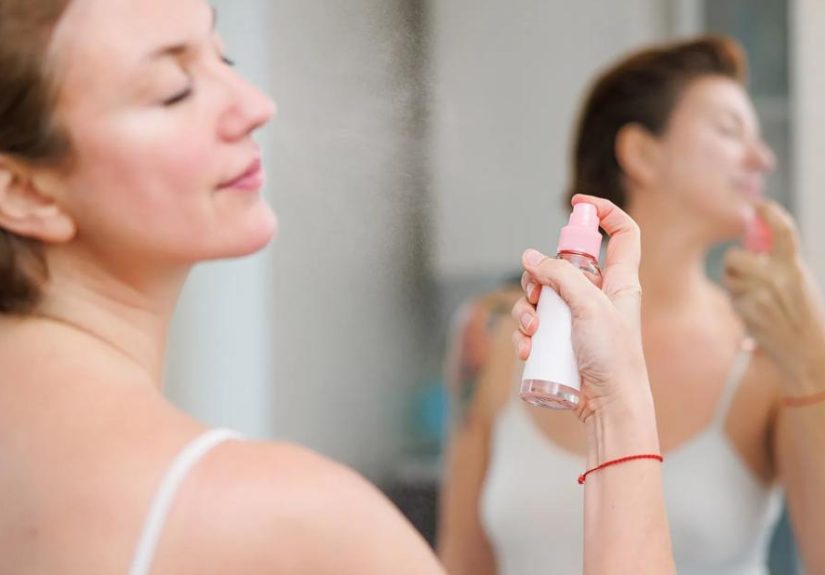
You can apply toner with clean hands, a cotton pad, or a gentle mist depending on the formula. More product is not better. Your face is not a houseplant. It does not need drenching.
If your toner contains active ingredients, start with every other day or a few times a week. Give your skin time to respond. If it stays calm, you can gradually increase frequency. If your face starts burning, flaking, or looking personally betrayed, scale back.
And one more thing: if your toner contains alpha-hydroxy acids, sun protection matters. These ingredients can make your skin more sensitive to the sun, so daily sunscreen becomes even more important.
Common Toner Mistakes to Avoid
Using the Wrong Formula
A toner made for oily skin can be too aggressive for dry or sensitive skin. Match the product to your skin, not to a trendy label.
Overusing Exfoliating Toners
Daily acid toners sound impressive until your skin barrier files a complaint. Start slowly and do not combine too many strong actives at once.
Assuming Toner Is Required
It is not. Plenty of people have healthy skin without ever touching toner. If your current routine works, there is no rule that says you need to add one more bottle to your sink.
Skipping Moisturizer
Toner is not a substitute for moisturizer. Even oily skin usually benefits from hydration. Balanced skin often behaves better than stripped skin.
Real-World Experiences With Toner: What People Often Notice
One of the most common toner experiences starts with someone who has oily skin and low expectations. They buy a gentle toner mainly because their T-zone gets shiny by lunchtime and makeup seems to slide south by noon. After a few weeks, they may notice their skin feels cleaner after washing, less slick during the day, and a little smoother around the nose and forehead. The toner did not perform a miracle. It simply helped remove leftover residue and manage surface oil in a way their cleanser alone did not.
Another familiar experience comes from people with dry skin who were traumatized by older toners. They remember formulas that felt like liquid regret. Then they try a hydrating toner with ingredients aimed at moisture support and realize toner is not always the villain. Instead of sting and tightness, they get a softer, more comfortable feeling after cleansing. Their moisturizer spreads more easily, and their skin looks less dull by morning.
People with combination skin often have the most mixed relationship with toner. Their forehead may love it while their cheeks act like they were personally attacked. In those cases, some end up using toner only on oilier zones or only a few nights a week. That kind of flexibility is often what makes toner useful. It does not have to be all or nothing.
Then there is the breakout crowd. Some people notice that the right exfoliating toner helps keep clogged pores from turning into a full rebellion. Their skin looks a bit clearer, blackheads seem less obvious, and texture improves over time. But others discover the opposite: a toner that is too strong leaves them red, dry, and suddenly more broken out than before. That is usually the moment they learn a hard but valuable lesson: irritated skin is not the same as “working skin.”
Sensitive skin users often describe toner as something they approach like a suspicious text message. Carefully. Slowly. With backup plans. They tend to do best when they choose fragrance-free, simple formulas and patch test first. When the formula is gentle, some say toner helps calm their skin and makes the rest of the routine feel smoother. When the formula is wrong, the reaction is immediate, and the bottle is quietly exiled to the back of a drawer.
There is also the practical experience of people who like structure. For them, toner adds a small but satisfying step between cleansing and moisturizing. It makes the routine feel complete, helps products layer more smoothly, and gives them a moment to check in with their skin. That benefit is not dramatic, but it is real. Skin care is not just chemistry. It is also consistency.
The biggest shared experience, though, is this: toner tends to work best when expectations are realistic. Most people do not wake up after three uses with airbrushed skin and the confidence of a shampoo commercial. What they notice instead is gradual improvement. Less leftover grime. Better hydration. Smoother texture. A fresher feel. And sometimes, the pleasant surprise that a small, well-chosen step can make the rest of the routine work a little better.
Final Thoughts
So, what does toner do for your face? It can cleanse away lingering residue, help skin feel refreshed, manage oil, support hydration, and improve the look of texture and brightness. Those are real benefits, but they depend entirely on the formula you choose and how your skin responds to it.
The smartest way to think about toner is not as a universal must-have, but as a targeted tool. If your skin is oily, dull, or congestion-prone, toner may be a great addition. If your skin is sensitive, rosacea-prone, or already irritated, a minimalist routine may serve you better.
In skin care, more is not always more. Sometimes the best routine is the one that keeps your skin calm, comfortable, and protected. And if toner helps you get there, great. If not, your face will survive the heartbreak.







 Close
Close