
Table of Contents >> Show >> Hide
- What Does SE Mean in Shoes?
- What Makes a Shoe a Special Edition?
- Does SE Mean Limited Edition?
- Does SE Mean Better Quality?
- Common Examples of SE Shoes
- SE vs. Other Sneaker Abbreviations
- Are SE Shoes More Expensive?
- Are SE Shoes Good for Everyday Wear?
- How to Know If an SE Shoe Is Worth Buying
- How to Style SE Shoes
- How to Care for SE Shoes
- Real-Life Experiences: What Buying SE Shoes Actually Feels Like
- Conclusion
If you have ever browsed Nike, Jordan, adidas, or sneaker resale listings and wondered, “What does SE mean in shoes?” you are definitely not alone. Sneaker names can look like someone spilled alphabet soup across a product page: SE, OG, GS, PE, QS, SP, PRM, LE, and somehow everyone on sneaker forums acts like this is perfectly normal human communication.
The simple answer is this: SE usually means “Special Edition” in shoes. It is most commonly used to describe a sneaker release that has something different from the standard version. That difference might be a unique colorway, upgraded materials, a themed design, a holiday concept, a collaboration-inspired look, or a small detail that makes the pair feel more collectible.
But here is where things get interesting: SE does not always mean rare, expensive, limited, or better quality. It means “special” in the brand’s product language, not necessarily “sell your couch and buy it immediately.” Some SE shoes become collectible. Others sit on shelves, go on sale, and quietly live normal sneaker lives. This guide breaks down what SE means, how it compares with other sneaker abbreviations, whether SE shoes are worth buying, and how to shop smarter without needing a translator for your shoebox.
What Does SE Mean in Shoes?
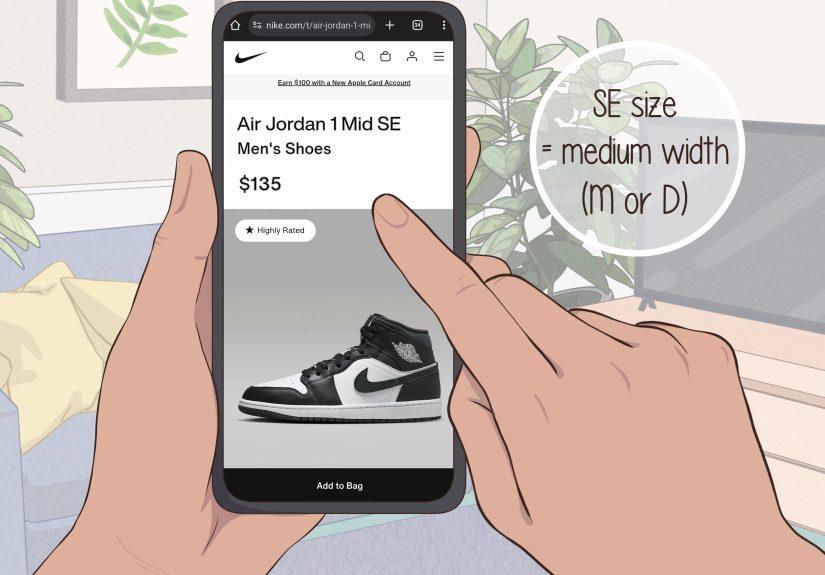
In footwear, SE stands for Special Edition. Brands use it when a shoe has design elements that separate it from the standard release. The term is especially common in Nike and Jordan products, such as Air Jordan 1 Mid SE, Air Jordan 1 Low SE, Nike Air Max 90 SE, and Nike Dunk Low SE.
A Special Edition shoe may include different materials, unusual color blocking, seasonal themes, commemorative details, reflective accents, special packaging, or design references to sports, culture, holidays, schools, cities, or athletes. Think of SE as the shoe world’s way of saying, “This pair has a little extra seasoning.” Sometimes that seasoning is premium leather and tasteful details. Sometimes it is neon panels, fuzzy tongues, and a theme that looks like it was brainstormed during a sugar rush. Both can still be SE.
What Makes a Shoe a Special Edition?
There is no single universal rulebook that says exactly what qualifies as an SE shoe. Each brand decides how to use the label. However, most Special Edition shoes share one or more of the following features.
1. Unique Colorways
The most common reason a sneaker gets the SE label is a special colorway. A regular shoe might come in black, white, navy, or gray. An SE version might arrive in Valentine’s Day pastels, university-inspired tones, metallic accents, desert camo, vintage sail, or a color combination that looks like it was designed by someone with three monitors and zero fear.
For example, Jordan SE releases often use colors linked to school pride, holidays, heritage stories, or lifestyle fashion. The shoe structure may be familiar, but the color story gives it a new personality.
2. Different Materials
Special Edition shoes sometimes feature materials that are not used on the basic model. These might include suede, patent leather, satin, canvas, chenille, mesh overlays, nubuck, denim, reflective panels, or textured synthetic materials.
This does not automatically mean the shoe is higher quality. A satin panel may look fancy, but it might also crease, stain, or require more careful cleaning than standard leather. In other words, “special” can mean “beautiful,” but it can also mean “please do not wear these in the rain unless you enjoy emotional damage.”
3. Themed Design Details
Many SE sneakers include a theme. The theme might celebrate a holiday, sport, city, athlete, cultural moment, or anniversary. This can show up through embroidery, custom logos, special insoles, hangtags, alternate laces, printed linings, or commemorative boxes.
A themed SE shoe often appeals to buyers who want more than a basic pair. It gives the sneaker a story, and in sneaker culture, a good story can matter almost as much as the shoe itself.
4. Special Packaging
Some Special Edition shoes come with custom boxes, tissue paper, extra laces, lace charms, hangtags, or collector-style packaging. Not every SE release includes these extras, but when it does, it can increase the feeling of exclusivity.
Collectors often care about packaging because a complete set can affect resale interest. For everyday wearers, the box may simply become another thing taking up closet space while pretending it is “part of the collection.” We have all been there.
Does SE Mean Limited Edition?
No, SE and Limited Edition are not always the same thing. This is one of the biggest misunderstandings in sneaker shopping.
An SE shoe is a Special Edition, meaning it has special design features. A Limited Edition shoe, often shortened as LE, usually suggests that the shoe was produced in smaller quantities or released for a restricted time. Some SE shoes are limited, but many are not. A Special Edition Jordan or Nike shoe may be available in large numbers at major retailers, while another SE release may sell out quickly because of hype, low supply, or a popular theme.
So, when you see SE in a shoe name, do not assume it is rare. Check the release details, retailer availability, price movement, and demand. In the sneaker world, three letters can create excitement, but they cannot rewrite supply and demand.
Does SE Mean Better Quality?
Sometimes, but not always. An SE sneaker may use better materials than the standard version, but the label itself does not guarantee premium construction.
Some Special Edition shoes include genuine leather, upgraded textiles, plush collars, metallic detailing, or refined finishes. Others simply feature a different colorway or theme on a familiar base model. The best way to judge quality is to read the product description, inspect close-up photos, check material notes, and look at trusted reviews when available.
If you are buying in person, touch the materials, check the stitching, flex the shoe gently, and look at the glue lines. If the shoe feels sturdy, comfortable, and well-finished, that matters more than the abbreviation. A shoe can say SE and still feel ordinary. Another shoe can skip the SE label and feel fantastic. Sneaker logic enjoys keeping us humble.
Common Examples of SE Shoes
Special Edition labeling appears often across basketball, lifestyle, running-inspired, and casual sneaker categories. Some common examples include:
- Air Jordan 1 Mid SE: A Jordan 1 Mid with special colors, materials, or seasonal details.
- Air Jordan 1 Low SE: A low-top Jordan with unique design touches, often tied to lifestyle themes.
- Nike Dunk Low SE: A Dunk release with a special color story, texture, or concept.
- Nike Air Max 90 SE: A classic Air Max silhouette updated with special materials or design accents.
- Kids’ Jordan SE shoes: Youth models that may feature playful themes, easy-on designs, or special boxes.
The key point is that SE usually modifies an existing model. It does not always mean a completely new silhouette. Most of the time, you are looking at a familiar shoe with a special twist.
SE vs. Other Sneaker Abbreviations
To understand SE better, it helps to compare it with other common sneaker terms. Sneaker abbreviations can be confusing, but once you learn the basics, product names become much easier to decode.
SE vs. OG
OG usually means “Original.” In sneakers, it often refers to an original colorway, original branding, or a design that closely follows the first version of a shoe. For example, an Air Jordan colorway worn by Michael Jordan during his playing days may be described as OG.
SE, on the other hand, means Special Edition. It may be inspired by something new, seasonal, or experimental rather than the original release.
SE vs. PE
PE can mean Player Edition or Player Exclusive. These shoes are associated with athletes and may be designed for a specific player. Some PE shoes are released to the public, while true Player Exclusives may never be sold at retail.
An SE shoe is usually more accessible than a true PE. It may have a special theme, but it is not necessarily made for one athlete.
SE vs. LE
LE means Limited Edition. It focuses on limited availability. SE focuses on special design. A shoe can be both SE and limited, but one does not automatically guarantee the other.
SE vs. PRM
PRM usually means Premium. It suggests upgraded materials or a more refined build. SE may include premium materials, but it can also be special because of color, theme, or packaging. PRM is more about material quality; SE is more about distinctiveness.
SE vs. GS
GS means Grade School, referring to youth sizing. A shoe can be both GS and SE, meaning it is a Special Edition model made in grade school sizes.
Are SE Shoes More Expensive?
SE shoes can be more expensive than standard versions, but not always. The retail price depends on the brand, model, materials, production cost, demand, and release strategy.
A Special Edition Jordan may cost more if it uses upgraded materials, includes extra accessories, or belongs to a hyped release. However, some SE shoes are priced close to regular models. Others may even hit sale racks if demand is lower than expected.
On the resale market, price depends less on the SE label and more on popularity. A widely available SE sneaker may resell below retail. A highly desired SE colorway with strong storytelling and limited supply may climb in value. The abbreviation opens the door, but hype, scarcity, condition, size, and timing decide the price.
Are SE Shoes Good for Everyday Wear?
Yes, many SE shoes are great for everyday wear. In fact, some Special Edition sneakers are designed primarily as lifestyle shoes. They can add personality to casual outfits without requiring you to dress like you are walking into a sneaker convention with a fog machine.
However, comfort depends on the base model. An Air Jordan 1 Mid SE will usually feel like an Air Jordan 1 Mid. A Nike Air Max 90 SE will generally feel like an Air Max 90. The SE label changes the design details, not necessarily the cushioning system, fit, or support.
If comfort is your priority, focus on the silhouette first. Read reviews about sizing, arch support, weight, breathability, and break-in time. Then decide whether the SE colorway or material upgrade is worth it.
How to Know If an SE Shoe Is Worth Buying
Before buying SE shoes, ask yourself a few practical questions.
Do You Like the Shoe Without the Hype?
If the answer is yes, that is a strong sign. Trends come and go, but your own taste has to live with the shoe after the internet moves on.
Are the Materials Right for Your Lifestyle?
Suede, satin, and light-colored leather can look amazing, but they may require extra care. If you walk a lot, commute daily, or live somewhere rainy, choose materials that can survive real life.
Is the Price Reasonable?
Compare the SE shoe with the standard version. If the price difference is small and you love the design, it may be worth it. If the markup is huge, make sure the materials, rarity, or personal value justify the cost.
Will You Actually Wear Them?
This is the most important question. A sneaker that stays in the box forever is not a shoe; it is a tiny real estate investment with laces. If you are a collector, that may be fine. If you are buying for style, comfort, or daily use, choose a pair you will enjoy wearing.
How to Style SE Shoes
Because SE sneakers often have bold colors or special textures, the easiest styling method is balance. Let the shoes be the loudest part of the outfit. Pair colorful SE shoes with simple jeans, neutral joggers, plain tees, hoodies, or clean outerwear.
If the shoes have a theme, you can echo one color from the sneaker in your shirt, cap, or jacket. Avoid matching every color exactly unless your goal is to look like a sneaker display mannequin who gained consciousness.
For leather or satin SE shoes, try elevated casual outfits: straight-leg denim, chinos, varsity jackets, bomber jackets, or minimalist sweatshirts. For rugged canvas or outdoor-inspired SE designs, cargos, workwear pants, and relaxed layers work well.
How to Care for SE Shoes
Special Edition shoes may require special care, especially if they use delicate materials. Always check the material before cleaning.
- Leather: Use a soft brush or microfiber cloth with gentle sneaker cleaner.
- Suede or nubuck: Use a suede brush and avoid soaking the material.
- Satin or fabric: Spot clean carefully and avoid harsh scrubbing.
- Reflective or printed panels: Wipe gently to avoid damaging surface details.
- White midsoles: Clean regularly so dirt does not settle in permanently.
If your SE shoes came with special packaging, keep the box, extra laces, tags, and paper if you care about resale or collecting. Complete packaging can make a difference to collectors.
Real-Life Experiences: What Buying SE Shoes Actually Feels Like
Buying SE shoes is a little different from buying a plain everyday sneaker. With a standard pair, the decision is usually practical: Does it fit? Is it comfortable? Will it match most outfits? With an SE pair, emotion sneaks into the room wearing limited-release socks. Suddenly, you are not just buying shoes. You are buying a story, a colorway, a detail, and possibly the feeling that future you will be cooler by Thursday.
One common experience is the “love at first scroll” moment. You are browsing online, expecting nothing dramatic, and then a Special Edition pair appears with a color combination you did not know you needed. Maybe it has university colors, metallic details, a vintage midsole, or a holiday theme that somehow works. You open the product page, zoom in on every angle, check the materials, then pretend you are “just looking” while already calculating shipping.
Another experience is the sizing dilemma. SE shoes are often built on familiar models, but materials can change the fit slightly. A leather version may feel structured. A canvas version may feel lighter. A padded collar may feel snug at first. Many buyers learn to check reviews because the letters SE do not magically guarantee comfort. A beautiful shoe that pinches your toes is still a foot prison with branding.
There is also the question of whether to wear them immediately or save them. Some people unbox SE shoes and put them straight on. Others stare at them for three weeks like museum pieces. Both reactions are normal. Special Edition sneakers can feel more personal than regular releases, especially when the design connects to a memory, favorite team, school color, city, holiday, or athlete.
In everyday use, the best SE shoes are the ones that make simple outfits better. A clean pair of jeans and a white tee can suddenly look intentional when the shoes have standout details. The same pair can also start conversations. Someone may ask, “Are those special edition?” and you get to explain the design without sounding like you have been waiting your whole life for this exact moment, even though you absolutely have.
Not every SE purchase is perfect. Sometimes the materials are harder to clean than expected. Sometimes photos look better than the shoe in person. Sometimes the resale hype fades faster than a white outsole on a rainy sidewalk. That is why the smartest approach is to buy SE shoes because you genuinely like them, not because the abbreviation sounds important.
The most satisfying SE experience happens when the shoe fits your style, feels comfortable enough to wear, and still has enough personality to make you smile when you look down. That is the real value of Special Edition sneakers. They do not need to be the rarest pair in the room. They just need to feel special to you.
Conclusion
So, what does SE mean in shoes? SE means Special Edition. It is a label used for sneakers that have something different from the standard version, such as unique colors, special materials, themed details, commemorative touches, or exclusive-looking design elements.
However, SE does not automatically mean limited, premium, rare, or expensive. Some SE shoes are highly collectible, while others are simply stylish variations of popular models. The smartest way to shop is to look beyond the abbreviation. Check the materials, comfort, price, availability, and whether the design fits your personal style.
In the end, SE shoes are worth buying when they give you something extra that you actually care about. Maybe that is a better colorway, a fun story, a premium detail, or just the joy of wearing sneakers that do not look exactly like everyone else’s. And honestly, in a world full of plain white shoes, a little special edition energy never hurt anybody.







 Close
Close