
Table of Contents >> Show >> Hide
- The Golden Rules of Cleaning Shoes
- How to Clean Sneakers
- How to Clean Running Shoes
- How to Clean Leather Shoes
- How to Clean Suede Shoes
- How to Clean Nubuck Shoes
- How to Clean Canvas Shoes
- How to Clean White Shoes
- How to Clean Boots
- How to Clean Sheepskin and UGG-Style Boots
- How to Clean Sandals and Flip-Flops
- How to Clean Rubber Shoes, Clogs, and Crocs-Style Footwear
- How to Clean Wool and Knit Shoes
- Can You Put Shoes in the Washing Machine?
- How to Deodorize Shoes
- Common Shoe-Cleaning Mistakes to Avoid
- A Simple Shoe-Cleaning Kit Worth Keeping at Home
- Real-Life Experience: What Actually Works When Cleaning Every Type of Shoe
- Conclusion
- SEO Tags
Shoes live a dramatic life. They brave sidewalks, office carpets, muddy parks, grocery-store mystery puddles, gym floors, airport terminals, and the occasional coffee spill that feels personal. Sooner or later, even the most polished pair starts looking like it has been on a survival reality show. The good news? Learning how to clean all types of shoes is not complicated once you stop treating every pair like it is made from the same material.
The biggest expert-approved rule is simple: clean shoes according to what they are made of, not according to how annoyed you are by the stain. Leather wants gentle moisture and conditioning. Suede wants patience and a brush. Canvas can handle more scrubbing. Athletic shoes need dirt removed from mesh, midsoles, laces, and insoles. Sheepskin boots need air drying and very little drama. Rubber clogs and sandals are the low-maintenance friends of the shoe world, but even they have limits.
This guide breaks down how to clean sneakers, leather shoes, suede shoes, canvas shoes, running shoes, sandals, boots, white shoes, and more. You will also learn what not to do, because sometimes shoe care is less about heroic scrubbing and more about not putting expensive footwear into a hot dryer like a tiny laundry-based tragedy.
The Golden Rules of Cleaning Shoes
Before reaching for soap, vinegar, baking soda, or a toothbrush that has officially retired from dental duty, start with a few universal rules. These steps apply to nearly every shoe type and help prevent damage.
1. Remove loose dirt first
Never begin with water if your shoes are covered in dry dirt or mud. Use a soft brush, old toothbrush, microfiber cloth, or towel to remove surface debris. If the mud is wet, let it dry first, especially on suede and nubuck. Scrubbing wet mud usually spreads the mess and pushes dirt deeper into the material.
2. Take out the laces and insoles
Laces trap grime, and insoles hold odor. Remove both before cleaning whenever possible. Laces can usually be soaked in warm, soapy water, gently rubbed, rinsed, and air-dried. Insoles should be cleaned more carefully because foam, gel, cork, leather, and fabric linings respond differently to water.
3. Use mild cleaners
For many everyday shoes, a small amount of mild dish soap or gentle laundry detergent mixed with warm water is enough. Avoid harsh bleach, strong solvents, and mystery cleaners from the back of the cabinet. Shoes are not countertops. They have feelings, adhesives, dyes, stitching, coatings, and sometimes delicate finishes.
4. Never use high heat
Heat can shrink fabric, warp rubber, dry out leather, weaken glue, and turn a perfectly decent sneaker into modern art. Air drying is almost always safest. Stuff shoes with paper towels, white cloths, or newspaper to help them keep their shape and absorb moisture. Keep them away from radiators, direct sunlight, hair dryers, and dryers unless the brand specifically says otherwise.
How to Clean Sneakers
Sneakers are usually the easiest everyday shoes to clean, but the method depends on the upper material. Mesh, knit, leather, suede, canvas, and synthetic sneakers all behave differently. Start by knocking the soles together outside to shake off loose dirt. Then brush the upper gently and clean the outsole separately.
For general sneaker cleaning, mix warm water with a few drops of mild detergent. Dip a soft brush or cloth into the solution and work in small sections. Scrub the upper gently, wipe away dirty foam with a microfiber towel, and repeat as needed. Use a toothbrush for seams, eyelets, and the area where the upper meets the sole. Clean rubber midsoles with a damp cloth, sneaker eraser, or baking soda paste for stubborn marks.
Do not soak sneakers unless the care label says they can handle it. Too much water can weaken adhesives and affect cushioning. After cleaning, stuff the shoes with paper towels and let them air-dry for at least 24 hours. Do not wear them while damp unless you enjoy squishy socks and questionable life choices.
How to Clean Running Shoes
Running shoes deserve special treatment because they are built for performance, not just style. The foam midsoles, technical mesh, reflective details, and glued components can be damaged by aggressive washing. Remove laces and insoles first. Brush away dried mud from the outsole, then use a toothpick or small brush to remove pebbles stuck in the tread.
Clean the upper with a damp cloth or soft brush dipped in mild soapy water. Use gentle circular motions on mesh and knit areas. For midsoles and outsoles, you can scrub a little more firmly because rubber and foam usually hold dirt more visibly. Wipe everything with a clean damp cloth to remove soap residue.
Let running shoes dry naturally in a well-ventilated space. Avoid the washing machine for high-performance running shoes unless the manufacturer specifically allows it. Even when shoes survive the wash, repeated machine cycles may shorten their lifespan. Your running shoes already work hard. Do not make them do spin class too.
How to Clean Leather Shoes
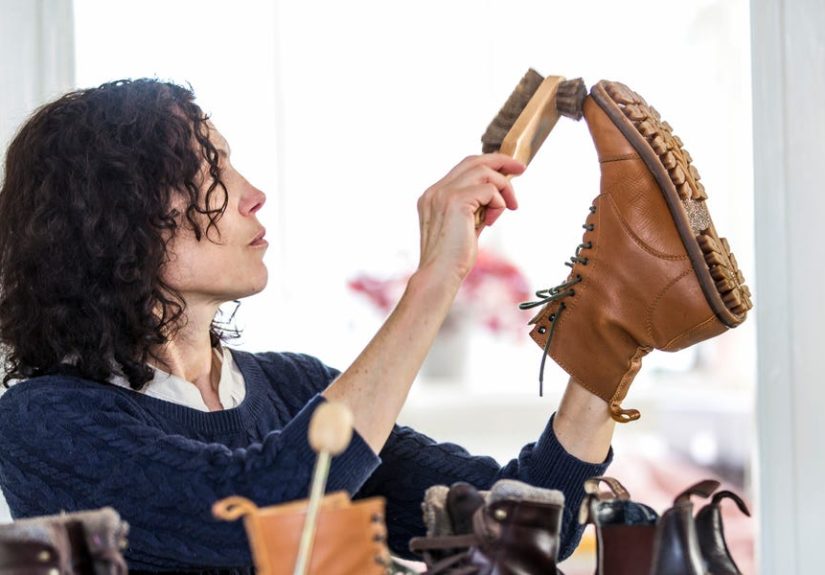
Leather shoes need cleaning and conditioning. Think of leather like skin: it can dry, crack, stain, and lose its finish if treated harshly. Start by removing dust and dirt with a soft cloth or horsehair brush. If the shoes have laces, remove them before applying cleaners or polish.
For light cleaning, use a damp microfiber cloth and a small amount of mild soap or leather cleaner. Wipe gently rather than soaking the leather. For scuffs, use leather cream, shoe polish, or a small amount of baking soda paste applied with a soft cloth. Always test any cleaner on a hidden spot first.
After cleaning, wipe away residue and let the shoes dry at room temperature. Once dry, apply leather conditioner to restore flexibility and shine. Finish with polish or protective spray if appropriate. Avoid bleach, soaking, and direct heat. Leather shoes may look tough, but they can be surprisingly dramatic when mistreated.
How to Clean Suede Shoes
Suede is beautiful, soft, and just a little high-maintenance. The first rule of cleaning suede shoes is to keep water to a minimum. Water can create stains, flatten the nap, and leave marks if used carelessly. Let dirt or mud dry completely before cleaning.
Use a suede brush to remove loose debris. Brush in the direction of the nap for general cleaning. For stubborn scuffs, use short back-and-forth strokes to lift the fibers. A suede eraser or clean pencil eraser can help remove dry marks. For oily stains, sprinkle cornstarch on the area and let it sit for several hours before brushing it away.
If a stain remains, lightly dab it with a cloth barely dampened with white vinegar or rubbing alcohol. Do not drench the shoe. Let the suede dry completely, then brush again to restore texture. For expensive suede shoes, serious stains are best handled by a professional. Suede is not where you discover your inner mad scientist.
How to Clean Nubuck Shoes
Nubuck is often confused with suede, but it is made from the outer side of leather and has a fine, velvety surface. It should be cleaned with similar caution. Use a nubuck brush or suede brush to lift dirt and restore texture. For scuffs, use a nubuck eraser or cleaning bar.
Avoid soaking nubuck. If you use a specialty nubuck cleaner, apply it evenly and follow the product instructions. Spot-cleaning only one area can sometimes create uneven color, so many experts recommend cleaning the whole shoe or boot panel for a more consistent finish. Let nubuck dry naturally and brush it again once dry.
How to Clean Canvas Shoes
Canvas shoes are more forgiving than suede or leather, which is why they are beloved by students, skaters, travelers, and people who say “I’ll just wipe them later” and then do not. Remove laces and insoles. Brush off dry dirt, then mix warm water with mild detergent.
Use a toothbrush or soft brush to scrub the canvas gently. Focus on stained areas, the toe box, and the tongue. Wipe with a clean damp cloth to remove soap. For white canvas shoes, a paste of baking soda and water can help lift discoloration. Some people use diluted vinegar or hydrogen peroxide on white canvas, but always spot-test first and avoid colored fabric unless you want surprise tie-dye.
Air-dry canvas shoes with paper towels inside to help maintain shape. Avoid high heat, which can shrink fabric and loosen glue. Machine washing may be possible for some canvas shoes, but hand washing is safer and gives you more control.
How to Clean White Shoes
White shoes are not just shoes. They are a commitment, a lifestyle, and occasionally a trap. The cleaning method depends on the material. White leather can be cleaned with a damp cloth, mild soap, and a leather-safe cleaner. A baking soda paste can help with stubborn scuffs, followed by a clean damp wipe and leather conditioner.
White canvas or mesh shoes can usually handle mild detergent and gentle brushing. For rubber soles, a sneaker eraser or damp melamine sponge can remove gray marks. Use light pressure because abrasive sponges can dull finishes if you scrub like you are sanding furniture.
White suede needs the gentlest approach. Brush dry dirt away, use an eraser for marks, and avoid heavy water. A small amount of white vinegar on a cloth can help with some stains, but use sparingly. The goal with white shoes is regular maintenance, not waiting until they look like they walked through a barbecue pit.
How to Clean Boots
Boot cleaning depends on whether the boots are leather, suede, nubuck, rubber, hiking, work, or winter boots. Start by brushing off dirt from the upper and outsole. Remove laces so you can clean the tongue and eyelets.
For leather boots, use a damp cloth with mild soap or leather cleaner. Clean evenly, wipe dry, and let the boots air-dry overnight. Apply conditioner afterward to prevent cracking. For suede or nubuck boots, use a brush and eraser first, then specialty cleaner only if needed.
For salt stains, mix equal parts white vinegar and water. Dampen a cloth, gently wipe the stained area, then wipe again with clean water. On leather, follow with conditioner after the boots dry. Salt can dry out materials, so treat stains quickly rather than letting them settle in like unwanted houseguests.
How to Clean Sheepskin and UGG-Style Boots
Sheepskin boots require careful cleaning because the material can be damaged by heat, too much water, and rough scrubbing. Brush the surface gently with a suede or nubuck brush to remove loose dirt. If the boots need deeper cleaning, use a sheepskin-approved cleaner and apply it evenly with a damp sponge.
Do not soak sheepskin boots. After cleaning, blot excess moisture with a towel and stuff the boots to help them hold their shape. Let them dry naturally for at least 24 hours in a cool, ventilated area. Avoid direct sunlight and heat. Once dry, brush the nap in one direction to restore softness.
How to Clean Sandals and Flip-Flops
Sandals collect sweat, dust, sunscreen, and the general evidence of summer fun. For rubber, EVA, or synthetic sandals, clean with lukewarm water, mild soap, and a soft brush. Rinse well and air-dry. For odor, sprinkle baking soda on the footbed, let it sit, then brush it off.
Leather sandals need a lighter touch. Wipe with a damp cloth and use leather cleaner if needed. Avoid soaking leather footbeds because water can warp or darken them. Cork footbeds should be cleaned with a barely damp cloth or brand-approved cleaner, then dried away from heat.
For sandals with fabric straps, scrub gently with mild soapy water and rinse with a damp cloth. Let them dry fully before wearing. Damp sandals can create odor quickly, and nobody wants footwear that announces your arrival before you do.
How to Clean Rubber Shoes, Clogs, and Crocs-Style Footwear
Rubber and molded clogs are among the easiest shoes to clean. Use cold or lukewarm water, mild soap, and a cloth or soft brush. Rinse and air-dry. Avoid hot water, dishwashers, dryers, and direct heat, which can warp or shrink molded shoes.
For scuffs, use a damp cloth, rubber-safe cleaner, or gentle sponge. If the shoes have fleece or fabric lining, spot-clean the lining with mild soap and a damp cloth, then let it air-dry completely. Rubber shoes may be tough, but heat can still turn them into something that looks like it escaped a science fair.
How to Clean Wool and Knit Shoes
Some wool and knit shoes are machine-washable, but never assume. Check the brand’s care instructions first. If machine washing is allowed, remove laces and insoles, place the shoes in a mesh laundry bag, use cold water, mild detergent, and a gentle cycle. Air-dry only.
For hand cleaning, use a damp cloth or soft brush with mild soapy water. Avoid aggressive scrubbing because knit fibers can pill or stretch. Clean insoles separately and let everything dry completely before reassembling.
Can You Put Shoes in the Washing Machine?
Sometimes, yes. Often, no. Canvas, mesh, cotton, polyester, and some knit sneakers may be machine-washable if the manufacturer allows it. Leather, suede, nubuck, wool-lined boots, embellished shoes, dress shoes, and performance shoes are usually better cleaned by hand.
If you machine-wash shoes, remove laces and insoles first. Place shoes and laces in separate mesh bags. Add towels to balance the washer. Use cold water, mild detergent, and a gentle cycle. Never use hot water. After washing, reshape the shoes and air-dry them. Skip the dryer unless the brand specifically says it is safe.
How to Deodorize Shoes
Clean shoes should smell clean too. If odor is the problem, start with the insoles. Remove them and let them air out. Sprinkle baking soda inside the shoes overnight, then shake or vacuum it out. Activated charcoal bags, cedar inserts, and dry newspaper can also absorb moisture and odor.
For washable insoles, clean with mild soap and water, rinse lightly, and air-dry. Do not put wet insoles back into shoes. To prevent odor, rotate your shoes, wear clean breathable socks, and let shoes dry fully between wears. Moisture is the real villain here. Odor is just its rude sidekick.
Common Shoe-Cleaning Mistakes to Avoid
Using too much water
More water does not mean cleaner shoes. It can soak glue, stain suede, warp leather, and trap moisture inside cushioning.
Scrubbing too hard
Aggressive scrubbing can fray mesh, flatten suede, scratch leather, and remove color. Start gently and increase pressure only when the material can handle it.
Skipping the spot test
Always test cleaners on a hidden area first. Dyes, finishes, and coatings vary widely, even between shoes that look similar.
Drying with heat
Heat is one of the fastest ways to ruin shoes. Air drying may take longer, but it protects shape, glue, fabric, leather, and rubber.
A Simple Shoe-Cleaning Kit Worth Keeping at Home
You do not need a luxury sneaker lab in your laundry room. A practical shoe-cleaning kit can include a soft brush, old toothbrush, microfiber cloths, mild detergent, leather cleaner, leather conditioner, suede brush, suede eraser, baking soda, white vinegar, paper towels, mesh laundry bags, and a protective spray suitable for your shoe materials.
Keep these items together, and shoe cleaning becomes a 20-minute task instead of a Saturday afternoon emotional event. The best time to clean shoes is before stains settle. A quick wipe after a muddy walk or rainy commute can save you from deep-cleaning later.
Real-Life Experience: What Actually Works When Cleaning Every Type of Shoe
After cleaning a lot of shoes, the biggest lesson is that patience beats power. The pairs that survive best are not the ones attacked with the strongest cleaner; they are the ones cleaned early, dried slowly, and treated according to material. A pair of canvas sneakers with dusty toes can look almost new after a mild soap scrub and a careful rinse. But if that same canvas pair gets tossed into hot water and dried near a heater, the rubber foxing may yellow, the glue may weaken, and the shape may look slightly tired forever.
Leather shoes respond beautifully to small, consistent care. Wiping them after rainy days and conditioning them once they are dry makes a bigger difference than emergency polishing after months of neglect. A scuffed leather loafer can often be revived with a soft cloth, leather cleaner, conditioner, and polish. The transformation is satisfying, like giving the shoes a tiny spa day without cucumber water.
Suede teaches humility. The first instinct is always to add water, but suede rewards restraint. A dry brush, an eraser, and slow work can remove more than expected. When suede gets muddy, waiting for the mud to dry feels wrong, but it works. Wet mud smears; dry mud lifts. If a stain remains, a careful touch of vinegar or rubbing alcohol on a cloth can help, but the word “careful” is doing a lot of work here.
Running shoes are another category where moderation matters. They may look rugged, but the cushioning and technical uppers can suffer from repeated machine washing. Hand cleaning the outsole, wiping the mesh, and removing odor from the insoles usually solves most problems. If the shoes still smell after cleaning, the issue is often moisture, not dirt. Letting shoes dry fully between wears and rotating pairs can prevent that locker-room aroma from becoming a permanent resident.
White shoes require routine maintenance. Waiting until they are gray, beige, and emotionally distant makes the job harder. A quick wipe after wearing, occasional sole cleaning, and prompt stain treatment keep them bright. The same goes for sandals and clogs: rinse away salt, sweat, and dust before they build up. Rubber sandals are forgiving, but footbeds can hold odor if they stay damp.
The best practical habit is to create a small shoe-cleaning station. Keep a brush, cloth, gentle soap, and paper towels near the door or laundry area. When shoes are cleaned before grime settles, the process is fast. When they are ignored for months, cleaning becomes archaeology. You begin uncovering layers: dirt, old dirt, mystery stain, forgotten concert, and possibly the summer of questionable decisions.
Experts may recommend different products for different materials, but the shared wisdom is consistent: remove dirt first, use mild cleaners, avoid heat, protect delicate finishes, and let shoes dry completely. Clean shoes do not just look better. They last longer, smell fresher, and make your whole outfit seem more intentional. Even jeans and a T-shirt look sharper when your shoes are not quietly begging for help.
Conclusion
Cleaning shoes well is not about using one miracle product on every pair. It is about understanding materials. Sneakers need gentle scrubbing and air drying. Leather needs cleaning plus conditioning. Suede and nubuck need dry brushing and minimal moisture. Canvas can handle more effort, but not harsh heat. Sandals, clogs, boots, wool shoes, and white shoes each have their own cleaning personalities.
When in doubt, start with the mildest method, test first, and let shoes dry naturally. Your shoes carry you everywhere. The least you can do is not cook them in the dryer.







 Close
Close