
Table of Contents >> Show >> Hide
- FAQ 1: What exactly are “shrooms”?
- FAQ 2: What’s the active ingredientand what does it do in the brain?
- FAQ 3: What do shrooms feel like?
- FAQ 4: How long do the effects last?
- FAQ 5: Are shrooms addictive?
- FAQ 6: What are the biggest risks and side effects?
- FAQ 7: What’s the difference between psilocybin mushrooms and Amanita muscaria?
- FAQ 8: Can shrooms show up on a drug test?
- FAQ 9: Are shrooms legal anywhere in the United States?
- FAQ 10: Why are doctors and scientists studying psilocybin?
- FAQ 11: If research is promising, why the warnings?
- FAQ 12: Who should avoid psilocybin entirely?
- FAQ 13: What should you do if someone is having a bad reaction or ate an unknown mushroom?
- FAQ 14: Are “microdoses” safer?
- FAQ 15: Why are people suddenly talking about shrooms everywhere?
- Conclusion
- Experiences: What People Report (In Research and Real Life)Without the Hype
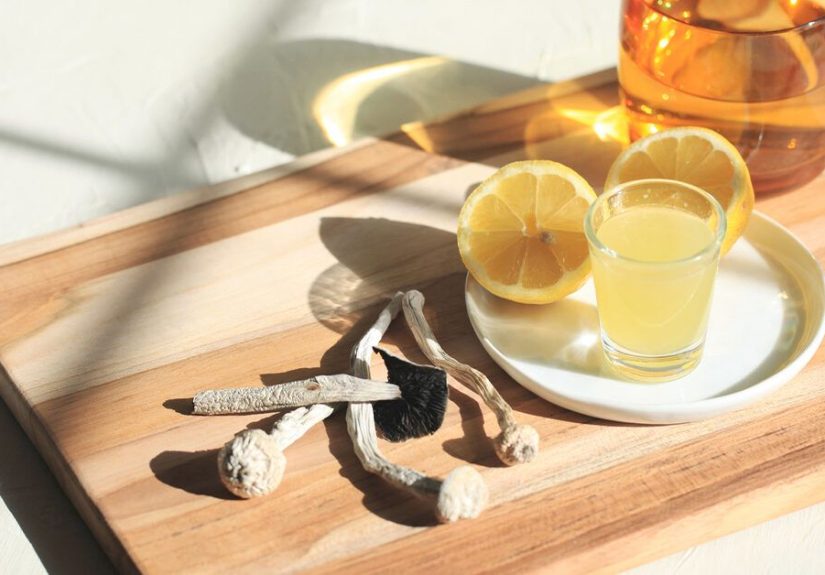
“Shrooms” is the nickname people use for certain mushrooms that contain psilocybin, a naturally occurring psychedelic compound.
If you’ve heard them called magic mushrooms, that’s the same thingjust a more dramatic title, like a superhero movie for fungi.
Before we go further: psilocybin is still illegal under U.S. federal law, and the health risks can be seriousespecially for teens and for anyone with certain
mental health conditions. This article is for education and safety, not for helping anyone use or get these substances.
If someone has eaten an unknown mushroom (wild or otherwise) or is having a dangerous reaction, contact Poison Control (1-800-222-1222) right away
or call 911 for severe symptoms.
FAQ 1: What exactly are “shrooms”?
“Shrooms” typically refers to mushrooms that contain psilocybin and/or psilocin. These compounds can change perception, mood, and thinking.
In research settings, psilocybin is studied for potential therapeutic uses (like depression, addiction, and end-of-life distress), but it’s also associated with
risks such as panic, paranoia, dangerous behavior during intoxication, and lasting psychological distress in some cases.
Shrooms vs. “psychedelic mushrooms” vs. “hallucinogenic mushrooms”
People use these phrases loosely, which is where confusion starts doing cartwheels.
“Magic mushrooms” generally means psilocybin-containing mushrooms. But not all mushrooms that affect the brain contain psilocybin,
and not all mushrooms that look similar are safe.
FAQ 2: What’s the active ingredientand what does it do in the brain?
Psilocybin is converted in the body to psilocin, which interacts strongly with serotonin receptors (especially 5-HT2A). Serotonin is involved in mood,
perception, and many other functionsso when that signaling is altered, people can experience changes in sensory processing, time perception, emotions,
and thought patterns.
Researchers are still mapping out the full story. One big theme: psychedelics can temporarily disrupt typical brain network activity and connectivity patterns,
which may help explain why some people report “new perspectives” or emotional breakthroughswhile others experience fear, confusion, or distress.
FAQ 3: What do shrooms feel like?
Effects vary a lot person-to-person. In general educational summaries, people report:
- Perceptual changes (visual or auditory distortions, altered sense of time)
- Emotional shifts (intensified feelings, rapid mood changes)
- Thought changes (unusual associations, feeling introspective, difficulty focusing)
- Body effects (nausea, dizziness, increased heart rate, sweating)
“Feel like” is doing a lot of work here, because effects are shaped by dose, individual biology, expectations, environment, stress level, and mental health history.
That unpredictability is one reason medical experts warn against casual, unsupervised useespecially for adolescents.
FAQ 4: How long do the effects last?
In general descriptions from public health sources, the main psychoactive effects often begin within about an hour and may last several hours,
with some after-effects (fatigue, mood changes, “afterglow,” or uneasiness) sometimes lingering longer. Duration depends on many variables, so there’s no
universal timer you can set like a microwave.
FAQ 5: Are shrooms addictive?
Psilocybin is not typically described as causing the same kind of compulsive use pattern seen with substances like nicotine or opioids.
That said, “not classically addictive” does not mean “risk-free.” People can still make harmful decisions while intoxicated, and some individuals
may chase intense experiences or use psychedelics in unsafe ways.
FAQ 6: What are the biggest risks and side effects?
The risks can be physical, psychological, and situational (meaning: what happens around you matters too).
Here are the major categories, with plain-English examples.
1) Acute anxiety, panic, paranoia, and confusion
Some people experience intense fear or agitation. In the moment, that can lead to unsafe behaviorrunning into traffic, falling, or interacting with other substances.
“Bad trip” is the casual phrase, but the consequences are not casual.
2) Worsening mental health in vulnerable people
Psychedelics can trigger or worsen symptoms in people with certain psychiatric vulnerabilities, including a personal or family history of psychosis or bipolar disorder.
This is one reason clinical trials carefully screen participants and provide professional monitoring.
3) Nausea and other body effects
Nausea is commonly reported. Other possible effects include increased heart rate, elevated blood pressure, dizziness, and headache.
People with heart problems or certain medical conditions may be at higher risk of complications.
4) Dangerous mix-ups with toxic mushrooms
This is the risk that doesn’t get enough attention on social media: mushroom identification mistakes can be deadly.
Toxic species (like death cap mushrooms) can cause severe organ damage and even death. Cooking or drying does not reliably “fix” the toxins in some dangerous mushrooms.
5) Lasting negative psychological effects (in some cases)
While many reports focus on positive outcomes, research also documents cases where people describe persistent anxiety, distress, or other negative outcomes after psychedelic use.
The internet loves a miracle story. Real life includes footnotes.
FAQ 7: What’s the difference between psilocybin mushrooms and Amanita muscaria?
Great question, because the internet often mixes them up like it’s making a smoothie.
Psilocybin mushrooms contain psilocybin/psilocin. Amanita muscaria (the classic red cap with white spots) has different active compounds
(not psilocybin), and its effects, risks, and toxicity profile are not the same. “Mushrooms that do something to the brain” is not a single category.
Treating them as interchangeable is like saying a housecat and a tiger are both “just cats.”
FAQ 8: Can shrooms show up on a drug test?
Standard workplace drug panels often don’t test for psilocybin/psilocin. However, specialized tests exist, and policies vary.
Also, “it might not show up” is not a safety strategy. The bigger issues are legality, health risks, and the fact that products can be mislabeled or contaminated.
FAQ 9: Are shrooms legal anywhere in the United States?
Under U.S. federal law, psilocybin remains illegal. But some states and local jurisdictions have created exceptions or alternative approaches:
-
Oregon created a regulated “psilocybin services” framework with licensed service centers and trained facilitators, launching service centers starting in 2023.
This is not the same thing as general retail legalization. - Colorado has a regulated natural medicine program with licensing and oversight for certain psychedelic-related services as the program rolls out.
-
Some cities and counties have decriminalization policies that reduce enforcement priorities, but they do not necessarily make possession or sale “legal”
in the everyday senseand they don’t override federal law.
Laws are changing quickly, so anyone reading should verify current rules in their jurisdiction. Also: legality is not the same as safety.
FAQ 10: Why are doctors and scientists studying psilocybin?
Because early research has suggested potential benefits for certain conditionswhen administered in carefully controlled clinical settings.
Studies have explored psilocybin-assisted therapy for depression, anxiety (including cancer-related distress), and addiction (like smoking).
The emphasis is on structured support and monitoring, not casual use.
What “breakthrough therapy designation” means (and what it doesn’t)
The U.S. FDA has granted Breakthrough Therapy designation to certain psilocybin programs for depression-related indications.
This designation is meant to speed development and review for treatments that show promise in early evidence.
It does not mean psilocybin is approved for general use, and it does not guarantee a medication will be approved later.
FAQ 11: If research is promising, why the warnings?
Because context matters. Clinical research typically includes:
- Medical and psychiatric screening
- Professional monitoring during sessions
- Controlled dosing and known purity
- Supportive psychotherapy and follow-up
Outside these settings, risks can rise: unknown potency, contaminated or misidentified mushrooms, unsafe environments, no medical oversight, and no plan for emergencies.
Even in programs designed for supervised services, cost, access, and quality standards can be complicated in real life.
FAQ 12: Who should avoid psilocybin entirely?
Medical guidance differs by individual, but public health messaging and clinical research practices commonly flag higher-risk groups, including:
- Teens and young adults, because the brain is still developing and risks may be higher
- People with a personal or family history of psychosis or certain severe psychiatric disorders
- People with bipolar disorder or a history of manic episodes (risk of triggering mania)
- Those with serious heart conditions
- Anyone taking medications where interactions are a concern (only a clinician can advise safely)
FAQ 13: What should you do if someone is having a bad reaction or ate an unknown mushroom?
If there’s any chance someone ate a wild mushroomor a mushroom of unknown identitytreat it as potentially dangerous.
Call Poison Control at 1-800-222-1222 for immediate expert guidance.
Call 911 if the person collapses, has trouble breathing, has a seizure, can’t be awakened, or is behaving dangerously.
If possible, save a sample (or a photo) of the mushroom for identification, but don’t delay getting help.
Quick action can make a huge difference in poisonings.
FAQ 14: Are “microdoses” safer?
Microdosing is widely discussed online, but public health experts and clinicians stress that “smaller” doesn’t automatically mean “safe.”
Risks still include legality, product uncertainty, mental health impacts, and interactions with medications or underlying conditions.
Research is ongoing, and the strongest evidence to date tends to come from structured clinical contextsnot casual experimentation.
FAQ 15: Why are people suddenly talking about shrooms everywhere?
A few reasons:
- Growing scientific interest in psychedelic-assisted therapies
- Changing local/state policies in places like Oregon and Colorado
- A cultural wave that blends wellness marketing with big promises (sometimes bigger than the evidence)
- Social media “highlight reels” that underplay risks and overplay transformation
The healthiest mindset is balanced: acknowledge the research without turning it into a miracle story, and acknowledge the risks without turning it into hysteria.
Mushrooms are not magical moral objects. They’re bioactive substances with real effectsand real consequences.
Conclusion
Shrooms (psilocybin mushrooms) are a type of psychedelic that can significantly alter perception, emotion, and thinking.
Research in controlled settings suggests potential therapeutic benefits for certain conditions, but the risksespecially psychological distress,
medical complications, and toxic mushroom mix-upsare serious. Legal status is also complex: federal law still prohibits psilocybin, while a few states have created
limited, regulated programs or different enforcement approaches.
If someone eats an unknown mushroom or has a severe reaction, get help immediately: Poison Control (1-800-222-1222) or 911 for emergencies.
Experiences: What People Report (In Research and Real Life)Without the Hype
When people talk about “shroom experiences,” it’s tempting for the conversation to become either a comedy special (“I became one with my couch!”) or a superhero origin story
(“I unlocked my true self!”). Real reports are usually more nuancedand more human.
In clinical research, participants sometimes describe experiences that feel deeply meaningful: a sense of connection, intense emotion, revisiting memories,
or seeing personal problems from a different angle. Researchers often measure this with questionnaires about mood, anxiety, quality of life, and something called
“mystical-type” experiencebasically, the “this felt profound” factor. Not everyone has that kind of session, and not every profound session leads to lasting improvement,
but it’s one reason scientists are paying attention.
Just as important: research settings are designed to reduce panic and prevent harm. Participants are screened, monitored by trained staff, and supported
before and after. Even then, people can still feel anxious, overwhelmed, or emotionally raw during parts of the experience. That’s not a moral failing. It’s a predictable
possibility when a substance can amplify emotions and distort perception.
In the broader public, self-reported experiences range widely. Some people describe feeling calmer or more appreciative afterward, while others report lingering anxiety,
confusion, or regretespecially if the experience felt frightening or out of control. Negative outcomes don’t always make viral content, but they’re real enough that
researchers have published work specifically focusing on long-lasting adverse psychological reactions.
There’s also the category of “the experience wasn’t the biggest problemthe aftermath was.” That can mean legal trouble, conflict with family, unsafe behavior while impaired,
or the shock of realizing a substance didn’t deliver the promised “reset.” For teens, that risk is amplified: adolescent brains are still developing, and impulsive decisions
or intense distress can have ripple effects at school, at home, and in mental health.
Another “experience” people don’t plan for is the mushroom mix-up. Poison control centers regularly deal with exposures where someone ate wild mushrooms
thinking they were safe. These cases can start with nausea, vomiting, and diarrheasymptoms that might fadeonly for dangerous organ damage to emerge later with certain
toxins. This is the least glamorous possible plot twist, and it’s one reason health officials repeatedly warn against casual foraging and relying on non-expert identification.
Finally, there’s the reality of regulated programs. Places like Oregon and Colorado are building supervised service models, and early “real-world” implementation has
included practical challengescost, access, staffing, and consistencyalongside reports of some clients feeling helped. That’s what happens when something moves from
controlled trials into real systems: the results become messier, because life is messy.
The most responsible takeaway from “experiences” is not “everyone should try this” or “this is always dangerous.” It’s simpler:
psilocybin experiences can be powerful and unpredictable; they can feel meaningful or frightening; and the safest, most evidence-based use cases are still being defined
through careful research and regulated, supervised frameworksnot internet dares and not wellness folklore.






 Close
Close