
Table of Contents >> Show >> Hide
- The Myth of the Indestructible Healer
- Why Being Human Makes a Better Healer
- What Happens When We Forget the Human Inside the Healer
- Patients Benefit When Clinicians Are Allowed to Be Human
- What Health Systems Must Do Differently
- What Individual Healers Can Do Without Becoming Their Own Wellness Department
- Experience and Reflection: What This Looks Like in Real Life
- Conclusion
Medicine loves a hero story. We picture the clinician who never gets tired, never gets rattled, never misses lunch because lunch apparently is for civilians, and somehow offers flawless care while carrying a pager, three complicated cases, two family meetings, and one electronic chart that seems determined to become the main character. It is a dramatic image. It is also a terrible operating system for real life.
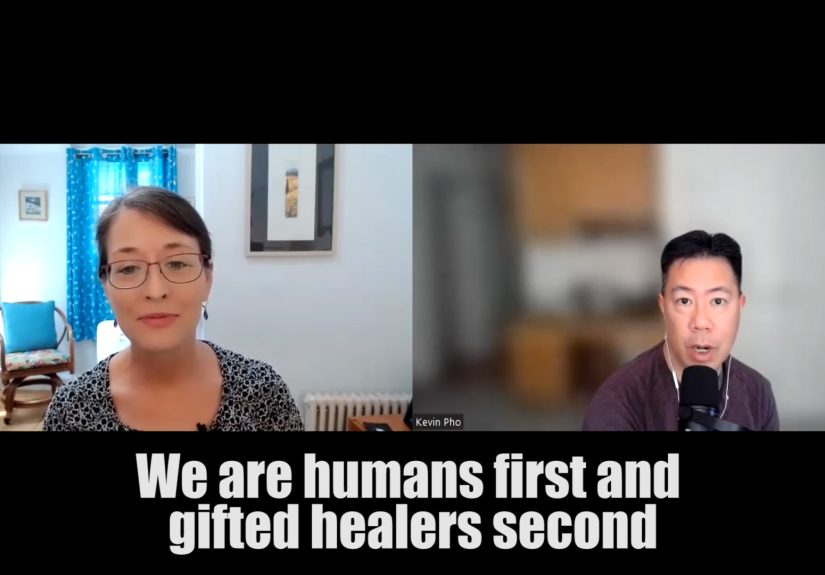
The truth is simpler, wiser, and far more useful: we are humans first and gifted healers second. That is not a downgrade. It is the foundation of safe, compassionate, patient-centered care. A healer who is allowed to be fully human is more present, more thoughtful, more emotionally available, and more capable of sustaining excellent work over time. A healer who is forced to pretend they are invincible eventually pays for that performance with exhaustion, detachment, cynicism, or silence. Patients often pay, too.
This is why the conversation around medical humanism, clinician burnout, healthcare empathy, and physician well-being matters so much. The point is not to make medicine soft. The point is to make medicine durable. Nobody benefits when the people entrusted with healing are expected to function like biological vending machines: insert patient, press expertise, receive perfect care, ignore emotional damage.
When we say, “We are humans first and gifted healers second,” we are not diminishing skill, discipline, or professional commitment. We are putting them in the right order. Humanity is not an obstacle to healing. It is the reason healing means anything at all.
The Myth of the Indestructible Healer
Every demanding profession has its myths, but healthcare has a particularly sticky one: the best clinicians are the ones who can absorb unlimited stress without complaint. They keep going. They do not need help. They do not need rest. They do not need to process grief. They certainly do not need boundaries, because boundaries are for people with hobbies, and apparently medicine has occasionally flirted with the idea that hobbies are an act of betrayal.
This myth is dangerous because it confuses sacrifice with excellence. It tells nurses, physicians, therapists, social workers, paramedics, aides, pharmacists, and trainees that the more invisible their needs become, the more admirable they are. Over time, that logic trains people to override basic human signals: fatigue, sadness, fear, frustration, loneliness, moral distress, and the need for recovery. The body keeps score. The mind does, too.
That is often where clinician burnout enters the room, not with a drumroll, but with a shrug. It can look like irritability that used to be patience, numbness that used to be compassion, or autopilot where curiosity used to live. It may show up as emotional exhaustion, reduced empathy, trouble sleeping, dread before a shift, or a growing sense that the work still matters but the worker no longer does. That is not weakness. That is what happens when the human being inside the healer has been ignored for too long.
Why this myth survives
The myth survives because healthcare workers are deeply conscientious. They want to help. They do not want to burden teammates. They are often surrounded by cultures that reward self-erasure with praise like “tough,” “reliable,” and “always available.” Add staffing shortages, documentation overload, scheduling chaos, and emotionally intense patient care, and you get an environment where people are asked to perform humanity-rich work under humanity-poor conditions.
And yet, no one would design a cardiac monitor that runs forever without maintenance. No one would trust a ventilator that never needs recalibration. But give a clinician a dozen hours of strain, three moral dilemmas, five interruptions, and a sandwich eaten over a keyboard, and suddenly we act surprised when they are not delivering poetry and precision by sunset. The stethoscope is not a cape. Scrubs are not emotional armor. A badge does not cancel biology.
Why Being Human Makes a Better Healer
The phrase humans first and gifted healers second is powerful because it protects what matters most in healthcare: connection. Patients do not merely need technical competence, though they absolutely need that. They also need presence, clarity, honesty, steadiness, and trust. Those qualities do not come from pretending to be a machine. They come from the deeply human capacities of empathy, emotional regulation, reflection, and communication.
A clinician who understands their own limits is often better at noticing the needs of others. A physician who knows fatigue changes attention is more careful with decisions. A nurse who recognizes compassion strain is more likely to pause, regroup, and return to the bedside with intention. A social worker who allows grief to be acknowledged instead of buried can remain open-hearted without becoming hollowed out. Self-awareness does not weaken professional care; it sharpens it.
Empathy is not fluff
In healthcare, empathy is sometimes treated like a lovely accessory, the emotional parsley on the plate after the “real” work is done. But empathy is not decorative. It is functional. It helps clinicians hear what patients are actually saying, including what they are too overwhelmed, embarrassed, or frightened to say directly. It improves conversations, supports trust, and strengthens the therapeutic relationship. In plain English: people are more likely to believe, follow, and benefit from care when they feel genuinely seen.
That does not mean clinicians must feel everything, all the time, with no filter. That is not empathy; that is emotional flooding with a nametag. Healthy empathy includes boundaries, perspective, and recovery. The goal is not to become endlessly absorbent. The goal is to stay meaningfully connected without drowning in every room you enter.
Humanity improves judgment
Good care is not only about knowledge. It is also about judgment under pressure. Judgment improves when the environment supports attention, teamwork, psychological safety, and enough rest for the brain to function like a brain instead of a toaster with unresolved trauma. The human side of healthcare is not separate from quality. It is one of the reasons quality is possible.
When caregivers are treated as whole people, they are more likely to speak up, ask questions, catch mistakes, collaborate well, and recover after hard cases. That matters in every setting, from emergency departments to hospice rooms, from labor and delivery to primary care, from academic medical centers to community clinics. The most reliable healer is not the person who never has needs. It is the person whose needs are acknowledged early enough that they can still do their best work.
What Happens When We Forget the Human Inside the Healer
When healthcare cultures forget that clinicians are humans first, the consequences are not abstract. They are practical, emotional, and organizational. Relationships thin out. Patience shortens. Documentation expands like a species of invasive ivy. Teams become more transactional. People stop asking for help because they assume everyone else is barely hanging on too. That is how a meaningful calling starts to feel like a relentless extraction industry.
Burnout is not laziness in sensible shoes
Burnout is often misunderstood as poor attitude, low grit, or some kind of motivational leak. It is none of those things. More often, it is what happens when chronic demands keep outrunning the resources, control, support, and time available to meet them. The problem is not that clinicians care too little. In many cases, the problem is that they have cared intensely for too long in systems that keep asking for more while giving less.
That is why telling clinicians to fix burnout exclusively with meditation apps, inspirational posters, or a yogurt in the break room feels absurd. Those things may help a little. They do not solve broken workflows, excessive cognitive load, poor staffing, punitive cultures, or impossible documentation demands. You cannot deep-breathe your way out of a structurally unhealthy work environment. A lavender candle has never redesigned a shift schedule.
Moral distress leaves a mark
There is also the issue of moral distress: the pain of knowing what good care requires but being blocked by time, policy, staffing, insurance barriers, technology friction, or institutional constraints. A clinician may know a family needs more explanation, a patient needs more listening, or a dying person needs more quiet dignity, but the clock, the system, or the screen keeps pushing the encounter along. That repeated misalignment between values and reality can wear people down in ways that ordinary tiredness cannot explain.
Eventually, some caregivers protect themselves by going emotionally flat. Others become perfectionistic, hypervigilant, or withdrawn. Some leave a unit. Some leave a profession. Some remain physically present but spiritually checked out. This is why physician well-being and caregiver resilience are not side topics. They are central to whether healthcare can stay humane at all.
Patients Benefit When Clinicians Are Allowed to Be Human
One of the strangest habits in healthcare culture is treating caregiver well-being and patient care as if they are competing interests. They are not. The patient does not win when the clinician is depleted, distracted, frightened to speak, or running on fumes and caffeine theology. Patients benefit when the people caring for them are supported enough to think clearly, listen carefully, and collaborate well.
Communication gets better
Human-centered clinicians tend to communicate more clearly because they are not spending every ounce of mental energy surviving the shift. They explain. They pause. They ask one extra question. They notice confusion in a family member’s face. They remember that a patient may hear only half of what is said after the word “biopsy.” Those moments matter. They shape trust, adherence, satisfaction, and memory.
Teamwork gets stronger
Healthcare is not solo artistry. It is ensemble work. The idea of the lone genius healer is overrated, usually exhausting, and often terrible for patient safety. Better care comes from teams that can communicate honestly, hand off clearly, debrief respectfully, and support one another when the emotional weather gets rough. That kind of team culture is easier to build when people are permitted to be human without being treated as unreliable.
A team where asking for help is normalized is safer than a team where everyone is quietly pretending to be fine. A unit where rest, support, and respectful behavior are expected is safer than one where fatigue is romanticized. A workplace where leaders remove unnecessary burdens is stronger than one where the burden is simply redistributed and renamed “resilience.”
What Health Systems Must Do Differently
If we truly believe we are humans first and gifted healers second, then healthcare organizations have to build systems that act like they believe it too. This is where the conversation gets practical. Not sentimental. Practical.
1. Stop worshiping unnecessary friction
Many clinicians are not tired only because care is hard. They are tired because care is hard plus the process around care is often absurd. Repetitive charting, poor interface design, duplicative clicks, inbox overload, and documentation demands that balloon far beyond what helps the patient create a constant drain on attention. Every unnecessary task steals time from care, teaching, teamwork, and recovery.
Health systems should aggressively remove low-value work. If a task does not improve safety, communication, care quality, or legal necessity in a meaningful way, it deserves scrutiny. A gifted healer should not spend the best hours of a sharp mind wrestling with bureaucratic compost.
2. Build cultures where asking for help is normal
Confidential mental-health access, peer support, mentoring, debriefing after difficult events, and psychologically safe leadership are not luxuries. They are infrastructure. People are more likely to seek support when they trust that doing so will not damage their reputation, training record, or future opportunities. A culture that punishes vulnerability will harvest secrecy. A culture that normalizes support will preserve people.
3. Protect sleep, time, and dignity
Sleep is not a character flaw. Recovery is not laziness. Time off is not evidence of poor commitment. Schedules, handoff structures, staffing models, and fatigue mitigation strategies should reflect basic human physiology. It should not be controversial to say that well-rested clinicians usually make better decisions than exhausted ones. That statement is about as radical as saying gravity works on weekdays.
4. Train for humanism, not just throughput
Technical excellence matters. So do communication, reflection, ethics, and emotional intelligence. Training environments should develop both. The best medical education does not produce brilliant strangers to themselves. It produces clinicians who can think rigorously, act compassionately, and remain grounded when the work becomes heavy.
That is one reason the arts, humanities, narrative reflection, coaching, and mentorship belong in medicine. They help trainees and practicing clinicians stay connected to meaning, language, complexity, and the lived reality of being sick, scared, hopeful, dependent, or grieving. In other words, they help future experts remain recognizably human.
What Individual Healers Can Do Without Becoming Their Own Wellness Department
Systems bear major responsibility, but individual clinicians still need workable ways to protect their humanity inside imperfect conditions. The key is to do this without turning self-care into another unpaid job.
Protect a few non-negotiables
Maybe it is sleep before optional obligations. Maybe it is one real meal during a long shift. Maybe it is calling a colleague after a brutal case instead of pretending it “didn’t get to you.” Maybe it is refusing to confuse chronic self-neglect with professionalism. Small non-negotiables matter because they preserve identity. They remind the healer that a person still lives here.
Use boundaries as clinical equipment
Boundaries are not walls against caring. They are the structure that makes caring sustainable. Saying no, asking for backup, taking a real day off, or admitting a limit are not betrayals of patients. They are ways of protecting the capacity to keep serving patients well. A cracked foundation does not become noble because it keeps holding weight in silence.
Choose connection over performance
Sometimes the most healing act in medicine is not brilliance. It is honesty. “I want to make sure I explain this clearly.” “This is hard news.” “Let me slow down.” “I need a second opinion.” “That case is staying with me.” Those are profoundly human sentences, and they often create safer, stronger care than polished detachment ever could.
Experience and Reflection: What This Looks Like in Real Life
The idea that we are humans first and gifted healers second becomes most meaningful when it leaves the poster and enters the hallway. In real life, it shows up in ordinary moments, not grand speeches. Consider the resident finishing a long overnight shift, trying to present clearly while their brain feels like it is buffering. The old culture might praise them for pushing through without complaint. A healthier culture notices the fatigue, protects the handoff, and understands that patient safety and human limitation are not enemies. They are roommates, and one of them needs coffee and a nap.
Or think about the ICU nurse who has spent days caring for a patient whose family is terrified, divided, and exhausted. The nurse is clinically excellent, emotionally steady, and deeply committed. But by the fourth difficult conversation, what they need is not another slogan about resilience printed on a badge reel. They need relief, backup, time to reset, and a colleague who says, “I’ve got this room for ten minutes. Go breathe. Also maybe eat something that is not shaped like a cracker.” That moment is not small. It is what keeps caring from curdling into numbness.
Picture the primary care physician running late because every patient this morning needed more than the schedule allowed. One was newly diagnosed with diabetes, one quietly admitted they cannot afford medication, another came in for back pain but really needed to talk about grief, and the electronic record kept asking for boxes that seemed designed by someone who has never met a patient or a clock. The physician can respond in two ways. One is to become colder, faster, and more mechanical. The other is to remain human while working within limits: sit down, make eye contact, tell the truth about time, prioritize what matters most, and arrange follow-up with dignity. That is not perfect care. That is real care.
Then there is the emergency physician after a case that does not end the way everyone hoped. The room is cleaned. The chart is done. The shift continues, because emergency departments do not pause for emotional processing out of respect for narrative structure. Yet the physician is carrying loss in a body still expected to function. In one culture, they swallow it and move on because “that is the job.” In a better culture, someone checks in, the team debriefs, and emotional impact is treated as normal rather than inconvenient. Healing professionals are not less competent because events affect them. It would be more alarming if they did not.
There are quieter examples too. A palliative care clinician pausing before entering the next room so they can reset their face and tone, not to perform fake cheerfulness, but to arrive with steadiness. A charge nurse rearranging assignments because one staff member has had three heavy cases in a row. A surgeon telling a trainee, “Technical skill matters, but how you treat people when you are tired matters too.” A therapist recognizing compassion fatigue early and deciding that rest, supervision, and renewed boundaries are signs of wisdom, not failure. A medical student discovering that professionalism is not emotional suppression with better posture.
These moments reveal the heart of the issue. The most sustainable healers are rarely the ones who deny their humanity best. They are the ones who know how to honor it responsibly. They recover. They reflect. They ask for help. They stay teachable. They remain connected to meaning. They understand that excellence is not the same thing as self-erasure.
And patients notice. They notice the clinician who is rushed but still respectful. They notice the nurse who explains one more time without making them feel foolish. They notice the doctor who admits uncertainty and brings in the right colleague. They notice the team that treats each other with respect in front of the bedside. Human care leaves a mark. So does depleted care. One feels grounding. The other feels like being processed by a system that has forgotten why it exists.
That is why this message matters beyond morale. It shapes the future of healthcare. If young clinicians are taught that becoming a gifted healer requires abandoning ordinary human needs, many will either burn out or harden. But if they are taught that skill and humanity belong together, they have a real chance to build careers that are both excellent and sustainable. That is better for them, better for teams, and much better for patients.
Conclusion
We are humans first and gifted healers second. The order matters. It reminds healthcare workers that their worth is not limited to productivity, endurance, or emotional invisibility. It reminds leaders that systems should be built for human beings, not mythical superheroes with charting privileges. And it reminds patients that the best care does not come from clinicians who feel nothing. It comes from clinicians whose humanity is protected enough that they can keep showing up with skill, clarity, and compassion.
The future of great healthcare will not be secured by asking people to become less human in order to be more professional. It will be secured by designing a culture where humanity and professionalism strengthen each other. Gifted healers do extraordinary work. But before the expertise, before the title, before the white coat or the credential, there is a person. Protect that person, and the healing grows stronger.






 Close
Close