
Table of Contents >> Show >> Hide
- Intro The Vitra All Plastic Chair, Brick is one of those furniture pieces that does not shout for attention, which is refreshing in a world where some chairs seem to believe they are auditioning for a superhero movie. Designed by Jasper Morrison for Vitra, the All Plastic Chair, often called the APC, takes the familiar shape of a traditional wooden chair and reimagines it in modern polypropylene. The result is compact, durable, surprisingly comfortable, and visually warm in the brick colorway. At first glance, it looks simple. Four legs, a seat, a backrest. Nothing dramatic. No suspiciously complicated levers. No “what does this knob do?” situation. But the beauty of this chair is in the details: a molded frame, a gently shaped seat, a flexible backrest, and a two-tone brick finish that adds depth without screaming, “Look at me, I have a design degree.” This article takes a close look at the Vitra All Plastic Chair in Brick: its design history, materials, comfort, indoor and outdoor use, styling possibilities, maintenance, and why it works in homes, cafés, patios, breakfast nooks, and anywhere that needs a chair with quiet confidence. What Is the Vitra All Plastic Chair?
- Key Specifications of the Vitra All Plastic Chair, Brick
- Design Analysis: Why the APC Looks Familiar but Feels Modern
- Material and Construction: Why Polypropylene Makes Sense
- Comfort Review: Is the Vitra All Plastic Chair Comfortable?
- Indoor and Outdoor Use: One Chair, Many Rooms
- Styling Ideas for the Vitra All Plastic Chair in Brick
- Vitra All Plastic Chair vs. Ordinary Plastic Chairs
- Maintenance and Care: How to Keep the Brick Finish Looking Good
- Who Should Buy the Vitra All Plastic Chair, Brick?
- Buying Considerations Before You Choose the Brick APC
- Real-Life Experience: Living With the Vitra All Plastic Chair, Brick
- Conclusion: A Warm, Modern Chair That Earns Its Place
- SEO Tags
Warm color, clever engineering, and a silhouette that looks like it has been quietly doing excellent work for decades.
Intro
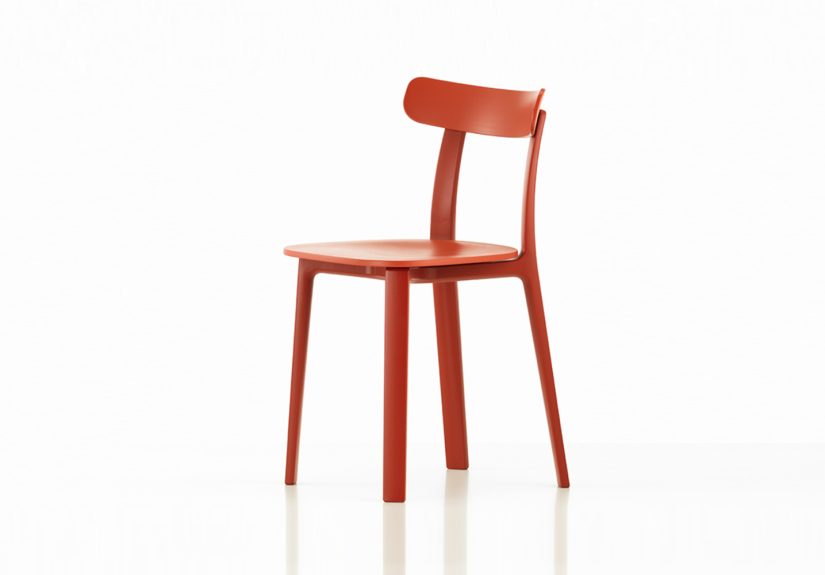
The Vitra All Plastic Chair, Brick is one of those furniture pieces that does not shout for attention, which is refreshing in a world where some chairs seem to believe they are auditioning for a superhero movie. Designed by Jasper Morrison for Vitra, the All Plastic Chair, often called the APC, takes the familiar shape of a traditional wooden chair and reimagines it in modern polypropylene. The result is compact, durable, surprisingly comfortable, and visually warm in the brick colorway.
At first glance, it looks simple. Four legs, a seat, a backrest. Nothing dramatic. No suspiciously complicated levers. No “what does this knob do?” situation. But the beauty of this chair is in the details: a molded frame, a gently shaped seat, a flexible backrest, and a two-tone brick finish that adds depth without screaming, “Look at me, I have a design degree.”
This article takes a close look at the Vitra All Plastic Chair in Brick: its design history, materials, comfort, indoor and outdoor use, styling possibilities, maintenance, and why it works in homes, cafés, patios, breakfast nooks, and anywhere that needs a chair with quiet confidence.
What Is the Vitra All Plastic Chair?
The Vitra All Plastic Chair is a modern dining and side chair designed by British designer Jasper Morrison in 2016. Morrison is known for his “super normal” design philosophy, which favors useful, refined objects over flashy statement pieces. The APC fits that idea beautifully. It is not trying to reinvent sitting. Sitting was doing just fine. Instead, it improves the everyday chair through better material performance, comfort, and versatility.
The chair is inspired by the classic wooden chairs commonly found throughout Europe. Those chairs are practical, familiar, and friendly, but wood has limitations outdoors and in high-traffic environments. Vitra’s version keeps the approachable shape but uses high-performance plastic to make the chair more weather-resistant, easier to maintain, and more adaptable to contemporary interiors.
The Brick version adds a warm, earthy personality. It is not fire-engine red, tomato red, or “oops, I painted the chair during a caffeine episode” red. It is closer to terracotta, clay, and sun-baked brick: rich enough to stand out, calm enough to live with every day.
Key Specifications of the Vitra All Plastic Chair, Brick
While exact listings may vary slightly by retailer, the Vitra All Plastic Chair is commonly described with the following core specifications:
- Designer: Jasper Morrison
- Manufacturer: Vitra
- Design year: 2016
- Material: Dyed-through polypropylene
- Color: Brick, usually presented as a two-tone finish
- Approximate width: 16.7 inches
- Approximate depth: 18.1 inches
- Approximate height: 30.3 inches
- Approximate seat height: 17.5 inches
- Use: Suitable for indoor and outdoor settings
These measurements make the APC a compact chair, which is excellent news for apartments, smaller dining rooms, balcony corners, and cafés where every square inch behaves like expensive real estate.
Design Analysis: Why the APC Looks Familiar but Feels Modern
A Chair That Borrows From Tradition Without Becoming Old-Fashioned
The All Plastic Chair has a recognizable outline because it borrows the language of the classic wooden chair: upright, practical, and neatly proportioned. But instead of copying the past, Vitra and Morrison reinterpret it. The frame is molded with flattened forms, giving the chair a graphic, architectural quality. The seat is thin yet shaped for comfort, while the backrest is more refined than the thick back supports found on many traditional chairs.
This is where the APC becomes interesting. Many plastic chairs look like plastic chairs first and furniture second. The Vitra All Plastic Chair looks like a real chair that happens to be made from plastic. That distinction matters. It allows the APC to sit comfortably in design-conscious spaces without looking disposable.
The Brick Colorway Adds Warmth Without Visual Chaos
The Brick version is especially appealing because it solves a common problem: how do you add color without making a room look like a children’s cereal box? Brick is warm, grounded, and slightly earthy. It pairs beautifully with oak, walnut, black metal, white walls, stone floors, linen textiles, and greenery. Put it near a fiddle leaf fig or a terracotta planter and suddenly your home looks like it knows what it is doing.
The two-tone treatment also gives the chair more visual depth. The frame may appear slightly darker than the seat and back, creating a subtle layered effect. This prevents the chair from looking flat and gives it a more refined, furniture-like presence.
Material and Construction: Why Polypropylene Makes Sense
The Vitra All Plastic Chair is made from polypropylene, a durable plastic commonly used in modern furniture because it can be molded into precise forms, withstand daily use, and clean easily. In the APC, Vitra uses the material in a smart way: the frame is rigid for stability, while the seat and backrest are more resilient for comfort.
That combination is important. A chair made entirely from stiff plastic can feel like sitting on a very judgmental tray. A chair that is too flexible can feel unstable. The APC finds a middle ground. The base gives support, while the backrest responds to movement. This makes the chair more comfortable than its minimalist appearance suggests.
The dyed-through polypropylene construction also helps with everyday wear. Since the color is part of the material rather than just a surface coating, small scuffs are less visually dramatic than they might be on painted furniture. That does not mean the chair is invincible. It is furniture, not a medieval shield. But it is designed for real-life use, which includes meals, guests, pets, crumbs, and the occasional person who leans back like they are negotiating with gravity.
Comfort Review: Is the Vitra All Plastic Chair Comfortable?
For a slim plastic chair, the Vitra APC is impressively comfortable. The secret is not padding; there is none. Instead, comfort comes from shape and controlled flexibility. The seat has an organic contour, and the backrest is attached with resilient connectors that allow it to flex slightly with the sitter’s movements.
This makes the APC especially useful as a dining chair. Dining chairs need to support more than quick sitting. They must handle long dinners, coffee conversations, work-from-table sessions, homework, board games, and that mysterious half-hour after dinner when everyone says they are leaving but nobody moves. The APC performs well because it has enough support for everyday sitting while offering a little movement in the backrest.
It is not a lounge chair, and it is not trying to be. You would not sink into it with a blanket and watch a three-hour movie unless you have unusually disciplined posture. But for dining, café seating, kitchen use, patio meals, and flexible side seating, it is comfortable, practical, and pleasantly light in visual weight.
Indoor and Outdoor Use: One Chair, Many Rooms
Dining Room
In the dining room, the Brick APC works beautifully with simple tables. Pair it with a light oak table for a Scandinavian-inspired look, a black table for contrast, or a marble-topped table for a more polished interior. Because the chair is compact, it can help a dining area feel open rather than crowded.
Kitchen and Breakfast Nook
The chair’s wipeable surface makes it practical for kitchens. Spilled coffee, sauce, or crumbs are not a tragedy. They are Tuesday. The Brick color also brings warmth to white kitchens, concrete floors, or minimalist spaces that need a little visual seasoning.
Patio and Balcony
The APC is suitable for outdoor use, making it a strong choice for patios, balconies, terraces, and garden dining. Its plastic construction resists sunlight and water better than many traditional indoor chairs. For longest life, it is still wise to clean it regularly and protect it from extreme weather when not in use for long periods.
Cafés and Hospitality Spaces
Because the chair is durable, compact, and easy to clean, it also makes sense in cafés, restaurants, boutique hotels, and casual commercial settings. The Brick color can soften public interiors that might otherwise feel too stark. It says, “Please sit,” not “This space was designed by a calculator.”
Styling Ideas for the Vitra All Plastic Chair in Brick
1. Pair It With Natural Wood
Brick and wood are natural friends. A warm oak, ash, or walnut table brings out the earthy quality of the chair. This combination works especially well in modern farmhouse, Scandinavian, Japandi, and casual contemporary interiors.
2. Use It as a Color Accent
If your room is mostly white, gray, beige, or black, one or two Brick APC chairs can act as color accents. They bring personality without requiring you to repaint a wall or buy a sofa in a color you may regret by next Thursday.
3. Mix With Other Chair Colors
The All Plastic Chair comes in several colorways, and Brick can be mixed with white, graphite, ivy, or ice gray for a relaxed collected look. This works especially well around casual dining tables where uniformity is not required. A coordinated mismatch can feel personal and modern.
4. Add Greenery Nearby
Brick tones look excellent with plants. Place the chair near potted herbs, leafy houseplants, or outdoor planters. The color combination feels natural, warm, and inviting.
5. Keep the Table Simple
Because the chair has a distinct color, it often looks best with clean-lined tables. A simple round table, rectangular wooden table, or minimalist pedestal table lets the chair shine without turning the room into a furniture debate club.
Vitra All Plastic Chair vs. Ordinary Plastic Chairs
The word “plastic” can be misleading. Many people hear it and imagine a cheap patio chair that wobbles under emotional pressure. The Vitra All Plastic Chair is different. It is a design-led product from a respected furniture manufacturer, created by a major contemporary designer, and engineered with a specific balance of rigidity and flexibility.
Ordinary plastic chairs often focus on low cost. The APC focuses on longevity, comfort, proportion, and visual refinement. The backrest flexes, the silhouette is carefully shaped, and the finish is considered. It is not just a place to sit; it is a piece of modern furniture that happens to be easy to live with.
That said, the APC is not for everyone. If you want a cushioned dining chair, a fully upholstered seat, or a chair with arms, this may not be your match. But if you want a lightweight-looking, durable, easy-care chair with designer credibility and indoor-outdoor flexibility, the Vitra APC makes a strong case for itself.
Maintenance and Care: How to Keep the Brick Finish Looking Good
One of the best parts of the Vitra All Plastic Chair is that it does not demand fussy maintenance. There is no fabric to vacuum, no wood oiling routine, and no cushion that mysteriously collects every crumb in the house. For daily care, a soft cloth and mild soapy water are usually enough.
Avoid harsh abrasives, aggressive solvents, and rough scrub pads, especially if you want the surface to stay smooth and attractive. For outdoor use, wipe the chair down after heavy dirt, pollen, or rain exposure. If you live in an area with intense sunlight, storms, freezing winters, or salty coastal air, store the chair indoors or under cover when it will not be used for long periods.
Floor protection also matters. Depending on your flooring, use the appropriate glides or felt pads. This helps protect hardwood, tile, and polished surfaces. A chair that looks good but scratches your floor is not a chair; it is a small domestic villain.
Who Should Buy the Vitra All Plastic Chair, Brick?
The Vitra All Plastic Chair in Brick is a smart choice for people who want designer furniture that is practical rather than precious. It works for apartment dwellers, homeowners, design lovers, café owners, patio decorators, and anyone who wants a warm accent chair that can handle daily life.
It is especially good for:
- Small dining spaces that need compact seating
- Modern kitchens that need warmth and color
- Patios, balconies, and garden dining areas
- Families who want easy-to-clean chairs
- Design-conscious buyers who appreciate Jasper Morrison’s quiet approach
- Restaurants and cafés looking for durable, good-looking seating
It may be less ideal for people who prefer plush upholstery, armrests, very high backs, or traditional wood craftsmanship. The APC is modern, minimal, and honest about its material. It does not pretend to be walnut, velvet, or something from a castle dining room. It is plastic, proudly and intelligently used.
Buying Considerations Before You Choose the Brick APC
Check the Color in Your Lighting
Brick can appear warmer, darker, or more muted depending on the lighting in your space. In bright daylight, it may look lively and terracotta-like. Under warm bulbs, it may feel deeper and cozier. If possible, compare images from multiple angles or view a sample in person.
Measure Your Table Height
The seat height is around 17.5 inches, which works with most standard dining tables. Still, always measure your table, especially if it is custom, vintage, or unusually thick underneath. Nobody wants a beautiful chair that makes dinner feel like sitting at the kids’ table.
Think About Quantity
One Brick chair can work as an accent. Four or six can create a bold, warm dining setup. A mixed set can feel more casual and dynamic. The right choice depends on whether you want the chair to be the star, the supporting actor, or part of a stylish ensemble cast.
Consider Indoor-Outdoor Movement
If you plan to move chairs between a kitchen and patio, the APC is a practical option. Its material and compact size make it easier to reposition than many upholstered or wooden chairs.
Real-Life Experience: Living With the Vitra All Plastic Chair, Brick
Living with the Vitra All Plastic Chair in Brick is a little like discovering that the quiet person at dinner is actually the most interesting one at the table. It does not dominate the room, but after a few days, you start noticing how much work it does. It pulls up neatly to a dining table. It wipes clean without drama. It moves easily when you need an extra seat. It looks good next to wood, stone, plants, and even the pile of mail you keep promising to organize.
The first thing most people notice in real use is the color. Brick has a warmth that makes a room feel more finished. In a white kitchen, it adds contrast without harshness. On a balcony, it looks natural next to planters and outdoor flooring. Around a wooden table, it has that satisfying terracotta-and-timber combination that makes even a weekday breakfast feel a little more intentional.
The second thing you notice is the comfort. The chair looks slim, so expectations may be modest. But the shaped seat and flexible backrest make it more forgiving than a basic plastic chair. During a normal dinner, it supports well. During a longer conversation, the slight movement in the backrest helps prevent that stiff, “I have become a statue” feeling. It is not squishy, but it is not punishing either. The chair finds a practical middle ground.
In family settings, the APC makes sense because it is easy to clean. If someone drops pasta sauce, yogurt, juice, or something unidentifiable but suspiciously sticky, the chair does not panic. A quick wipe usually solves the problem. That alone makes it more realistic than many upholstered dining chairs, which can make every meal feel like a stain-risk management seminar.
For small homes, the compact footprint is another advantage. The chair does not visually crowd the room. It has enough presence to look designed, but not so much bulk that it overwhelms a small dining area. This is especially useful in apartments, breakfast corners, and flexible rooms where a dining table might also serve as a desk, craft zone, homework station, or emergency gift-wrapping headquarters.
Outdoors, the Brick color feels particularly at home. It has a clay-like quality that works well with greenery, gravel, concrete, and wood decking. On a balcony, two APC chairs and a small round table can create a simple café setup. Add coffee and a pastry, and suddenly you are basically living in a lifestyle magazine, minus the unrealistic requirement that every surface be spotless.
One practical experience worth mentioning is floor protection. Because the chair is durable and easy to move, people tend to drag it casually. On delicate floors, the right glides or felt protection are important. This is not a flaw; it is just basic chair diplomacy. Protect the floor, and everyone gets along.
Another experience is that the chair works best when you let it be simple. It does not need a complicated table, loud rug, and seven competing accent colors. It shines in spaces where the forms are clean and the materials are honest. A wood table, a ceramic vase, a neutral wall, and the Brick APC can be enough. Good design often whispers, and this chair has excellent indoor voice.
Over time, the Vitra All Plastic Chair in Brick feels less like a trendy purchase and more like a dependable design tool. It can be a dining chair, patio chair, desk chair for short work sessions, hallway seat, or spare chair for guests. It brings color without chaos, durability without ugliness, and modern design without making your home feel like a showroom where nobody is allowed to sit down.
Conclusion: A Warm, Modern Chair That Earns Its Place
The Vitra All Plastic Chair, Brick succeeds because it understands the assignment. It is practical, compact, comfortable, and visually warm. Jasper Morrison’s design does not chase novelty for its own sake. Instead, it improves a familiar chair type with modern materials and thoughtful engineering.
For anyone looking for a designer dining chair that can move between indoor and outdoor spaces, the APC in Brick is a strong option. It has the casual durability of plastic, the visual refinement of European modern design, and the kind of warm color that makes a room feel more alive. It is not loud. It is not fussy. It simply worksand looks good while doing it.
Note: This article was written for web publication in original American English, using verified product information and design-based analysis while avoiding copied manufacturer language, keyword stuffing, and unnecessary source-code elements.






 Close
Close