
Table of Contents >> Show >> Hide
- What Is Ventricular Fibrillation (VFib)?
- Symptoms: What VFib Looks Like in Real Life
- VFib vs. AFib vs. V-tach: The Names Sound Similar, the Stakes Are Not
- Causes: Why VFib Happens
- Risk Factors: Who Is More Likely to Experience VFib?
- Diagnosis: How VFib Is Identified
- Emergency Treatment: What Saves a Life in the Moment
- Hospital Care After VFib: Treat the Fire and the Wiring
- Long-Term Treatment: Preventing VFib From Coming Back
- What to Do If You Witness a Collapse: A Simple, Practical Mini-Plan
- Recovery, Follow-Up, and Life After VFib
- When to Seek Medical Care
- Quick FAQ
- Experiences Related to VFib: What People and Families Often Describe (Added Section)
- Conclusion
Ventricular fibrillation (often shortened to VF or VFib) is what happens when the heart’s
electrical system goes completely off-script. Instead of the ventricles squeezing in an organized way, they quiver.
That means the heart stops pumping blood effectivelyfast. In real life, VFib usually shows up as a sudden collapse and
cardiac arrest, which is why it’s treated like the medical equivalent of a house fire: no debating the “best time,” you act
right now.
The good news: VFib is often reversible in the moment with quick CPR and defibrillation, and many people who survive an episode
can dramatically reduce the risk of another one with the right long-term plan. This guide walks you through what VFib is, the
symptoms and causes, and how emergency and ongoing treatments workplus practical examples and what living “after VFib” can
really look like.
What Is Ventricular Fibrillation (VFib)?
VFib is a life-threatening heart rhythm problem (arrhythmia) that starts in the ventriclesthe heart’s main pumping chambers.
In a normal rhythm, electrical signals travel in a coordinated pattern so the ventricles contract and push blood to the brain
and the rest of the body. In VFib, the electrical activity becomes chaotic, and the ventricles can’t generate a useful squeeze.
No squeeze means no blood flow, and no blood flow means the person becomes unresponsive within seconds.
VFib is a common rhythm seen in sudden cardiac arrest. Think of it like this: the heart is still “electrically busy,” but it’s
doing the wrong kind of busymore like a crowd yelling different instructions at once than a conductor leading an orchestra.
Spoiler: the orchestra does not play Beethoven under those conditions.
Symptoms: What VFib Looks Like in Real Life
Here’s the tricky part: VFib often doesn’t give you a polite RSVP. Because it usually causes cardiac arrest, the most common
“symptom” is sudden collapse.
Common immediate signs
- Sudden collapse (the person drops, becomes unresponsive)
- No normal breathing (may be gasping or not breathing)
- No detectable pulse (for trained responders)
Possible warning symptoms (not always present)
Sometimes VFib is preceded by symptoms related to an underlying heart problem or a rhythm that deteriorates into VFib. These
can include:
- Chest pain or chest pressure
- Palpitations (feeling a rapid, fluttering, or pounding heartbeat)
- Shortness of breath
- Dizziness or lightheadedness
- Fainting or near-fainting (syncope)
- Unusual fatigue or weakness
Important reality check: many people won’t have clear warnings. That’s why public access AEDs, CPR training, and taking heart
symptoms seriously matter. Your body is not being “dramatic” when it talks about chest pressure.
VFib vs. AFib vs. V-tach: The Names Sound Similar, the Stakes Are Not
The “fibs” can be confusing:
-
VFib (ventricular fibrillation): chaotic rhythm in the ventricles; typically causes cardiac arrest; needs
immediate defibrillation/CPR. -
AFib (atrial fibrillation): irregular rhythm in the atria (upper chambers); serious, but usually not an
instant-cardiac-arrest rhythm by itself. -
V-tach (ventricular tachycardia): fast rhythm from the ventricles; can be stable or unstable; may progress
to VFib.
Translation: AFib is often a “manage it and prevent complications” situation. VFib is a “do CPR and get an AED immediately”
situation.
Causes: Why VFib Happens
VFib is usually a downstream effect of something stressing or damaging the heart’s electrical system. The most common category
is heart disease, especially problems that reduce blood flow to heart muscle (ischemia) or change the heart’s
structure (scarring, enlargement, thickening).
Common medical causes
- Coronary artery disease and heart attack (myocardial infarction)
- Cardiomyopathy (weakened or thickened heart muscle)
- Heart failure
- Myocarditis (inflammation of the heart muscle)
- Congenital heart disease (structural problems present at birth)
- Inherited electrical disorders (for example, long QT syndrome or Brugada syndrome)
- Severe electrolyte imbalances (especially potassium or magnesium abnormalities)
Other triggers and contributing factors
- Drug effects: certain medications can affect rhythm (especially ones that prolong the QT interval)
- Stimulant or illicit drug use: cocaine and methamphetamine are classic high-risk examples
- Major physical stress: severe illness, low oxygen, shock states
- Electrical injury (rare, but possible)
- After heart surgery or during certain acute heart events
Often, it’s not a single cause but a “perfect storm”: a vulnerable heart plus a trigger. Example: someone with old heart-attack
scarring gets dehydrated, their potassium drops, they start a QT-prolonging medication, and the heart’s electrical stability
becomes a Jenga tower with one piece left.
Risk Factors: Who Is More Likely to Experience VFib?
Risk factors overlap heavily with cardiovascular risk in general, but VFib risk goes up especially when the heart is structurally
or electrically unstable.
Major risk factors
- Previous heart attack
- Heart failure or reduced pumping function
- Prior VFib or sustained ventricular tachycardia
- Cardiomyopathy (including genetic forms)
- Family history of sudden cardiac death or inherited arrhythmia syndromes
- Significant coronary artery disease
Situational risk amplifiers
- Electrolyte abnormalities (low potassium, low magnesium)
- Medications or combinations that prolong QT
- Stimulants (prescription misuse or illicit substances)
- Untreated sleep apnea and other chronic stressors that strain the heart
Diagnosis: How VFib Is Identified
During the emergency itself, VFib is diagnosed on a cardiac monitor/ECG rhythm strip. There’s no time for a leisurely workup
while someone is in cardiac arresttreatment comes first.
After the person is stabilized, clinicians focus on finding the underlying cause and estimating recurrence risk. Tests may include:
- 12-lead ECG (looking for ischemia, conduction problems, inherited patterns, QT interval issues)
- Blood tests (electrolytes, cardiac markers, drug levels when relevant)
- Echocardiogram (heart structure and pumping function)
- Coronary evaluation (often urgent if a heart attack is suspected)
- Cardiac MRI (sometimes used to assess scarring or inflammation)
- Electrophysiology (EP) evaluation in select cases
- Genetic testing when an inherited arrhythmia syndrome is suspected
Emergency Treatment: What Saves a Life in the Moment
VFib is a cardiac arrest rhythm that is often “shockable,” meaning defibrillation can reset the heart’s electrical activity back
into a rhythm capable of pumping.
Step 1: Recognize cardiac arrest and activate emergency response
If someone collapses, is unresponsive, and isn’t breathing normally, treat it as cardiac arrest:
- Call emergency services (in the U.S., 911)
- Send someone to get an AED if one is nearby
- Start CPR immediately
Step 2: High-quality CPR
CPR helps circulate some oxygenated blood to the brain and heart until a shock can be delivered and advanced care arrives.
The focus is steady chest compressions with minimal interruptions. In plain terms: CPR buys time. The AED and defibrillator try
to restore the rhythm. Together they’re a tag-team, not rivals.
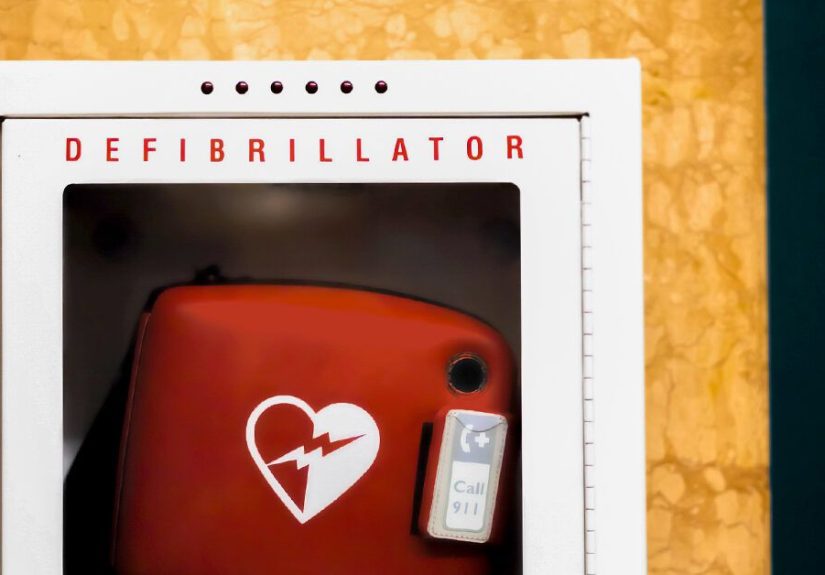
Step 3: Defibrillation (AED or manual defibrillator)
An AED analyzes the rhythm and will advise a shock if appropriate. If it says “shock advised,” it’s not being dramaticit’s
doing math with your life.
What professionals do (advanced cardiac life support)
In the ambulance or hospital, teams follow structured cardiac arrest protocols. For VFib/pulseless VT, this typically involves:
- Defibrillation
- Two-minute cycles of CPR with rhythm checks
- Epinephrine at appropriate intervals
- Antiarrhythmic medication for shock-refractory VFib (often amiodarone; alternatives may be used)
- Airway and oxygen support when needed
- Searching for and treating reversible causes (often summarized by clinicians as “Hs and Ts”)
The key concept: early CPR and early defibrillation improve the chance of survival. The longer VFib continues untreated, the harder
it can be to reverse and the greater the risk of brain injury from lack of blood flow.
Hospital Care After VFib: Treat the Fire and the Wiring
If a person regains a stable pulse and circulation, the next phase is intensive: protect the brain and organs, and identify what
triggered VFib in the first place.
Common in-hospital priorities
- Evaluate for heart attack and restore blood flow if needed (for example, urgent coronary procedures)
- Correct electrolytes (potassium, magnesium, acid-base issues)
- Manage oxygenation and blood pressure
- Control recurrent arrhythmias with medications and monitoring
- Neurologic support (in some cases, targeted temperature management may be used)
- Identify structural problems (echo, imaging, and cardiology consultation)
A concrete example: someone collapses while mowing the lawn on a hot day. They’re resuscitated with CPR and an AED. In the hospital,
tests reveal a heart attack that started with subtle symptoms. Treatment focuses on reopening the blocked artery, preventing another
dangerous rhythm, and planning long-term protection.
Long-Term Treatment: Preventing VFib From Coming Back
Surviving VFib is the beginning of a new chapterone with a lot of follow-up, but also a lot of opportunity to reduce risk.
Long-term care is tailored to the cause and the person’s overall heart health.
Implantable cardioverter-defibrillator (ICD)
An ICD is one of the most important preventive treatments for people at high risk of recurrent VFib or sudden cardiac
death. It continuously monitors the heart rhythm and can deliver a shock (or pacing therapy) to stop a life-threatening rhythm.
Many ICDs also store rhythm data that helps clinicians fine-tune treatment.
People often ask, “Will I feel it?” The honest answer is: if the ICD shocks, you’ll know. But many patients say they’d rather have
a brief, startling jolt than the alternative. Also, the goal is to reduce shocks through medication optimization, trigger control,
and programmingbecause nobody wants their chest to think it’s a percussion instrument.
Medications
Medications may be used to reduce arrhythmia risk and treat underlying heart disease. Depending on the situation, this may include:
- Beta-blockers (often key in many cardiac conditions)
- Antiarrhythmic drugs in selected patients
- Medications for coronary artery disease (such as cholesterol-lowering therapy)
- Heart failure therapies if pumping function is reduced
Catheter ablation (in selected cases)
If VFib episodes are triggered by specific premature beats or related ventricular tachycardia circuits, an electrophysiologist may
recommend catheter ablation to target the area causing the abnormal rhythm. This is not for everyone, but it can
be very helpful in carefully chosen patients.
Treating the root cause
“Fix the trigger” is a big theme:
- Open blocked arteries and optimize heart-attack prevention
- Correct thyroid or metabolic problems that affect rhythm
- Review medications that prolong QT or interact dangerously
- Address sleep apnea, uncontrolled blood pressure, and diabetes
- Eliminate stimulant or illicit drug exposure
What to Do If You Witness a Collapse: A Simple, Practical Mini-Plan
You don’t need a medical degree to save a life. You need a plan you can execute while adrenaline is doing parkour in your bloodstream.
- Check responsiveness (shout, tap shoulders).
- Call 911 (or your local emergency number) and put it on speaker.
- Start CPR immediately if they’re not breathing normally.
- Get an AED if available and follow its prompts.
- Continue until help arrives or the person wakes up and breathes normally.
If you’re worried about “doing it wrong,” remember this: doing something fast is usually far better than doing nothing perfectly.
AEDs are designed for bystanders, and they won’t shock a person unless the rhythm is shockable.
Recovery, Follow-Up, and Life After VFib
After discharge, people often expect to “feel normal” quickly. Sometimes they do. Often they don’tat least not right away.
Recovery can include physical healing, medication adjustments, cardiac rehab, and emotional processing (because “I had cardiac
arrest” is not exactly a small talk topic).
Cardiac rehabilitation
Cardiac rehab provides supervised exercise, education, and coaching to rebuild strength and reduce future risk. It can also help
people regain confidence in their bodyespecially after an event that made the body feel like an unreliable narrator.
Mental and emotional health
Anxiety, sleep trouble, and fear of recurrence are common. Many people benefit from counseling, support groups, and a clear follow-up
plan. A useful goal is to replace vague fear (“What if it happens again?”) with practical control (“Here’s what my ICD does, here’s
what my meds do, here’s what symptoms mean call now.”).
Everyday prevention habits that matter
- Take medications as prescribed
- Keep follow-up appointments (ICD checks are not optional accessories)
- Manage blood pressure, cholesterol, and blood sugar
- Stay hydrated and avoid extreme electrolyte swings
- Avoid smoking and stimulant drugs
- Ask before starting new meds or supplements (especially if QT issues exist)
- Exercise safely with medical guidance
When to Seek Medical Care
Call emergency services immediately for:
- Sudden collapse or unresponsiveness
- Chest pain/pressure that is severe, persistent, or accompanied by sweating, nausea, or shortness of breath
- Fainting (especially during exertion) or fainting with palpitations
Contact a clinician promptly (same day or soon) for:
- New or worsening palpitations
- Repeated lightheadedness
- Shortness of breath that’s new or worsening
- Medication side effects (especially if they affect rhythm or blood pressure)
Quick FAQ
Can VFib happen in a “healthy” person?
It’s less common, but yes. Some people have inherited electrical conditions or unrecognized structural issues. Others may have a
reversible trigger (like a severe electrolyte imbalance) that tips the heart into VFib.
Is VFib the same as a heart attack?
No. A heart attack is a blood-flow problem in the heart muscle. VFib is an electrical rhythm problem. A heart attack can trigger VFib,
which is one reason heart attacks are so dangerous.
Does an ICD “cure” VFib?
An ICD doesn’t remove the underlying tendency; it protects you by detecting and treating dangerous rhythms quickly. The best outcomes
come from combining ICD protection with root-cause treatment and risk reduction.
Experiences Related to VFib: What People and Families Often Describe (Added Section)
VFib is a medical emergency, but the experience around it can unfold as a long, very human storyoften told in snapshots because
many survivors don’t remember the actual event. Families and bystanders tend to remember it vividly, though, and their descriptions
often share the same themes: “It happened so fast,” “They looked fine a minute ago,” and “I’m grateful someone knew CPR.”
For bystanders, the emotional whiplash is real. One moment you’re talking, shopping, or watching a game; the next
moment someone collapses and you’re doing chest compressions to the beat of whatever song your brain chooses (many people use a
steady rhythm like “Stayin’ Alive,” which is both practical and unintentionally on-the-nose). People commonly describe fear of
“doing it wrong,” but later learn that taking actioncalling 911, starting CPR, using an AEDwas the single most important thing.
AEDs can feel intimidating until you see them in action; then you realize they’re basically calm, bossy robots that tell you exactly
what to do. In emergencies, calm and bossy is a feature, not a bug.
For survivors, the first days afterward can be physically exhausting and mentally disorienting. Many describe waking
up in the hospital with no memory of collapsing and a lot of questions: “Why am I here?” “What happened?” “Is my heart… okay?”
It’s common to feel sore (CPR can be physically intense), tired, and emotionally overwhelmed. Some people feel gratitude and relief;
others feel anxiety that comes in waves, especially at night when everything is quiet and the brain decides to replay the “what ifs.”
If an ICD is placed, that can bring a mix of reassurance and worry. Reassurance because it’s a safety net; worry
because it’s a device with the power to shock. People often ask clinicians to describe what an ICD shock feels like. Those who’ve
experienced it may describe it as sudden and startlinglike being kicked in the chest from the insidefollowed by relief that the
rhythm corrected. Others never experience a shock at all, especially when medications and triggers are well managed and the device is
thoughtfully programmed. Over time, many people report that the ICD becomes “part of the background,” like a smoke detector: you’re
glad it’s there, and you hope it never has to scream.
Families often carry their own aftershock. Even when the person recovers well, loved ones may become hyper-aware of
breathing patterns, tiredness, or any mention of chest discomfort. It’s not uncommon for partners or parents to feel anxious when the
survivor returns to exercise, work, or driving. This is where a clear follow-up plan helps: scheduled cardiology visits, medication
explanations, and cardiac rehab can turn fear into structure. Cardiac rehab, in particular, gets rave reviewsnot because it’s a
magical spa retreat (it is exercise, after all), but because it provides supervised progress and education that rebuild confidence.
People also talk about the “identity shift” after VFib: suddenly you’re the person who has a cardiologist, a medication list, and
a story that makes dinner parties go quiet for a second. Many survivors eventually find a steady rhythm again by focusing on what
they can control: heart-healthy habits, taking meds consistently, avoiding high-risk substances, staying hydrated, and getting
prompt care for symptoms. A common, empowering moment is learning CPR as a family or encouraging workplaces and schools to keep AEDs
accessibleturning a frightening experience into practical prevention for others.
Finally, many survivors describe a renewed appreciation for “ordinary” life. Not in a movie-speech waymore in a Tuesday-morning
coffee way. The overall message from real-world experiences is surprisingly consistent: VFib is terrifying, but rapid action saves
lives, and modern treatment (especially CPR/AED response plus targeted hospital care and ICDs when appropriate) can turn a worst-day
scenario into a survivable eventand, for many people, a manageable long-term condition.
Conclusion
Ventricular fibrillation is one of the most serious heart rhythm emergencies because it stops effective blood flow within seconds.
Knowing what it looks likesudden collapse and abnormal breathinghelps bystanders act fast with CPR and an AED. Understanding why
it happens matters too: VFib is often linked to heart attacks, coronary artery disease, cardiomyopathy, inherited rhythm disorders,
electrolyte problems, and certain drugs or stimulants.
Treatment has two goals: restart circulation now (CPR + defibrillation) and prevent it later (treat
the underlying cause, reduce triggers, and use protective therapies like ICDs when indicated). With quick emergency response and a
thoughtful long-term plan, many people can return to full, meaningful livesideally with a new appreciation for AEDs, CPR training,
and the fact that your heart prefers organized leadership over chaotic improvisation.







 Close
Close