
Table of Contents >> Show >> Hide
- What Clay Soil Actually Is (and Why It Gets a Bad Rap)
- How to Tell If You Have Clay Soil
- Why Clay Soil Acts Like… Clay
- Clay Soil’s Secret Advantages
- The Big Problems: Compaction, Drainage, and Bad Timing
- Step 1: Diagnose Before You “Fix”
- Step 2: The Gold StandardAdd Organic Matter (The Right Way)
- Step 3: Fix Compaction Without Wrecking the Soil
- Step 4: Improve Drainage the Smart Way
- Myth-Busting: Sand, Gypsum, and “Clay Busters”
- Planting and Maintenance Tips That Make Clay Easier
- A Seasonal Game Plan for Improving Clay Soil
- Quick Troubleshooting: Common Clay Soil Problems and Fixes
- of Real-Life Experience With Clay Soil (a.k.a. “The Sticky-to-Brick Journey”)
- Conclusion
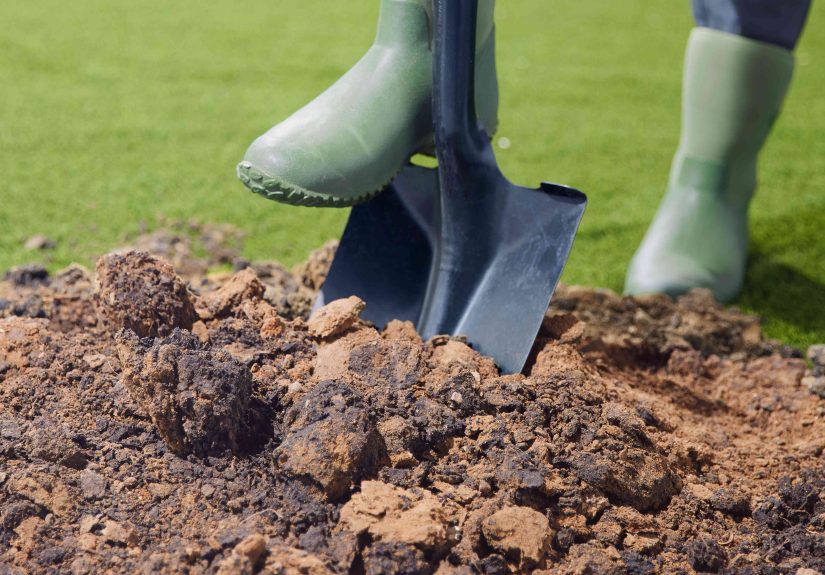
Clay soil has a reputation. When it’s wet, it clings to your shoes like it’s trying to come home with you.
When it’s dry, it can feel like you’re gardening on a ceramic dinner plate. And yetclay isn’t “bad soil.”
It’s just soil with a personality: high-maintenance, stubborn, and secretly loaded with potential.
If you’ve got heavy clay in your yard, you’re not doomed to a lifetime of puddles, cracked ground, and sad plants.
You just need to understand what clay is doing (and why), then improve the soil structure in ways that actually last.
This guide breaks down the science in plain English, busts common myths, and gives you a realistic, step-by-step plan
to turn clay into a soil you can work withwithout starting a full-time relationship with a rototiller.
What Clay Soil Actually Is (and Why It Gets a Bad Rap)
Soil is made of mineral particles in three main sizes: sand (big), silt (medium), and clay (tiny).
Clay particles are the smallestand that small size is the whole story. Because the particles are so fine, they pack
tightly, leaving less space for water and air to move through. That can mean slow drainage, less oxygen around roots,
and compaction if the soil gets worked when it’s too wet.
Here’s the twist: clay’s tiny particles also give it superpowers. Clay can hold onto water and many plant nutrients
better than sandy soils. In other words, clay is often naturally fertileif you can get its structure improved enough
for roots, air, and water to behave.
How to Tell If You Have Clay Soil
You don’t need a lab coat. Most clay soil announces itself loudly. If you recognize several of these, welcome to the club:
- Puddles that stick around: Water lingers after rain or irrigation.
- Sticky when wet: Soil smears and forms slick clods.
- Hard when dry: The surface can crust over or feel brick-like.
- Cracking in summer: Deep cracks can open during dry spells.
- Compaction from foot traffic: Paths and high-traffic areas get dense fast.
The “Ribbon Test” (Fast, Free, and Weirdly Satisfying)
Grab a small handful of soil, moisten it, and knead it like you’re making a tiny pizza dough (sad pizza, but still).
Try to press it between your thumb and finger to form a ribbon. If it forms a long ribbon and feels smooth or sticky,
you likely have high clay content. If it won’t ribbon and feels gritty, you’re more sandy.
The Jar Test (A Kitchen Counter Soil Science Project)
Fill a clear jar about one-third with soil, add water, a drop of dish soap, shake hard, then let it settle for a day.
Sand drops first, then silt, then clay forms the top layer. This won’t be perfect, but it gives you a decent snapshot
of your soil texture.
Why Clay Soil Acts Like… Clay
Clay particles are shaped more like tiny plates than round balls. Picture a stack of playing cards versus a jar of marbles.
Those “plates” can slide when wet, then pack tightly and stick together as they dry. That’s why clay can feel workable
one day and like a construction material the next.
The real issue in most home landscapes isn’t texture (how much clay you have), but structurehow those particles
are arranged into aggregates (crumbly clusters). Good structure means stable aggregates with pore space between them, letting
water infiltrate and roots breathe. Poor structure means a tight, dense mass that sheds water at the surface and suffocates roots below.
Clay Soil’s Secret Advantages
Let’s give clay some credit. Once improved, clay can be amazing for gardening because it:
- Holds nutrients well: Many nutrients cling to clay and organic matter instead of washing away.
- Retains moisture: Plants may need less frequent watering once soil structure improves.
- Supports strong plant growth: When oxygen and drainage are fixed, clay can grow big, vigorous plants.
So the goal isn’t to “get rid of clay.” The goal is to help it form better structuremore crumbly, more porous, more friendly to roots.
The Big Problems: Compaction, Drainage, and Bad Timing
Clay’s biggest enemy is often usespecially when we dig, till, or stomp on it while it’s wet. Wet clay compacts easily.
Compaction collapses pore space, which reduces infiltration, increases runoff, and makes roots work harder for air and water.
When Is Clay Safe to Work?
Use the squeeze test: grab a handful and squeeze. If it forms a sticky ball that stays shiny or smears like putty,
it’s too wetstep away slowly. If it crumbles when you poke it, it’s a better time to work. This simple habit prevents
a lot of long-term damage.
Step 1: Diagnose Before You “Fix”
Before you throw amendments at the yard like confetti, take a minute to figure out what you’re working with.
The best improvements depend on whether your issue is compaction, poor drainage, pH imbalance, or a combination.
- Get a soil test: Look for pH, nutrient levels, and any notes about salts/sodium if available.
- Watch water movement: Where does water pool? Where does it run off? Where does it soak in?
- Check compaction: If you can’t push a screwdriver into the ground easily when moist, compaction is likely.
If your soil test flags high sodium (sodic conditions), the amendment strategy can change. Most home clay soils aren’t sodic,
but it’s worth knowingespecially if your soil is extremely crusty and infiltration is awful despite organic matter.
Step 2: The Gold StandardAdd Organic Matter (The Right Way)
If clay soil improvement had a headline, it would be: organic matter, organic matter, organic matter.
Compost, shredded leaves, leaf mold, and well-aged manure help clay form stable aggregates. Over time, this improves:
drainage, aeration, infiltration, and overall workability.
Best Organic Amendments for Clay
- Compost: A steady, reliable structure-builder and nutrient source.
- Shredded leaves / leaf mold: Great for improving tilth and feeding soil life.
- Well-aged manure: Boosts organic matter, but use responsibly and compost it well.
- Composted bark fines: Helpful for structure, especially in ornamental beds.
- Mulch (wood chips, straw): Best as a surface layer to protect soil and feed biology over time.
How Much Organic Matter Should You Add?
For existing beds, top-dress with about 1–2 inches of compost once or twice per year, then let worms, roots, and weather
help work it downward. For new beds you’re preparing from scratch, you can incorporate compost into the top 6–8 inches
(when the soil is not wet) to jump-start structure. The key is consistency: clay improves with repeated additions, not one heroic weekend.
A realistic expectation: you’re not changing your soil texture quickly, but you can absolutely change how the soil behaves.
Many gardeners notice easier digging and better drainage within a season or two, with bigger improvements over 2–3 years.
Mulch: The Lazy-Genius Strategy
If you want to improve clay with the least drama, mulch is your best friend. A 2–4 inch layer of organic mulch:
reduces crusting, buffers temperature swings, softens compaction from rain impact, and slowly feeds the soil as it breaks down.
Keep mulch a few inches away from plant stems to prevent rot and pests.
Step 3: Fix Compaction Without Wrecking the Soil
Clay soils can be fragile when you treat them like a blender project. Aggressive, repeated rototilling can break down
aggregates and leave the soil more prone to re-compaction. If you need to loosen soil, aim for methods that create pore space
while protecting structure.
Practical Options
- Broadforking: Great for garden bedslifts and cracks soil without fully flipping layers.
- Core aeration: Helpful for lawns on clay; follow with compost top-dressing.
- Permanent paths: Keep foot traffic on paths so beds stay fluffy (or at least fluff-adjacent).
- Raised beds: A shortcut for vegetables and sensitive plants, especially if drainage is very slow.
Also: don’t underestimate roots. Deep-rooted plants (think cover crops or certain perennials) can naturally open channels
through heavy soil over timelike tiny soil engineers working for free.
Step 4: Improve Drainage the Smart Way
“Drainage” problems can mean two different things:
slow infiltration (water won’t soak in) and poor internal drainage (water soaks in but can’t move through).
Organic matter helps both, but sometimes you also need a site-level fix.
Drainage Upgrades That Work
- Regrade small areas: Even slight slope changes can move water away from foundations and beds.
- Swales or shallow berms: Redirect runoff and slow water so it can infiltrate.
- French drains (when necessary): For chronic poolingbest planned carefully so you’re not draining water into a worse spot.
- Build up planting areas: Mound soil or use raised beds for plants that hate wet feet.
If you’re planting trees or shrubs in clay, avoid digging a “bathtub” hole (deep, smooth-sided, and surrounded by dense clay).
Instead, dig a wide hole, roughen the sides, and keep the root flare at the right height. This encourages roots to expand outward
rather than circling in a soggy pocket.
Myth-Busting: Sand, Gypsum, and “Clay Busters”
Myth #1: “Add Sand to Clay Soil to Improve Drainage”
This idea refuses to die. The logic sounds nice: clay drains slowly, sand drains quickly, so mixing them should balance out.
In practice, small amounts of sand mixed into clay can create a dense, cement-like texturebasically the opposite of what you want.
To significantly change clay texture, you’d need a very large volume of sand and thorough mixing, which is rarely practical in a home garden.
If your goal is better drainage and easier digging, organic matter is almost always the safer and more effective path.
Myth #2: “Gypsum Will Fix Any Clay Soil”
Gypsum (calcium sulfate) is sometimes marketed as a miracle amendment for clay. The truth is more nuanced.
Gypsum can help improve structure in sodic soils (high sodium) because calcium can replace sodium on soil particles,
helping aggregation. But for many typical garden clays that aren’t sodic, research and extension guidance varysome note little to
no structural benefit, while others suggest it may help in certain conditions.
A practical approach:
- If your soil test indicates sodium issues, gypsum may be useful as part of a broader plan.
- If your soil is not sodic, focus on organic matter firstand consider gypsum primarily as a calcium/sulfur source if needed.
- Be skeptical of “instant results.” Soil structure improves with time and biology.
Myth #3: “More Tilling = Better Soil”
Tilling can temporarily make clay feel softer, but it can also destroy developing structure and speed up organic matter breakdown.
If you till, do it when the soil is at the right moisture level and follow with compost, mulch, and a long-term plan to reduce repeated disturbance.
Planting and Maintenance Tips That Make Clay Easier
Watering: Deep and Patient Beats Frequent and Panicky
Clay holds water longer than sandy soils, so frequent shallow watering can keep roots too wet.
Water deeply, then let the soil dry slightly between sessions. Mulch helps keep moisture consistent and reduces surface crusting.
Fertilizing: Don’t GuessUse the Soil Test
Because clay often holds nutrients well, piling on fertilizer “just in case” can backfire.
Use your soil test as a guide. Compost can supply slow-release nutrition while improving structure, which is usually a win-win.
Choose Plants That Tolerate Clay (At Least While You Improve It)
Many plants can handle clay once it’s amended and mulched. If your soil stays wet for long periods, prioritize moisture-tolerant species.
Examples that often do well in clay (depending on your region and sun exposure) include:
- Perennials: coneflower, black-eyed Susan, bee balm, asters, daylilies
- Shrubs: viburnum, dogwood (some types), inkberry holly (in suitable climates)
- Grasses: switchgrass, little bluestem (once established)
- Vegetables: many will thrive in improved clay, but root crops often prefer raised beds or deeply loosened soil
A Seasonal Game Plan for Improving Clay Soil
Spring
- Do not work the soil when it’s wetwait for the crumble stage.
- Top-dress compost around perennials and beds.
- Mulch after soil warms to reduce crusting and compaction.
Summer
- Keep mulch maintained (clay loves bare soil; plants do not).
- Water deeply and less often to support strong root growth.
- Watch drainage patterns after storms and adjust with small grading changes if needed.
Fall
- Apply compost again if you canfall is an excellent time for building soil.
- Use shredded leaves as mulch or start a leaf mold pile for next year.
- Consider cover crops in vegetable beds (where climate allows) to protect and improve structure.
Winter
- Let the soil rest. Freeze-thaw cycles can help break up clods naturally.
- Plan bed layouts, permanent paths, and where you might add raised areas next season.
Quick Troubleshooting: Common Clay Soil Problems and Fixes
Problem: Water pools for days
- Add organic matter and mulch for infiltration improvements.
- Plant in raised areas or berms.
- Consider drainage solutions (like swales or a French drain) if pooling is severe and repetitive.
Problem: Soil turns into a hard crust
- Mulch to protect the surface from rain impact and sun baking.
- Avoid bare soil; keep it covered with plants or organic mulch.
- Top-dress compost to encourage aggregation.
Problem: Plants look stressed even with watering
- Check for compaction (roots may be oxygen-starved).
- Improve structure with compost and reduced disturbance.
- Make sure water isn’t sitting around roots (especially for plants that dislike wet feet).
of Real-Life Experience With Clay Soil (a.k.a. “The Sticky-to-Brick Journey”)
The first time you garden in clay, you learn humility. I don’t mean the philosophical kind. I mean the “why is my shovel bouncing off the ground like
I’m trying to dig through a sidewalk?” kind. My earliest clay-soil mistake was thinking I could outmuscle it. Spoiler: clay always wins the arm-wrestling match.
In spring, I got confidenttoo confident. The soil looked dark and “ready,” and I decided to dig a new bed after a rainy week because I had free time.
That’s how I discovered the joy of compacting wet clay into something that felt suspiciously like handcrafted pottery. The bed looked smooth, neat, and
totally improved… until it dried. Then it turned into chunky slabs that cracked like a desert floor. Plants struggled. Water ran off. I blamed the weather.
The weather, of course, blamed me.
Then came the internet’s greatest temptation: “Just add sand.” It sounded logical and fast, which should have been my first clue it was a trap.
I mixed in a few bagsnothing dramatic. The result? Not fluffy loam. Not better drainage. More like “artisan concrete.” It wasn’t a total disaster everywhere,
but it was enough to teach me that clay does not respond well to random DIY chemistry experiments. I stopped trying to hack the soil and started trying to build it.
The turning point was switching to a steady routine: compost, mulch, and patience. I began top-dressing beds with compost in spring and fall, then keeping
the surface mulched year-round. I used shredded leaves like they were garden gold (because, honestly, they are). Within a season, digging got easier.
Within two, I noticed fewer puddles and more earthworms. The soil didn’t magically become sandy loam, but it became crumbly in places, and that felt like winning.
The biggest “aha” moment was realizing that clay doesn’t need to be replacedit needs to be structured. Once I stopped working it wet, stopped stomping everywhere,
and started treating organic matter like a long-term investment, the soil began behaving like it was on my side. Plants rooted deeper. Water soaked in better.
And instead of fighting clay, I started using it: drought summers got easier because the soil held moisture longer under mulch.
If you’re staring at a sticky yard today, here’s the honest encouragement: clay soil improvement is less like flipping a switch and more like training a very stubborn dog.
You don’t win with one big dramatic move. You win with consistent habitscompost, mulch, gentle loosening, smart drainage, and better timing. Eventually,
you’ll notice your shovel goes in with less drama, your plants look less offended, and your yard stops trying to glue itself to your shoes. That’s the moment clay becomes
not just tolerablebut genuinely good soil.
Conclusion
Clay soil can be challenging, but it’s also full of potential. The best strategy isn’t trying to “remove” clayit’s improving the soil structure so roots can breathe,
water can infiltrate, and the ground becomes workable in every season. Focus on consistent organic matter, protect the soil surface with mulch, avoid working it wet,
and choose smart planting and drainage practices. With time, clay becomes less like a problem and more like an asset.






 Close
Close