
Table of Contents >> Show >> Hide
- The Rescue That Changed Tulip’s Life
- Why Tulip and Petunia’s Bond Feels So Special
- What Tulip Teaches Us About Beaver Rehabilitation
- Beavers Are More Than Viral Animals
- Why This Beaver Rescue Story Connects With So Many People
- The Deeper Experience of Following Tulip and Petunia’s Story
- Conclusion
- SEO Tags
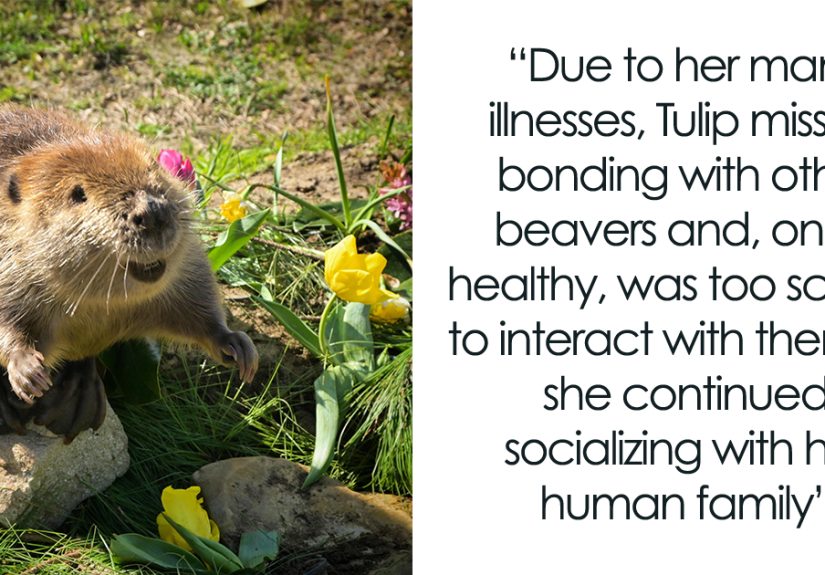
If there were an award for “most unexpected big sister on the internet,” Tulip would chew through the competition, stack the trophy in a neat little pile, and probably try to turn it into a dam. Her story is one of those rare wildlife rescue tales that manages to be adorable, meaningful, and surprisingly educational all at once. On the surface, it is about a rescued beaver named Tulip and a tiny newcomer named Petunia. Underneath the cuteness, though, this beaver rescue story opens a window into wildlife rehabilitation, beaver behavior, and the complicated work of helping orphaned animals grow into healthy, capable members of their species.
Tulip did not begin life as a social media darling or a symbol of hope. She started as a fragile orphaned beaver kit found alone in Mississippi, sick and in trouble. Her road to recovery was rocky, messy, and the exact opposite of a Disney montage. But thanks to careful rehabilitation, patient observation, and a whole lot of persistence, Tulip survived. More than that, she eventually found a new role: nurturing baby Petunia, a tiny rescue beaver who gave Tulip something many rehab animals need just as much as medicinepurpose.
This is what makes the story of Tulip the rescued beaver so compelling. It is not just about survival. It is about healing, social connection, animal intelligence, and the powerful reminder that even nature’s most industrious engineers sometimes need a little help getting back on track.
The Rescue That Changed Tulip’s Life
From a construction site to a second chance
Tulip was discovered alone as a baby in Mississippi, a dangerous situation for any young beaver. Beaver kits are not supposed to be wandering solo like tiny woodland interns on their first chaotic day of work. In the wild, young beavers are usually surrounded by family. A healthy colony is built around structure, routine, and cooperation. So when a newborn or very young beaver is found alone, it is often a sign that something has gone badly wrong.
That was the case for Tulip. She entered rescue in poor condition and dealt with serious health problems early on. Reports from her caretakers described pneumonia, seizures, and other setbacks that made her recovery far from simple. Tulip did not just need food and warmth. She needed medical care, close monitoring, and a safe environment where her body could recover without more stress piling on top of the stress she already had. In other words, Tulip needed the wildlife rehab version of round-the-clock nursing, minus the bland hospital pudding.
Her rescuer, Holley Muraco, is a Mississippi-based wildlife rehabilitator, researcher, and assistant research professor affiliated with Mississippi State University. Through Muraco’s nonprofit, Something Wild, Tulip received the kind of specialized care that orphaned beavers often require. That matters because beaver rehabilitation is not easy. These animals have specific dietary needs, habitat needs, and social needs. They also take timelots of it. In many cases, orphaned beaver kits remain in care for roughly two years before release is even possible.
Tulip’s early medical struggles also shaped her long-term future. Rather than becoming a straightforward release candidate, she became something different: a permanent resident and a valuable research animal whose life could still contribute to conservation and public understanding. That may sound like a plot twist, but in wildlife rehabilitation, success does not always mean “back into the wild immediately.” Sometimes success means giving an animal the safest, healthiest life possible while learning from that animal in ways that help others.
Why Tulip and Petunia’s Bond Feels So Special
A big sister story with real biological roots
When tiny Petunia entered the picture, Tulip’s story gained a sweet new chapter. Petunia was another baby rescue beaver, and once she was strong enough, she began interacting with Tulip. What happened next is the kind of thing that makes people grin at their screens and immediately send a link to everyone they know: Tulip began acting like a big sister.
Now, the easy version of this story is to say, “Aww, Tulip adopted the baby.” And yes, that is the heart-melting headline version. But the more interesting version is that Tulip’s behavior makes sense when you understand normal beaver social structure. Beavers are highly social animals that live in family groups called colonies. Those colonies often include a breeding pair, the year’s kits, and older siblings from previous years. Younger beavers commonly stay with their parents for up to two years, helping with infant care, food gathering, and other family tasks before dispersing.
So Tulip’s nurturing behavior toward Petunia is not just internet-cute. It is behavior that fits the broader pattern of beaver family life. In a healthy beaver colony, older siblings are not decorative. They are active participants. They help. They watch. They learn. They practice the social skills they will need later in life. Tulip, despite her difficult start, appeared to tap into exactly that kind of role when Petunia arrived.
That is one reason this rescued beaver story resonates so deeply. Tulip was not simply recovering from illness. She was rediscovering what it means to be a beaver in relation to another beaver. For an animal that had struggled socially because of early health problems, Petunia seems to have opened a new door. Suddenly Tulip was not just the one being cared for. She was the one doing some of the caring.
And honestly, that hits hard. Everybody loves a comeback story. But a comeback story where the former patient becomes the helper? That is emotional catnip. Or, in this case, emotional willow bark.
What Tulip Teaches Us About Beaver Rehabilitation
Wildlife rehab is science, patience, and controlled chaos
If Tulip’s story proves anything, it is that wildlife rehabilitation is not a matter of tossing a baby animal a snack and hoping for the best. Beaver rescue is labor-intensive, expensive, and highly specialized. Young beavers need appropriate nutrition, secure housing, opportunities to express natural behavior, and social exposure when possible. They also need caretakers who understand that these are wild animals, not furry little roommates who happen to enjoy redecorating with sticks.
Muraco’s work has highlighted just how much scientists and rehabilitators are still learning about beaver physiology and veterinary care. Beavers are hindgut fermenters, which means their digestive systems depend on the right microbial balance to break down plant material and bark. That makes antibiotic treatment complicated. Use the wrong medication, or use it carelessly, and the consequences can be severe. Tulip’s medical journey therefore became more than one individual rescue case. It became a source of data.
That data matters. Muraco’s research has explored topics such as beaver behavior, vocalizations, microbiome development, and how illness or treatment may affect young beavers. Tulip’s experience contributed to a better understanding of skin infection, recovery, antibiotic sensitivity, and social development in rescued animals. In plain English: Tulip was not just surviving rehab. She was helping improve it.
Natural behavior matters more than people realize
One of the most delightful details in Tulip’s story is that she has been allowed to express natural building behavior. Tulip has been known to pile up objectsincluding plush toysin ways that echo instinctive dam- and lodge-building behavior. It is objectively funny to picture a beaver treating soft toys like premium construction materials. But it is also significant.
Wildlife rehabilitation works best when animals are given chances to behave like themselves. For beavers, that means manipulating materials, exploring habitat, building structures, swimming, and interacting with other beavers when appropriate. Those behaviors are not side quests. They are central to how beavers learn and develop. A rescued beaver that never gets to build is like a musician forced to travel without an instrument. Something essential is missing.
That is part of what made Petunia’s arrival so important for Tulip. The bond offered companionship, stimulation, and a chance to practice species-typical social behavior. In the world of orphaned beaver rehab, that is not just cute. That is progress.
Beavers Are More Than Viral Animals
They are ecosystem engineers with a serious job description
It would be easy to stop at the emotional part of Tulip and Petunia’s story and call it a day. But that would miss the bigger picture. Beavers matter far beyond the boundaries of a rescue enclosure. They are often called ecosystem engineers because their building activity can reshape landscapes in ways that benefit other species and improve habitat quality.
When beavers build dams, they slow water flow, create ponds and wetlands, raise water tables, and increase habitat complexity. Those changes can support fish, amphibians, birds, insects, and mammals. Beaver-created wetlands can also help store water on the landscape and improve resilience during drought and changing climate conditions. In other words, beavers are not merely cute. They are fuzzy hydrologists with excellent work ethic.
That is why every rescued beaver has value beyond the individual animal. Saving one beaver does not magically restore an ecosystem, of course. But each successful rehabilitation expands our understanding of a species that plays an outsized role in watershed health. Tulip’s story brings that truth into focus. Here is an animal once dismissed as sick, orphaned, and unlikely to thrive. Now she is part of a larger mission involving research, education, and care for future rescue beavers.
Tulip also helps challenge the “nuisance animal” label that beavers often receive, especially in places where human development and wildlife needs collide. Yes, beavers can flood culverts and annoy property owners. They can also build biodiversity-rich wetlands and provide ecological benefits that humans spend huge amounts of money trying to recreate. The more people understand that tension, the more thoughtful conversations around coexistence can become.
Why This Beaver Rescue Story Connects With So Many People
Because it is not really just about beavers
The internet has seen a lot of cute animal content. Frankly, the competition is brutal. Every day there is a heroic pigeon, a cat with a suspicious eyebrow, or a golden retriever acting like it pays taxes. And yet Tulip and Petunia stand out. Why? Because their story carries emotional weight.
Tulip represents vulnerability turned into resilience. Petunia represents trust arriving in a tiny, wobbly package. Together, they tell a story people instantly understand: healing is easier when connection enters the room. That idea is universal whether you are talking about wildlife rehabilitation, human relationships, or the way everyone becomes slightly more functional after one good friend shows up with snacks.
The story also works because it avoids the usual flat rescue narrative. Tulip was not just “saved.” She changed. She adapted. She became useful to others. Her bond with Petunia suggests that animals recovering from trauma or illness are not frozen in one identity forever. That is powerful. It invites empathy without turning the animals into cartoons.
And there is another reason the story lands so well: it offers a glimpse into the quiet intelligence of beavers. The public often knows beavers as dam-builders and tree-chewers, but Tulip and Petunia hint at something richersocial learning, attachment, curiosity, problem-solving, and the subtle emotional rhythms of family-oriented animals. Once people see that, they tend to care more. That is good news for conservation, for wildlife rehabilitation, and for any future beaver who needs a second chance.
The Deeper Experience of Following Tulip and Petunia’s Story
Why this kind of wildlife story lingers long after the first “aww”
There is a particular feeling that comes with following a story like Tulip and Petunia’s. At first, it looks like simple delight. You see a rescued beaver. Then you see a smaller rescued beaver. Then the larger beaver starts acting protective and gentle, and your brain basically clocks out and says, “Well, this is the best thing I have seen all week.” But the longer you sit with the story, the more layered that feeling becomes.
Part of the experience is wonder. Most people do not grow up thinking much about beaver family dynamics, beaver vocalizations, or the microbiome challenges of an orphaned beaver kit. Then a story like this arrives and suddenly the species feels vivid, complicated, and deeply familiar. You realize these animals are not just background wildlife. They are social, structured, and intensely engaged with their environment. They work. They build. They learn. They respond to one another. That recognition changes the viewer’s relationship to the animal.
Another part of the experience is relief. Tulip’s story began with genuine danger. She was sick, vulnerable, and not guaranteed a good outcome. Watching her move from that fragile beginning into a nurturing role with Petunia gives the audience a sense of emotional exhale. It does not erase the hard parts, but it reframes them. The rescue is no longer only about crisis. It becomes about possibility.
There is also something unusually moving about seeing competence return to an animal that once needed so much help. Tulip is not presented as broken forever. She becomes active, expressive, and socially meaningful. She builds. She interacts. She helps with younger beavers. That progression mirrors one of the most hopeful truths in rehabilitation, whether animal or human: recovery is not always a straight line, but purpose can reappear in surprising ways.
For many readers and viewers, the bond between Tulip and Petunia also stirs up something profoundly familiar. It resembles the emotional architecture of caregiving. One individual steadies another. One being who has survived something difficult becomes gentler, wiser, and more attuned to vulnerability in someone smaller. It feels parental, sibling-like, and communal all at once. Even without projecting too much human emotion onto wildlife, people can recognize the pattern. Care teaches care.
What makes this story especially effective is that it balances sweetness with substance. Tulip and Petunia are not compelling only because they are cute. They are compelling because their relationship points toward real biological truths about beaver colonies, real scientific questions about wildlife medicine, and real conservation value in species that are often misunderstood. The experience of reading about them therefore feels both cozy and clarifying. You are entertained, but you also leave a little smarter than when you arrived.
And maybe that is the real magic here. Tulip and Petunia remind people that wildlife stories do not have to be grand, distant, or dramatic to matter. Sometimes the most memorable conservation lesson arrives in the form of one resilient rescued beaver making room in her life for one tiny newcomer. No explosions. No heroic soundtrack. Just trust, patience, banana-fueled determination, and the slow, beautiful work of becoming family.
Conclusion
Tulip the rescued beaver is more than a charming internet favorite. She is living proof that wildlife rehabilitation can restore not only health, but also social confidence, behavioral growth, and scientific understanding. Her bond with baby Petunia is endearing because it feels tender and genuine, but it is also meaningful because it reflects the deeply social structure of beaver life.
In Tulip’s journey, we see the full arc of what good rescue work can do. A sick orphaned beaver survived. A complicated medical case became a source of research. A once-fragile animal found a role in helping younger beavers. And a story that could have ended in loss instead became one of connection, resilience, and hope. That is a beautiful outcome for Tulip, a valuable lesson for wildlife rehabilitation, and one more reason people should care about beavers as both animals and ecosystem engineers.
In the end, Tulip did not just find safety. She found purpose. And for one tiny beaver named Petunia, that purpose looked a lot like having the best big sister in the pond.





 Close
Close