
Table of Contents >> Show >> Hide
- Why Eating Healthy on a Budget Is Possible
- 11 Dietitian-Backed Tricks to Eat Healthy Without Overspending
- 1. Plan Meals Before You Shop, Not After You Panic
- 2. Use the “Protein + Fiber + Color” Formula
- 3. Fall in Love With Beans and Lentils
- 4. Buy Frozen and Canned Produce Without Guilt
- 5. Shop Store Brands Like a Nutrition Ninja
- 6. Cook Once, Eat Two or Three Times
- 7. Make Meat a Flavor, Not Always the Main Event
- 8. Read Nutrition Labels for the Big Three
- 9. Stop Paying Extra for Convenience You Can Handle Yourself
- 10. Build a Cheap Healthy Pantry
- 11. Choose Flexible Recipes, Not One-Time Ingredients
- Budget-Friendly Meal Ideas That Actually Taste Good
- Common Mistakes That Make Healthy Eating More Expensive
- Real-Life Experience: What Eating Healthy on a Budget Looks Like in Practice
- Final Thoughts
Eating healthy on a budget can feel like trying to solve a puzzle where half the pieces are coupons, one piece is a sad banana, and the final boss is the price of olive oil. The good news? You do not need a celebrity fridge, imported sea moss, or a pantry organized by a professional label maker to eat well. You need a plan, a few flexible ingredients, and the ability to look at a can of beans and say, “You, my friend, are dinner.”
Dietitians often come back to the same practical truth: healthy eating is not about perfection. It is about building meals from nutrient-dense foods you can actually afford, find, cook, and enjoy. That means fruits and vegetables, whole grains, lean proteins, beans, lentils, eggs, canned fish, low-fat or unsweetened dairy, healthy fats, and smart use of frozen and canned staples. It also means not letting marketing convince you that “healthy” must be expensive, organic, tiny, beige, and sold in a pouch with a mountain goat on it.
Below are 11 dietitian-backed tricks that make healthy eating cheaper, easier, and far less dramatic. Use them all, or start with two this week. Your grocery bill does not need a total personality makeover overnight.
Why Eating Healthy on a Budget Is Possible
The biggest myth about budget-friendly healthy eating is that nutritious food always costs more. Some items do cost more, especially pre-cut produce, single-serving snacks, restaurant meals, and trendy packaged “wellness” products. But many of the most nutritious foods in the store are also some of the cheapest: oats, brown rice, potatoes, bananas, apples, cabbage, carrots, frozen vegetables, canned tomatoes, beans, lentils, eggs, peanut butter, yogurt, and canned tuna or salmon.
The real money leak is often not one expensive food. It is the pattern: shopping without a list, buying aspirational vegetables that slowly become refrigerator compost, grabbing takeout because there is “nothing to eat,” and paying extra for convenience. Healthy eating on a budget works best when you stop chasing perfect meals and start building repeatable systems.
11 Dietitian-Backed Tricks to Eat Healthy Without Overspending
1. Plan Meals Before You Shop, Not After You Panic
Meal planning sounds boring until you realize it is basically a grocery bill defense system. Before shopping, take 15 to 20 minutes to map out breakfasts, lunches, dinners, and snacks. You do not need a color-coded spreadsheet. A simple note on your phone works beautifully.
Start with what you already have. If there is rice in the pantry, frozen broccoli in the freezer, and eggs in the fridge, you are not starting from zero. You are starting from fried rice, grain bowls, omelets, or soup. Build your grocery list around filling the gaps, not buying a whole new lifestyle every Sunday.
A budget-friendly meal plan might look like oatmeal with frozen berries for breakfast, lentil soup for lunch, chicken thighs with roasted carrots and potatoes for dinner, and apples with peanut butter for snacks. Simple? Yes. Cheap? Usually. Nutritious? Absolutely. Fancy enough for a cooking show? Only if the host is very tired, but that is fine.
2. Use the “Protein + Fiber + Color” Formula
If counting calories, macros, grams, and every chia seed makes your soul leave your body, try this easier formula: protein + fiber + color. A satisfying budget meal usually needs a protein source, a fiber-rich carbohydrate or legume, and a fruit or vegetable.
For example, eggs plus whole-grain toast plus spinach. Beans plus brown rice plus salsa and cabbage. Tuna plus whole-grain crackers plus cucumber. Greek yogurt plus oats plus frozen berries. This formula helps keep meals balanced without turning dinner into a math exam.
Protein supports fullness and muscle maintenance. Fiber supports digestion and helps meals feel more satisfying. Color usually means produce, which brings vitamins, minerals, and flavor. When these three show up together, your meal is much less likely to leave you hunting for cookies 40 minutes later.
3. Fall in Love With Beans and Lentils
Beans and lentils are the superheroes of cheap healthy eating. They are shelf-stable, filling, versatile, and rich in plant-based protein and fiber. They also do not demand much attention. Lentils, in particular, cook quickly and do not require soaking, which is perfect for people who remember dinner exists at 6:47 p.m.
Use black beans in tacos, chickpeas in curry, kidney beans in chili, white beans in soup, and lentils in pasta sauce. If canned beans are easier, buy them. Rinse them to reduce sodium, then add them to meals for instant bulk and nutrition.
One budget trick that actually works: replace half the ground meat in a recipe with lentils or beans. Taco meat, chili, sloppy joes, pasta sauce, and casseroles all handle this beautifully. You stretch the expensive ingredient, add fiber, and still get a hearty meal.
4. Buy Frozen and Canned Produce Without Guilt
Fresh produce is wonderful, but it is not morally superior. Frozen and canned fruits and vegetables can be nutritious, affordable, and far less likely to turn into a science experiment in the crisper drawer.
Frozen vegetables are great for stir-fries, soups, omelets, pasta, fried rice, and sheet-pan meals. Frozen fruit works well in oatmeal, yogurt bowls, smoothies, and quick sauces. Canned tomatoes can become soup, chili, pasta sauce, curry, or shakshuka. Canned corn, carrots, green beans, and peas can round out meals quickly.
Look for options with no added sugar, no syrup, and low sodium when possible. If regular canned vegetables are what your budget allows, rinsing them can help reduce some of the sodium. The goal is not to win a purity contest. The goal is to eat more plants without throwing away half your paycheck.
5. Shop Store Brands Like a Nutrition Ninja
Store brands are often one of the easiest ways to save money without changing what you eat. Many generic oats, canned beans, frozen vegetables, yogurt, milk, rice, pasta, nut butters, and canned tomatoes are nutritionally similar to name-brand versions.
The front of the package may look less glamorous, but your lentils do not need a public relations team. Compare Nutrition Facts labels and ingredient lists. If the store-brand version has similar fiber, protein, sodium, added sugar, and saturated fat numbers, it is probably a smart swap.
This works especially well for pantry staples. Once you find store-brand items you like, make them your default. A few dollars saved each trip adds up quickly over a month.
6. Cook Once, Eat Two or Three Times
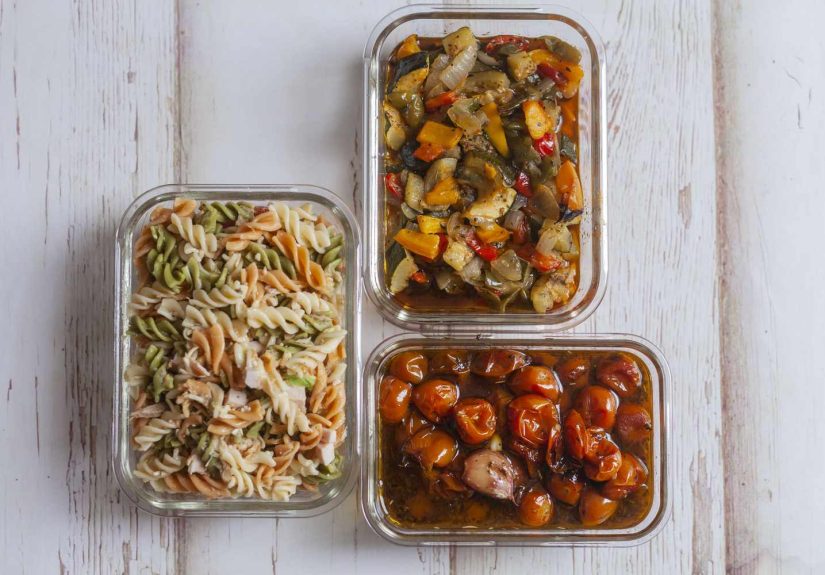
Batch cooking does not mean spending your entire Sunday trapped in a kitchen sauna. It means cooking one thing that can become several meals. Make a big pot of chili, soup, rice, roasted vegetables, chicken, lentils, or pasta sauce. Then remix it.
For example, roasted vegetables can go into grain bowls on Monday, wraps on Tuesday, and omelets on Wednesday. A pot of beans can become tacos, soup, salad topping, and a quick dip. Cooked chicken can become sandwiches, stir-fries, pasta, or burrito bowls.
The trick is to prep building blocks, not identical containers of food you will resent by Thursday. Repetition saves money, but variety saves morale.
7. Make Meat a Flavor, Not Always the Main Event
Meat, poultry, and seafood can absolutely fit into a healthy budget, but they are often among the most expensive items in the cart. Instead of making meat the giant centerpiece of every meal, use it strategically.
Add a little chicken to vegetable soup, a small amount of turkey to bean chili, or canned salmon to a rice bowl. Choose less expensive cuts like chicken thighs, buy family packs when on sale, and freeze portions for later. Eggs, tofu, beans, lentils, peanut butter, yogurt, and canned fish can also help cover protein needs without draining the budget.
This does not mean becoming vegetarian unless you want to. It means giving your grocery bill a little breathing room.
8. Read Nutrition Labels for the Big Three
Nutrition labels can look like tiny legal documents, but you do not need to analyze every line. For everyday shopping, focus on three things that often sneak into packaged foods: added sugars, sodium, and saturated fat.
Compare cereals, breads, sauces, soups, frozen meals, yogurts, and snack foods. Choose lower-added-sugar versions when possible. Look for lower-sodium canned goods and soups. Pick foods with less saturated fat most of the time, especially if you are buying items like frozen dinners, baked goods, processed meats, or creamy sauces.
Labels are especially useful when two products look equally healthy on the front. The front is marketing. The back is where the food tells the truth, usually in very small font.
9. Stop Paying Extra for Convenience You Can Handle Yourself
Convenience foods are not evil. Sometimes a bagged salad or rotisserie chicken is the difference between dinner and a cereal incident. But convenience has a price, and some of it is easy to avoid.
Pre-cut fruit, shredded cheese, single-serving snack packs, instant rice cups, bottled smoothies, and pre-seasoned kits often cost more than basic versions. When you have the time and energy, buy whole carrots instead of baby carrots, a block of cheese instead of shredded, plain oats instead of flavored packets, and large tubs of yogurt instead of individual cups.
Then create your own convenience. Portion snacks into containers. Wash fruit after shopping. Cook a pot of rice. Chop onions and freeze them. Future-you will be delighted, and possibly suspicious that past-you was so responsible.
10. Build a Cheap Healthy Pantry
A healthy pantry is your emergency backup plan. It helps you make dinner when fresh food is low, time is short, or your motivation has packed a suitcase and left.
Good budget pantry staples include oats, brown rice, whole-grain pasta, canned tomatoes, canned beans, lentils, peanut butter, canned tuna or salmon, low-sodium broth, shelf-stable milk or powdered milk, olive or canola oil, herbs, spices, onions, potatoes, and whole-grain crackers. In the freezer, keep frozen vegetables, frozen fruit, and maybe a protein option such as chicken, fish, tofu, or edamame.
With these basics, you can make oatmeal, soup, chili, pasta, stir-fry, tuna salad, bean tacos, curry, grain bowls, and quick skillet meals. A stocked pantry turns “we have nothing” into “we have three decent options and one weird but edible option.” That is a victory.
11. Choose Flexible Recipes, Not One-Time Ingredients
Some recipes are budget traps wearing a cute apron. They ask for one tablespoon of a special sauce, a rare spice, half a bunch of herbs, and a cheese you have to Google. Then those ingredients sit around waiting for a second date that never comes.
Choose recipes built from ingredients you already use in multiple ways. Cabbage can become slaw, stir-fry, soup, tacos, or salad. Sweet potatoes can be roasted, mashed, stuffed, or added to chili. Eggs can become breakfast, lunch, dinner, or the “I forgot to plan” plan. Yogurt can be breakfast, sauce, dip, or smoothie base.
Before buying a new ingredient, ask: “Will I use this at least twice?” If the answer is no, skip it or find a substitute. Your budget likes repeat performers.
Budget-Friendly Meal Ideas That Actually Taste Good
Healthy budget meals do not have to taste like punishment with parsley. Try black bean tacos with cabbage slaw, lentil chili with cornbread, tuna and white bean salad with whole-grain crackers, oatmeal with peanut butter and banana, egg fried rice with frozen vegetables, baked potatoes topped with broccoli and yogurt, chickpea curry over brown rice, or whole-grain pasta with canned tomatoes, spinach, and beans.
For snacks, think apples with peanut butter, popcorn, yogurt with frozen fruit, carrots with hummus, hard-boiled eggs, cottage cheese, roasted chickpeas, or whole-grain toast. The best snack is one that prevents you from becoming so hungry that you order enough takeout for a small committee.
Common Mistakes That Make Healthy Eating More Expensive
The first mistake is buying food for an imaginary version of yourself. This imaginary person makes green juice at 5 a.m., eats raw kale with joy, and never forgets about mushrooms. Shop for your real life. If you hate kale, do not buy kale. If you know weeknights are chaotic, plan simple meals.
The second mistake is confusing trendy with healthy. Protein cookies, wellness shots, specialty waters, and expensive snack bars may have a place, but they are not required. Many basic foods are nutritional powerhouses without the influencer lighting.
The third mistake is wasting leftovers. Leftovers need a plan. Turn extra rice into fried rice. Add leftover vegetables to eggs. Freeze soup in single portions. Use extra chicken in wraps. Put a “use first” container in the fridge so good food does not disappear behind the mustard museum.
Real-Life Experience: What Eating Healthy on a Budget Looks Like in Practice
Here is what this can look like in an ordinary week. Imagine someone trying to eat better while keeping grocery spending under control. They do not have unlimited time, they do not own six matching glass containers, and their kitchen is not softly lit like a cooking magazine. They are simply trying to get through the week with meals that support energy, digestion, and sanity.
They start by checking the kitchen before shopping. There is half a bag of brown rice, a can of black beans, frozen peas, eggs, peanut butter, oats, and a slightly dramatic onion. Instead of ignoring these ingredients, they build around them. The shopping list becomes shorter: bananas, apples, cabbage, carrots, plain yogurt, chicken thighs on sale, canned tomatoes, lentils, whole-grain bread, and frozen berries.
On Sunday, they cook rice, make a pot of lentil tomato soup, and roast carrots with onions. Nothing fancy happens. No one massages kale. No tiny spoon places sauce dots on a plate. But now there are building blocks. On Monday, lunch is lentil soup with toast. Dinner is chicken thighs with rice and roasted carrots. On Tuesday, leftover rice becomes fried rice with eggs and frozen peas. On Wednesday, black beans, cabbage, and yogurt sauce become tacos. Breakfasts rotate between oats with banana and peanut butter, yogurt with frozen berries, and eggs with toast.
The biggest surprise is not that the food is cheap. It is that the week feels calmer. There is less staring into the fridge like it might reveal a prophecy. There are fewer emergency purchases. There is still room for convenience when needed, but convenience is no longer the whole plan.
Another experience many budget-conscious eaters discover is that flavor matters more than expensive ingredients. A $1 can of beans can taste completely different depending on what you do with it. Add cumin, garlic, onion, and lime, and it becomes taco filling. Add tomatoes, chili powder, and corn, and it becomes chili. Add olive oil, lemon, and herbs, and it becomes a salad. Spices and acids like vinegar, lemon juice, salsa, and hot sauce are budget heroes because they prevent affordable meals from tasting repetitive.
There is also a learning curve. Sometimes you buy too much produce. Sometimes the family rejects lentils as if you have served pebbles. Sometimes you plan soup and then the weather turns hot enough to make soup feel illegal. That is normal. Budget healthy eating improves through small adjustments. Buy fewer perishables next time. Try lentils in taco meat instead of soup. Make grain bowls instead of stew. The goal is progress, not a documentary about flawless meal prep.
One of the most useful personal rules is “save one meal.” Do not try to fix every eating habit at once. Start by improving one meal you repeat often. If breakfast is usually skipped or bought on the go, make it oats, eggs, yogurt, or peanut butter toast. If lunch is expensive takeout, prepare two lunches per week. If dinner is the budget problem, keep three emergency meals ready: pasta with beans and tomatoes, egg fried rice with frozen vegetables, and baked potatoes with toppings.
Over time, these small routines become automatic. You learn which store brands taste good, which frozen vegetables you actually use, which meals freeze well, and which “healthy” products are just expensive snacks wearing a gym outfit. Eating healthy on a budget stops feeling like restriction and starts feeling like skill. And skills get easier every time you practice them.
Final Thoughts
Trying to eat healthy on a budget does not require perfection, expensive superfoods, or a fridge that looks like it belongs to a wellness influencer. It requires planning, flexibility, and a willingness to let humble foods do heroic things. Beans, oats, rice, eggs, frozen vegetables, canned tomatoes, lentils, yogurt, potatoes, cabbage, and apples may not be glamorous, but they work.
The smartest approach is to plan before shopping, buy versatile staples, use frozen and canned produce, compare labels, cook once for multiple meals, and make protein and fiber the backbone of your plate. Dietitian-backed healthy eating is not about spending more. It is about spending better.
Start with one trick this week. Maybe plan three dinners. Maybe buy frozen vegetables. Maybe swap one takeout meal for a bean burrito bowl. Small changes can protect your budget, improve your nutrition, and make your kitchen feel less like a financial crime scene.







 Close
Close