
Table of Contents >> Show >> Hide
- Understanding the Overdose Crisis in a Clinical Setting
- What Does Health Care Provider Liability Mean?
- Common Liability Scenarios After a Drug Overdose
- Medical Malpractice: The Core Legal Elements
- Controlled Substances and Criminal Exposure
- Pharmacist and Pharmacy Liability
- Documentation: The Quiet Hero of Liability Prevention
- Risk Management Strategies for Providers
- Hospitals, Clinics, and Corporate Liability
- Patient Autonomy, Stigma, and Fair Care
- Specific Example: A Risky Refill Request
- Specific Example: Safer Post-Overdose Care
- Experiences and Practical Lessons From the Front Lines
- Conclusion
Drug overdoses are no longer a distant public health headline. They are happening in emergency departments, primary care offices, pharmacies, inpatient units, telehealth visits, pain clinics, behavioral health programs, and sometimes in the quiet spaces between appointments. For health care providers, this reality creates a difficult balance: relieve suffering, treat pain, support recovery, prevent harm, follow the law, and document it all before the electronic health record times out and demands another password.
The topic of drug overdoses and health care provider liability sits at the intersection of medicine, ethics, public health, and law. It is not simply about whether a clinician prescribed an opioid or whether a pharmacist filled a controlled substance order. Liability can depend on the provider’s role, the patient’s risk factors, the standard of care, state prescribing rules, documentation, follow-up, communication, and whether the provider acted with reasonable clinical judgment.
In the United States, overdose deaths remain a major preventable health crisis, even as recent provisional data have shown encouraging declines. The legal landscape has also evolved. Courts, regulators, medical boards, hospitals, insurers, and families may all examine what happened before an overdose. The big question is often painfully simple: could this harm have been reasonably prevented?
Understanding the Overdose Crisis in a Clinical Setting
A drug overdose occurs when a substance overwhelms the body’s ability to function safely. In health care liability cases, the substances most often discussed include prescription opioids, illicit fentanyl, benzodiazepines, stimulants, alcohol, sedatives, and combinations of drugs. Combination use is especially important because patients may not always understand how risky it can be to mix medications, alcohol, or street drugs.
For providers, overdose risk is not limited to the patient who openly reports substance use disorder. Risk may also appear in patients receiving long-term opioid therapy, people recently discharged from detoxification or incarceration, patients with respiratory disease, older adults taking multiple medications, and individuals with a history of mental health conditions. A clean waiting room and a polite conversation do not automatically equal low risk. Medicine, unfortunately, does not come with a flashing neon sign that says, “Liability issue loading.”
Health care professionals are not expected to predict every tragedy. The law generally does not require perfection. What it does require is reasonable care under the circumstances. That means providers should identify known risks, apply accepted clinical standards, communicate clearly, and take sensible preventive steps when warning signs appear.
What Does Health Care Provider Liability Mean?
Health care provider liability refers to legal responsibility that may arise when a patient is harmed and the provider’s action or inaction is alleged to have contributed to that harm. In overdose cases, liability may involve physicians, nurse practitioners, physician assistants, pharmacists, nurses, hospitals, treatment centers, telehealth companies, correctional health providers, and sometimes corporate health systems.
Liability is usually discussed in several major categories: medical malpractice, negligence, wrongful death, professional discipline, regulatory violations, and, in extreme cases, criminal liability. Each category has a different standard. A malpractice claim may ask whether the provider breached the standard of care. A medical board investigation may ask whether the provider practiced below professional expectations. A criminal case involving controlled substances may require proof of knowing or intentional unauthorized conduct.
That distinction matters. A poor outcome does not automatically prove malpractice. A patient’s relapse does not automatically mean a clinician was negligent. However, careless prescribing, ignoring clear warning signs, failing to monitor high-risk therapy, inadequate documentation, or abandoning a patient without appropriate referral can create serious legal exposure.
Common Liability Scenarios After a Drug Overdose
1. Overprescribing or Unsafe Prescribing
One of the most visible liability risks involves prescribing opioids or other controlled substances without adequate evaluation. A claim may allege that the provider prescribed too much medication, prescribed for too long, failed to assess risk, ignored signs of misuse, or continued prescribing despite evidence of harm.
Responsible prescribing usually includes a patient-specific assessment, discussion of benefits and risks, consideration of non-opioid options, clear treatment goals, follow-up, and appropriate monitoring. Current clinical guidance emphasizes individualized care rather than rigid one-size-fits-all rules. That is good news for clinicians and patients because pain is not a spreadsheet. Still, individualized care must be supported by sound reasoning and documentation.
2. Failure to Check Prescription Drug Monitoring Programs
Prescription Drug Monitoring Programs, commonly called PDMPs, allow clinicians and pharmacists to review controlled substance histories. Many states require PDMP checks in certain prescribing situations. When a provider fails to check the PDMP where required, or ignores obvious concerns shown in the report, that omission may become evidence in a negligence or board discipline case.
A PDMP check is not a crystal ball. It does not reveal every risk, and it may not include all relevant information. But it can show patterns such as multiple prescribers, overlapping opioid and benzodiazepine prescriptions, early refills, or high total dosage. When the data suggest danger, providers should respond thoughtfully rather than pretending the report is decorative wallpaper.
3. Failure to Warn or Educate the Patient
Patient education is a major part of overdose prevention. Providers may reduce risk by explaining medication instructions, storage, potential interactions, sedation risks, and what to do if the patient feels unsafe. In legal disputes, the question is often not only what was prescribed, but what the patient was told.
For example, if a patient is prescribed an opioid after surgery while also taking a sedative medication, the provider should consider whether the patient understands the risk of combining central nervous system depressants. The same applies when a patient has respiratory conditions, sleep apnea, or other factors that increase vulnerability. Clear counseling can protect patients and providers alike. It is the medical version of “measure twice, cut once,” except the measuring involves lives rather than lumber.
4. Failure to Offer Naloxone When Clinically Appropriate
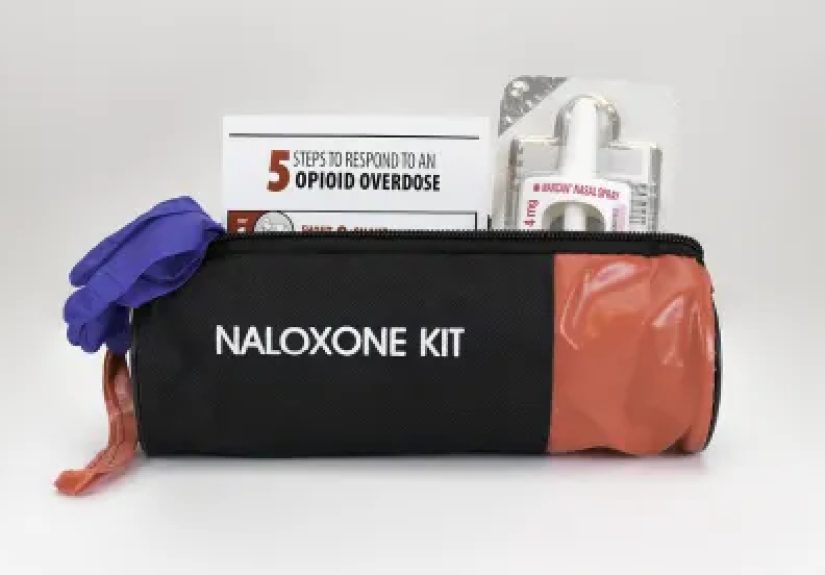
Naloxone is widely recognized as an opioid overdose reversal medication. Public health agencies and medical organizations have encouraged broader naloxone access for people at elevated overdose risk. In some circumstances, failure to offer or prescribe naloxone may be raised as part of a liability argument, especially when a patient had known risk factors.
Clinicians should know their state laws, institutional policies, and professional guidance. Many states have expanded naloxone access through standing orders, pharmacy protocols, and liability protections. Offering naloxone should not be treated as an accusation against the patient. It can be framed like a seat belt, fire extinguisher, or smoke alarm: you hope it is never needed, but you do not wait for the kitchen to catch fire before buying one.
5. Poor Management of Opioid Use Disorder
Opioid use disorder is a treatable medical condition. Evidence-based treatment may include medications such as buprenorphine, methadone through certified programs, or naltrexone, along with counseling and recovery support when appropriate. Liability concerns may arise when a provider fails to identify opioid use disorder, refuses appropriate care without referral, abruptly discontinues medications in a dangerous way, or misses opportunities for treatment after a nonfatal overdose.
A nonfatal overdose is a critical intervention point. Emergency departments, hospitals, primary care clinics, and behavioral health programs can use that moment to connect patients with treatment and harm-reduction resources. Sending someone away with nothing more than a discharge packet and a vague “good luck” is rarely the gold standard of care.
Medical Malpractice: The Core Legal Elements
Most overdose-related malpractice claims revolve around four basic elements: duty, breach, causation, and damages.
Duty means the provider had a professional responsibility to the patient. This usually exists once a provider-patient relationship is established. Breach means the provider failed to meet the applicable standard of care. Causation means the breach contributed to the overdose or death. Damages means the patient or family suffered legally recognized harm.
Causation is often the hardest issue. Overdose cases may involve multiple substances, multiple prescribers, illicit drugs, pharmacy decisions, patient choices, family circumstances, and gaps in follow-up. A plaintiff may argue that unsafe prescribing created the risk. A defense may argue that the overdose resulted from independent conduct or substances the provider did not prescribe. The outcome depends heavily on facts, expert testimony, records, and state law.
Controlled Substances and Criminal Exposure
Most providers worry about malpractice, but controlled substance cases can also involve regulatory or criminal enforcement. The federal Controlled Substances Act regulates drugs based on accepted medical use, abuse potential, and safety or dependence risk. Clinicians who prescribe controlled substances must do so for legitimate medical purposes within professional practice.
The U.S. Supreme Court’s decision in Ruan v. United States clarified an important point in federal criminal prosecutions involving controlled substance prescribing. When a licensed provider produces evidence that prescribing was authorized, the government must prove beyond a reasonable doubt that the provider knowingly or intentionally acted in an unauthorized manner. In plain English: bad medicine and criminal drug dealing are not the same thing. However, the decision does not give providers a free pass to prescribe carelessly. It simply reinforces that criminal liability requires a higher mental-state showing.
Medical boards and civil courts may still evaluate whether a provider acted negligently or below professional standards. A clinician may avoid criminal conviction and still face licensing discipline, malpractice exposure, loss of employment, payer audits, or reputational damage. Legal categories are like hospital coffee machines: they may be in the same building, but they do not all work the same way.
Pharmacist and Pharmacy Liability
Pharmacists also play a major role in overdose prevention. Their responsibilities may include reviewing prescriptions for red flags, checking drug interactions, verifying legitimacy, counseling patients, and following federal and state controlled-substance rules. Liability may arise when a pharmacy fills prescriptions despite obvious warning signs, ignores internal safety alerts, or fails to act on patterns suggesting diversion or unsafe dispensing.
At the same time, pharmacists must avoid unfairly blocking legitimate patient care. Patients with cancer pain, severe injury, palliative needs, or complex chronic conditions may require controlled medications. The challenge is to distinguish appropriate care from unsafe dispensing without turning the pharmacy counter into a courtroom drama.
Documentation: The Quiet Hero of Liability Prevention
Good documentation does not replace good care, but it helps prove good care happened. In overdose-related litigation, records are often examined line by line. Did the provider assess pain and function? Did they document risk factors? Did they discuss alternatives? Did they check the PDMP? Did they consider naloxone? Did they respond to early refill requests? Did they follow up after concerning behavior?
Documentation should be specific enough to show clinical reasoning. A vague note such as “meds refilled” may not help much. A stronger note explains why the medication was continued, what risks were reviewed, what monitoring occurred, and what plan was made. If it was not documented, lawyers may treat it as if it happened in a parallel universe with no witnesses.
Risk Management Strategies for Providers
Use Patient-Centered Risk Assessment
Risk assessment should be individualized. Providers can consider diagnosis, pain severity, functional goals, substance use history, mental health conditions, medication combinations, prior overdose, age, respiratory disease, and social factors. Screening tools may help, but clinical judgment remains essential.
Prefer the Lowest Effective Risk Approach
When opioids or other controlled substances are necessary, providers should generally use the lowest effective dose and shortest appropriate duration, with careful follow-up. Non-opioid therapies, physical therapy, behavioral health support, interventional options, and lifestyle strategies may be part of a broader plan.
Avoid Abrupt or Unsafe Discontinuation
Fear of liability can push some clinicians toward sudden opioid discontinuation. That can be dangerous. Patients who are physically dependent may face withdrawal, uncontrolled pain, loss of tolerance, illicit drug use, or overdose risk. Tapering decisions should be thoughtful, individualized, and supported by patient communication whenever possible.
Coordinate Care
Overdose prevention improves when prescribers, pharmacists, behavioral health providers, emergency departments, and family supports communicate appropriately. Fragmented care creates cracks where risk can grow. Coordinated care is not glamorous, but neither is explaining in court why nobody noticed three overlapping prescriptions.
Know State Laws and Board Rules
State laws vary widely. Some states require PDMP checks, opioid treatment agreements, continuing education, dosage thresholds, naloxone offers, or specific documentation. Providers should follow the rules in the states where they practice, including telehealth requirements. “I assumed it was the same as last year” is rarely a winning compliance strategy.
Hospitals, Clinics, and Corporate Liability
Health care organizations may face liability for negligent hiring, poor supervision, inadequate policies, weak compliance systems, unsafe discharge procedures, or failure to train staff. A hospital may be scrutinized after a patient overdoses shortly after discharge if the patient had known risk factors and no meaningful follow-up plan.
Corporate liability can also arise when productivity pressure, understaffing, poor electronic health record design, or inadequate pharmacy oversight contributes to unsafe care. A system cannot simply blame individual clinicians if the system made safe practice nearly impossible. When a clinic schedules complex pain visits into seven-minute appointment slots, the calendar itself may become part of the risk story.
Patient Autonomy, Stigma, and Fair Care
Overdose liability discussions should not reduce patients to risks, charts, or legal problems. People with substance use disorders often face stigma, shame, and barriers to care. Fear-based medicine can harm patients when providers refuse treatment, dismiss pain, or abandon people who need help.
The best approach is neither reckless prescribing nor cold rejection. It is careful, compassionate, evidence-based care. Providers can protect themselves legally by treating patients respectfully, explaining decisions, offering alternatives, documenting reasoning, and connecting people with appropriate services.
Specific Example: A Risky Refill Request
Imagine a patient calls three days early for an opioid refill after a back injury. The patient says the medication was lost. The PDMP shows another recent controlled substance prescription from an urgent care clinic. A rushed provider approves the refill without asking questions, documenting concerns, checking interactions, or arranging follow-up. Days later, the patient experiences an overdose involving multiple substances.
This scenario does not automatically prove malpractice. But it creates obvious questions: Was the refill clinically justified? Were warning signs addressed? Was the patient counseled? Was naloxone considered? Did the provider coordinate with the other prescriber? Did the chart explain the decision? Liability often grows in the gap between a warning sign and a documented response.
Specific Example: Safer Post-Overdose Care
Now imagine a patient survives an opioid overdose and arrives in the emergency department. A safer care pathway may include medical stabilization, nonjudgmental conversation, assessment for opioid use disorder, naloxone access, discussion of treatment options, referral or initiation of evidence-based treatment when appropriate, and warm handoff to follow-up care.
That approach does not guarantee recovery. No clinician can promise that. But it shows reasonable, patient-centered action at a high-risk moment. From both a clinical and legal perspective, that matters.
Experiences and Practical Lessons From the Front Lines
In real-world health care settings, overdose liability rarely appears as one dramatic mistake. More often, it grows from small missed opportunities. A refill is approved without a conversation. A medication list is not reconciled. A patient’s family mentions sedation, but nobody documents it. A pharmacy alert appears, someone clicks past it, and the day moves on. Each moment may seem minor. Together, they can form the story lawyers, boards, and risk managers review later.
One practical lesson is that providers should treat overdose risk as a continuing conversation, not a single checkbox. A patient who was low risk six months ago may not be low risk today. Life changes. Pain worsens. Depression develops. A spouse dies. A new medication is added. A patient loses housing or starts buying pills outside the medical system. Risk assessment should breathe with the patient’s life, not sit frozen in an old intake form.
Another experience-based lesson is that tone matters. Patients are more likely to be honest when they do not feel judged. A clinician who says, “I want to make this as safe as possible,” will usually get farther than one who says, “Your chart looks suspicious.” The first approach opens a door. The second approach installs a lock, an alarm system, and possibly a moat.
Providers also learn quickly that families can be valuable sources of safety information. A spouse, parent, or caregiver may notice confusion, falls, missed doses, alcohol use, or medication sharing. Privacy rules must be respected, but listening carefully to appropriate collateral information can help clinicians identify risk. Family members may also need education about safe storage, naloxone availability, and when to seek emergency help.
For health systems, the experience is clear: policies must be usable. A 47-page opioid policy that nobody reads is not a safety program; it is a doorstop with footnotes. Effective policies are clear, practical, and supported by training. They should help clinicians know when to check the PDMP, when to offer naloxone, how to manage early refills, how to respond after overdose, and where to refer patients for treatment.
Pharmacists often experience the sharp edge of overdose prevention. They may be the last professional to see a medication before it reaches the patient. Good pharmacy practice requires judgment, not automatic dispensing. When a pharmacist pauses to clarify a prescription, it may frustrate everyone in the moment, but that pause can prevent harm. The key is to communicate respectfully and avoid treating patients as suspects simply because they need controlled medication.
Clinicians also learn that documentation should be written for future clarity. The chart is not only for billing. It is a memory aid, a communication tool, and sometimes a legal exhibit. Notes should explain the “why” behind decisions. Why was the dose changed? Why was therapy continued? Why was naloxone offered? Why was a referral made? Future reviewers should be able to see thoughtful care, not just a trail of refill buttons.
Perhaps the most important lesson is that liability prevention and patient safety are not enemies. They are usually the same project wearing different name tags. Careful prescribing, respectful communication, evidence-based treatment, naloxone access, follow-up, and documentation all reduce harm. They also reduce legal exposure. Providers do not need to practice defensive medicine like every patient visit is a deposition. They need to practice careful medicine like every patient’s life matters, because it does.
Conclusion
Drug overdoses and health care provider liability require a careful balance between compassion and caution. Providers are not expected to control every patient choice or prevent every possible tragedy. They are expected to recognize risk, follow professional standards, communicate clearly, document decisions, and respond appropriately when warning signs appear.
The safest health care systems do not rely on luck. They build overdose prevention into routine practice through responsible prescribing, PDMP use, naloxone access, evidence-based treatment for opioid use disorder, pharmacist collaboration, discharge planning, and ongoing education. In a crisis shaped by pain, addiction, stigma, and legal pressure, the best defense is not fear. It is thoughtful care.
For clinicians, the goal is simple, even when the work is not: treat the patient in front of you, reduce avoidable harm, and leave a record that shows you acted with skill, attention, and humanity.






 Close
Close