
Table of Contents >> Show >> Hide
If your skin has been acting like it is auditioning for the role of “most dramatic organ,” you are not alone. Itchy skin can show up with eczema, dry skin, seasonal irritation, allergies, stress, or a skin barrier that is simply having a rough week. And while food is not a magic wand, what you eat can absolutely influence how well your skin handles inflammation, dryness, and repair. Think of your plate as part of your support team. It may not stop every itch, but it can help your skin behave a little less like a smoke alarm going off over burnt toast.
The trick is to focus on foods that support the skin barrier, supply antioxidants, and calm inflammation without turning your diet into a joyless science experiment. That means fewer miracle-food promises and more smart, realistic choices you can actually live with. Below are five foods worth putting on your shopping list if you want itchy skin relief, along with practical ways to eat them, what they may help with, and where they fit into a bigger skin-friendly routine.
Why Food Matters When Your Skin Feels Itchy
Itchy skin is often tied to dryness, inflammation, or a disrupted skin barrier. When that barrier gets cranky, water escapes more easily, irritants get in faster, and the scratch cycle becomes the world’s least fun hobby. Certain nutrients can help by supporting moisture retention, collagen production, immune balance, and overall skin repair. That is why dermatologists and nutrition experts often talk less about a single “eczema diet” and more about a balanced eating pattern built around whole foods.
That said, food is support, not a standalone cure. If your itching comes from hives, infections, psoriasis, dermatitis herpetiformis, kidney or liver issues, medication reactions, or a true food allergy, you need the right diagnosis, not just another bowl of oats. The smartest approach is to use food as one layer of relief, right alongside gentle skin care, moisturizing, trigger awareness, and medical treatment when needed.
Top 5 Foods for Itchy Skin Relief
1. Fatty Fish
Salmon, sardines, trout, herring, and mackerel are the overachievers of the itchy-skin world. These fish are rich in omega-3 fatty acids, especially EPA and DHA, which are associated with healthier inflammatory responses. Since itchy skin conditions such as eczema often involve inflammation and barrier dysfunction, foods rich in omega-3s make a strong first pick.
Fatty fish also brings protein, selenium, and other nutrients that help the body repair tissues. In plain English: your skin likes materials, and fish shows up with a useful toolbox. Some people notice their skin feels less dry and angry when they eat fish regularly as part of a balanced diet, especially compared with eating a steady stream of fried or ultra-processed foods.
Easy ways to eat it: grilled salmon with roasted vegetables, canned sardines on whole-grain toast, tuna tossed into a bean salad, or baked trout with lemon and herbs. Aim for a couple of fish meals per week if it fits your budget and preferences.
Good to know: if you have a fish allergy, obviously skip this one. Itchy skin relief should not require a side of emergency medicine.
2. Yogurt and Other Probiotic Foods
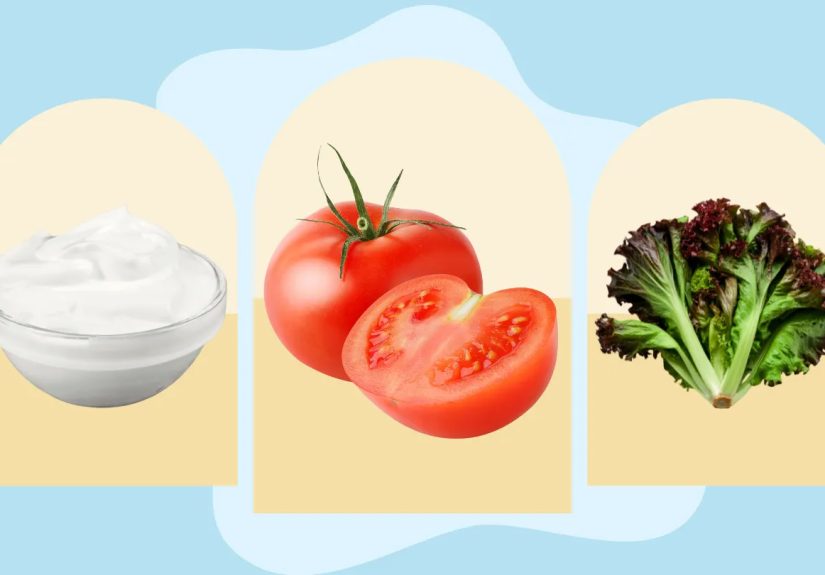
Plain yogurt with live cultures, kefir, sauerkraut, kimchi, and miso are often discussed in connection with the gut-skin axis. The idea is simple: a healthier gut environment may help support immune balance, and immune balance matters when you are dealing with inflammatory skin issues. Research on probiotics for eczema and itchy skin is promising in some cases, mixed in others, and nowhere near miracle territory. Still, probiotic foods are a smart addition for many people because they can support digestive health and may help some individuals see fewer flares.
Yogurt is an especially practical option because it is easy to find, easy to eat, and pairs well with other skin-friendly foods like berries, oats, and seeds. Choose plain yogurt more often than the dessert-disguised-as-breakfast versions loaded with sugar. Your skin does not need a confetti cannon of extra sweeteners first thing in the morning.
Easy ways to eat it: plain Greek yogurt with blueberries, kefir in a smoothie, miso stirred into soup, or a small serving of sauerkraut alongside lunch.
Reality check: probiotic foods may help support itchy skin relief, but they are not guaranteed. Think “helpful maybe,” not “medical legend confirmed.”
3. Citrus Fruits, Berries, Kiwi, and Bell Peppers
Yes, this is technically a group, but they all earn their spot for one major reason: vitamin C. This vitamin helps with collagen production, wound healing, and antioxidant defense. That matters for itchy skin because scratching, dryness, and inflammation can leave skin stressed out and slower to recover. If your skin barrier is trying to rebuild itself, vitamin C is one of the nutrients you want in the room.
Bell peppers, strawberries, oranges, grapefruit, kiwi, and tomatoes are especially strong choices. Berries add bonus plant compounds that help fight oxidative stress, which sounds like something from a chemistry class but really just means cell-damaging wear and tear. The more colorful your produce, the better your odds of getting a range of helpful compounds.
Easy ways to eat it: sliced red bell pepper with hummus, strawberries in yogurt, kiwi with breakfast, citrus fruit as a snack, or tomatoes added to salads and grain bowls.
Why this one matters: itchy skin is rarely just about moisture. Skin also needs repair support, and vitamin C-rich foods help you feed that process from the inside.
4. Almonds and Sunflower Seeds
When it comes to skin-friendly snacks, almonds and sunflower seeds deserve more applause. They are rich in vitamin E, a fat-soluble antioxidant that helps protect cells from damage. Vitamin E is also connected to the skin’s natural oil barrier, which plays a role in helping skin hold onto moisture. That is important when your skin feels dry, flaky, and one tiny breeze away from starting fresh drama.
These foods also provide healthy fats and, depending on the option, a little protein and minerals. They are easy to keep around, require zero cooking skills, and can rescue you from the vending machine when lunch happened three hours late and your patience has left the building.
Easy ways to eat it: a small handful of almonds, sunflower seeds sprinkled over oatmeal, seed butter on apple slices, or chopped nuts over a salad.
Watch portion size: nuts and seeds are nutritious but calorie-dense, so a handful works better than “accidentally” finishing the entire bag while answering emails.
5. Oats
Oats are a quiet hero. They are rich in fiber, especially beta-glucan, which supports heart health, steadier energy, and a healthier gut environment. That gut support is one reason oats make sense in an itchy-skin-friendly eating pattern. They are also filling, versatile, affordable, and easy to pair with other skin-supportive foods like yogurt, berries, chia seeds, and nuts.
Now for the important distinction: colloidal oatmeal is famous for soothing itchy skin when used topically in baths or skin-care products. Eating oats is not the same as soaking in colloidal oatmeal. Still, oats remain a useful food because they contribute fiber, nutrients, and a calmer overall diet pattern. In other words, oatmeal in the bowl helps your routine, while oatmeal in the bath helps your skin directly. Teamwork.
Easy ways to eat it: classic oatmeal with fruit and seeds, overnight oats, oat-based smoothies, or homemade oat muffins with less sugar and more substance.
Bonus: oats tend to be gentle and budget-friendly, which makes them a practical everyday choice rather than a once-a-month health halo purchase.
Foods That May Make Itching Worse for Some People
This is where things get personal. There is no universal “bad food list” for itchy skin, and overly restrictive diets can backfire. But some people notice worse symptoms with specific triggers such as a confirmed food allergen, excess alcohol, highly processed foods, or foods that seem to line up with flares. The keyword is specific. Randomly cutting out half your pantry because a stranger online swore tomatoes ruined their aura is not a strategy.
If you think food is truly triggering your symptoms, track patterns carefully and talk with a clinician or registered dietitian. That is especially important if itching comes with hives, swelling, wheezing, stomach symptoms, or rapid reactions after eating. A real allergy needs real evaluation.
How to Build a Skin-Friendly Plate
You do not need a complicated meal plan to support itchy skin relief. A simple formula works well: start with protein, add colorful produce, include a healthy fat, and bring in fiber. For example, grilled salmon with brown rice and roasted broccoli checks a lot of boxes. So does plain yogurt with berries, oats, and sunflower seeds. Even a humble lunch like tuna, avocado, and tomato on whole-grain toast can do more for your skin than a day built around chips, pastries, and crossed fingers.
Hydration matters too. Dry skin and dehydration are not exactly the same thing, but drinking enough fluids supports your whole system, and skin usually appreciates that. You do not have to become one of those people who carries a gallon jug like it is a personality trait. Just be consistent.
When Food Is Not Enough
If your skin is intensely itchy, wakes you up at night, bleeds from scratching, or comes with thick rashes, open sores, or signs of infection, it is time to get medical help. Food can support relief, but it cannot replace treatment for eczema flares, allergic reactions, or other skin conditions that need a proper diagnosis.
Also remember that not every itchy rash is eczema. Some conditions are linked to gluten, some to allergies, some to immune problems, and some to completely unrelated health issues. If your symptoms are persistent or confusing, let a professional sort out the mystery so your dinner does not have to do all the heavy lifting.
Experience-Based Patterns People Often Notice
The observations below reflect common real-world patterns people report when they try to eat in a more skin-supportive way. They are not proof that one food works for everyone, but they are useful examples of how small nutrition changes can feel in everyday life.
One common experience is that relief is gradual, not dramatic. People often expect one “perfect” food to flip a switch and stop the itching by Tuesday. What tends to happen instead is much less cinematic: the skin feels a little less dry after a couple of weeks, nighttime scratching becomes less intense, and flare-ups feel slightly easier to manage. It is more like turning down the volume than muting the speaker.
Another pattern is that consistency beats intensity. Someone may add salmon once, eat yogurt twice, then declare the experiment a failure by the weekend. But skin usually responds better to steady habits than to random health kicks. A breakfast of oats with berries and yogurt several days a week, plus fish twice weekly and nuts or seeds as snacks, often fits real life better than buying seven exotic ingredients and forgetting them in the back of the refrigerator.
Many people also notice that the foods helping their skin are the same foods that make the rest of their body feel steadier. They describe fewer energy crashes, less bloating, or a general sense of feeling less inflamed and less “puffy.” That may not sound glamorous, but it matters. When your overall diet improves, your skin is not working in isolation. It is part of a larger system that usually thrives on the same basics: whole foods, enough fluids, enough sleep, and fewer ultra-processed ambushes.
There is also the very real experience of discovering that a trigger is specific, not universal. One person may realize alcohol makes their skin feel hotter and itchier. Another may find that a certain packaged snack seems to line up with flares. Someone else may assume gluten is the villain, only to learn later that their real issue is fragranced detergent, dry winter air, and long scorching showers that could steam vegetables. This is why careful observation matters more than copying internet food fears.
Parents of children with itchy skin often describe another pattern: when they stop chasing miracle cures and focus on routine, things become more manageable. Instead of constantly swapping foods in and out, they build balanced meals, keep the child hydrated, moisturize consistently, and work with a clinician on actual triggers. That shift from panic to pattern can be powerful. The skin may not become perfect overnight, but the whole household usually becomes less stressed, and stress itself can be a sneaky flare partner.
Adults with chronic dry or itchy skin also talk about the emotional side. When your skin itches all the time, you can feel defeated, impatient, and weirdly betrayed by your own elbows. Adding supportive foods creates a sense of agency. You may not control every flare, but you can control breakfast. That matters more than people think. A routine built around salmon, oats, yogurt, berries, nuts, seeds, and vegetables is not flashy, but it often feels grounding. And sometimes that steady, boring, effective approach is exactly what irritated skin needs.
Final Thoughts
If you want to eat for itchy skin relief, start simple. Put fatty fish, probiotic foods, vitamin C-rich produce, vitamin E-rich nuts and seeds, and oats into regular rotation. Do it consistently, keep your expectations realistic, and pair food with smart skin care. Your skin may never send a thank-you card, but it may stop yelling quite so often. And honestly, that is a beautiful form of appreciation.







 Close
Close