
Table of Contents >> Show >> Hide
- Quick Table of Contents
- 1) The Great Toilet Paper Panic
- 2) The Fish Tank Cleaner “Cure” Tragedy
- 3) A Bronx Zoo Tiger Tests Positive
- 4) Monkeys Steal COVID-19 Blood Samples
- 5) The Penguin Who Took a Field Trip
- 6) “I’m Not a Cat”: The Zoom Court Moment
- 7) Social Distancing Circles Painted on the Grass
- 8) The Police Robot Dog Backlash
- 9) “Murder Hornets” Crash the Pandemic Party
- 10) Mystery Seed Packets in the Mail
- Why We Loved (and Hated) These Bizarre Coronavirus Stories
- Experiences From the “Bizarre News” Era (Extra )
- Conclusion
If you ever want to explain the COVID-19 era to someone who wasn’t there, don’t start with case curves, vaccine timelines, or the phrase
“unprecedented times.” Start with this: at one point, the most fought-over item in America was… toilet paper.
The coronavirus pandemic wasn’t just a public health crisisit was also a headline factory that cranked out stories so strange they felt like
rejected plotlines from a sitcom. Some were funny in a “we’re all coping” way. Some were alarming in a “please don’t drink that” way.
And some were oddly heartwarming, like a penguin taking a stroll through an empty aquarium as if he owned the place (because honestly, he kind of did).
Below are 10 bizarre but real coronavirus news storieseach one a snapshot of how humans behave when routines break, fear spikes,
and the internet gets bored. Along the way, you’ll also see what these strange COVID headlines reveal about misinformation, stress,
community rules, and the weird resilience of everyday people.
Quick Table of Contents
- 1) The Great Toilet Paper Panic
- 2) The Fish Tank Cleaner “Cure” Tragedy
- 3) A Bronx Zoo Tiger Tests Positive
- 4) Monkeys Steal COVID-19 Blood Samples
- 5) The Penguin Who Took a Field Trip
- 6) “I’m Not a Cat”: The Zoom Court Moment
- 7) Social Distancing Circles Painted on the Grass
- 8) The Police Robot Dog Backlash
- 9) “Murder Hornets” Crash the Pandemic Party
- 10) Mystery Seed Packets in the Mail
1) The Great Toilet Paper Panic
What happened
Early in the pandemic, shoppers across the U.S. discovered something unsettling: store shelves were empty where toilet paper used to be.
The shortage wasn’t because trees went extinct overnight. It was largely panic buying and a sudden shift in where people used bathroom supplies.
Offices, restaurants, and schools closedso “commercial” toilet paper demand dropped while household demand shot up.
Why it was so bizarre
Toilet paper became a symbol of control. When a threat is invisible and uncertain, people gravitate toward tangible preparedness. Stocking up
on rolls is simpler than processing epidemiology. It’s also a strangely social behavior: once you see others buying it, you feel like you should, too.
Congratulationsyour brain just joined a very loud herd.
What it taught us
The “toilet paper shortage” became one of the most iconic coronavirus lockdown stories because it revealed how quickly normal consumer behavior
can turn into a chain reaction. Supply chains are built for predictability; fear is not predictable.
2) The Fish Tank Cleaner “Cure” Tragedy
What happened
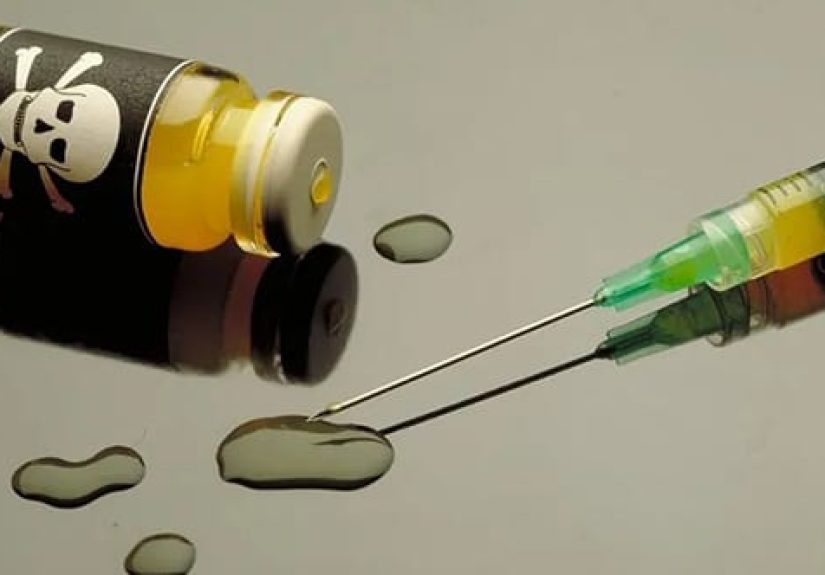
During the scramble for treatments, misinformation and half-understood science spread fast. One of the most disturbing examples involved people
ingesting a chemical product used for fish tanks that contained chloroquine-related compounds. This led to severe poisoning and death in at least
one widely reported case, prompting urgent warnings: do not self-medicate with non-medical chemicals.
Why it was so bizarre
The pandemic created the perfect environment for risky shortcuts: fear, confusing information, and the desperate hope that there was a simple
fix hiding in your garage. “Aquarium cleaner” sounds like something that belongs near goldfishnot inside a human being.
What it taught us
This story is a harsh reminder that “viral” isn’t just a word for content. Health misinformation can move faster than public corrections,
and it can cause real harm. In the world of COVID-19 weird news, this one wasn’t funnyit was a flashing warning sign.
3) A Bronx Zoo Tiger Tests Positive
What happened
In one of the most surreal headlines of 2020, a Malayan tiger at the Bronx Zoo tested positive for SARS-CoV-2.
Other big cats showed symptoms too. The likely source was human-to-animal transmission, and the zoo took additional safety steps for staff.
Why it was so bizarre
People were already overwhelmed trying to understand how the virus spread between humans. Then a tiger entered the chat.
It felt like the pandemic was expanding its cast of characters. Also, tigers coughing is not something most of us had on our bingo card.
What it taught us
This story helped reinforce the “One Health” idea: human health, animal health, and environmental health are connected. It also pushed
public agencies and vets to communicate clearly about animal risk without triggering unnecessary panic about pets.
4) Monkeys Steal COVID-19 Blood Samples
What happened
In India, a troop of monkeys reportedly attacked a health worker and made off with blood samples from coronavirus patients.
Officials later tried to locate and recover the samples, and the story ricocheted around the world becausecome onof course it did.
Why it was so bizarre
It sounded like a movie scene: a chaotic chase, medical vials, and monkeys treating a pandemic response like a snack run.
The absurdity landed hard because the global mood was already surreal.
What it taught us
Pandemic logistics are fragile. Even when systems are planned, real life can throw a curveball shaped like a monkey with main-character energy.
It also showed how international coronavirus news stories became shared global folklore almost instantly.
5) The Penguin Who Took a Field Trip
What happened
When public spaces shut down, some animals experienced the quietest “tourist season” of their lives. At Chicago’s Shedd Aquarium,
staff let a rockhopper penguin named Wellington wander through empty exhibits as enrichment. The videos charmed millions online.
Why it was so bizarre
Humans were stuck inside while a penguin strutted around like he had an annual membership. It was the pandemic’s version of comic relief:
a tiny creature casually inspecting his domain while the world stress-scrolled.
What it taught us
Not every bizarre coronavirus headline was grim. Some were a reminder that caretakers still found ways to keep animals engaged,
and that small moments of joy mattered when everything felt heavy.
6) “I’m Not a Cat”: The Zoom Court Moment
What happened
Remote work and remote court became the norm. Then a Texas attorney appeared in a virtual hearing as a talking kitten because of a Zoom filter.
He tried to fix it in real time and famously clarified that he was, in fact, not a cat. The clip went viral and became a shorthand for
pandemic-era technology chaos.
Why it was so bizarre
There are many ways to lose credibility in court; “accidentally becoming a kitten” was not previously considered a major risk factor.
The humor worked because it was relatableeveryone had a “wait, is my mic on?” moment, but most of us didn’t do it while being a cat on record.
What it taught us
The pandemic didn’t just force new tools; it forced new humility. It also created a shared culture of small mistakes that felt humanizing
during a frightening time. Weird COVID headlines often doubled as therapy.
7) Social Distancing Circles Painted on the Grass
What happened
In New York City’s Domino Park, staff painted large circles on the grass to help visitors space out. Each circle created a clear visual boundary,
turning public health guidance into a simple “stand here” design solution.
Why it was so bizarre
It looked like a crop circle festival sponsored by geometry. But it worked because humans are visual creatures:
a painted line is harder to “interpret creatively” than a sign that says “please stay six feet apart.”
What it taught us
Sometimes the best behavioral science is just good design. When rules are easy to understand and easy to follow, people complain less
and cooperate more. The circles became an oddly hopeful symbol of communal effort during coronavirus lockdowns.
8) The Police Robot Dog Backlash
What happened
Several police departments experimented with robot dogs, including a highly publicized case where the NYPD leased a four-legged robot
(often compared to Boston Dynamics’ “Spot”). Public backlash was swift, with critics calling it dystopian and questioning oversight.
The program was eventually halted and the robot returned.
Why it was so bizarre
In the middle of a public health crisis, a robot dog patrolling (or assisting police operations) felt like a genre shiftfrom medical drama to sci-fi thriller.
Even if the technology had practical intentions, the optics were… a lot.
What it taught us
Pandemic innovation isn’t automatically welcomed. People want transparency, limits, and accountabilityespecially when new tech shows up in
public spaces. In the world of strange COVID headlines, this one raised serious questions beneath the “Black Mirror” vibes.
9) “Murder Hornets” Crash the Pandemic Party
What happened
As if the world didn’t have enough to worry about, reports emerged about the Asian giant hornet in the Pacific Northwest.
Media nicknamed them “murder hornets,” and the story explodedpartly because the hornets can devastate honeybee colonies and partly because
the name sounded like a heavy metal band that only plays disaster-themed concerts.
Why it was so bizarre
The timing felt personal. It was the kind of headline that made people say, “Is 2020 written by a bored screenwriter?”
The hornets were a real invasive species concern, but the public reaction also revealed pandemic fatigue: people were primed for doom, even in insect form.
What it taught us
During a crisis, unrelated threats can feel emotionally connected. The “murder hornet” story shows how fear stacksonce anxiety is high,
every new alert feels like part of the same apocalypse playlist.
10) Mystery Seed Packets in the Mail
What happened
In 2020, people across the U.S. reported receiving unsolicited seed packets from overseas. Agriculture officials warned the public not to plant them,
citing concerns about invasive species, pests, and plant diseases. Investigators later suggested many shipments were likely tied to “brushing” scams
meant to generate fake online reviewsstill, the public guidance was clear: don’t treat surprise seeds like a fun gardening challenge.
Why it was so bizarre
The pandemic already made daily mail feel like a minor event (“Look, it’s a coupon!”). Then some folks received mystery seeds,
which made the mailbox feel less like a utility and more like the start of a thriller novel.
What it taught us
Public health emergencies highlight other vulnerabilitieslike agricultural biosecurity and online fraud. It also revealed how quickly communities
can mobilize around guidance when the message is simple: “Please do not plant the mystery seeds. This is not the time.”
Why We Loved (and Hated) These Bizarre Coronavirus Stories
As a collection, these bizarre coronavirus news stories show how humans respond to uncertainty with a mix of creativity, fear, humor, and occasional chaos.
The weirdness wasn’t randomit had patterns:
- Scarcity panic (toilet paper) made everyday objects feel like survival gear.
- Misinformation (dangerous “cures”) spread faster than corrections.
- Boundary-breaking (animals catching the virus) challenged assumptions.
- Design fixes (circles on the grass) turned guidance into behavior.
- Technology overload (Zoom cat lawyer) made the new normal meme-worthy.
In other words: the pandemic made life stranger, but it also made the world feel oddly connected. We were all watching the same weird headlines,
trying to make sense of them from our own living rooms.
Experiences From the “Bizarre News” Era (Extra )
If you lived through the pandemic, you probably remember how the weirdest news stories didn’t feel like a separate categorythey felt like part of
the daily weather forecast. You’d wake up, check your phone, and get hit with a rotating menu of: serious update, confusing policy change, something
adorable involving animals, and one headline that made you whisper, “Wait… what?”
A lot of people describe the early months as mentally exhausting because the brain wasn’t built for constant uncertainty. It wasn’t just fear of
getting sick; it was the nonstop adjustment. Routines vanished. Plans became “maybe.” And the smallest errandslike a grocery runcarried a weird
emotional weight. That’s why stories like toilet paper shortages became such a big deal. It wasn’t about the product; it was about the feeling that
the normal world had cracked and nobody had the instruction manual.
Then there was the social layer. Many people had their first awkward mask moments: the mask that fogged up glasses, the mask that slipped,
the mask that made you realize you’d been walking around with spinach in your teeth for twenty minutes and nobody told you because everyone was
avoiding eye contact like it was an Olympic sport. Add in one-way arrows on grocery store floors and “six feet apart” signs, and daily life felt
like a cooperative board game where the rules changed mid-turn.
Remote life had its own flavor of chaos. Families became co-workers. Kitchens became classrooms. People learned that “mute” is both a button and a lifestyle.
Video calls created new etiquette (“Are we waving? Are we waving too much?”), and everyone collected tiny tech mishaps like trading cards. That’s why
the Zoom cat lawyer story landed so hard: it wasn’t just funnyit was a perfect symbol of how quickly we were all improvising. The world demanded
professional-level performance while we were still figuring out which cable goes where.
Even the lighter storieslike the penguin wandering an aquariumhit differently because they offered a break in the pressure. They reminded people that
care was still happening behind closed doors, that someone was still looking after animals, still trying to make life a little better, still sharing
small moments of joy. In a time when many felt isolated, these stories became shared experiences: “Did you see that?” became a lifeline.
Looking back, the bizarre pandemic headlines weren’t distractions from reality; they were part of reality. They captured the human side of a global event:
the panic, the creativity, the mistakes, the laughter, and the strange ways people try to feel safe. And if nothing else, they proved one thing:
when the world gets weird, humans get weirderand sometimes that’s how we survive it.
Conclusion
The coronavirus pandemic changed the world in serious, lasting waysbut it also produced a parade of strange COVID headlines that revealed how people
behave under pressure. From panic buying to penguin field trips, these stories were more than viral oddities. They were cultural snapshots of fear,
adaptation, misinformation, ingenuity, and humor. If the last few years taught us anything, it’s that humans can handle a lotespecially when we can
laugh, learn, and keep moving forward (even if we occasionally do it while accidentally dressed as a kitten on Zoom).




 Close
Close