
Table of Contents >> Show >> Hide
- What Is Tomato Pudding?
- Why This Tomato Pudding Works
- Classic Southern Tomato Pudding Recipe
- Step-by-Step Instructions
- Pro Tips for the Best Tomato Pudding Texture
- Easy Variations (So You Can Make It Your Signature)
- What to Serve With Tomato Pudding
- Make-Ahead, Storage, and Reheating
- FAQ: Tomato Pudding Recipe Questions
- Conclusion
- Kitchen Notes: Real-World Experiences With Tomato Pudding
“Tomato pudding” sounds like a prank your cousin pulls at Thanksgivinguntil you taste it. Then it becomes the dish you hover near,
“just to keep it warm,” while quietly taking seconds. This classic Southern tomato pudding recipe is a sweet-savory baked casserole
built on simple pantry staples: tomatoes, bread, butter, and just enough brown sugar to make your brain go, “Wait… why is this so good?”
In the South (especially in Lowcountry-style cooking), tomato pudding is less “dessert” and more “side dish with a personality.”
Think of it as a cousin to scalloped tomatoes or a tomato-bread casserole: cozy, spoonable, a little tangy, a little sweet,
and wildly at home next to fried chicken, grilled fish, or meatloaf.
What Is Tomato Pudding?
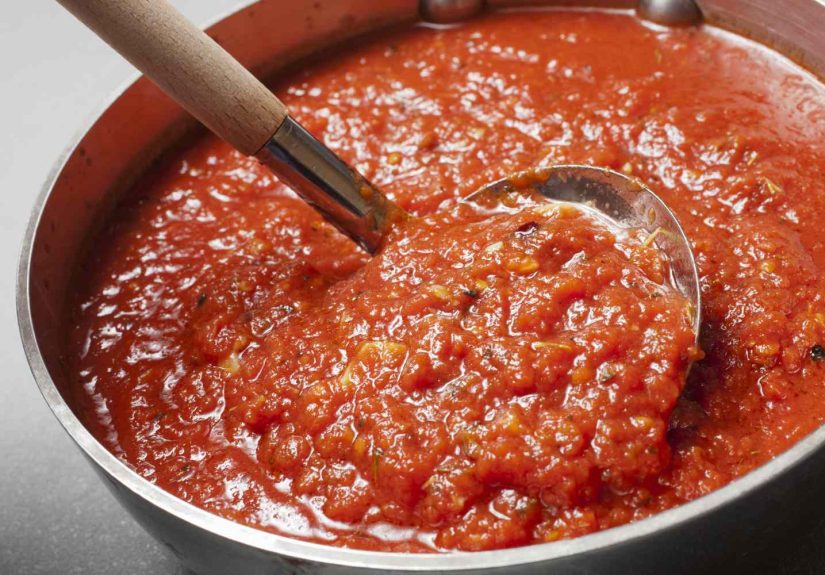
Tomato pudding is a baked tomato-and-bread casserole that lands right in the sweet-and-savory comfort-food zone. Most traditional versions
use bread cubes (or torn bread), tomato purée or sauce (sometimes whole canned tomatoes), melted butter, salt and pepper, and brown sugar.
The bread soaks up that tomato-butter goodness and bakes into a soft, custardy center with crisp, golden edges.
If you’re expecting chocolate pudding, don’t worryyour dessert is safe. This “pudding” is closer to bread pudding in texture,
but it’s meant to be served alongside dinner. (Your fork will understand immediately.)
Why This Tomato Pudding Works
- Balanced flavor: Tomatoes bring acidity and depth; brown sugar rounds the edges without turning it into candy.
- Perfect texture: Butter-toasted bread cubes stay hearty, so you get “spoonable” without “mushy.”
- Year-round friendly: Canned tomatoes make it reliable even when fresh tomatoes taste like sadness.
- Flexible: Make it more savory, add cheese, use fresh summer tomatoes, or dress it up for a holiday spread.
Classic Southern Tomato Pudding Recipe
This version aims for the traditional sweet-savory profile you’ll see across many Southern and Lowcountry takes, with a method that
improves texture: butter-toasting the bread cubes first so they keep their structure and brown beautifully.
Ingredients (Serves 6–8)
- Bread: 6 cups day-old bread cubes (about 8–10 slices), crusts on is fine (French bread, white sandwich bread, or a sturdy loaf)
- Butter: 6 tablespoons unsalted butter, melted (plus a little extra for greasing the dish)
- Tomato base: 2 cups tomato purée or tomato sauce (from cans is totally okay)
- Optional whole tomatoes: 1 cup crushed canned whole tomatoes (optional, for more texture)
- Brown sugar: 1/2 cup packed (use 1/3 cup for less sweet, up to 3/4 cup for a more classic sweet-savory hit)
- Water: 1/4 cup (helps loosen the sauce so it soaks evenly)
- Seasoning: 1 teaspoon kosher salt (start with 3/4 teaspoon if your tomatoes are salty), 1/2 teaspoon black pepper
- Optional flavor boosters: 1/2 teaspoon dry mustard or 1 teaspoon Worcestershire; 1–2 teaspoons dried basil or 1 tablespoon chopped fresh basil
Optional Topping Ideas
- Cheese topping: 1 cup shredded sharp cheddar (more savory, more crowd-pleasing)
- Crunch topping: 1/2 cup buttered breadcrumbs or crushed crackers (for extra crispness)
Equipment
- 9×13-inch baking dish (or similar casserole dish)
- Large mixing bowl
- Small saucepan
- Sheet pan (for toasting bread cubes)
Step-by-Step Instructions
-
Preheat and prep.
Heat oven to 375°F. Grease a 9×13-inch baking dish with butter. -
Toast the bread cubes (the secret to great texture).
Put bread cubes in a large bowl. Drizzle with 4 tablespoons of the melted butter (save the rest).
Toss well. Spread cubes on a sheet pan and toast for 10–12 minutes, stirring once, until the edges look dry and lightly golden.
(You’re not making croutonsjust giving the bread a head start.) -
Build the tomato sauce.
In a small saucepan over medium heat, combine tomato purée/sauce, optional crushed tomatoes, brown sugar, water, remaining melted butter,
salt, pepper, and any optional flavor boosters (dry mustard, Worcestershire, basil). Warm for 3–5 minutes, stirring,
just until the sugar dissolves and everything looks glossy and unified. -
Combine and soak.
Add toasted bread cubes to the greased baking dish. Pour the warm tomato mixture evenly over the bread.
Gently press down with a spoon so the bread soaks up the sauce. Let it stand for 10 minutes.
(This is where the magic happenslike a spa day for bread.) -
Top it (optional but delightful).
If using cheddar, sprinkle it on now. If using a crunchy topping, add it right before baking for maximum crisp. -
Bake.
Bake uncovered for 30–40 minutes, until bubbling at the edges and browned on top.
If the top browns too quickly, loosely tent with foil for the last 10 minutes. -
Rest and serve.
Let the casserole rest for 10 minutes. Serve warm with a big spoonand consider making a second pan for “mysteriously missing leftovers.”
Pro Tips for the Best Tomato Pudding Texture
- Use day-old bread. Fresh, squishy bread can collapse into a paste. Slightly stale bread holds up better.
- Toast first. A quick butter-toast keeps the center tender but prevents total mush.
- Control sweetness. Tomato pudding is supposed to have a sweet-savory edge. Start with 1/2 cup brown sugar and adjust next time.
- Pick the right tomato base. Tomato purée is thicker and richer; tomato sauce is looser and often already seasoned. Taste and adjust salt.
- Don’t overbake. You want bubbling edges and a set topoverbaking dries it out.
Easy Variations (So You Can Make It Your Signature)
1) More Savory Tomato Pudding (Cheddar + Heat)
Reduce brown sugar to 1/3 cup. Add 1 cup sharp cheddar and 1–2 teaspoons hot sauce (or a pinch of cayenne).
This version feels extra at home with barbecue, burgers, and smoky mains.
2) Fresh Summer Tomato Pudding (When Tomatoes Are Actually Good)
Use 3–4 cups chopped ripe tomatoes (seeded if they’re very juicy). Simmer them with a spoon of tomato paste to thicken.
Fresh tomatoes bring bright flavor, but you’ll want to cook off excess water so the casserole doesn’t turn soupy.
3) Lowcountry-Style “Holiday” Tomato Pudding
Keep the classic sweetness, but add 1/2 teaspoon dry mustard and a little extra black pepper.
Many traditional versions lean into that sweet-savory contrast, making it a surprisingly perfect addition to a holiday table.
4) Italian-leaning Tomato Pudding
Swap cheddar for pecorino or parmesan, add a little thyme, and finish with a drizzle of good olive oil.
This pushes the dish toward a savory tomato-bread bake with a more Mediterranean vibe.
What to Serve With Tomato Pudding
Tomato pudding is the side dish equivalent of a friend who gets along with everyone. A few particularly great pairings:
- Fried chicken or chicken cutlets (crispy + saucy is always correct)
- Grilled fish (especially mild white fishtomato pudding brings the punch)
- Meatloaf or roasted pork
- BBQ (pulled pork, ribs, brisketthis dish can hang)
- Simple greens (collards, green beans, or a crisp salad to balance richness)
Make-Ahead, Storage, and Reheating
- Make-ahead: Assemble up to 8 hours in advance, cover, and refrigerate. Bake when ready (add 5–10 minutes if cold).
- Refrigerate leftovers: Store airtight up to 4 days.
- Reheat: Oven at 350°F for 15–20 minutes is best. Microwave works, but the top won’t stay crisp.
- Freeze: You can freeze baked portions, but the texture softens. If freezing, reheat in the oven to revive structure.
FAQ: Tomato Pudding Recipe Questions
Is tomato pudding supposed to be sweet?
A little, yestraditionally it’s sweet-savory. The brown sugar doesn’t make it dessert; it smooths the tomato acidity and creates that
“What is this flavor and why do I want more?” effect. If you prefer it savory, reduce the sugar and add cheese or Worcestershire.
What bread is best for tomato pudding?
Sturdy bread wins: French bread, country loaf, or even plain white sandwich bread. Avoid very soft bread unless you toast it first.
Day-old bread is ideal because it absorbs without disintegrating.
Can I use fresh tomatoes instead of canned?
Absolutelyespecially in peak tomato season. Just cook them down a bit (or add tomato paste) to remove excess water,
or you risk a watery casserole.
Why is my tomato pudding soggy?
Common causes: bread wasn’t toasted, tomatoes were extra watery, or the dish didn’t bake long enough to reduce and set.
Toast the bread cubes and simmer the tomato mixture briefly to help.
How do I make it look nicer for guests?
Use a shallow baking dish for more browned top surface, add a light crunchy topping, and finish with fresh basil.
Also: serve it confidently. Tomato pudding has strong “ugly-delicious” energy, and that’s a compliment.
Conclusion
Tomato pudding is proof that comfort food doesn’t need a long ingredient list to be memorable. It’s warm, tangy, buttery, and
just sweet enough to make the tomatoes singplus it’s easy to tweak depending on your mood (or what’s in your pantry).
Make it once, and you’ll understand why it shows up on Southern tables year after year: it’s simple, a little quirky, and
extremely lovablekind of like the best people.
Kitchen Notes: Real-World Experiences With Tomato Pudding
People usually have the same emotional journey with tomato pudding, and it’s honestly pretty entertaining. First comes the name-based suspicion:
“Pudding… made of tomatoes?” That face you make is valid. Then you smell it bakingtomato, butter, toasted bread, that faint caramel note from brown sugar
and your brain starts negotiating. By the time it hits the table bubbling at the edges, the skepticism has softened into curiosity.
In home kitchens, one of the most common “aha” moments is realizing tomato pudding isn’t trying to be fancy. It’s trying to be dependable.
Cooks love it because it uses ingredients that are almost always around: a loaf that’s gone a bit stale, a can of tomato sauce, butter,
and pantry seasonings. It’s the kind of recipe you can make on a Tuesday when you’re tired, yet it still tastes like you planned ahead.
Texture is where most first-timers learn their lesson. If you skip toasting the bread, you can end up with something that’s more “tomato sponge”
than “tomato pudding.” But when you do that quick butter-toast step, the bread keeps its shape, so you get little pockets of sauce-soaked tenderness
surrounded by browned, crispy corners. That contrast is the entire point. Seasoned cooks will tell you the corners disappear firstpeople “sample”
them while pretending to help clean up.
Another common experience: the sweetness debate. Some families want the classic sweet-savory balance and won’t touch it if it isn’t made with brown sugar.
Others prefer it more savory and start adding cheddar, hot sauce, Worcestershire, onions, or herbs. Either way, tomato pudding tends to become a “signature dish”
because it’s so easy to adjust. The funny part is that everyone believes their version is the authentic one, which is a very on-brand tradition for comfort food.
Tomato pudding also has strong potluck behavior. It travels well, reheats without drama, and tastes even better after it sits for a little while.
People who bring it to gatherings often report the same outcome: someone asks for the recipe, someone else says “I don’t even like tomatoes,”
and both of them go back for more. It’s not that tomato pudding converts people into tomato loversit just makes tomatoes feel safe, cozy, and buttery.
Finally, there’s the leftover experience. Cold tomato pudding is surprisingly snackable (some folks eat it straight from the container, no judgment).
Reheated in the oven, it regains its crisp top and becomes the perfect side for whatever you’re eating the next dayeggs for breakfast, a sandwich for lunch,
or roasted chicken for dinner. In other words: it’s the rare casserole that doesn’t punish you for making it. It rewards you. Like a well-trained dog. A delicious dog.
(Okay, not like that. You know what I mean.)





 Close
Close