
Table of Contents >> Show >> Hide
- What “Three Seasons of Bloom” Really Means (and Why It’s a Big Deal)
- Border Garden Plan at a Glance
- The Plant Palette (With Roles, Seasons, and Why They Earn Their Spot)
- How to Lay It Out So It Looks Designed (Not Random)
- Step-by-Step: Planting This Border Garden (Without Making It Harder Than It Needs to Be)
- Bloom Timeline: What’s Happening Each Season
- Maintenance Calendar (So It Stays Gorgeous, Not Chaos)
- Regional Tweaks and Smart Substitutions
- Common Mistakes (and How to Avoid Them)
- Real-World Experiences: What Gardeners Learn the First Year (and Why It Gets Better)
- Conclusion
A border garden has a tough job. It has to look great up close (because people walk right past it), stay tidy enough
that it doesn’t flop into the path like it owns the place, and keep the show going long after the first spring
“OMG FLOWERS!” moment fades.
The good news: you don’t need a greenhouse, a horticulture degree, or a magical talking trowel to pull off three
seasons of color. You just need a plan that stacks bloom times on purpose, mixes “flowers” with “great-looking
leaves,” and uses a few backbone plants that carry the design when something else takes a break.
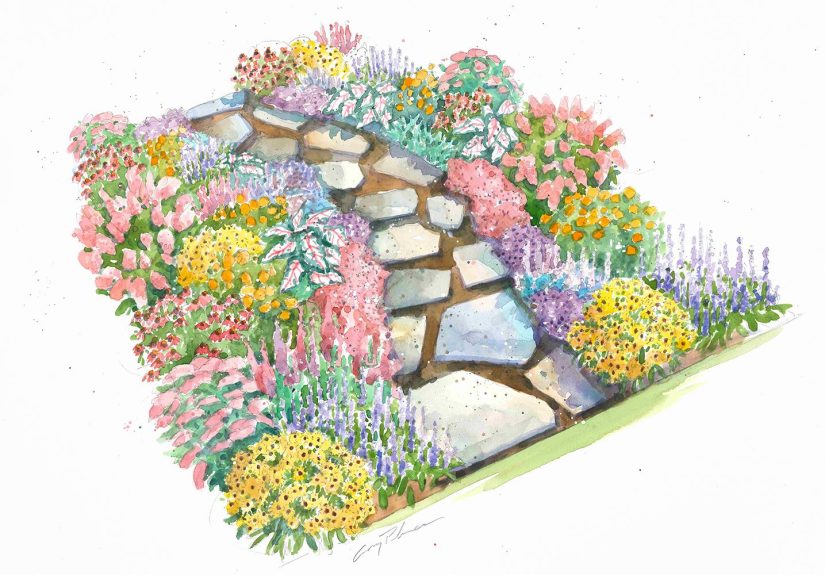
Below is a colorful, practical border garden plan (built for a sunny edge or pathway) that delivers blooms and/or
standout foliage from spring through fallplus smart swaps for different regions, a maintenance calendar, and a
layout approach that looks intentional instead of “I bought what was on sale and prayed.”
What “Three Seasons of Bloom” Really Means (and Why It’s a Big Deal)
When gardeners say “three seasons,” they usually mean spring, summer, and fallnot “March through November with
zero gaps.” Most perennials don’t bloom forever; many peak for a few weeks and then shift into a supporting role.
The secret to a long-lasting border isn’t finding one mythical plant that flowers nonstop. It’s creating a relay
race where one plant hands the baton to the next.
How the relay works
- Spring opener: early bloomers and groundcovers that make the border look alive fast.
- Summer headline act: the “big bloom” perennials (plus annuals/tender plants for extra punch).
- Fall finale: late-season bloomers and plants with seedheads or color-changing flowers.
- Foliage glue: plants with interesting leaves that keep the border attractive even between bloom waves.
Border Garden Plan at a Glance
This plan is designed for a sunny border along a walkway, lawn edge, or fence line. It uses cold-hardy perennials
as the structure and adds a few warm-season/tender plants for high-voltage color in midsummer.
- Best exposure: Full sun (6+ hours). A little afternoon shade is a bonus in hot regions.
- Ideal size to visualize: about 20 feet long x 6 feet deep (easy to scale up or down).
- Style: colorful, slightly modern-cottage, with bold purples, oranges, pinks, and silver foliage.
- Three-season interest: spring bloom + summer bloom + fall bloom, with foliage interest throughout.
- Wildlife perks: pollinator-friendly, and some plants are relatively deer-tolerant (nothing is “deer-proof” when a deer is feeling snacky).
The Plant Palette (With Roles, Seasons, and Why They Earn Their Spot)
The following plant list is a proven mix for spring-to-fall color. If you can’t find the exact cultivars, choose
close substitutes with similar height, bloom color, and bloom timing. Also: always check local invasive plant
guidance before you plant anything that spreads.
Key plants and what they do
| Plant | Season of Interest | Best Role in the Border | Quick Notes |
|---|---|---|---|
| Creeping phlox (Phlox subulata) | Spring | Front edge “carpet” that kicks off bloom season | Low groundcover; great for edging and softening hard lines. |
| Perennial salvia (Salvia nemorosa) | Late spring through summer (often into early fall) | Color rhythm plant (repeat in drifts) | Spikes of purple-blue; tidy habit; very “border garden” energy. |
| Astilbe (Astilbe chinensis) | Early to mid-summer | Texture and plume-like blooms | Appreciates consistent moisture; place where it won’t bake. |
| Coneflower (Echinacea purpurea) | Summer | Reliable midsummer blooms; pollinator magnet | Great backbone perennial; looks good even as blooms age. |
| Black-eyed Susan (Rudbeckia ‘Goldsturm’) | Summer into fall | Late-summer gold fireworks | Fills gaps and keeps color going when early bloomers slow down. |
| ‘Autumn Joy’ stonecrop (Hylotelephium/Sedum) | Late summer through fall | Fall anchor with color-shifting flower heads | Flowers often deepen from pink to coppery tones as the season cools. |
| Panicle hydrangea (Hydrangea paniculata) | Summer into fall | Back-of-border structure + big floral presence | Woody shrub “backbone.” Prune at the right time for best form. |
| Lamb’s ear (Stachys byzantina) | All season (foliage) | Silver, fuzzy foliage that makes colors pop | It’s the “neutral sweater” that makes the whole outfit work. |
| Caladium | Summer (foliage) | Tropical-looking color blocks | Tender in many regionstreat as annual or lift tubers in fall. |
| Dahlia | Summer into fall | Big, bold blooms for peak-season drama | Tender tubers in cold winterslift and store where needed. |
| Angelonia (summer snapdragon) | Summer | Heat-loving purple accent | Often used as an annual; flowers reliably in heat. |
| Verbena | Summer | Trailing/filler blooms to weave color through gaps | Great for a border edge where you want continuous little pops of color. |
How to Lay It Out So It Looks Designed (Not Random)
A border garden looks best when it has a clear height “stair-step”: tall in back, medium in the middle, short in
front. That sounds obviousyet many borders fail because everything is planted at the same height like it’s taking
a class photo.
Use three layers
- Back layer (structure): panicle hydrangeas (and any other tall, anchoring plants).
- Middle layer (the bloom engine): coneflowers, black-eyed Susans, sedum, dahlias, astilbe.
- Front layer (edge control + early bloom): creeping phlox, salvia drifts near the front, lamb’s ear, verbena.
Repeat plants to create “flow”
Repetition is what makes a border feel intentional. Instead of planting one of everything (the infamous “plant
zoo”), repeat a few key plants in drifts. That repetition creates rhythm and keeps the design from looking like a
botched buffet line.
A simple sample layout (easy to scale)
Imagine you’re standing on the path looking at the bed. Here’s a simplified way to place groups. This isn’t a
perfect mapit’s a practical planting logic you can follow:
If you’re working with a shorter bed (say 10–12 feet), keep the same proportions:
one hydrangea (or none, if you want all perennials), then concentrate on repeated drifts of salvia + coneflower +
rudbeckia, and edge with creeping phlox and lamb’s ear.
Step-by-Step: Planting This Border Garden (Without Making It Harder Than It Needs to Be)
1) Pick the best “border-friendly” spot
Borders are often placed where people walkso choose a site that won’t get trampled, blasted by road salt, or
drowned by a downspout. Full sun is ideal for the bloom-heavy plants here, but if your summers are intense, a bit
of late-day shade can reduce stress and stretch bloom quality.
2) Prep the soil like you mean it
Most border perennials prefer well-drained soil with organic matter. Work in compost, break up compacted layers,
and aim for a bed that drains well but doesn’t dry out instantly. If the soil is heavy clay, amend it and consider
building the bed slightly raised.
3) Place plants while they’re still in pots
Set everything out (still in their containers) before you dig. Walk the path. Squint dramatically like a landscape
designer in a movie montage. Then adjust spacing until you like the balance of colors and heights.
4) Plant in groups, then mulch
Plant in small clusters instead of single plants. After planting, apply a 2–3 inch layer of mulch (keep it a few
inches away from plant crowns and shrub stems). Mulch helps conserve moisture and reduces weedsbecause you deserve
better than spending July arguing with crabgrass.
5) Water like it’s your new part-time job (at first)
The first season is establishment season. Water deeply and consistently until roots settle in. After that, many of
these plants become more resilient, but a border in full sun still appreciates steady moisture during heat waves.
Bloom Timeline: What’s Happening Each Season
Spring
Creeping phlox ignites the front edge with color, making the bed look awake early. Lamb’s ear and salvia foliage
also start building texture even before the big flower show hits.
Summer
Salvia begins the “spike” season, astilbe adds plumes and texture (especially if it gets enough moisture), and
coneflowers take over with sturdy blooms. This is also when tender color-makersdahlias, angelonia, verbena, and
caladium foliageturn the border from pretty to party mode.
Fall
Black-eyed Susans keep the gold going, sedum steps in with chunky flower heads that deepen in tone, and panicle
hydrangea carries late-season mass and presence. Even as temperatures cool, the border still looks “finished,”
not faded.
Maintenance Calendar (So It Stays Gorgeous, Not Chaos)
Late winter to early spring
- Prune panicle hydrangeas at the correct time (late winter/early spring) to shape and encourage strong new growth.
- Cut back old perennial stems before new growth takes off.
- Weed earlysmall weeds are easy; big weeds are personal enemies.
Late spring to midsummer
- Deadhead salvia after the first flush to encourage repeat blooming and a tidier look.
- Stake or support dahlias early if your area gets summer storms.
- Check irrigation: sunny borders dry faster than you think.
Late summer to fall
- Let some seedheads stand if you like winter interest and bird food (especially with rudbeckia/similar plants).
- After frost blackens dahlia foliage in cold regions, lift tubers for storage if you want to keep them.
- When caladium foliage yellows with cool weather (or after first frost), lift tubers and store them warm and dry.
Winter
- Make notes: Where did you want more height? Which colors hit hardest? What got eaten?
- Order replacements and additions earlyspring sells out faster than your patience on hold with customer service.
Regional Tweaks and Smart Substitutions
If you garden in colder zones (and tender plants won’t overwinter)
Treat caladium, angelonia, verbena, and dahlias as seasonal stars (annuals/tender perennials), or swap them for
hardy performers with similar color and form. For example:
- Swap caladium foliage: colorful coleus (as an annual), or coral bells (heuchera) where hardy.
- Swap angelonia/verbena: catmint (Nepeta) for blue-purple haze, or more salvia for repeat spikes.
- Swap dahlias: hardy daylilies for summer color, or add more coneflower varieties for long bloom.
If you garden in hot, dry regions
Lean into drought-tolerant backbone plants and keep the thirstier ones where irrigation reaches easily. Sedum and
salvia are usually strong choices. Hydrangeas can work, but they’ll look best with consistent moisture and some
protection from harsh afternoon sun.
If your border gets part shade
If you have only 4–5 hours of sun, reduce the most sun-hungry bloomers and increase shade-friendly structure.
Astilbe will likely be happier; creeping phlox and some salvias may bloom less.
Common Mistakes (and How to Avoid Them)
- Planting too close: Borders look sparse at first. Give plants room to mature, and use mulch to handle the “empty” phase.
- All flowers, no structure: A woody anchor (like panicle hydrangea) and strong foliage plants keep the border looking good between bloom waves.
- No repetition: Repeat a few key plants so the eye reads the border as a designnot a shopping list.
- Ignoring maintenance realities: If you hate lifting tubers, treat dahlias/caladium as annuals and move on with your life (joyfully).
Real-World Experiences: What Gardeners Learn the First Year (and Why It Gets Better)
Here’s the honest truth that every gardener eventually learns: the first year of a new border garden is a “meet and
greet,” not a finale. Even a perfectly planned three-season border can look a little awkward at firstlike a group
photo where everyone’s standing too far apart because nobody wants to touch shoulders yet.
Many gardeners describe the first spring as equal parts excitement and suspicion. Creeping phlox starts blooming
and you think, “Yes! I am a botanical genius.” Then you notice the rest of the bed is still waking up, and suddenly
you’re staring at mulch like it’s an unfinished homework assignment. The trick is remembering that borders are
long-term communities. Perennials spend the first season building roots. The real payoff starts in year two, and by
year three, the border often looks like it “clicked” overnight.
Summer brings the first big confidence boostespecially if you included dependable bloomers like salvia,
coneflowers, and black-eyed Susans. Gardeners often say they can literally see the border change week by week:
salvia spikes start the rhythm, then coneflowers rise and fill, and suddenly the border looks taller and more
layered than it did in May. This is also when people discover the joy of foliage plants. Caladiums don’t just “fill
space”they act like living stained glass, pulling attention even when fewer flowers are open. Lamb’s ear does the
opposite: it’s calm and silvery, and it makes the brighter colors feel even brighter without screaming for
attention.
Fall is where many gardeners either fall in love with border gardening forever or decide to pave everything and
install a single decorative rock (no judgment). The difference usually comes down to two things: water and timing.
If your border dries out during late summer, plants can fade early and the “three-season” promise feels like a
broken contract. Gardeners who add a soaker hose, improve soil with compost, or simply commit to deeper watering
during hot stretches tend to get a much longer show.
Timing is the other big lesson. A lot of people deadhead everything automatically, then wonder why their border has
less fall and winter interest. Leaving some seedheads standingespecially on daisy-type flowerscan give the bed a
natural, textured look as the season winds down, and birds often appreciate it too. Meanwhile, sedum becomes a
surprise favorite in many gardens because it doesn’t just flower; it changes. Gardeners love watching those heads
deepen from pink toward coppery tones as nights cool, like the plant is doing seasonal décor without asking you to
buy another throw pillow.
The most common “experience-based” upgrade happens after the first full cycle: gardeners start editing with more
confidence. They’ll notice where they want a bigger drift of salvia, where the border needs one more mid-height
bloomer, or where a plant is thriving so well it deserves to be repeated. This is also when you learn what your
local wildlife thinks of your design choices. If deer treat your coneflowers like a salad bar, you may shift toward
more deer-tolerant texture plants, add repellents or fencing, or swap in tougher choices where needed.
The best part? Borders teach you to garden in “seasons,” not single moments. Instead of chasing one perfect week of
bloom, you learn to enjoy the handoffs: spring carpet to summer spikes, summer daisies to fall seedheads, bright
foliage to quiet structure. That’s when a three-season border stops being a plan on paper and starts feeling like a
living timeline you get to walk past every day.
Conclusion
A three-season border garden isn’t about nonstop flowers every single dayit’s about designing the sequence so
there’s always something worth looking at. With spring groundcovers, summer workhorses, fall finishers, and
foliage “glue,” you get a border that stays colorful, feels intentional, and looks like it belongs right where
people walk and gather. Start with the backbone plants, repeat your best performers, and tweak the tender accents
to fit your climate. By year two, you’ll wonder how you ever lived with a boring walkway.






 Close
Close