
Table of Contents >> Show >> Hide
- What Is Evaporated Milk, Exactly?
- The Best Substitute for Evaporated Milk
- Other Good Substitutes for Evaporated Milk
- What Not to Use Without Adjusting the Recipe
- How to Choose the Right Substitute by Recipe Type
- How to Make a Homemade Evaporated Milk Substitute
- Mistakes to Avoid When Replacing Evaporated Milk
- Frequently Asked Questions
- Real-Kitchen Experiences: What This Substitute Drama Actually Looks Like
- Final Thoughts
Every home cook eventually has that moment. You are halfway through pumpkin pie, mac and cheese, creamy soup, or a casserole that has already committed emotionally to dinner, and then you notice the problem: no evaporated milk. The can is missing. The pantry has betrayed you. The recipe stares back without blinking.
The good news is that finding the perfect substitute for evaporated milk is not kitchen wizardry. It is mostly about understanding what evaporated milk actually does in a recipe. It adds creaminess without going full heavy cream, it brings body without too much extra water, and it plays nicely in both sweet and savory dishes. That means the best evaporated milk substitute depends on what you are making. For a fast, no-fuss swap, half-and-half usually wins. For the closest true replacement, homemade reduced milk takes the trophy. And for dairy-free cooking, a few smart plant-based options can absolutely save the day.
If you have ever searched for the best substitute for evaporated milk and found yourself trapped in a swamp of vague advice, relax. This guide breaks it down in plain English, with specific examples, practical tips, and enough kitchen honesty to keep you from turning your pie filling into a science fair project.
What Is Evaporated Milk, Exactly?
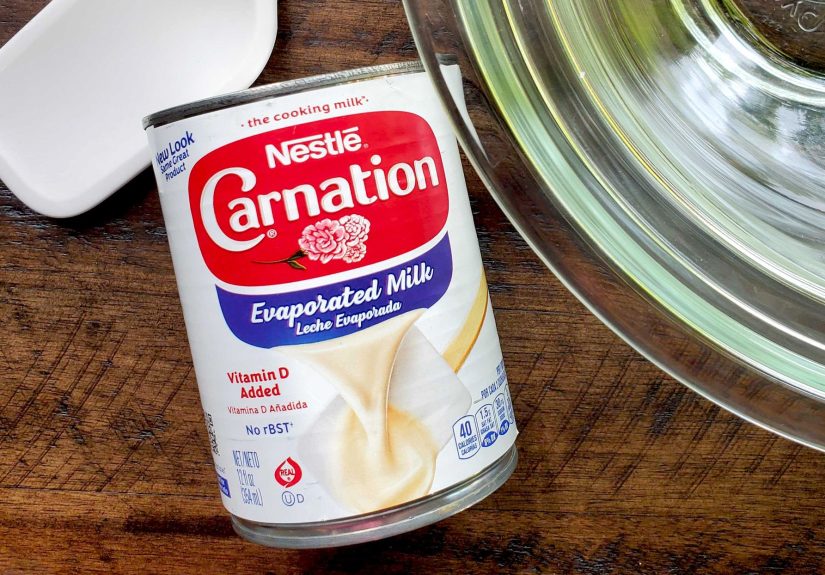
Evaporated milk is unsweetened milk that has been concentrated by removing much of its water. That is why it tastes richer and feels silkier than regular milk, even though it is not as heavy as cream. It is sold in cans, has a long shelf life before opening, and shows up in everything from pumpkin pie and fudge-adjacent desserts to soups, chowders, casseroles, and Southern-style comfort food.
This is also why evaporated milk and sweetened condensed milk are not twins. They are more like cousins who dress similarly at family events but have dramatically different personalities. Evaporated milk is unsweetened. Sweetened condensed milk has sugar added and behaves very differently in recipes. Swap one for the other without adjusting the recipe, and things can get weird fast.
The Best Substitute for Evaporated Milk
Best ready-to-use substitute: Half-and-half
If you want the shortest path from “Oh no” to “Dinner is back on,” half-and-half is the best substitute for evaporated milk in many recipes. It is rich, smooth, and easy to use in a 1:1 ratio. That makes it especially useful in creamy soups, casseroles, sauces, quiches, scalloped potatoes, and plenty of baked desserts.
Why does half-and-half work so well? Because it lands in a comfortable middle ground. It is thicker and richer than regular milk, but not as intense as heavy cream. In other words, it behaves like the overachiever who does not need a pep talk. Just pour it in and keep cooking.
The only caution is that half-and-half can make a recipe slightly richer than canned evaporated milk. Usually that is a feature, not a bug. Still, in delicate custards or recipes where you want an exact match, homemade reduced milk may be closer.
Best true stand-in: Homemade reduced whole milk
If your goal is to mimic evaporated milk as closely as possible, reduce regular milk on the stovetop. This homemade version works because you are essentially doing the same thing manufacturers do: removing water so the milk becomes thicker and more concentrated.
A handy rule is to start with about 2 1/4 cups of milk and simmer it down until you have roughly 1 cup left. Stir occasionally, keep the heat gentle, and do not wander off to scroll “just for a second.” Milk loves to boil over the moment you stop paying attention. It is one of the oldest kitchen jump scares.
This homemade evaporated milk substitute is ideal for pumpkin pie, custards, bread pudding, creamy pasta bakes, and other recipes where the texture matters. If the recipe depends on evaporated milk’s balance of body and mild dairy flavor, reduced milk is usually your closest match.
Other Good Substitutes for Evaporated Milk
Heavy cream
Heavy cream works as a substitute for evaporated milk, but it is richer, thicker, and higher in fat. Use it when you want extra decadence, such as in creamy soups, mashed potatoes, or luxurious desserts. A 1:1 substitution can work, though many cooks prefer to loosen it slightly with a splash of milk if the recipe needs a lighter texture.
Think of heavy cream as the dramatic option. It can absolutely do the job, but it enters the room wearing velvet and expecting applause. In a savory chowder, that can be glorious. In a pie filling, it can also work beautifully. But in recipes already loaded with butter, cheese, or sugar, it may push things from rich to “I need to lie down after this.”
Regular milk
Regular milk can work in a pinch, especially in soups, casseroles, and skillet dishes where the recipe has other ingredients to add body. Whole milk is the best choice. Lower-fat milk can be used, but the result may be thinner and less creamy.
If you are making something like pumpkin pie or another custard-style dessert, regular milk alone may not provide enough structure. In that case, adding a small amount of cornstarch can help the filling set more reliably. This is one of those quiet little kitchen tricks that keeps dessert from becoming pumpkin soup with a crust.
Powdered milk
Powdered milk is the sleeper hit of pantry substitutions. To make it work as an evaporated milk substitute, mix it with less water than the package normally calls for, so the result is more concentrated. This option is especially useful in baking or cooking when you want dairy solids and milk flavor without making a grocery run.
It is not always the most glamorous option, but neither are sweatpants, and yet here we are. Powdered milk is practical, affordable, and surprisingly effective when used thoughtfully.
Dairy-free substitutes
If you need a dairy-free evaporated milk substitute, the best choice depends on the recipe. Unsweetened soy milk is often the most balanced option for baking because it has a relatively neutral flavor and a better protein profile than many other non-dairy milks. Oat milk can work well in creamy soups and sauces, though it may be a little thinner. Full-fat canned coconut milk is excellent in desserts, curries, and rich savory dishes, but it brings a noticeable coconut flavor.
That flavor is either a charming bonus or a culinary plot twist, depending on the recipe. Coconut milk in a tropical dessert? Wonderful. Coconut milk in grandma’s classic potato soup? Proceed with caution unless grandma was secretly very adventurous.
What Not to Use Without Adjusting the Recipe
Sweetened condensed milk
This is the big one. Sweetened condensed milk is not a direct substitute for evaporated milk. Yes, both are canned. Yes, both live near each other on the shelf. No, they are not interchangeable in most recipes. Condensed milk contains added sugar, which can completely throw off the flavor and texture of soups, casseroles, sauces, and many baked goods.
If you are making a dessert and understand how to reduce the added sugar elsewhere in the recipe, you might be able to adapt. But as a general rule, do not treat condensed milk like a casual 1:1 swap for evaporated milk. That is not improvisation. That is gambling.
How to Choose the Right Substitute by Recipe Type
For pumpkin pie and custards
Your best bets are homemade reduced whole milk, half-and-half, or a combination of milk and cream. These options help preserve the smooth, creamy texture that pumpkin pie filling needs. If using plain milk, consider a bit of cornstarch to support the structure.
For soups, sauces, mac and cheese, and casseroles
Half-and-half is excellent here. Heavy cream also works if you want a richer result. Whole milk can get the job done in many savory dishes, especially if the recipe includes cheese, roux, or starchy ingredients that add body.
For baking
Reduced whole milk is usually the closest substitute. Powdered milk can also be useful, especially in recipes where precision matters. For dairy-free baking, unsweetened soy milk is often the most reliable option, while oat milk can be pleasant in muffins, quick breads, and snack cakes.
For desserts with a tropical or extra-rich profile
Coconut milk can be a smart swap in puddings, flans, rice puddings, and some custard-based desserts, as long as the coconut flavor makes sense with the rest of the ingredients.
How to Make a Homemade Evaporated Milk Substitute
- Pour about 2 1/4 cups of whole milk into a saucepan.
- Set the pan over medium-low heat.
- Simmer gently, stirring from time to time.
- Keep cooking until the milk reduces to about 1 cup.
- Cool slightly, then use it exactly as you would canned evaporated milk.
This method is simple, cheap, and surprisingly satisfying. It feels a little like winning an argument with your pantry.
Mistakes to Avoid When Replacing Evaporated Milk
- Using sweetened condensed milk without adjusting sugar: This is the fastest way to accidentally turn dinner into dessert.
- Ignoring texture: Regular milk is thinner, while heavy cream is much richer. Think about how the swap will affect the final dish.
- Forgetting flavor: Coconut milk and some plant-based milks can add their own taste.
- Boiling reduced milk too aggressively: Gentle simmering is your friend. A hard boil can scorch the milk or create a less pleasant texture.
- Assuming every substitute works the same in every recipe: A pie, a soup, and a casserole do not all speak the same dairy language.
Frequently Asked Questions
Can I use milk instead of evaporated milk?
Yes, especially whole milk, but the result may be thinner. For a closer match, reduce the milk on the stovetop first.
Can I use heavy cream instead of evaporated milk?
Yes. It works well, but it makes recipes richer and heavier. In some dishes, that is fantastic. In others, it may be more than you need.
What is the best dairy-free substitute for evaporated milk?
Unsweetened soy milk is one of the most reliable all-purpose choices. Full-fat coconut milk is excellent when its flavor fits the recipe.
What is the easiest substitute for evaporated milk in pumpkin pie?
Half-and-half is one of the easiest options, while reduced whole milk is one of the closest homemade matches.
Real-Kitchen Experiences: What This Substitute Drama Actually Looks Like
In real life, the search for the perfect substitute for evaporated milk usually starts with mild confidence and ends with someone standing in front of an open pantry saying, “Well, this is not ideal.” Holiday baking is especially famous for this. You think you bought everything. You bought cinnamon, cloves, butter, eggs, vanilla, and the pie crust you absolutely claimed you would make from scratch this year. Then you reach for evaporated milk and discover you have either none at all or, somehow, three cans of sweetened condensed milk instead. This is a very specific kind of kitchen heartbreak.
One of the most useful lessons from these situations is that the “best” substitute is not always the fanciest one. Most home cooks assume heavy cream must be the superior choice because it sounds luxurious. But in practice, half-and-half often performs better because it is rich without bulldozing the recipe. It gives you creaminess while still letting pumpkin, spices, cheese, or stock do their jobs. It is the dependable friend who helps you move a couch without posting about it afterward.
Then there is reduced whole milk, which tends to win over people who like a more exact cooking solution. The first time you simmer milk down and use it in a pie or casserole, it feels strangely empowering. You did not just substitute an ingredient. You manufactured one. You became the dairy department. It is also a great reminder that a lot of cooking confidence comes from understanding function rather than blindly following labels.
Dairy-free cooks have their own version of this trial-and-error story. Some discover that almond milk is too thin for a creamy baked dish. Others learn that coconut milk is delicious but not exactly subtle. A coconut note in bread pudding might be brilliant. A coconut note in tuna casserole might inspire a long silence at the table. Soy milk often ends up being the practical hero because it behaves more predictably in both savory and sweet recipes.
There is also the powdered milk crowd, and honestly, they deserve more respect. Powdered milk is not flashy, but it has rescued more weeknight recipes than it will ever get credit for. It sits in the pantry quietly, like a retired superhero who still knows exactly how to handle a crisis.
The biggest experience-based takeaway is simple: when you understand whether a recipe needs richness, thickness, sweetness, or stability, substitutions stop feeling risky. You begin to see options instead of obstacles. That is the moment cooking gets more fun. You are no longer stuck because one can is missing. You are just making a decision. And usually, a pretty tasty one.
Final Thoughts
If you want one clear answer, here it is: the perfect substitute for evaporated milk is usually half-and-half for convenience and homemade reduced whole milk for the closest match. Heavy cream works when you want extra richness. Powdered milk is a strong pantry backup. Soy milk and coconut milk can be excellent dairy-free alternatives when chosen carefully.
So the next time a recipe calls for evaporated milk and your pantry answers with chaos, do not panic. You do not need a miracle. You just need the right swap, a little common sense, and perhaps enough self-control not to use condensed milk in potato soup.






 Close
Close